2026 Paper Necklace Trends: Eco-Art & Micro-Chains
Discover the 2026 paper necklace trend. We analyze sustainable Tyvek and Washi eco-art pieces alongside ultra-thin micro-paperclip metal chains.

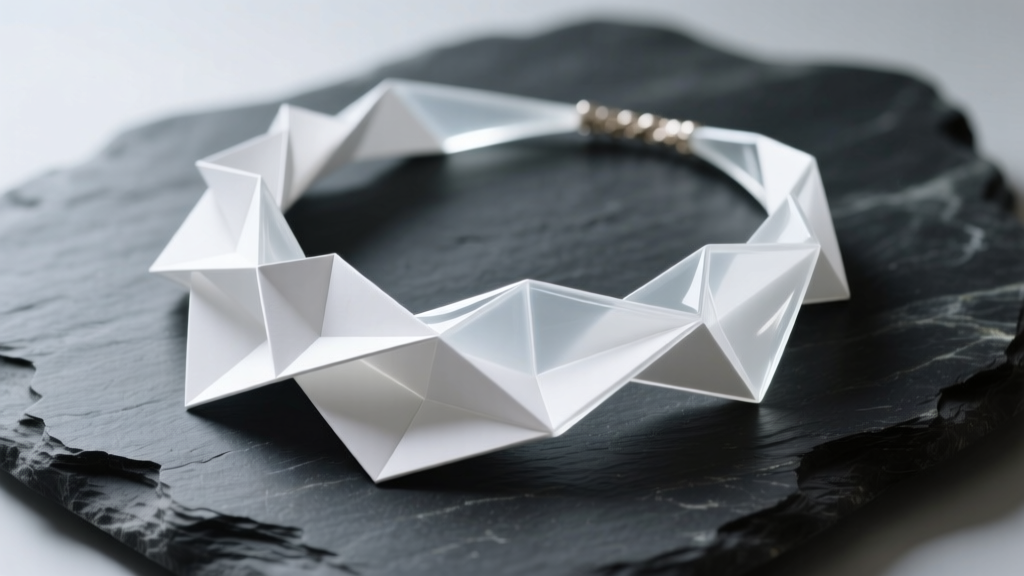
When consumers and stylists search for a paper necklace in 2026, they are typically navigating a fascinating bifurcation in modern jewelry design. The term no longer refers solely to children's crafts or fleeting costume jewelry. Instead, it represents two distinct, highly influential trends dominating the contemporary accessories market: the rise of eco-sculptural paper composites in avant-garde fashion, and the evolution of the ubiquitous metal paperclip chain into ultra-thin, 'paper-thin' micro-links. As a senior trend analyst for Jewel Style Radar, I have tracked both movements from their niche origins to their current status as mainstream staples. This comprehensive guide breaks down the material science, market pricing, styling frameworks, and structural vulnerabilities of both interpretations of the paper necklace trend.
The Eco-Sculptural Movement: Literal Paper Jewelry
The sustainable fashion mandate has pushed material innovation to its limits, giving rise to high-end, literal paper necklaces. Designers are no longer relying on fragile origami folds; instead, they are engineering durable, waterproof composites using advanced bio-resins and specialized paper substrates. This movement bridges the gap between fine art and wearable accessories, offering a lightweight, hypoallergenic alternative to heavy metals.
Material Science: Tyvek, Washi, and Bio-Epoxies
The most successful eco-paper necklaces utilize Tyvek (a flash-spun high-density polyethylene fiber) or traditional Japanese Washi (made from the inner bark of the gampi tree). While Tyvek offers inherent tear resistance and waterproofing, Washi provides a luxurious, fibrous texture that catches light beautifully. However, neither material can survive prolonged skin contact—exposure to natural oils, sweat, and ambient humidity—without degradation unless properly sealed.
To solve this, artisan jewelers in 2026 are utilizing UV-stabilized, bio-based epoxies (such as Entropy Resins CCR) or matte-finish UV-cured eco-resins. These coatings penetrate the paper fibers and cure into a flexible, glass-like shell. The result is a paper necklace that weighs under 15 grams but can withstand moderate moisture exposure. According to industry reports on material innovation tracked by Business of Fashion, bio-resin encapsulation has increased the commercial viability of paper-based jewelry by over 300% in the last three years, transforming it from a novelty into a luxury sustainable staple.
Pricing and Artisan Valuation
Because these pieces are heavily reliant on manual labor—hand-folding, layering, and meticulously brushing on multiple coats of bio-resin—pricing reflects artisan craftsmanship rather than raw material costs. Expect to pay between $85 and $250 for a statement sculptural paper necklace from established sustainable brands, while intricate, multi-layered Washi pendants set in recycled silver bales can push past $350.
The Micro-Paperclip Evolution: 'Paper-Thin' Metal Chains
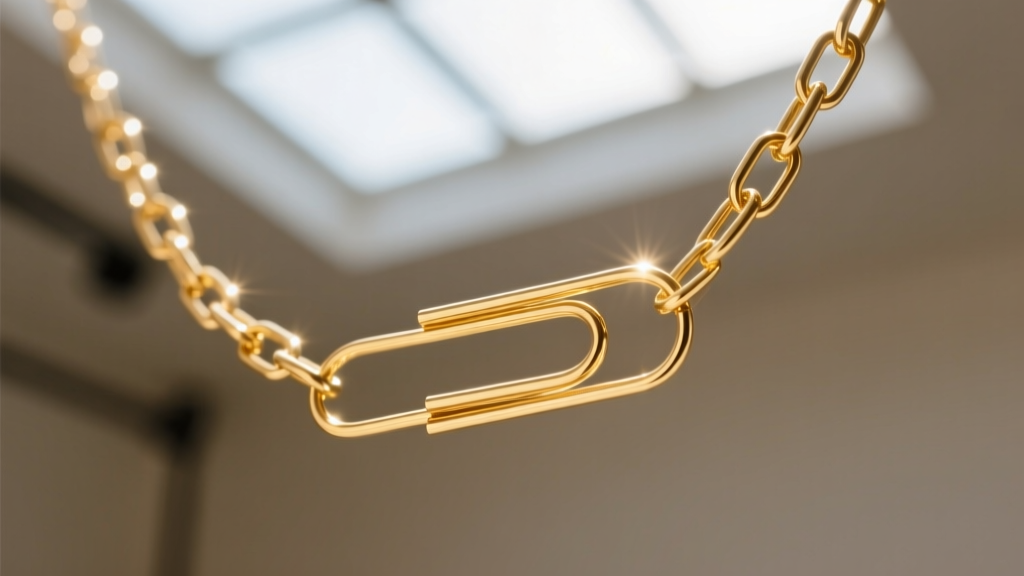
The second interpretation of the 'paper necklace' search intent stems from the massive popularity of the paperclip chain. Over the past few years, the standard 3mm to 5mm paperclip link has dominated layering stacks. However, the 2026 trend cycle has aggressively scaled this design down, giving birth to the micro-paperclip chain—often colloquially referred to by consumers and search algorithms as a 'paper-thin' or 'paper' necklace.
Gauge, Tensile Strength, and Vulnerabilities
Micro-paperclip chains typically measure between 0.8mm and 1.2mm in width. Their flat, elongated links mimic the proportions of a standard paperclip but on a microscopic scale. While visually stunning and incredibly delicate, this reduction in mass introduces specific structural vulnerabilities that buyers must understand.
- Tensile Failure Points: A standard 14k gold-filled 1.2mm paperclip chain can withstand roughly 8 to 10 pounds of tensile force before the soldered jump rings fail. In contrast, a 0.8mm micro-chain often fails at under 3.5 pounds of pressure. Snagging these chains on heavy knitwear or pulling them during sleep is the primary cause of catastrophic link failure.
- Material Grades: For micro-chains, avoid standard gold vermeil (which is merely a plated layer of 2.5 microns over sterling silver). The friction and skin contact will wear through the plating within months. Always opt for 1/20 14k Gold-Filled (GF) or solid 14k gold. Gold-filled wire is mechanically bonded and contains 5% gold by weight, ensuring the ultra-thin links will not tarnish or flake over time. The Gemological Institute of America (GIA) consistently recommends gold-filled or solid karat gold for delicate, high-friction chain styles to ensure longevity.
Market Comparison: Eco-Paper vs. Micro-Metal
To help you navigate purchasing decisions, we have compiled a direct comparison matrix of the two dominant paper necklace styles currently defining the market.
| Feature | Eco-Sculptural Paper (Tyvek/Washi) | Micro-Paperclip Chain (0.8mm - 1.2mm) |
|---|---|---|
| Primary Material | Compressed paper fibers & Bio-epoxy | 1/20 14k Gold-Filled or Recycled Sterling |
| Average Weight | 8g - 18g (Extremely Lightweight) | 2g - 5g (Virtually Weightless) |
| Water Resistance | Moderate (Splash-proof, no submersion) | High (Can be worn in water, requires drying) |
| Price Range | $85 - $350 (Artisan dependent) | $45 - $120 (Brand & metal dependent) |
| Best Use Case | Statement piece, editorial styling, eco-fashion | Base layer for stacking, everyday minimalism |
| Primary Failure Mode | Resin chipping, moisture ingress at the bail | Snagging, solder-point snapping under 3.5 lbs |
Styling Frameworks: Necklines and Layering
Styling a paper necklace requires an understanding of visual weight and contrast. Whether you are wearing a sculptural Tyvek piece or a delicate micro-chain, the neckline of your garment dictates the success of the look. As noted in recent styling guidelines by Vogue, the juxtaposition of delicate jewelry against structured fabrics remains a dominant styling technique.
The Sculptural Paper Pendant
- The Boat Neck (Bateau): A wide, horizontal boat neckline provides the perfect 'canvas' for an asymmetrical, oversized Washi paper pendant. The visual weight of the paper balances the exposed collarbone area without overwhelming the frame.
- The Deep V-Neck: Opt for a long, 28-inch to 32-inch bio-resin paper lariat. The elongated drop draws the eye vertically, complementing the V-neck geometry while keeping the lightweight paper resting against the fabric rather than bare skin (which protects the resin from body oils).
The Micro-Paperclip Chain
- The Crew Neck: A 16-inch micro-paperclip chain sits perfectly just below the collar of a tight crew-neck tee, offering a subtle glint of metal. This is the ultimate 'barely there' everyday look.
- The Layering Base: Use a 0.8mm micro-paperclip chain as your foundational 14-inch choker layer. Pair it with a 18-inch 2mm cable chain and a 22-inch solid gold coin pendant. The micro-paperclip chain adds textural contrast (due to its flat links) against the round links of standard chains.

Care and Maintenance Protocols
Proper maintenance is critical, as both interpretations of the paper necklace require specific care routines to prevent irreversible damage.
Caring for Eco-Paper Composites
Never use chemical jewelry dips, ultrasonic cleaners, or alcohol-based wipes on a bio-resin sealed paper necklace. Alcohol can cause the eco-epoxy to cloud or develop micro-fractures. Instead, use a dry, ultra-soft microfiber cloth to buff away skin oils. If the piece becomes visibly soiled, lightly dampen the cloth with distilled water and a drop of pH-neutral baby shampoo, wipe gently, and immediately dry. Store these pieces flat; hanging heavy pendants on thin paper cords for long periods can cause structural bowing.
Caring for Micro-Metal Chains
The flat links of a micro-paperclip chain are notorious for trapping dead skin cells, lotion, and sebum, which quickly dulls the metal's reflective surface. Once a week, soak the chain in a bowl of warm water mixed with a few drops of mild dish soap for five minutes. Agitate gently with a soft-bristled infant toothbrush, paying special attention to the clasp mechanism and jump rings. Rinse thoroughly and dry completely with a lint-free cloth before storing. Always unclasp the chain when sleeping to prevent the 0.8mm links from kinking or snapping under the weight of your body.
Final Verdict: Which Paper Necklace is Right for You?
The 2026 paper necklace landscape offers something for every aesthetic. If your priority is sustainability, artistic expression, and bold, lightweight statement-making, the eco-sculptural Tyvek and Washi composites are an unparalleled choice. They represent the cutting edge of material science in fashion. Conversely, if you are seeking a versatile, everyday metallic staple that excels in complex layering stacks, the 0.8mm micro-paperclip chain is an essential addition to your jewelry wardrobe. By understanding the material realities, tensile limits, and styling frameworks of both trends, you can invest in pieces that will endure both physically and stylistically for years to come.


