Pearl Necklace Dog Collar Value: 2026 Pricing Guide
Assess the true value of a pearl necklace dog collar in 2026. We break down pricing tiers, hardware materials, pearl grades, and hidden cost factors.

Decoding the Pearl Necklace Dog Collar Trend
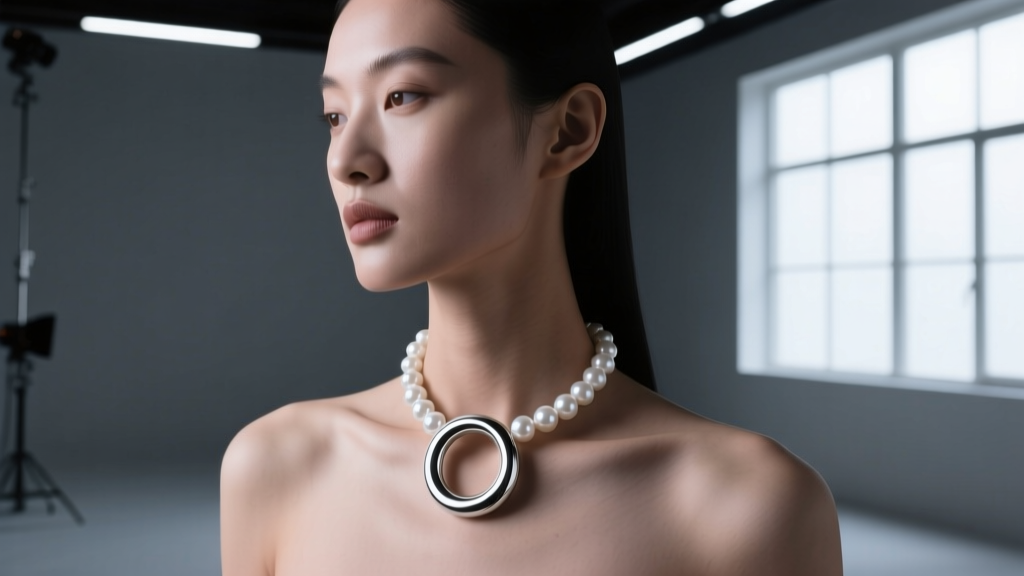
In the context of contemporary human jewelry, a 'pearl necklace dog collar' does not refer to an accessory for pets. Instead, it denotes a bold, alt-fashion choker trend that merges the timeless elegance of pearls with heavy, subculture-inspired hardware—such as O-rings, D-rings, and chain links—reminiscent of collar aesthetics. As we navigate the 2026 jewelry market, this specific silhouette has transitioned from niche editorial runways to mainstream luxury and indie markets. However, combining heavy metal hardware with delicate organic gems creates unique structural challenges and massive price discrepancies. This comprehensive value assessment will help you determine if the pearl necklace dog collar you are eyeing is a legitimate investment or an overpriced liability.
The Anatomy and Engineering of Collar Chokers
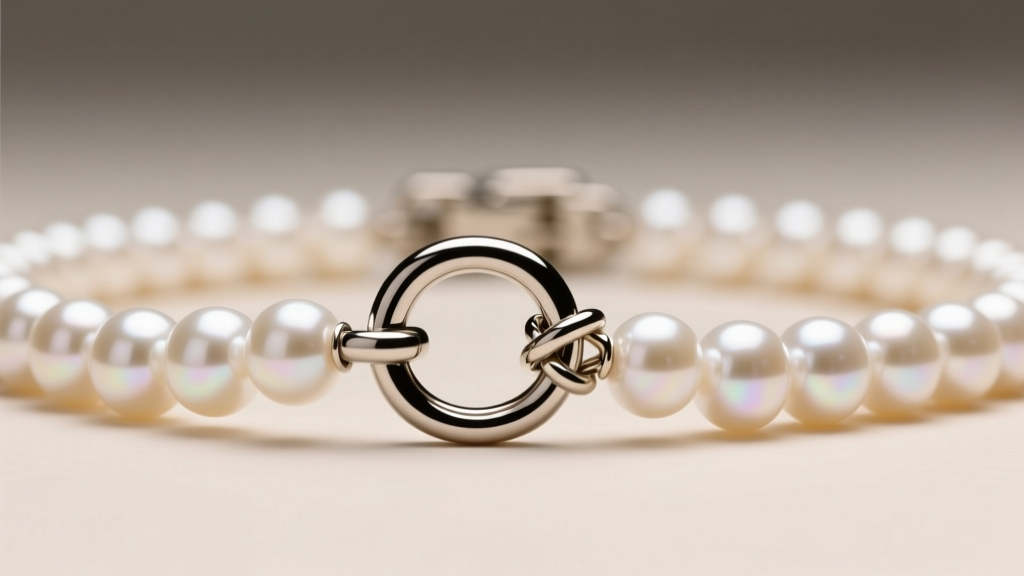
To accurately assess value, you must first understand the engineering required to make a pearl necklace dog collar functional. A standard pearl choker relies on the drape of the strand. A collar-style necklace, however, introduces a focal point of heavy hardware (typically a 20mm to 35mm metal ring) that acts as a pendulum. This creates dynamic sheer stress on the stringing material and the pearl drill holes.
When evaluating a piece, examine the intersection where the pearls meet the metal hardware. In high-quality designs, jewelers use a protective metal finding or a 'French wire' (gimp) coil to prevent the metal ring from grinding directly against the pearl's nacre. If the metal ring passes directly through the drill hole of the end pearl, the nacre will eventually chip and peel, destroying the gem's value.
2026 Market Pricing Tiers: What Should You Pay?
The market is currently saturated with pieces ranging from $25 to over $1,500. Here is the definitive breakdown of what your money actually buys you in the current landscape.
| Market Tier | Price Range | Pearl Grade & Type | Hardware Material | Stringing Medium | Expected Lifespan |
|---|---|---|---|---|---|
| Fast Fashion | $25 - $75 | Shell Bead / Glass | Zinc Alloy / Plated Brass | Nylon Monofilament | 6 - 12 Months |
| Indie Mid-Range | $90 - $280 | AA Grade Freshwater | 316L Surgical Steel / Solid Brass | Braided UHMWPE Thread | 3 - 7 Years |
| Fine Jewelry | $450 - $2,000+ | Akoya / Gem-Grade Tahitian | 14k/18k Gold / Platinum | Silk w/ French Wire Guards | Generational |
The Fast Fashion Trap ($25 - $75)
At this price point, you are not buying real pearls. You are purchasing glass or shell beads coated in a pearlescent lacquer. The hardware is typically cast zinc alloy plated with a micro-thin layer of silver or gold. According to Mayo Clinic guidelines on nickel contact dermatitis, cheap plated hardware frequently contains nickel binders that leach when exposed to the acidic pH of human sweat, resulting in severe skin irritation and a green discoloration on the neck. The value here is strictly aesthetic and temporary.
The Mid-Range Sweet Spot ($90 - $280)
This is where the true value lies for most consumers in 2026. Indie jewelers and specialized boutique brands utilize genuine AA-grade freshwater pearls, which offer excellent luster and thick nacre. The hardware is upgraded to 316L surgical stainless steel or solid brass, which is hypoallergenic and resistant to tarnish. Crucially, these makers use braided UHMWPE (Ultra-High-Molecular-Weight Polyethylene) thread, which has a tensile strength capable of supporting the swinging weight of a heavy steel O-ring without snapping.
Fine Jewelry Investment ($450+)
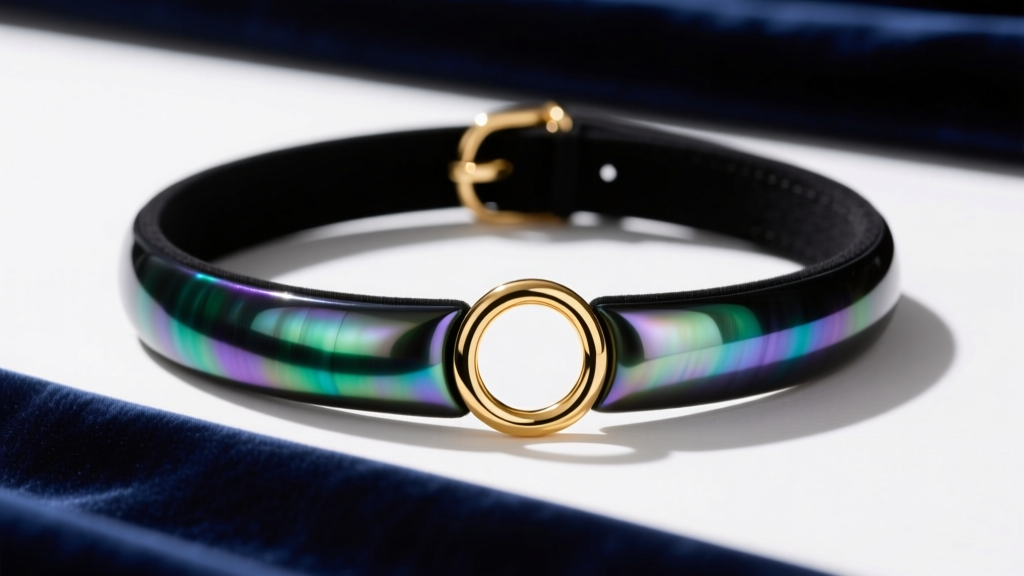
Luxury houses and master pearl stringers use perfectly round, mirror-luster Akoya pearls or exotic Tahitian dark pearls. The hardware is cast in solid 14k or 18k gold. Because gold is a softer metal than steel, the engineering must be flawless; the O-ring must be soldered and reinforced so it does not warp under tension. You are paying for the rarity of the matched pearl strand and the precious metal weight.
Critical Failure Modes & Durability Assessment
When conducting your budget assessment, factor in the hidden costs of maintenance and potential failure modes unique to the pearl necklace dog collar design.
- Nacre Abrasion: As mentioned, heavy metal rings swinging against soft calcium carbonate nacre will act like sandpaper over time. Always inspect the connection point. If there is no protective metal jump-ring or leather washer buffering the pearl from the main collar ring, deduct 30% from your perceived value.
- Clasp Shearing: A heavy front-facing O-ring shifts the center of gravity forward. This places constant upward and outward tension on the rear clasp. Lobster clasps on budget models frequently shear at the hinge. A high-value collar will use a heavy-duty toggle clasp or a magnetic neodymium lock to distribute the load.
- Thread Degradation: Traditional silk thread, while luxurious, is highly susceptible to rot from humidity and sweat. If a fine jewelry piece uses silk, it must be knotted between every single pearl and reinforced with French wire at the ends. Expect to pay $50-$80 for professional restringing every 3 to 5 years.
Evaluating Pearl Quality in Collar Designs
The 'dog collar' aesthetic often relies on baroque (irregularly shaped) pearls to enhance the grunge or avant-garde vibe. While baroque pearls are generally less expensive than perfectly round ones, they should not be chalky or blemished. According to the Gemological Institute of America (GIA), luster is the most critical quality factor for any pearl. Even in an asymmetrical baroque design, the surface should reflect light sharply, almost like a metallic mirror. If the pearls look dull, matte, or chalky, they are low-grade freshwater pearls that have been harvested prematurely, and the piece is not worth premium pricing.
Expert Sizing Tip: A true collar-style necklace should sit snugly against the base of the neck, typically measuring 14 to 15.5 inches. If the strand is 16 inches or longer, the heavy front hardware will droop and pull the necklace down into a standard V-shape, completely ruining the structural intent of the collar silhouette. Always measure your neck and add exactly 0.5 inches for the ideal collar fit.
Care and Maintenance Costs
Owning a pearl necklace dog collar requires a strict maintenance regimen that should influence your purchasing budget. You cannot simply toss this piece into an ultrasonic jewelry cleaner. Ultrasonic waves will shatter the nacre of treated pearls and loosen the adhesives used in budget-tier hardware connections. Furthermore, chemical silver dips used to clean tarnished steel or brass hardware will instantly strip the orient and luster from the pearls.
To clean the hardware, you must use a dry, microfiber polishing cloth, carefully working around the pearls. The pearls themselves should only be wiped with a damp, soft cloth after wearing to remove skin oils and acids. Factor in the purchase of specialized pearl cleaning wipes and a climate-controlled jewelry box (pearls require ambient moisture and will crack if stored in airtight plastic bags) when calculating the total cost of ownership.
Final Verdict: Is the Investment Worth It?
The pearl necklace dog collar is a triumph of contrasting textures, but it is an engineering minefield. If your budget is under $80, treat the purchase as disposable costume jewelry and be hyper-vigilant about skin allergies from cheap hardware. For the best balance of longevity, skin safety, and genuine gemstone value, the $120 to $250 mid-range tier offers the highest return on investment. By demanding 316L surgical steel hardware, braided stringing threads, and protective buffer rings at the drill holes, you can secure a striking, durable piece that justifies every penny of its price tag.


