Pearl Necklace Meaning Dirty: Slang vs Gemological Care
Searching pearl necklace meaning dirty? We decode the slang and provide expert gemological troubleshooting for literally dirty, stained, or damaged pearls.

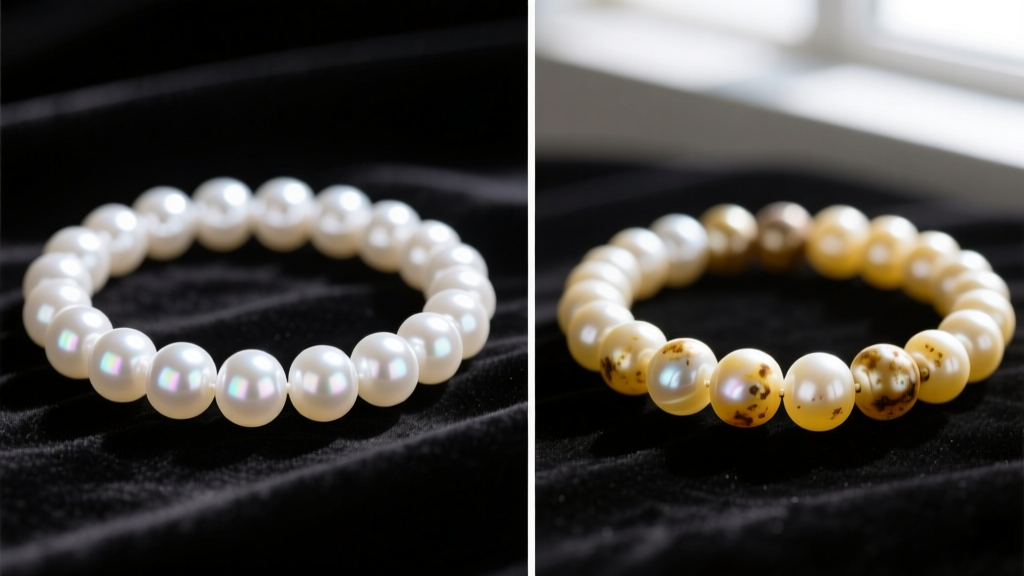
If you have recently found yourself typing pearl necklace meaning dirty into a search engine, you are likely navigating a collision between internet slang and literal jewelry care. In the realm of gemology and high-end jewelry, a 'dirty' pearl necklace is not a punchline; it is a critical warning sign of organic degradation. As we move through 2026, with vintage and heirloom pearl markets reaching new heights, understanding the literal, chemical meaning of dirt, oils, and environmental grime on nacre is essential for any serious collector or wearer.
The Dual Meaning: Internet Slang vs. Gemological Reality
Let us address the search intent directly. In internet and pop-culture slang, a 'dirty pearl necklace' refers to a specific, explicit sexual act. This colloquialism has been prevalent since the late 1990s and often causes confusion for younger jewelry enthusiasts or those encountering the term out of context. However, at JewelStyleRadar, our domain is the literal, physical care of fine jewelry.
In the gemological world, a 'dirty' pearl necklace refers to a strand that has accumulated sebum, cosmetic residue, and environmental pollutants. Because pearls are organic gemstones, they do not merely sit on top of the skin like gold or platinum; they interact with it chemically. When a pearl becomes physically 'dirty,' it means the delicate nacre is actively under attack, and immediate troubleshooting is required to prevent permanent etching, yellowing, or structural failure of the silk thread.
The Anatomy of a 'Dirty' Pearl: What Grime Actually Does
To troubleshoot a dirty pearl necklace, you must first understand its microscopic composition. Nacre (mother-of-pearl) is composed of roughly 90% to 92% calcium carbonate (aragonite platelets) and 8% to 10% conchiolin, an organic protein that acts as the 'glue' holding the platelets together.
Calcium carbonate is highly susceptible to acidic dissolution. Human skin has a natural pH ranging from 4.5 to 6.0, and perspiration can be even more acidic depending on diet and hydration. When a pearl necklace rests against the collarbone and neck, it absorbs microscopic layers of sweat, sebum, and dead skin cells. Over time, this 'dirt' creates an acidic micro-environment that literally eats away at the aragonite crystals. Furthermore, modern cosmetics—such as setting sprays, self-tanners, and acid-based skincare (like glycolic or salicylic acid serums)—can instantly strip the orient and overtone from a pearl, leaving it looking chalky, dull, and undeniably 'dirty.'

Troubleshooting Matrix: Diagnosing Pearl Degradation
Not all 'dirt' presents the same way. Use the following diagnostic table to identify what is actually happening to your necklace and how to triage the damage.
| Symptom | Root Cause | Immediate Triage | Long-Term Prevention |
|---|---|---|---|
| Chalky, dull spots near the clasp | Acidic sweat and skin oils pooling in the drill holes. | Wipe with a damp, pH-neutral microfiber cloth. Do not scrub. | Wipe pearls immediately after removal; avoid wearing during exercise. |
| Yellowing or browning of the strand | Conchiolin dehydration and oxidation; exposure to UV light. | Cannot be chemically reversed. Requires professional re-polishing (risky). | Store in 40-55% relative humidity; never leave in direct sunlight or dry safes. |
| Sticky or discolored silk between knots | Perfume, lotion, and body oils absorbed by the porous silk thread. | Do not wash. The necklace must be professionally restrung. | Apply all cosmetics and perfumes 15 minutes before putting on pearls. |
| Surface pitting or 'orange peel' texture | Chemical etching from hairspray, vinegar, or harsh household cleaners. | Irreversible damage. Consult a lapidary for potential buffing. | Always remove pearls before cleaning, cooking with acids, or styling hair. |
The 2026 Professional Cleaning & Triage Protocol
Many well-meaning jewelry owners destroy their pearls by treating them like diamonds. According to the Gemological Institute of America (GIA), ultrasonic cleaners, steamers, and commercial jewelry dips will instantly dissolve a pearl's nacre. If your necklace is physically dirty, follow this strict, gemologist-approved protocol:
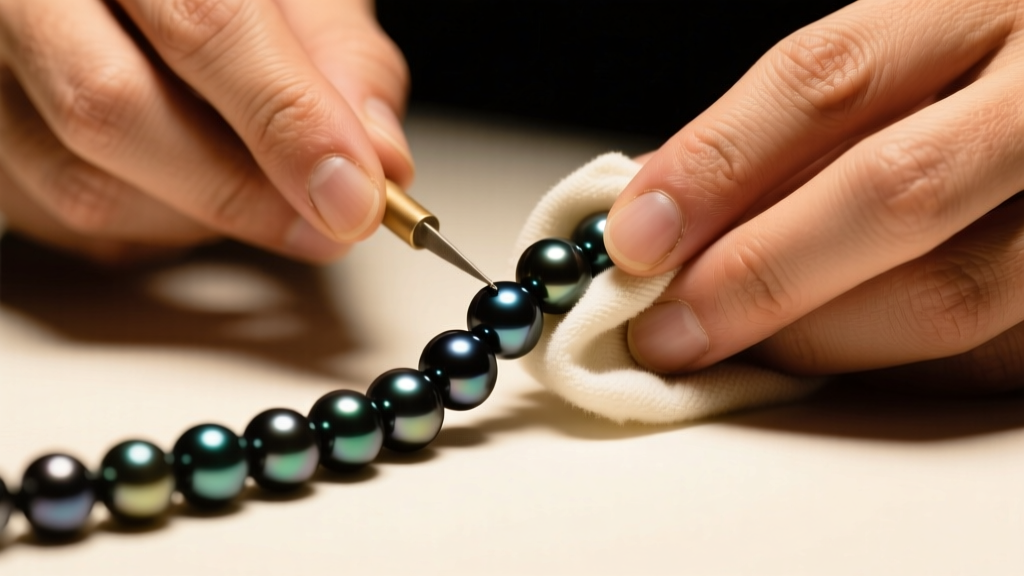
- The Dry Wipe (Daily): Use a clean, untreated, lint-free microfiber cloth. Gently pass each pearl through the cloth to remove surface sebum. Do not pull on the silk.
- The Damp Triage (Monthly or as needed): Dampen a soft cloth with distilled water (tap water contains chlorine and minerals that can spot the nacre). If cosmetic buildup is severe, add a single drop of pH-neutral, unscented liquid castile soap to the damp cloth.
- The Drying Phase: Lay the necklace flat on a dry, absorbent cotton towel in a cool, shaded room. Never hang a wet pearl necklace. Wet silk stretches under the weight of the pearls, which will ruin the knot spacing and cause the necklace to sag permanently.
For deep-set grime in the drill holes, do not use toothpicks or metal needles, which can chip the nacre from the inside. Instead, use a soft, dry interdental brush or compressed air to dislodge debris.
Structural Troubleshooting: Silk Rot and Knot Spacing
Sometimes, the 'dirty' appearance of a pearl necklace is actually a structural failure. Traditional pearl necklaces are strung on 100% natural silk thread (often Size E or F, depending on the drill hole diameter). Silk is a protein fiber, much like conchiolin, and it is highly susceptible to biological degradation.
If you notice dark, grayish streaks appearing between the pearls, your silk is rotting. This is caused by a combination of moisture, skin flora, and trapped cosmetics. According to experts at Pearl Paradise, a frequently worn pearl necklace should be professionally restrung every 12 to 18 months. In 2026, some jewelers offer synthetic alternatives like Power Pro thread, which resists moisture and stretching, but traditionalists still prefer natural silk because it is softer and less likely to abrade the delicate rims of the pearl drill holes over decades of wear.
The 'Last Pearl' Test
To test if your necklace requires immediate restringing, gently pull the pearls apart near the clasp. If you can see more than 1 millimeter of exposed thread between the pearl and the knot, the silk has stretched and weakened. The necklace is a breakage risk and should be taken off immediately until it can be serviced by a professional bench jeweler.
Storage: Preventing Environmental 'Dirt'
How you store your pearls dictates how quickly they attract and hold onto environmental pollutants. Never store pearls in airtight plastic bags or PVC-lined jewelry boxes. Plastics off-gas volatile organic compounds (VOCs) that can react with the pearl's surface, causing a cloudy, irreversible film. Furthermore, pearls require ambient moisture. Storing them in a dry safety deposit box for years will cause the conchiolin to dry out, leading to micro-cracking and severe yellowing. Store them in a breathable, untreated linen or cotton pouch, and consider placing a small, damp sponge in the corner of the jewelry box (not touching the pearls) to maintain a 45% relative humidity environment.
Conclusion
While the internet may use the phrase 'pearl necklace meaning dirty' as a crude joke, the reality of maintaining these organic gems is a serious, science-backed endeavor. A dirty pearl is a decaying pearl. By understanding the chemical vulnerabilities of aragonite and conchiolin, avoiding acidic cosmetics, and adhering to strict, non-abrasive cleaning protocols, you can ensure your pearls retain their legendary luster for generations. Treat your pearls as the living, breathing organic artifacts they are, and they will reward you with a timeless, unmatched elegance.


