Pink Glass Necklace Value Guide: What to Pay in 2026
Discover the true market value of a pink glass necklace in 2026. Learn to authenticate Murano, Czech, and uranium glass and avoid overpaying.

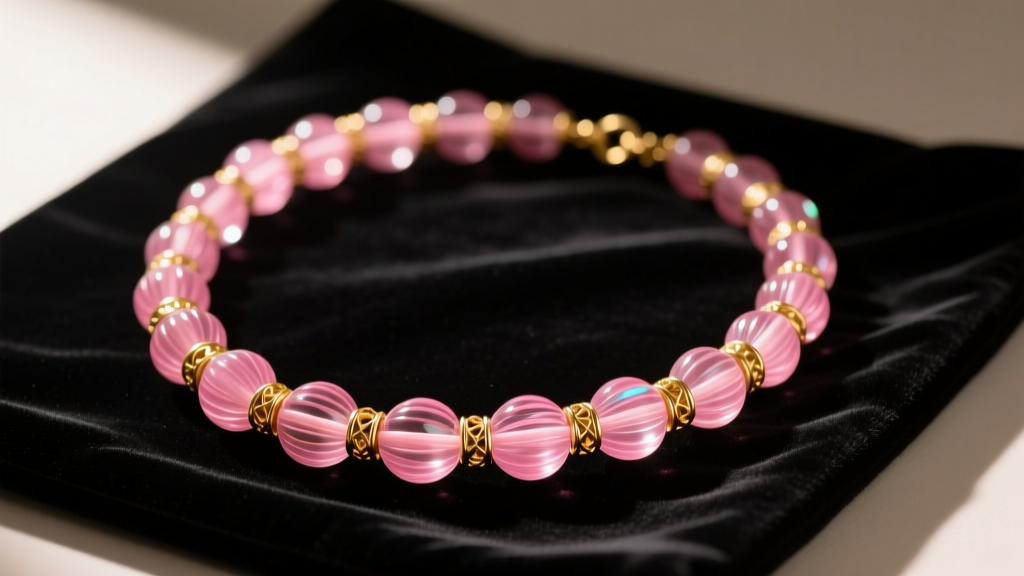
The Allure and Economics of Pink Glass Jewelry
The market for vintage and artisan glass jewelry has seen a massive resurgence, with collectors and fashion enthusiasts alike hunting for the perfect statement piece. Among the most sought-after items is the pink glass necklace, a versatile accessory that ranges from $15 fast-fashion reproductions to $2,500 mid-century masterpieces. But how do you tell the difference? In 2026, navigating the secondary market requires a sharp eye for material grades, manufacturing techniques, and hardware quality. Whether you are browsing estate sales, online auction houses, or artisan boutiques, understanding the true value of pink glass is essential to avoid overpaying for mass-produced resin disguised as heritage glass.
According to the Corning Museum of Glass, the value of glass jewelry is dictated by its manufacturing complexity, origin, and the rarity of its colorants. Pink glass, historically achieved using gold chloride (cranberry glass) or selenium, carries a premium over standard cobalt or amber hues due to the cost of raw materials and the precise temperature control required during the melting process.
Decoding the Types of Pink Glass (And Their Price Tags)
Not all pink glass is created equal. The first step in assessing value is identifying the specific type of glass and its manufacturing origin. Here is a breakdown of the three most common categories you will encounter in the 2026 market.
1. Murano Sommerso & Art Glass
Originating from the Venetian island of Murano, sommerso (meaning "submerged") is a technique where layers of contrasting glass are dipped into one another without mixing. A high-end Murano pink glass necklace often features a core of vibrant rose or amethyst submerged in thick, clear lead glass. These pieces are heavy, cold to the touch, and feature polished pontil marks or smooth, hand-finished bead holes. Genuine mid-century Murano necklaces by houses like Seguso or Barovier & Toso command prices between $300 and $1,500, depending on the clasp and provenance.
2. Czech Pressed & Bohemian Glass
The Gablonz region of the Czech Republic has been the epicenter of pressed glass bead manufacturing since the 19th century. Czech pink glass beads are typically molded, featuring high lead content for exceptional light refraction. While beautiful, they are mass-produced. You can identify them by the faint vertical mold seam lines running down the sides of the beads. A vintage Czech pink glass necklace is a fantastic budget option, typically valued between $40 and $120.
3. Uranium & Vaseline Glass (Pink Variants)
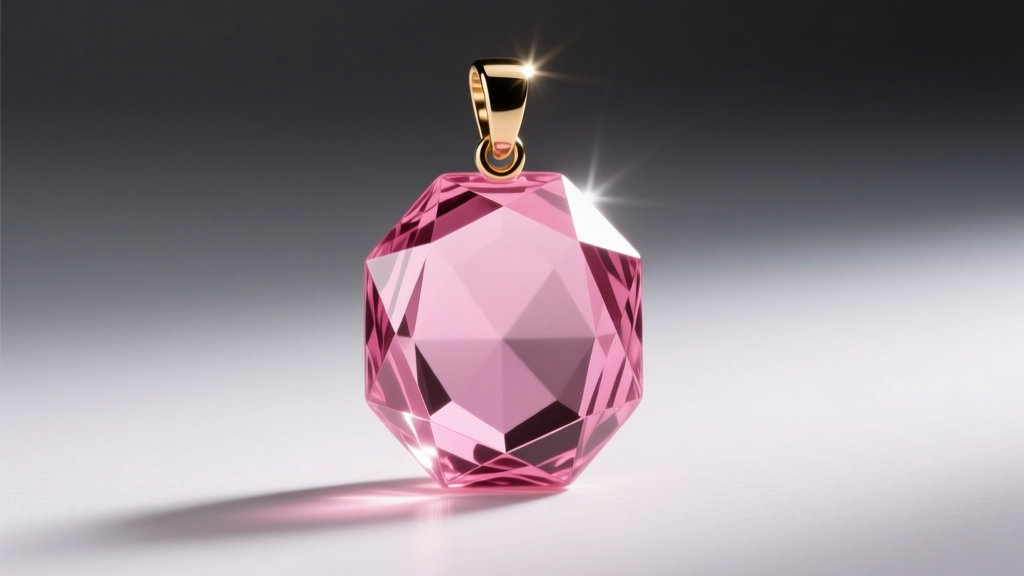
While uranium glass is famously known for its neon yellow-green hue, certain formulations containing uranium oxide mixed with other colorants produce a pale, custard-like pink that fluoresces brilliantly under UV light. These pieces, often dating back to the 1920s and 1930s Depression era, are highly collectible. A verified pink uranium glass necklace usually ranges from $150 to $450, heavily dependent on the complexity of the bead cuts and the condition of the original hardware.
2026 Market Pricing Matrix: What Should You Actually Pay?
Use this decision framework to evaluate whether a seller's asking price aligns with current market realities. This matrix assumes the necklace is in excellent condition with no chipped beads or broken clasps.
| Glass Type | Origin / Era | Key Identifiers | Fair Market Range (2026) | Investment Grade? |
|---|---|---|---|---|
| Cranberry / Gold Ruby | Victorian / Edwardian | Deep pink hue, hand-blown, uneven bead holes | $800 - $3,000+ | Yes (High) |
| Murano Sommerso | Mid-Century (1950s-70s) | Submerged layers, heavy weight, polished finish | $300 - $1,500 | Yes (Medium) |
| Pink Uranium Glass | Depression Era (1920s-30s) | Glows bright green under 365nm UV light | $150 - $450 | Yes (Niche) |
| Czech Pressed | Mid-Century to Modern | Faceted, visible mold seams, high refraction | $40 - $120 | No (Wearable Art) |
| Modern Resin / Acrylic | Contemporary Fast Fashion | Lightweight, warms to skin quickly, seam lines | $10 - $35 | No |
Authentication & Quality Checkpoints
When evaluating a pink glass necklace, reliance on visual appeal alone will lead to costly mistakes. Resin and modern acrylics are frequently dyed and molded to mimic vintage glass. Use these specific, actionable checkpoints to verify authenticity.
The Tactile and Thermal Test
Glass is a thermal conductor, meaning it feels noticeably cool to the touch when first picked up and takes time to warm to your body temperature. Resin and plastic feel room-temperature or slightly warm immediately. Furthermore, glass has a distinct density; a genuine Murano or lead-crystal Czech necklace will feel substantially heavier than a similarly sized acrylic piece.
UV Fluorescence Testing
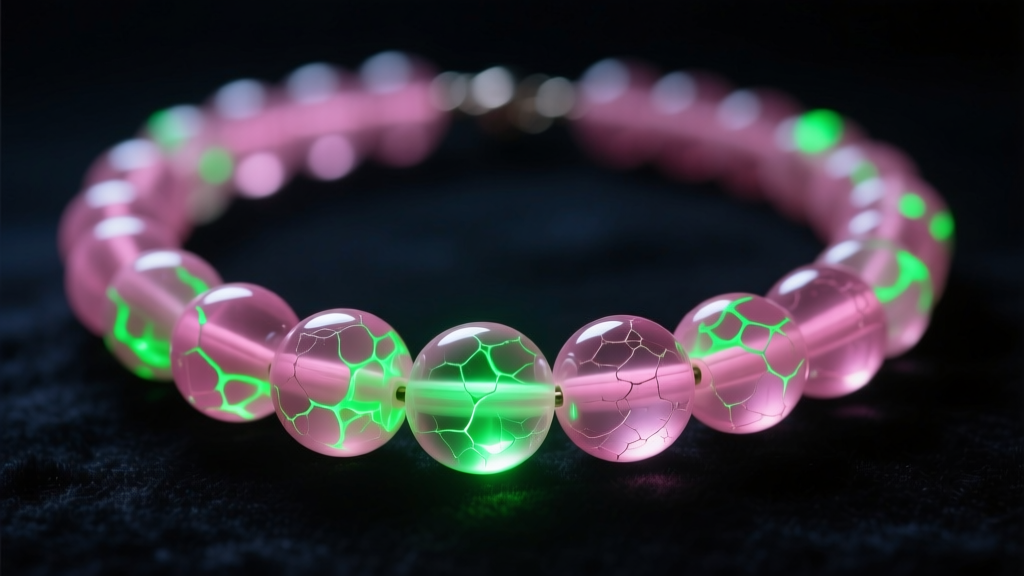
If a seller claims a piece is vintage uranium glass, you must verify it. Do not rely on a standard 395nm UV flashlight, which often yields a weak, muddy reaction. Invest in a 365nm UV flashlight (typically $25-$40). True uranium glass will react with a piercing, bright neon green glow that is unmistakable even in low ambient light. The GIA Gem Encyclopedia notes that while some modern glass uses synthetic fluorescent agents, the specific spectral reaction of uranium oxide is unique and easily identifiable to trained eyes.
Examining the Bead Holes
Turn the necklace over and inspect the drill holes. Hand-blown or lampworked glass beads often feature slightly uneven, asymmetrical holes, and you may find tiny "seeds" (air bubbles) trapped near the drill site. Machine-pressed beads will have perfectly uniform, sharp-edged holes. If the holes are smooth, slightly melted, or show signs of mold flashing, you are likely looking at modern synthetic materials.
Hardware and Stringing: The Hidden Value Drivers
A $500 Murano glass necklace strung on cheap elastic is a massive red flag. The hardware and stringing materials dictate not only the longevity of the piece but also its resale value. Here is what you must look for:
- Stringing Material: Vintage pieces were often strung on cotton or silk thread, which degrades, stretches, and rots over time. If buying a vintage piece, factor in a $50-$100 restringing cost. Modern high-end artisan pieces should be strung on 49-strand micro-wire (like Soft Flex) coated in nylon, which prevents kinking and supports the heavy weight of glass beads without snapping.
- Clasp Quality: Look for 925 sterling silver, 14k gold-filled, or heavy gold vermeil hardware. Base metals (like brass or copper alloys) will oxidize, turning the wearer's skin green and significantly lowering the piece's value. Vintage fold-over clasps or push-box clasps are highly desirable and indicate a higher original manufacturing tier compared to modern, cheap lobster claws.
- Knotting: For heavy glass bead necklaces, individual knotting between beads (using silk or synthetic cord) is a hallmark of luxury. It prevents bead-on-bead friction, which can chip the glass over time, and ensures that if the strand breaks, you only lose one bead rather than the entire necklace.
"Never pay art-glass prices for a necklace held together by craft-store elastic. The hardware should reflect the craftsmanship of the glass itself."
Investment vs. Costume: Making the Right Purchase
Ultimately, your budget should align with your goals. If you are seeking a durable, everyday accessory that captures the vintage aesthetic without the anxiety of wearing a museum piece, a high-quality Czech pressed pink glass necklace in the $60 to $90 range is an exceptional value. However, if you are building an investment-grade jewelry portfolio, focus your capital on verified mid-century Murano sommerso or Victorian cranberry glass, ensuring the pieces come with documented provenance and are strung on professional-grade micro-wire. By applying these strict material and structural assessments, you can confidently navigate the 2026 market and secure a pink glass necklace that holds both aesthetic and financial value.


