Best Pirates Caribbean Necklace Materials: Silver, Brass & Steel
Discover the best metals and cords for a durable pirates Caribbean necklace. We compare oxidized silver, brass, and steel for lasting nautical style.

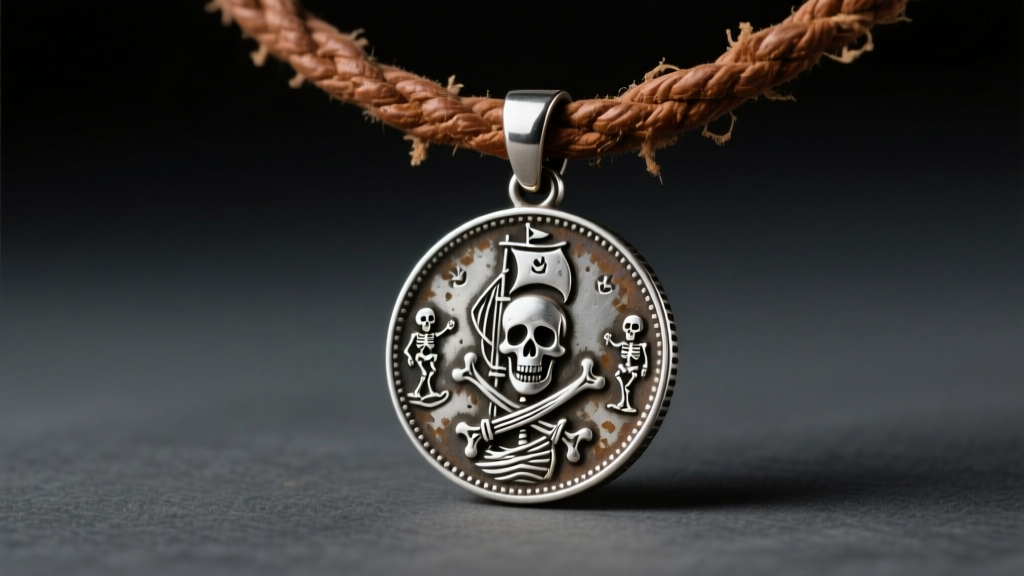
The rugged, nautical-inspired aesthetic popularized by blockbuster cinema has cemented the pirates caribbean necklace as a staple in alternative and heritage fashion. However, the market is flooded with cheap, mass-produced costume jewelry that tarnishes poorly, breaks under the weight of heavy pendants, and causes severe skin irritation. In 2026, discerning collectors and everyday wearers alike are moving away from mystery pot metals, demanding authentic materials that age gracefully and withstand the elements.
Whether you are drawn to the heavy drape of a Spanish doubloon replica, the intricate detailing of a nautical compass, or the macabre charm of a weathered skull pendant, understanding the metallurgical properties and cordage mechanics of your jewelry is essential. This comprehensive guide breaks down the exact materials, failure modes, and maintenance protocols required to build a pirate-inspired necklace collection that lasts a lifetime.
The Anatomy of an Authentic Nautical Aesthetic
The visual language of pirate and privateer jewelry relies heavily on texture, weight, and a sense of history. Unlike high-polish contemporary jewelry, nautical pieces demand a 'lived-in' appearance. This is achieved through specific design motifs—such as ship wheels, kraken tentacles, flintlock mechanisms, and tarnished coinage—paired with materials that naturally develop a patina over time. The goal is to simulate artifacts recovered from a shipwreck, which requires metals that can be safely oxidized and cords that mimic historical rigging and leatherwork.
Core Metal Comparison: Silver, Brass, Steel, and Pewter
Choosing the right base metal dictates the longevity, weight, and skin safety of your pendant. Below is a comparative analysis of the four most common metals used in high-quality nautical jewelry.
| Material | Hardness (Mohs) | Tarnish / Patina Profile | Avg Price Range (Pendant) | Skin Safety |
|---|---|---|---|---|
| .925 Sterling Silver | 2.5 - 3.0 | Develops rich black/brown oxidation | $80 - $250+ | Excellent (Hypoallergenic) |
| Solid Brass | 3.0 - 4.0 | Develops green verdigris, darkens | $40 - $120 | Poor (Can cause green skin) |
| 316L Stainless Steel | 5.5 - 6.0 | Resists tarnish; requires PVD for black | $30 - $90 | Excellent (Surgical grade) |
| Lead-Free Pewter | 1.5 - 2.0 | Soft gray patina, dulls over time | $50 - $150 | Good (If certified lead-free) |
Deep Dive into Metallurgical Properties
.925 Sterling Silver: The Premium Standard
Sterling silver is an alloy consisting of 92.5% pure silver and 7.5% copper. According to the Gemological Institute of America (GIA), the addition of copper provides the necessary structural integrity for jewelry, as pure silver is too soft for daily wear. In the context of a pirates caribbean necklace, the copper content is actually a benefit: it reacts beautifully with liver of sulfur to create deep, permanent black oxidation in the recesses of skull or coin pendants, highlighting the intricate details while leaving the high points polished.
Solid Brass: Historical Accuracy with Caveats
Brass (an alloy of copper and zinc) was widely used in historical maritime instruments like astrolabes and compasses. It offers a beautiful, warm golden hue that darkens to a rich brown. However, brass reacts with the chlorides and urea in human sweat, producing copper chelates that transfer to the skin as a harmless but unsightly green stain. If you opt for a heavy brass doubloon pendant, apply a micro-crystalline wax (like Renaissance Wax) to the back of the piece to create a barrier between the metal and your skin.
316L Stainless Steel: The Indestructible Option
For those who want a dark, brooding aesthetic without the maintenance of silver, 316L surgical stainless steel is the modern solution. It contains molybdenum, which drastically increases its resistance to corrosion and pitting from saltwater and sweat. Because steel cannot be chemically oxidized black like silver, manufacturers use PVD (Physical Vapor Deposition) to apply a permanent black titanium nitride coating. While highly durable, PVD coatings can eventually wear thin on the highest friction edges over several years of heavy use.
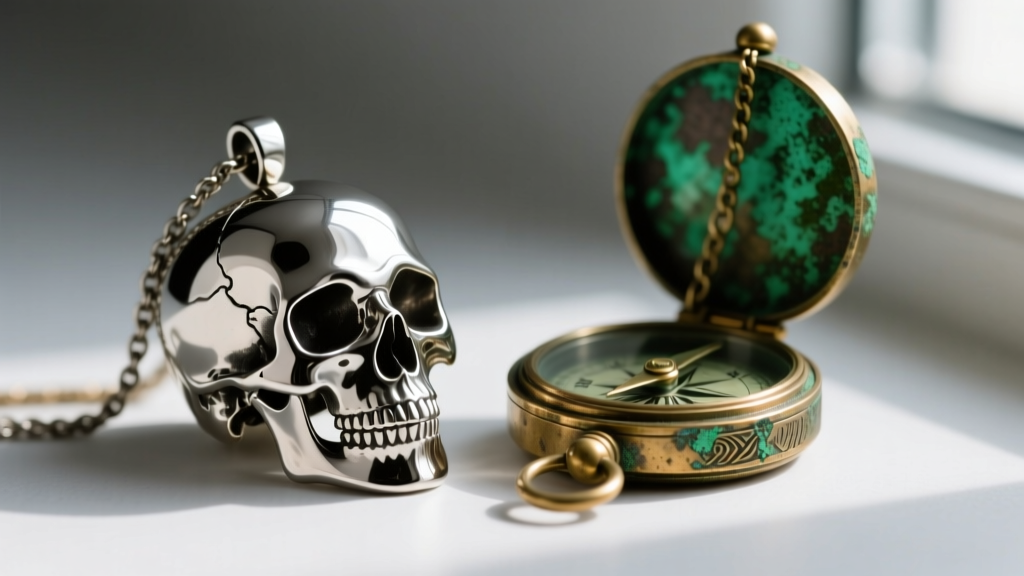
Skin Sensitivities: Nickel, Copper, and Contact Dermatitis
A critical failure of cheap, imported 'pirate' jewelry is the hidden presence of nickel, used as a brightening agent in low-grade alloys. Nickel allergy is one of the most common causes of allergic contact dermatitis, resulting in red, itchy, and blistering skin beneath the pendant. When shopping for nautical jewelry, always verify that the piece is explicitly marked 'nickel-free.' While .925 silver and 316L steel are generally safe, vintage-style pewter must be verified as modern, lead-free, and nickel-free Britannia pewter (typically 92% tin, 6% antimony, and 2% copper). The Silver Institute notes that proper hallmarking is your best defense against mystery alloys that trigger dermatological reactions.
Cordage and Suspension: Tensile Strength Matters
The pendant is only half the equation; the suspension system must support the weight and aesthetic of the piece. A heavy, 50-gram solid brass compass will quickly snap a flimsy 1mm cotton cord or stretch a thin chain beyond repair.
Genuine Leather vs. Waxed Cotton
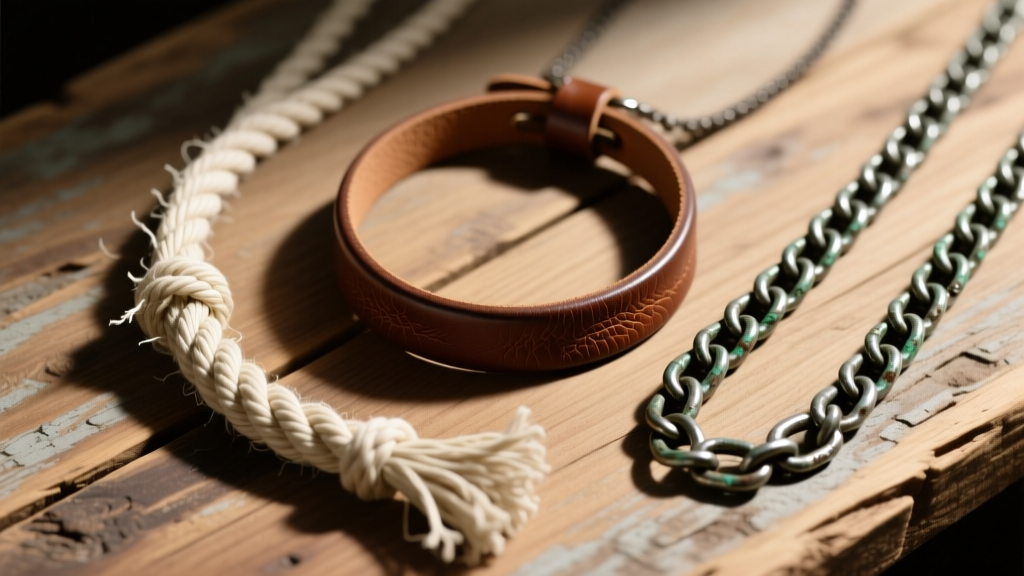
- Braided Leather (2.5mm - 3.5mm): The quintessential choice for pirate jewelry. Genuine calfskin or kangaroo leather offers immense tensile strength and develops a beautiful, supple patina as it absorbs natural skin oils. Avoid 'bonded leather,' which is essentially leather dust glued together and will peel and snap when exposed to sweat and humidity.
- Waxed Cotton (2mm - 3mm): A highly water-resistant alternative to leather. The wax coating prevents the cotton fibers from rotting when exposed to rain or seawater, making it ideal for active wearers. It provides a more historical, rigging-like appearance compared to the smoother finish of leather.
- Stainless Steel Rolo Chains: For a more structured look, a 3mm to 4mm 316L stainless steel rolo or curb chain provides indestructible support for heavy silver or pewter pendants, though it lacks the organic, rugged feel of cordage.
Achieving the Weathered Patina Safely
The 'cursed' or weathered look is highly sought after in nautical jewelry. If you purchase a bright, polished silver skull pendant and wish to age it, you can do so safely at home using a liver of sulfur solution. By diluting a small amount of the compound in warm water and dipping the pendant for 30 to 60 seconds, the silver will rapidly oxidize to a deep black. You can then use a polishing cloth to gently buff the raised edges, leaving the recesses dark and creating a striking, high-contrast antique finish. Never use harsh acids or bleach, as these can cause micro-pitting and structural weakening of the metal over time.
Hardware Failure Modes in Heavy Pendants
The most common point of failure in a heavy pirates caribbean necklace is the hardware connecting the pendant to the cord. Standard, unsoldered jump rings (the small circular rings that hold the pendant) will easily pull apart under the dynamic stress of walking or running.
When evaluating a piece, inspect the bail or jump ring. If it is a simple split ring, take it to a local jeweler to have it soldered shut, or replace it with a heavy-duty, wire-wrapped loop. Furthermore, avoid standard spring-ring clasps for thick leather cords; the internal springs rust and fail, and the small tabs are difficult to operate with thick cords. Instead, opt for a solid stainless steel or sterling silver lobster clasp, or a toggle clasp, which relies on mechanical geometry rather than a fragile spring mechanism to stay closed.
Final Verdict: Building Your Repertoire
Investing in a high-quality nautical necklace requires looking past the initial design and scrutinizing the material science beneath it. For heirloom-quality pieces that can be chemically oxidized and passed down, .925 sterling silver remains the undisputed champion. For historical warmth and a lower price point, solid brass is excellent, provided you manage the verdigris and skin contact. Meanwhile, 316L stainless steel offers a modern, indestructible alternative for those who demand zero maintenance. By pairing these premium metals with heavy-gauge braided leather or waxed cotton, and ensuring your hardware is soldered and secure, your pirate-inspired jewelry will weather the storms of daily wear with authentic, rugged grace.


