Pirates of the Caribbean Necklace: 2026 Trend & Style Guide
Discover how to style a Pirates of the Caribbean necklace in 2026. Explore material grades, layering techniques, and piratecore trends.

The Evolution of the Buccaneer Aesthetic in 2026
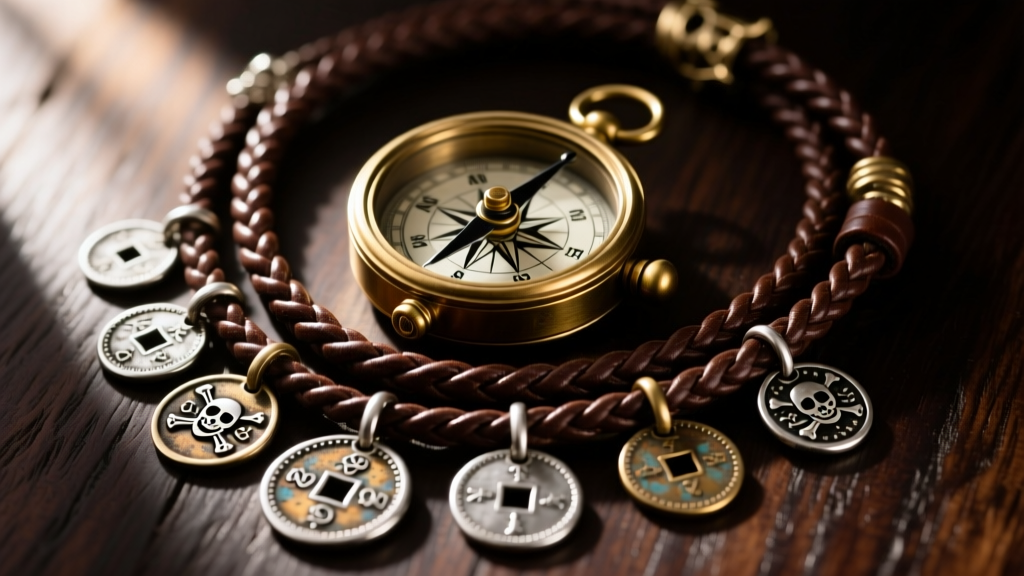
When searching for the perfect pirates of the caribbean necklace, modern collectors and fashion enthusiasts are no longer settling for cheap plastic cosplay props. As we navigate the 2026 fashion landscape, the 'piratecore' and dark-nautical aesthetics have matured from cinematic novelty into a sophisticated subgenre of heritage and artisanal jewelry. The buccaneer aesthetic relies on juxtaposing distressed, oxidized metals with organic, weathered textiles to create a narrative of maritime travel and historical rebellion.
Whether you are channeling the chaotic layering of Captain Jack Sparrow or the heavy, imposing silverwork of Hector Barbossa, translating these cinematic looks into everyday menswear and gender-neutral fashion requires a strict adherence to material quality and proportional layering. Below, we break down the exact anatomy, material grades, and styling frameworks required to master this trend.
The Anatomy of a Cinematic Pirate Necklace
The iconic necklaces featured in the franchise are not single pieces; they are curated stacks of historical talismans, maritime tools, and plundered currency. To replicate this authentically, you must understand the three core pillars of pirate jewelry design:
- Plundered Currency (Coins & Doubloons): The centerpiece of most pirate stacks. Authentic replicas of Spanish 'Pieces of Eight' or gold doubloons serve as the focal point. In high-end 2026 interpretations, these are cast in heavy naval brass or oxidized sterling silver, featuring irregular, hand-hammered edges to simulate centuries of circulation.
- Maritime Talismans: Compasses, skeleton keys, monkey paws, and skull motifs. These pieces are typically smaller (15mm - 25mm) and act as mid-layer accents rather than primary pendants.
- Organic & Distressed Cords: Unlike the high-polish cable chains of modern minimalism, pirate necklaces utilize 1.5mm to 3mm braided leather, hemp, or waxed Irish linen cords, often finished with bone, wood, or tarnished silver beads.
Material Grades & Authenticity: What to Buy
The biggest mistake consumers make when buying into the piratecore trend is purchasing zinc-alloy costume jewelry. Zinc alloy (Zamak) cannot develop a true patina; instead, its painted 'antique' finish chips and flakes, revealing a bright, cheap silver underlayer. For a piece that ages like a genuine maritime artifact, refer to the material matrix below:
| Material | Grade / Specification | Patina Potential | Price Range (USD) | Best Application |
|---|---|---|---|---|
| Zinc Alloy (Zamak) | Costume Grade | Low (Paint chips/flakes) | $15 - $45 | Short-term cosplay |
| Naval Brass | C46400 Alloy | High (Develops verdigris) | $60 - $180 | Everyday rugged wear |
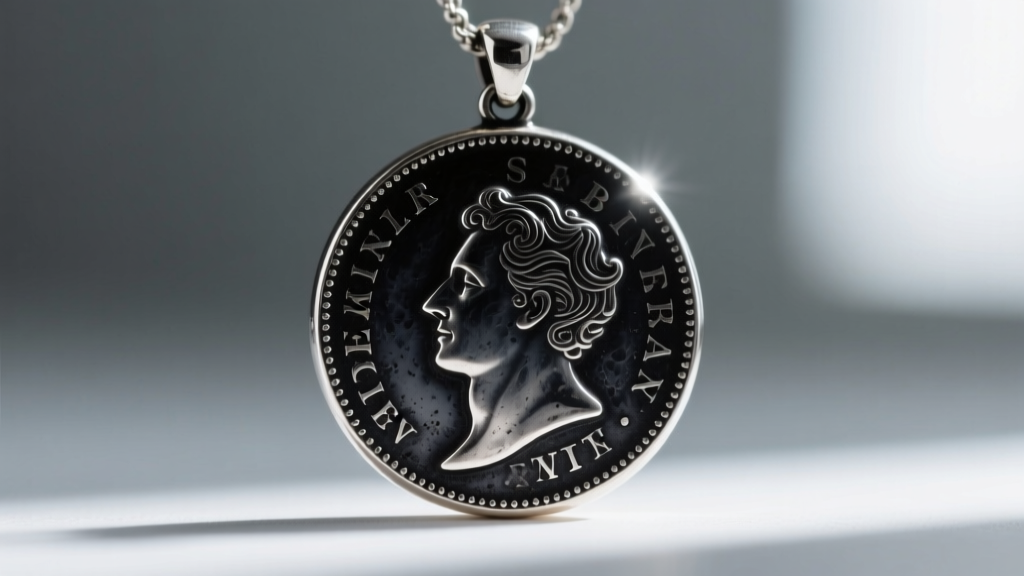
| Oxidized Silver | .925 Sterling (Liver of Sulfur) | Very High (Deep black crevices) | $180 - $600+ | Fine heritage jewelry |
| Solid Gold | 14k or 18k Yellow Gold | Low (Maintains bright luster) | $1,200 - $4,000+ | Luxury nautical accents |
For the most authentic cinematic look, oxidized .925 sterling silver is the gold standard. Jewelers use liver of sulfur to force a black oxidation into the engraved crevices of the metal, while leaving the raised edges bright. According to Rio Grande's guide on silver oxidation, this chemical reaction creates a permanent, durable contrast that mimics decades of grime and saltwater exposure without compromising the structural integrity of the silver.
The 2026 'Captain' Layering Framework
Wearing a single heavy coin pendant on a leather cord leans slightly towards a festival costume. The true cinematic magic lies in the 'Rule of Odds' layering technique, utilizing three distinct lengths and textures to create depth without tangling. Here is the exact blueprint for a balanced, high-fashion pirate stack:
Layer 1: The Base (18 - 20 Inches)
Start with a 1.5mm dark brown braided leather cord or a 2mm oxidized silver rolo chain. This layer should sit close to the collarbone. Keep the pendant minimal: a small 10mm bone bead, a simple silver ring, or a tiny carved wooden talisman. This grounds the stack and provides a dark, neutral backdrop.
Layer 2: The Mid-Accent (22 - 24 Inches)
This is where you introduce metallic texture. Use a 2.5mm oxidized sterling silver rope chain. The twisted links of a rope chain catch the light beautifully and mimic the look of ship's rigging. Attach a mid-sized maritime motif here—a 20mm vintage compass replica or a tarnished silver skeleton key.
Layer 3: The Hero Piece (26 - 28 Inches)
The longest layer draws the eye downward and elongates the torso. Suspend your heaviest piece here: a 35mm to 45mm Spanish doubloon or a large, intricate skull-and-crossbones medallion. Suspend it on a heavy 3mm waxed cotton cord or a thick leather strap. The waxed cotton is highly recommended for 2026, as it resists sweat and water damage far better than raw leather, which can become brittle and snap under the weight of a heavy brass or silver coin.

Maintaining the 'Shipwrecked' Patina
The allure of a pirates of the caribbean necklace lies in its weathered, imperfect finish. However, maintaining intentional oxidation requires specific care. Never use commercial liquid silver dips or ultrasonic cleaners on your pirate jewelry. These harsh chemicals will strip the liver of sulfur oxidation from the crevices, leaving you with a bright, modern, and entirely un-pirate-like piece of jewelry.
Instead, use a dry, untreated microfiber cloth or a specialized silver polishing cloth. Gently rub only the raised, high-polish edges of the coins and talismans. This preserves the deep black shadows in the engravings while keeping the edges bright, ensuring the piece retains its centuries-old maritime illusion.
Historical Context: Beyond the Cinema
While the franchise popularized the aesthetic, the practice of wearing plundered or foreign coinage as jewelry is deeply rooted in actual maritime history. Sailors and privateers frequently converted Spanish reales and gold escudos into pendants, both as a display of wealth and a secure way to carry currency across oceans. The Victoria and Albert Museum's jewelry archives feature numerous examples of 17th and 18th-century coin jewelry, showcasing the exact bezel-settings and wire-wrapping techniques that modern artisan jewelers are reviving today.
By investing in historically accurate materials and employing deliberate layering techniques, you elevate the pirate necklace from a mere movie prop to a compelling, narrative-driven staple of contemporary heritage fashion.


