Pocahontas Necklace Disney: Material & Authenticity Guide
Discover the best materials for a Pocahontas necklace Disney replica. We compare turquoise, howlite, and resin for durability, skin safety, and accuracy.

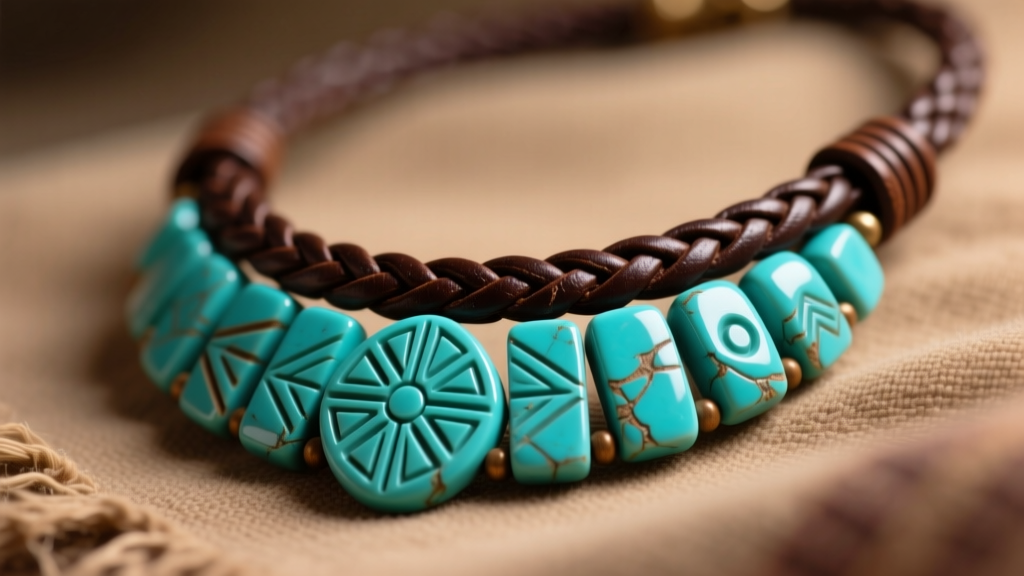
The Iconic Blue Choker: Decoding the Screen-Accurate Design
Since the release of the 1995 animated classic, the iconic blue choker worn by the titular character has remained one of the most recognizable pieces of animated jewelry. As of 2026, the market for screen-accurate cosplay and collector replicas has matured significantly. Fans searching for a pocahontas necklace disney replica are no longer satisfied with brittle, injection-molded plastic toys. Today's collectors and cosplayers demand historical resonance, material integrity, and skin-safe craftsmanship.
While the animated design features a rigid, multi-strand collar of bright robin's-egg blue beads, translating this into wearable reality requires an understanding of mineralogy and jewelry fabrication. Historically, 17th-century Powhatan adornments relied heavily on copper, carved bone, and marine shell, as noted by the Smithsonian National Museum of the American Indian. However, to capture the specific Disney aesthetic, modern artisans turn to blue stones and synthetic alternatives. Understanding the material properties of these replicas is crucial for longevity, comfort, and visual accuracy.
Material Breakdown: What Are Replicas Actually Made Of?
Genuine Stabilized Turquoise (The Artisan Choice)
For high-end, screen-accurate replicas, genuine turquoise is the gold standard. However, natural turquoise is a porous phosphate mineral with a Mohs hardness of just 5 to 6. When worn tight against the neck as a choker, it is constantly exposed to sweat, body oils, and cosmetics. Without treatment, natural turquoise will absorb these oils, darkening and turning green over time.
To prevent this, premium replicas use stabilized turquoise. According to the Gemological Institute of America (GIA), stabilization involves injecting the porous stone with a clear epoxy resin under pressure. This hardens the stone, locks in the vibrant blue color, and allows it to be carved into the uniform, chunky beads required for the Disney design. A high-quality stabilized Sleeping Beauty turquoise replica will feel cool to the touch, possess a satisfying weight, and cost upwards of $150 to $300 depending on the bead size and silver findings.
Dyed Howlite & Magnesite (The Mid-Tier Standard)
If you are browsing mid-tier artisan shops or convention vendor halls, you are likely encountering dyed howlite. Howlite is a calcium borosilicate hydroxide mineral with a stark white base and distinct gray or black webbing. Because it is incredibly porous (Mohs 3.5), it acts as a perfect sponge for synthetic dyes.
The GIA's guide on Howlite notes that it is frequently dyed to imitate turquoise. For the Disney necklace, howlite is an excellent budget alternative, offering the cold thermal conductivity of real stone at a fraction of the price ($40 to $85). The primary failure mode of dyed howlite, however, is dye bleeding. If exposed to highly acidic sweat or alcohol-based perfumes, the blue dye can leach out, staining your skin and clothing.
Cast Resin & Polymer Clay (The Costume Grade)
Mass-produced costume jewelry and budget cosplay gear typically utilize cast polyurethane resin or baked polymer clay. While these materials can be color-matched perfectly to the exact Pantone shade of the animated necklace, they lack the physical properties of stone. Resin beads are exceptionally lightweight, which can make a thick choker feel cheap or unbalanced on the neck. Furthermore, resin warms up to body temperature almost instantly, robbing the wearer of the signature cold stone sensation that defines high-quality beaded jewelry.
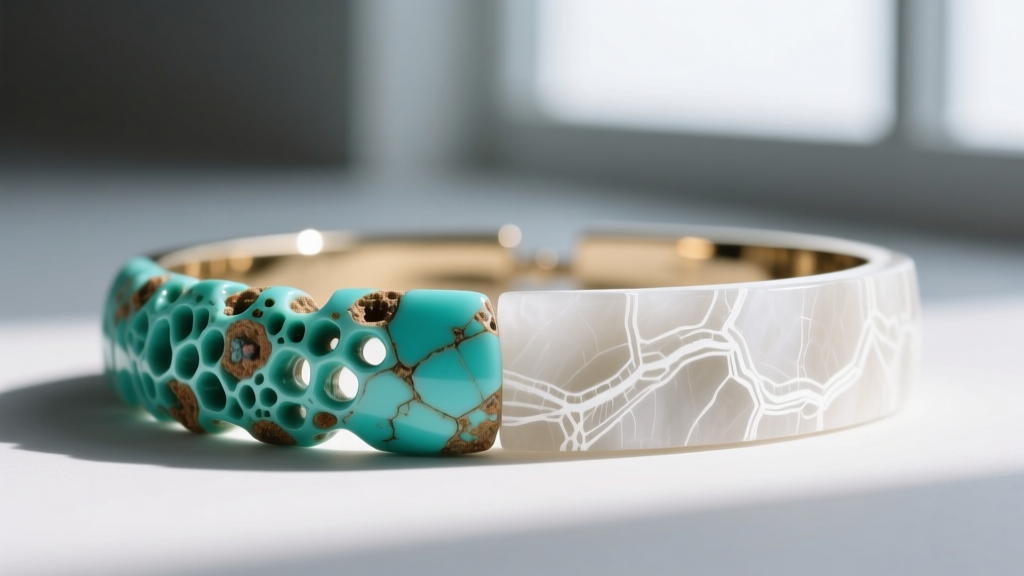
Comparative Analysis: Weight, Porosity, and Skin Reactivity
When selecting your necklace, it is vital to weigh the physical properties of the materials against your intended use case. A weekend at a cosplay convention requires different material tolerances than daily fashion wear.
| Material | Mohs Hardness | Porosity & Sweat Resistance | Thermal Conductivity | Est. Price Range (2026) |
|---|---|---|---|---|
| Stabilized Turquoise | 5.0 - 6.0 | Low (Sealed with Epoxy) | High (Cool to touch) | $150 - $350 |
| Dyed Howlite | 3.5 | Medium (Prone to dye bleed) | High (Cool to touch) | $40 - $90 |
| Dyed Magnesite | 4.0 - 4.5 | Medium (Better dye retention) | High (Cool to touch) | $50 - $110 |
| Cast Resin | 2.0 - 3.0 | Zero (Non-porous) | Low (Warms instantly) | $15 - $35 |
The Cordage Dilemma: Suede vs. Waxed Cotton vs. Nylon
The beads are only half the equation; the cordage dictates the structural integrity of the choker. The animated design implies a thick, braided leather or sinew cord. In reality, genuine leather and suede are highly susceptible to moisture. A leather cord worn tight against the pulse points of the neck will absorb sweat, leading to dry rot, stretching, and eventual snapping.
For a durable, screen-accurate build, jewelers recommend 1.5mm to 2mm waxed cotton cord. Waxed cotton offers the matte, natural texture of sinew but is impregnated with beeswax or paraffin, making it highly water-resistant and immune to rot. It also holds knot-work exceptionally well. If you require absolute tensile strength for a heavy stone bead load, a braided nylon cord is the safest option, though it possesses a slight synthetic sheen that may detract from the historical aesthetic.
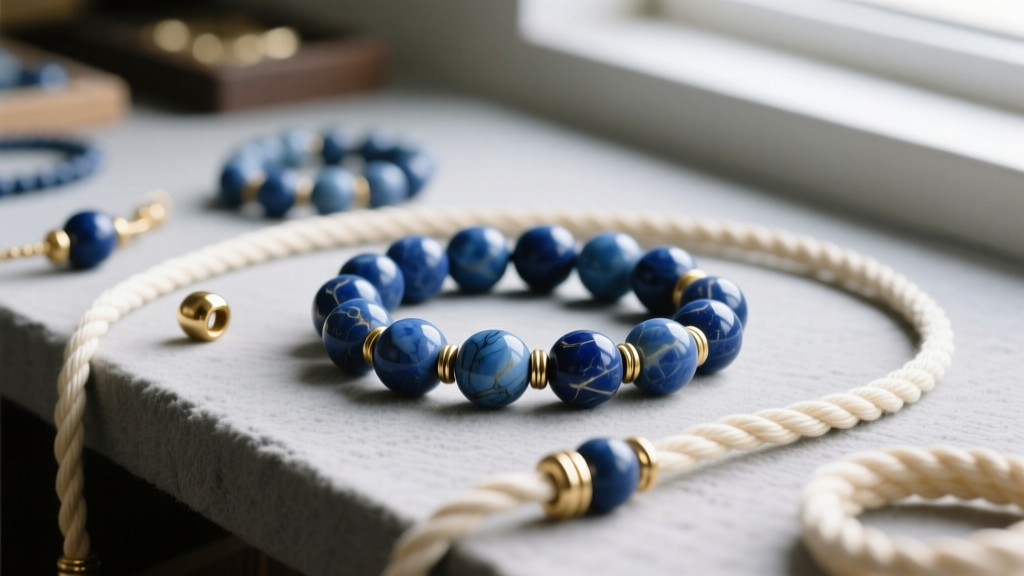
Hardware and Findings: Avoiding Contact Dermatitis
A common oversight in replica jewelry is the use of cheap, mystery-metal clasps and crimp beads. The neck is a highly sensitive area, and prolonged contact with nickel-containing alloys frequently results in contact dermatitis—a red, itchy rash that can ruin a convention weekend.
Always inspect the findings on a pocahontas necklace disney replica. Ensure the clasp, jump rings, and crimp covers are crafted from 316L surgical stainless steel or solid brass. 316L steel is hypoallergenic, highly resistant to tarnish, and strong enough to support the weight of a multi-strand stone collar. Avoid "Tibetan Silver" or "Antique Silver" plated zinc alloys, as the plating will quickly wear off against the skin, exposing the reactive base metals underneath.
Expert Troubleshooting Tip: Before wearing a dyed howlite or magnesite replica for a full day, perform an acetone test. Rub a cotton swab lightly dipped in nail polish remover (acetone) against the back of a single bead. If the swab turns blue, the dye is not sealed. You can salvage the necklace by applying a thin coat of clear jewelry sealant or micro-crystalline wax to the beads before wearing.
Final Verdict: Choosing Your Perfect Replica
The ideal material for your necklace depends entirely on your budget and wear environment. If you are a serious collector or historical-cosplay enthusiast seeking an heirloom-quality piece, invest in stabilized turquoise with solid brass findings and waxed cotton cordage. The weight, temperature, and visual depth of real stone cannot be replicated by synthetic means.
For casual cosplayers or those on a moderate budget, dyed howlite remains the most practical choice, provided you seal the beads to prevent dye transfer. By understanding the mineral properties and structural requirements of this iconic design, you can secure a replica that honors the animation while standing up to the rigors of real-world wear.


