Pooka Shells Necklace Buying Guide: What to Look For
Discover how to spot authentic pooka shells necklaces, evaluate stringing materials, and choose the right length with our expert buying guide.

The Resurgence of the Classic Shell Necklace
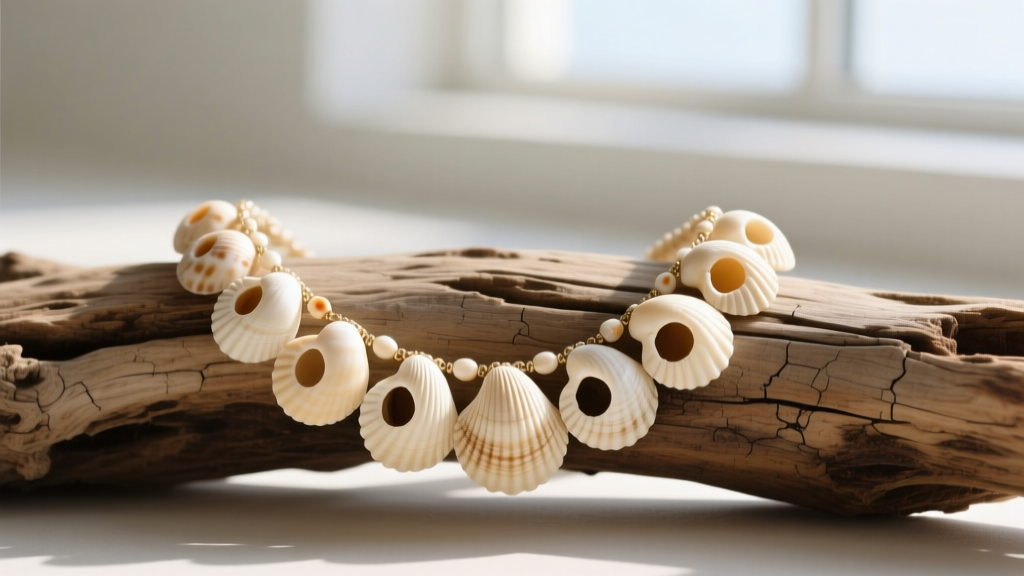
Few jewelry staples carry the cultural weight and effortless coastal appeal of the shell necklace. In 2026, the trend has evolved far beyond the cheap souvenir stands of the early 2000s. Today, discerning collectors and style enthusiasts are seeking out heritage-quality pieces that honor traditional craftsmanship. However, the market is flooded with mass-produced imitations, making it crucial to understand exactly what you are purchasing. Whether you are layering a delicate choker over a linen button-down or investing in a statement-length strand, knowing how to evaluate shell quality, stringing integrity, and hardware is essential for making a smart purchase.
Terminology: Addressing the "Pooka" Misspelling
Before diving into the physical attributes of the jewelry, we must address a common point of confusion: the spelling. The search term "pooka shells necklace" is incredibly common online, but it is a phonetic misspelling. The correct Hawaiian word is puka, which translates literally to "hole." This refers to the naturally occurring hole found in the apex of certain cone snail shells after they have been tumbled by the ocean. When shopping, you will often see retailers using the "pooka" spelling purely for SEO purposes, but authentic Hawaiian artisans and conchologists exclusively use "puka." Understanding this distinction is your first step in separating genuine heritage jewelers from drop-shipped costume jewelry brands.
Conchology 101: How to Spot Authentic Shells
Genuine puka shells are the remnants of cone snails, primarily the Conus miliaris (rice cone) and Conus sponsalis (sponsal cone) species. When the snail dies, the shell washes ashore and is subjected to years of ocean tumbling. This natural process wears away the fragile tip of the spire, creating a smooth, naturally formed hole. According to the Bishop Museum in Hawaii, authentic ocean-tumbled shells possess specific morphological traits that machine-made fakes simply cannot replicate.
The Anatomy of the Hole
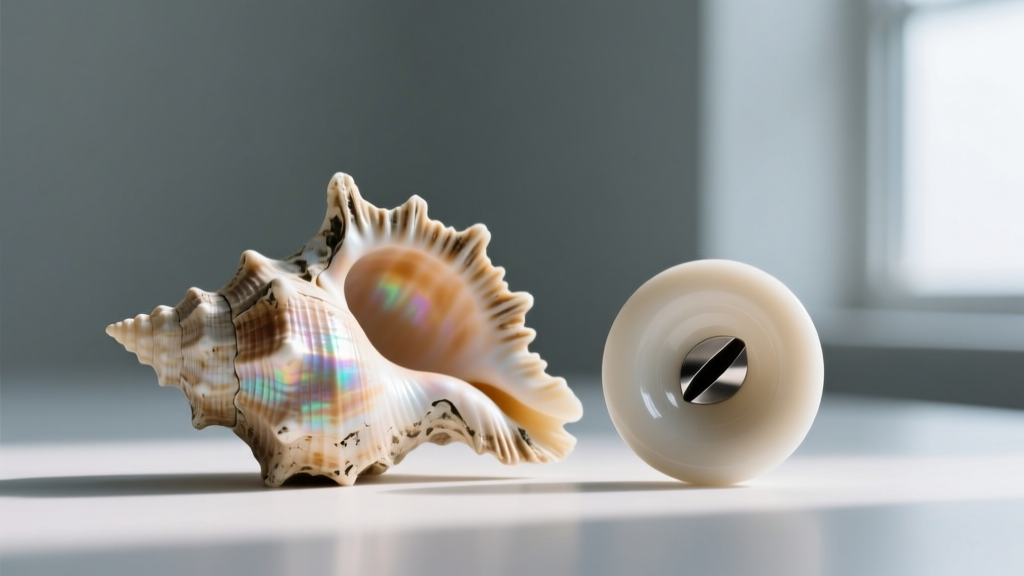
The most definitive test of authenticity lies in the hole itself. A genuine puka shell will have a hole that is naturally concave on one side (the apex) and slightly convex or flared on the other (the body whorl). The edges will be smooth but asymmetrical. Conversely, imitation shells—which are often stamped or cut from thick bivalve shells like clam or oyster—feature perfectly round, machine-drilled holes. If you run your fingernail along the edge of the hole and feel a sharp, uniform 90-degree angle, you are looking at a machine-drilled fake. Furthermore, genuine shells are rarely perfectly matched in size or shape; a necklace with 100% uniform, identical beads is almost certainly made of dyed resin or cut heishi shell.
Stringing Materials and Hardware: The Hidden Failure Points
A common failure mode in commercial shell jewelry is the degradation of the stringing material. Shells are essentially calcium carbonate, ranking at a 3.5 to 4.0 on the Mohs hardness scale. This means they have sharp, microscopic interior edges that can easily saw through weak cords over time. When evaluating a necklace, always inspect the cord and the clasp hardware.
| Stringing Material | Durability & Lifespan | Pros | Cons |
|---|---|---|---|
| Elastic Cord | Low (3-6 months) | Easy to slip on/off; cheap to produce. | Snap-prone; degrades rapidly from UV and skin oils. |
| Cotton/Silk Thread | Medium (1-2 years) | Traditional look; soft drape. | Rot-prone when exposed to saltwater or sweat. |
| Bonded Nylon (e.g., C-Lon) | High (5+ years) | Water-resistant; excellent knot retention; strong. | Requires professional hand-knotting for best drape. |
| 49-Strand Steel Wire (.018") | Very High (10+ years) | Impervious to internal shell abrasion; zero stretch. | Stiffer drape; requires crimp beads and wire guardians. |
For premium pieces, look for hand-knotted bonded nylon with a small overhand knot placed between every single shell. This not only prevents the shells from grinding against each other but also ensures that if the cord breaks, you only lose one bead rather than the entire strand. If the necklace uses beading wire, brands like Soft Flex Company produce 49-strand stainless steel wires that offer the perfect balance of tensile strength and flexibility. Always ensure the clasp is made of 316L surgical stainless steel or solid 14k gold; plated brass will quickly corrode when exposed to the saltwater and sweat typical of beach environments.
Grading, Sizing, and Market Pricing Tiers
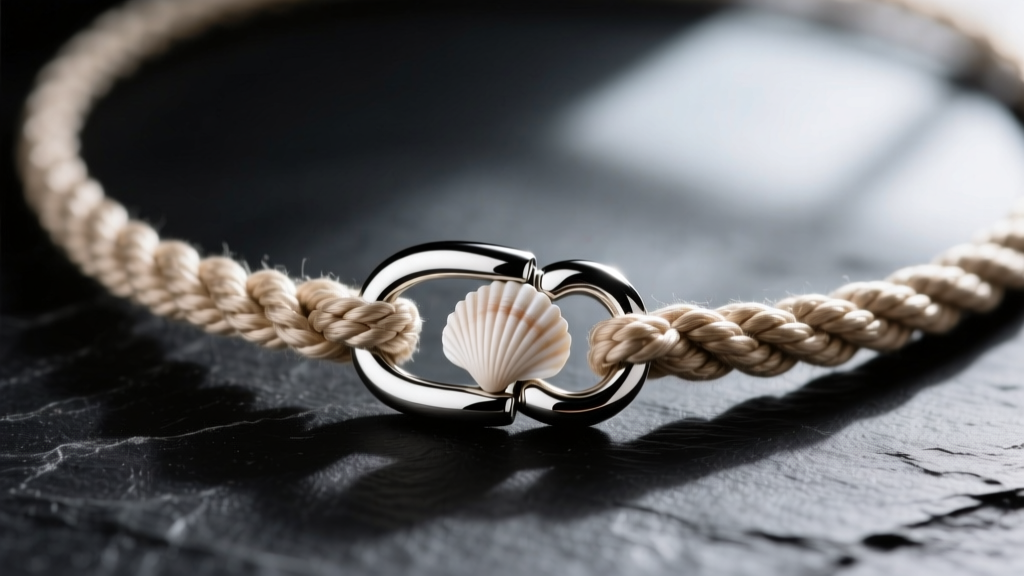
Not all genuine puka shells are created equal. Artisans sort harvested shells into distinct grading tiers based on color, thickness, and edge smoothness. Understanding these tiers will help you contextualize pricing and ensure you are paying a fair market rate.
- Commercial Grade ($15 - $35): These are genuine ocean-tumbled shells but feature heavy size variance, chalky white or yellowed surfaces, and brittle, thin edges. The holes may be heavily asymmetrical, and the stringing is usually basic elastic or unknotted cotton.
- Mid-Tier / Jewelry Grade ($45 - $120): Shells are hand-sorted for a consistent creamy white or soft ivory hue. Sizes are matched within a 1-2mm tolerance (typically 8mm to 12mm in diameter). Edges are thick and smooth, and the necklace will feature quality nylon stringing with a secure lobster clasp.
- Premium / Collector Grade ($150 - $400+): Sourced from specific, protected beaches, these shells are perfectly matched in size, featuring a rare, polished ivory luster without any chalky degradation. They are often paired with solid gold hardware, hand-knotted silk or premium nylon, and may feature accent beads like turquoise or coral.
Styling, Layering, and Long-Term Care
In 2026, the styling approach to shell jewelry has shifted toward elevated juxtaposition. Rather than wearing a puka necklace in isolation, style experts recommend layering a mid-tier 18-inch puka strand with a delicate 20-inch solid gold chain and a 16-inch oxidized silver choker. This mix of organic textures and refined metals creates a sophisticated, bohemian aesthetic that works equally well with a tailored blazer or a casual linen shirt.
Because shells are composed of calcium carbonate, they are highly susceptible to acidic environments. Prolonged exposure to acidic sweat, citrus juices, or alcohol-based perfumes will slowly dissolve the shell's natural luster, leaving it dull and pitted. To maintain your necklace, always apply perfumes and sunscreens before putting on your jewelry. After a day at the beach, gently rinse the necklace in lukewarm fresh water to remove salt and sand, then lay it flat on a towel to air dry. Never use ultrasonic cleaners or harsh chemical dips, as these will permanently damage the organic structure of the shell. With proper care and an eye for authentic craftsmanship, a high-quality puka necklace will remain a timeless staple in your collection for decades.


