Repairing and Cleaning a Vintage Hello Kitty Rhinestone Necklace
Learn how to repair missing stones, fix tarnished plating, and authenticate your vintage Hello Kitty rhinestone necklace with expert tips.

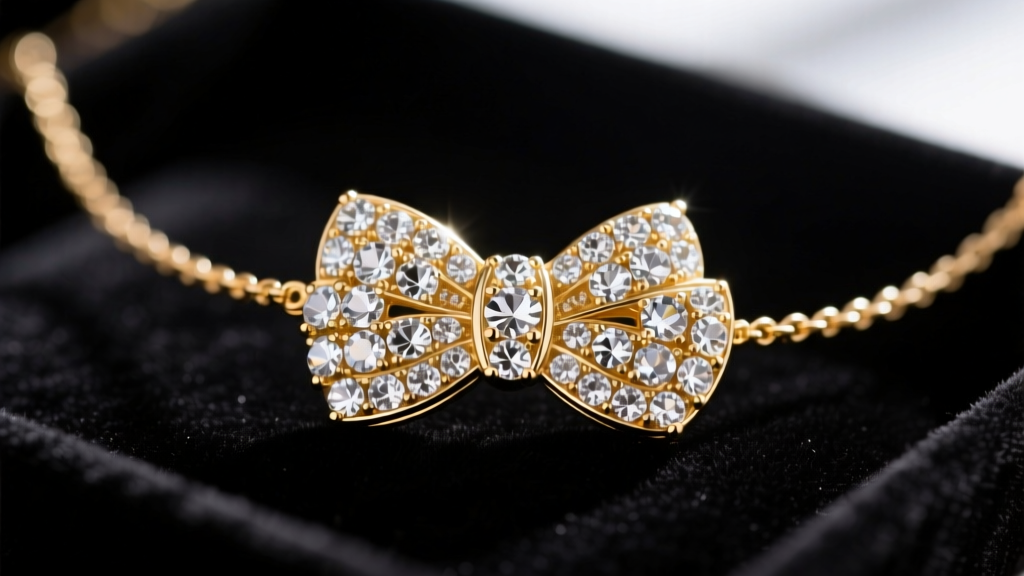
As of 2026, the vintage jewelry market has experienced a massive resurgence in Y2K and 1990s Sanrio collectibles. Among the most coveted pieces is the vintage Hello Kitty rhinestone necklace. However, because these pieces were originally manufactured as affordable costume jewelry, they are highly susceptible to the ravages of time. Tarnished plating, missing pavé crystals, and broken spring-ring clasps are incredibly common issues that collectors face when sourcing these necklaces from estate sales or online auctions.
Restoring a beloved Sanrio pendant requires a delicate touch and an understanding of costume jewelry metallurgy. Unlike fine jewelry, which relies on solid precious metals and prong-set gemstones, vintage Hello Kitty necklaces typically feature brass bases with thin electroplating and foil-backed glass or acrylic rhinestones secured with industrial adhesives. This guide provides a comprehensive, expert-level troubleshooting framework for repairing, cleaning, and authenticating your vintage Sanrio treasures.
The Anatomy of a Vintage Sanrio Pendant
Before attempting any repairs, it is crucial to understand the materials you are working with. Most authentic Hello Kitty necklaces produced between the 1980s and early 2000s feature a solid brass or pewter base metal. This base is then electroplated with a microscopically thin layer of gold-tone or silver-tone finish. The 'rhinestones' adorning Kitty's iconic bow are rarely genuine crystals; they are usually precision-cut glass or high-grade acrylic with a metallic foil backing that creates the illusion of brilliance.
The primary failure mode for these necklaces is moisture ingress. When the original factory adhesive degrades, moisture seeps behind the stone, oxidizing the foil backing. This causes the once-sparkling bow to look dull, gray, or completely black. Understanding this structural vulnerability is the first step in successful restoration.
Troubleshooting Missing or Cloudy Rhinestones
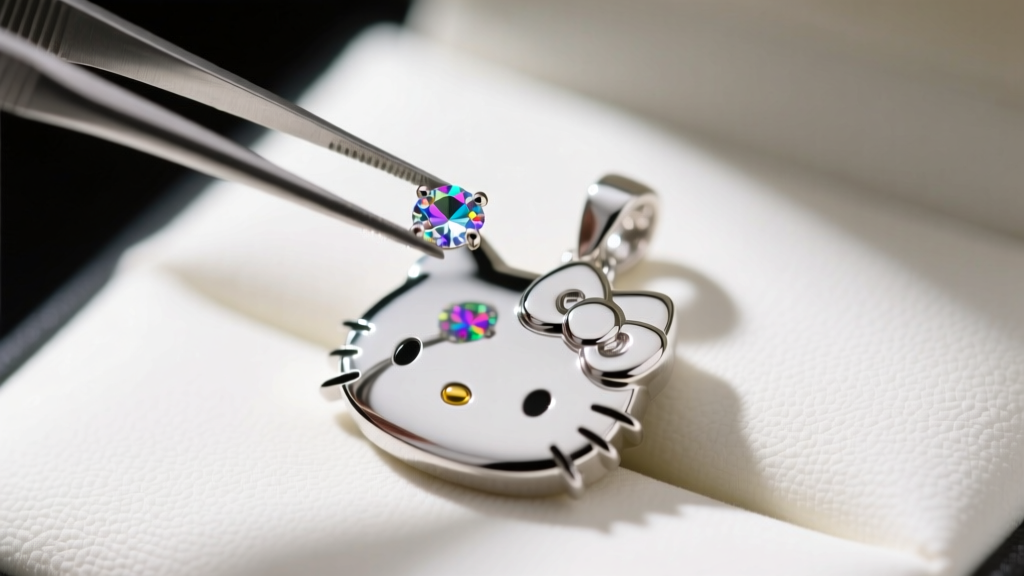
Losing a stone from the pavé bow is the most frequent issue collectors encounter. Replacing it is not as simple as gluing any random crystal into the void. You must match the exact Stone Size (SS) and material composition to maintain the pendant's symmetry and value.
Sourcing the Correct Replacement Stones
Sanrio designers typically utilized specific metric sizes for their pavé work. The main loops of Hello Kitty's bow generally require SS10 (2.8mm) or SS12 (3.2mm) stones, while the center knot or smaller accents might use SS6 (2.0mm). You can source high-quality foil-back glass rhinestones from specialized jewelry suppliers like Rio Grande. Always opt for glass over acrylic for replacements; glass offers superior light refraction and is less prone to scratching during the setting process.
The Chemistry of Adhesives
Choosing the wrong glue can permanently ruin a vintage piece. Here is a breakdown of common jewelry adhesives and their viability for foil-back stones:
- E6000 Jewelry & Bead: While incredibly strong and flexible, E6000 is solvent-based. The solvents can eat through the delicate metallic foil backing of rhinestones, causing them to cloud instantly. Verdict: Avoid for foil-back stones.
- Gem-Tac: A water-based, PVA adhesive that dries completely clear and is entirely safe for foil backings. However, it is not waterproof and will degrade if the necklace is exposed to sweat or humidity. Verdict: Good for display pieces, poor for daily wear.
- Two-Part Clear Epoxy (e.g., Devcon 5-Minute): The professional standard for permanent, waterproof repairs. When mixed correctly, it will not damage the foil and provides a rigid, lasting bond. Verdict: Highly Recommended.
Application Technique: Never apply glue directly from the tube. Squeeze a small drop onto a piece of wax paper, dip the culet (flat bottom) of the rhinestone into the adhesive using wax-tipped tweezers, and gently press it into the empty bezel. Wipe away any excess immediately with a cotton swab dipped in isopropyl alcohol.
Fixing Tarnished Plating Without Ruining the Stones
When the brass base metal oxidizes, it creates a dark, blotchy appearance that bleeds through the thin gold or silver plating. Many well-meaning collectors destroy their vintage Hello Kitty rhinestone necklaces by using harsh chemical dips or ultrasonic cleaners.
According to conservation guidelines referenced by institutions like the Gemological Institute of America (GIA), ultrasonic vibrations are catastrophic for glued costume jewelry. The high-frequency waves will shatter the brittle, decades-old adhesive, causing a cascade of stone loss. Similarly, chemical silver dips will strip the electroplating entirely, leaving you with a raw, pinkish brass pendant.
Safe Cleaning Protocol
The only safe method for cleaning a vintage Sanrio pendant is a gentle, mechanical approach using mild surfactants. Mix a few drops of pH-neutral dish soap (like Dawn) into a bowl of lukewarm distilled water. Submerge the pendant for no more than three minutes to loosen surface oils.
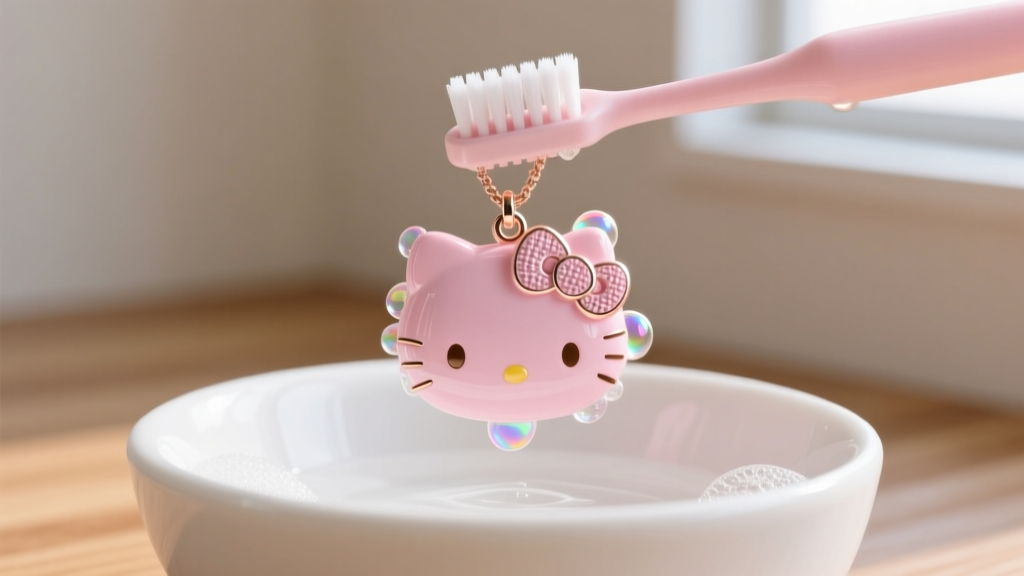
Using an extra-soft baby toothbrush, gently agitate the bristles over the metal surfaces and around the stone settings. Avoid pressing hard on the rhinestones themselves. Rinse briefly under a slow stream of distilled water, and immediately pat dry with a lint-free microfiber cloth. Use a hair dryer on the 'cool' setting to blow out any trapped moisture from beneath the stone settings.
Cleaning Agent Safety Matrix
| Cleaning Agent | Base Metal Safety | Rhinestone/Foil Safety | Expert Verdict |
|---|---|---|---|
| Ultrasonic Cleaner | Safe for solid metals | Destructive (shatters glue) | Never Use |
| Silver Dip / Tarn-X | Strips electroplating | Destroys foil backing | Never Use |
| Baking Soda Paste | Abrasive (scratches) | Scratches glass/acrylic | Avoid |
| Mild Dish Soap & Water | 100% Safe | 100% Safe | Recommended |
Chain and Clasp Repairs
Vintage Sanrio necklaces were often fitted with inexpensive, hollow spring-ring clasps and thin, unsoldered jump rings. Over time, the internal springs fail, and the jump rings pull apart, leading to lost pendants. Upgrading the hardware is a necessary step for making a vintage piece wearable in 2026.
Replace the original spring ring with a high-quality 5mm or 7mm lobster clasp made of stainless steel or gold-filled brass. To attach the new clasp and the pendant to the chain, discard the original flimsy jump rings. Instead, use 20-gauge (0.8mm) or 22-gauge (0.6mm) soldered jump rings. Soldered jump rings have no seam, meaning they cannot be pulled apart by the weight of the brass pendant. Use two pairs of flat-nose pliers to twist the unsoldered jump rings open laterally (never pull them apart outward, which distorts the circle), thread the components, and twist them securely closed.
Authenticating Vintage Sanrio Pieces
With the rising value of vintage Sanrio jewelry, the market is flooded with modern replicas. Authenticating a Hello Kitty rhinestone necklace requires examining three specific details:
- The Copyright Stamp: Genuine vintage pieces will feature a crisp, deeply engraved stamp on the back of the pendant or on the original metal hangtag. Look for '© Sanrio' or '© 1976 Sanrio' (the year Hello Kitty was created). Replicas often omit the copyright symbol, use a modern, thin font, or feature messy, shallow laser etching.
- Weight and Drape: Authentic 1980s and 90s pieces were cast in solid brass or pewter, giving them a substantial, heavy feel. Modern fakes are often stamped from thin sheet metal or cast in lightweight zinc alloys, making them feel suspiciously hollow and light.
- Stone Setting Quality: While vintage costume jewelry isn't perfect, authentic Sanrio pieces feature uniformly sized stones set relatively flush within the metal bezels. Fakes often feature uneven glue overflow, mismatched stone sizes, and rhinestones that sit proudly above the metal rim.
For more historical context on the brand's evolution and official markings, collectors frequently consult the archives available via Sanrio's official channels and dedicated vintage collector databases.
Conclusion
Troubleshooting and restoring a vintage Hello Kitty rhinestone necklace is a rewarding process that bridges the gap between nostalgic appreciation and horological-level jewelry repair. By understanding the specific vulnerabilities of foil-back stones, respecting the delicate nature of electroplated brass, and upgrading the structural hardware, you can ensure that these iconic Y2K and 90s pieces survive for another generation of collectors to enjoy. Always prioritize gentle, non-invasive cleaning methods and invest in the correct adhesives to preserve both the aesthetic and monetary value of your Sanrio collection.


