Restore & Fix Your Katherine Pierce Necklace Replica
Is your Katherine Pierce necklace turning green or breaking? Learn expert troubleshooting tips to restore, re-plate, and upgrade your TVD replica jewelry.

The Hidden Flaws in TVD Replica Jewelry
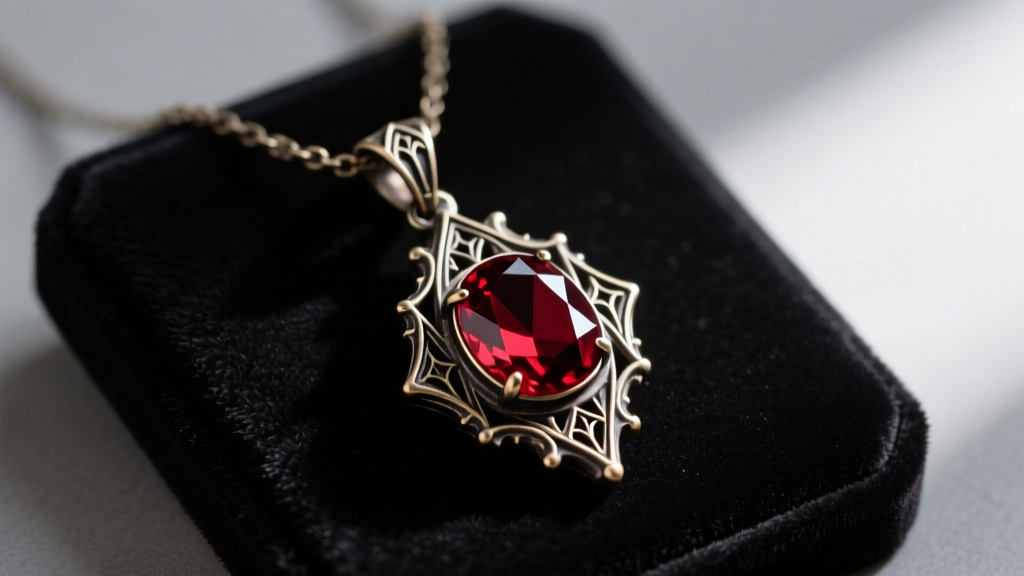
The Katherine Pierce necklace remains one of the most sought-after artifacts in television jewelry history. Characterized by its dark, oxidized Victorian gothic aesthetic, intricate filigree, and a brooding deep-red center stone, it perfectly captures the dangerous elegance of the iconic vampire. However, fans rushing to purchase mass-produced replicas from online marketplaces often face a harsh reality within weeks of wear. The allure of the Katherine Pierce necklace is frequently undermined by severe manufacturing shortcuts.
Most replicas on the market are cast from Zamak—a brittle zinc alloy mixed with aluminum, magnesium, and copper—or low-grade pot metal. While these materials allow for cheap, highly detailed molding, they lack the structural integrity and chemical stability required for daily wear. By 2026, jewelry bench standards have evolved, and collectors are no longer satisfied with disposable cosplay pieces. Whether your replica is suffering from severe tarnishing, structural chain failure, or gemstone clouding, this comprehensive troubleshooting guide will help you restore and permanently upgrade your Katherine Pierce necklace to fine jewelry standards.
Troubleshooting Common Katherine Pierce Necklace Issues
Issue 1: The 'Green Neck' Tarnish & Alloy Breakdown
The most frequent complaint regarding TVD replica jewelry is the dreaded green or black discoloration left on the skin. This is not merely 'tarnish'; it is a galvanic reaction. When the copper and nickel within the Zamak alloy mix with the natural acids, salts, and moisture in your sweat, it creates copper chloride. Furthermore, the thin 'antique silver' flash plating applied to these replicas is usually less than 0.5 microns thick, wearing off rapidly against the friction of your collarbone.
The Temporary Fix: Coating the back of the pendant with a clear, hypoallergenic polyurethane nail polish or a specialized jewelry barrier cream. This provides a physical shield but must be reapplied every few weeks.
The Permanent Fix: Take the pendant to a professional bench jeweler for a stripping and PVD (Physical Vapor Deposition) coating. PVD bonding utilizes a vacuum chamber to vaporize titanium or zirconium, creating a molecular bond with the base metal that is up to ten times more durable than traditional rhodium electroplating. According to the Jewelers of America, PVD coatings are highly resistant to sweat and friction, effectively sealing the reactive base metals forever.
Issue 2: Chain Snapping at the Jump Ring
Replica Katherine Pierce necklaces almost universally ship with hollow-rope or ultra-thin 24-gauge base metal chains. The weak point is invariably the jump ring connecting the chain to the pendant bail. Base metal jump rings are typically stamped rather than soldered, meaning the vertical seam easily pries open under the weight of a heavy gothic pendant, leading to catastrophic loss.
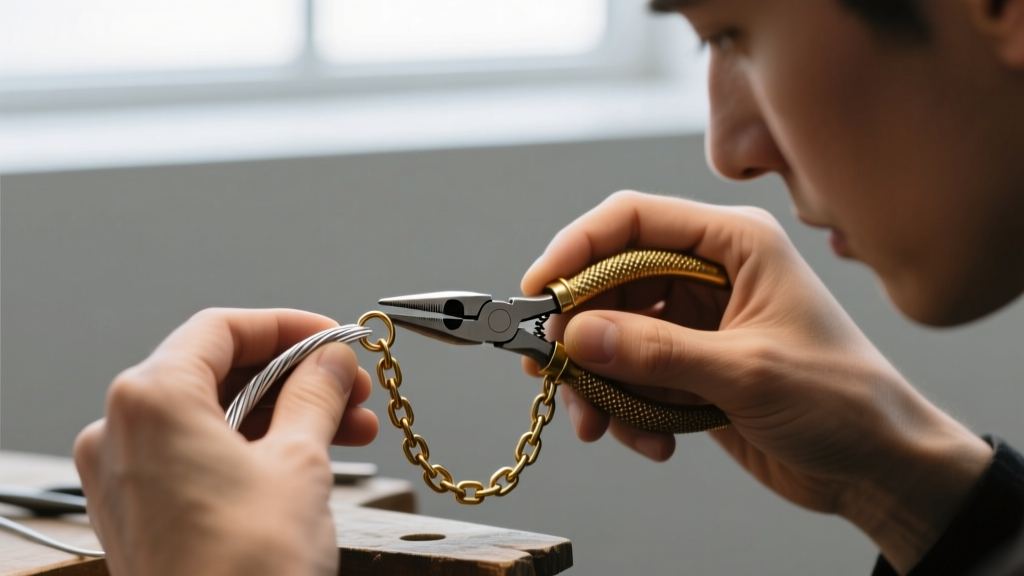
The Troubleshooting Protocol: Discard the original chain entirely. Upgrade to a 1.5mm solid 925 sterling silver oxidized cable chain. The oxidation (antiquing) of the silver matches the dark, brooding aesthetic of the Katherine Pierce pendant while providing genuine tensile strength. When attaching the new chain, ensure the jeweler uses an 18-gauge or 20-gauge solid soldered jump ring. Soldered rings have no seam, making it physically impossible for the pendant to slip off without the chain itself breaking first.
Issue 3: Faux Gemstone Clouding and Scratching
The centerpiece of the Katherine Pierce necklace is the deep red gemstone. Replicas typically use dyed resin, molded glass, or low-grade cubic zirconia. Resin is particularly problematic; it has a Mohs hardness of roughly 2.5 to 3.0, meaning it will accumulate micro-scratches from everyday dust (which contains quartz, hardness 7.0), leading to a cloudy, dull appearance within months. Glass, while harder, lacks the internal fire and refractive depth required to mimic the antique garnets seen on screen.
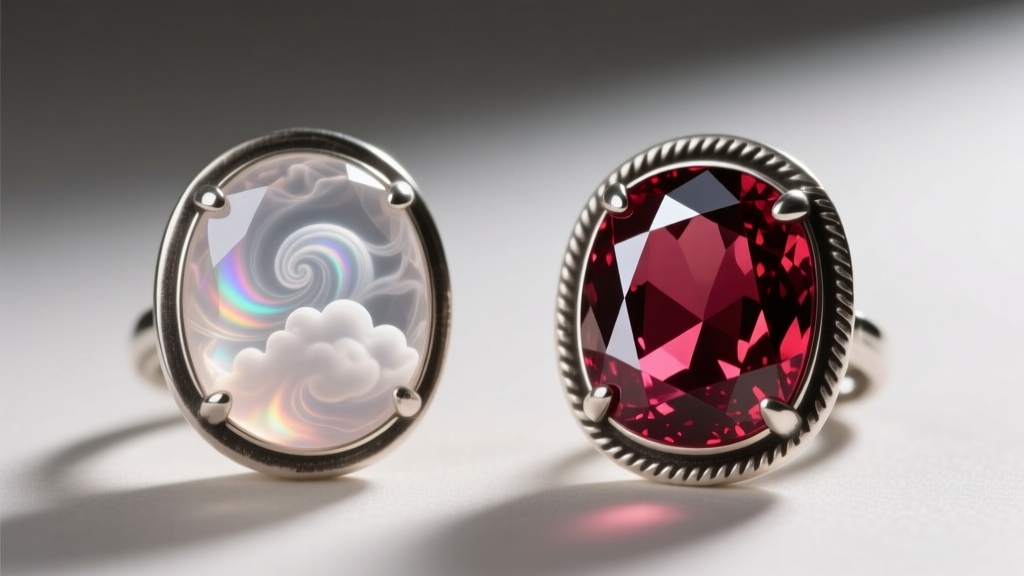
The Gemological Upgrade: Replace the faux stone with a genuine almandine garnet. Almandine is the most common variety of garnet, known for its deep, brownish-red to purplish-red hue that perfectly matches the show's prop. With a Mohs hardness of 7.0 to 7.5, it is highly resistant to scratching. The Gemological Institute of America (GIA) notes that almandine garnets are often cut en cabochon or with mixed faceting to maximize their dark, rich color. A bench jeweler can easily pop out the glued-in resin stone and friction-set or bezel-set a calibrated 12x10mm oval almandine garnet into the existing pendant housing.
The Ultimate Restoration & Upgrade Matrix
To help you decide how much capital to invest in saving your Katherine Pierce necklace, consult the decision framework below. This table outlines the cost-to-longevity ratio of various repair methods available at modern jewelry benches.
| Restoration Method | Average Cost (USD) | Longevity | Best For |
|---|---|---|---|
| Clear Polyurethane Coating | $5 - $15 (DIY) | 1 - 3 Months | Temporary cosplay or convention wear |
| Rhodium Flash Plating | $35 - $60 | 6 - 12 Months | Improving shine on brass/copper bases |
| PVD Gunmetal Coating | $80 - $150 | 5+ Years | Sealing Zamak alloys against skin acids |
| Chain & Jump Ring Upgrade | $40 - $90 | Lifetime | Preventing pendant loss and skin irritation |
| Genuine Garnet Resetting | $120 - $250 | Lifetime | Eliminating resin clouding and scratching |
| 3D Scanning & Silver Recast | $250 - $450 | Generational | Creating a flawless, solid 925 silver master |
Advanced Recasting: The 3D Scanning Solution
If your Katherine Pierce necklace replica is already suffering from severe Zamak degradation—characterized by pitting, bubbling, or structural cracking—surface treatments will not save it. Zinc alloys suffer from 'zinc pest' when exposed to humidity over long periods, causing the metal to expand and crumble from the inside out.
In 2026, the most effective troubleshooting method for heavily damaged replicas is non-destructive 3D scanning and lost-wax casting. A specialized jewelry CAD designer can use a high-resolution blue-light scanner to map the exact filigree dimensions of your original pendant. This digital twin is then used to mill a precise wax model, which is cast in solid 925 sterling silver or 14k white gold. Following the cast, the piece is treated with Liver of Sulfur (LOS) to induce a dark, antique patina, and then hand-polished on the high-relief areas to recreate the exact two-tone gothic finish of the original television prop. This process transforms a $30 disposable replica into a $400 heirloom-grade artifact.
Maintenance for Antique-Style Pendants
Once your Katherine Pierce necklace has been upgraded with a sterling silver chain, a PVD-coated or solid silver pendant, and a genuine almandine garnet, proper maintenance is critical to preserve the gothic aesthetic. Unlike bright, modern jewelry, antique-style pieces rely on oxidation (tarnish) in the recessed filigree to provide visual contrast and depth.
Cleaning Protocol: Never use ultrasonic cleaners or harsh silver dip chemicals on an antiqued necklace. These methods will strip the intentional oxidation from the crevices, leaving the piece looking flat and unnaturally shiny. Instead, use a mild, phosphate-free dish soap and a soft-bristled baby toothbrush to gently clean the gemstone and the raised metal areas. Dry thoroughly with a microfiber cloth.
Storage: Store the necklace in an airtight anti-tarnish ziplock bag with a piece of activated charcoal or a commercial anti-tarnish strip. This prevents ambient sulfur in the air from aggressively tarnishing the polished high points of the silver, ensuring the intricate vampire-inspired detailing remains crisp and legible for decades. For authoritative care guidelines on maintaining treated metals and organic settings, always refer to the FTC Jewelry Guides to ensure your jeweler is using compliant, safe materials during the restoration process.


