How to Restore and Protect an Olive Wood Cross Necklace
Learn how to fix cracks, restore shine, and protect your olive wood cross necklace from humidity damage with expert troubleshooting tips.

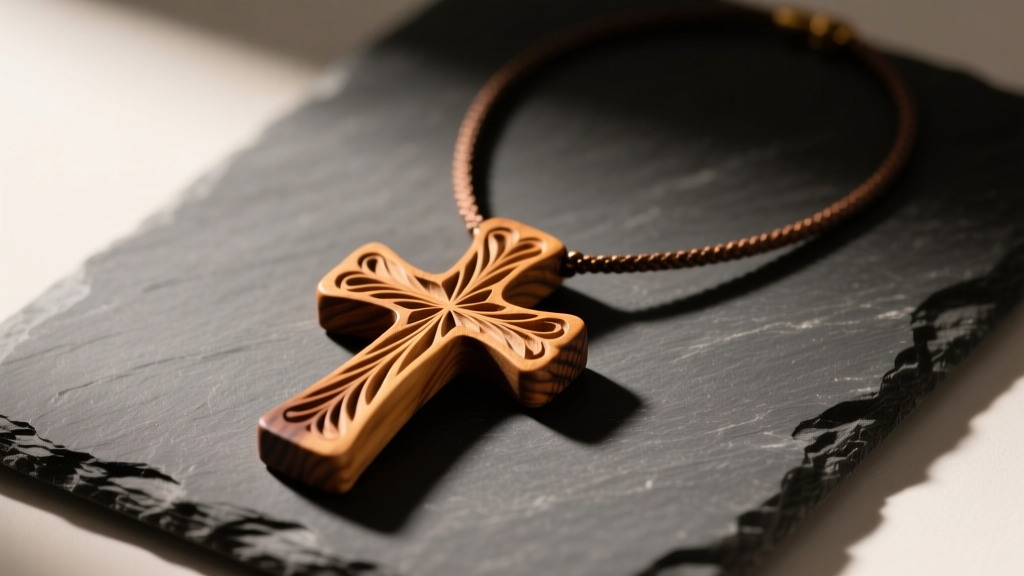
An olive wood cross necklace is more than just a piece of jewelry; it is a deeply meaningful artifact, often sourced from the historic groves of Bethlehem or Jerusalem. Crafted from Olea europaea, this wood is prized for its rich, high-contrast grain and spiritual significance. However, organic materials are inherently reactive. Unlike gold or platinum, wood breathes, expands, and contracts. If you have noticed your pendant developing micro-cracks, losing its luster, or suffering from hardware friction, you are not alone. Troubleshooting an olive wood cross necklace requires an understanding of both woodworking principles and jewelry conservation.
The Unique Vulnerabilities of Olive Wood Pendants
Olive wood is exceptionally dense, rating at approximately 2,700 lbf on the Janka hardness scale. While this makes it highly resistant to dents and everyday scratches, its interlocking grain structure makes it uniquely susceptible to environmental humidity swings. When the moisture content of the wood drops below 8%, the cellular structure shrinks, leading to checking (splitting along the grain). Conversely, excessive moisture can cause the wood to swell, which may warp the pendant or compromise the adhesive holding the metal bail in place.
Furthermore, many owners mistakenly treat their olive wood jewelry with kitchen-grade olive oil. This is a critical error. Non-drying culinary oils eventually oxidize and turn rancid, leaving the cross with a sticky residue and a sour odor. Proper care requires specialized, non-polymerizing conservation oils or microcrystalline waxes.
Troubleshooting Common Olive Wood Cross Issues
Before attempting any restoration, you must accurately diagnose the failure mode of your pendant. Below is a diagnostic framework for the most frequent issues encountered with organic wood jewelry.
| Symptom | Root Cause | Immediate Fix |
|---|---|---|
| Micro-cracks along the grain | Rapid humidity drop or direct heat exposure | Stabilize room humidity (40-50%), apply microcrystalline wax |
| Chalky, gray, or dull surface | UV degradation and depletion of natural oils | Light buffing with 0000 steel wool, followed by mineral oil |
| Dark, sticky, or tacky spots | Rancid oil buildup (from improper culinary oils) | Wipe with odorless mineral spirits, allow to dry, re-wax |
| Bail hole elongation or cracking | Friction from heavy metal chains or clasps | Upsize to a metal-lined bail, switch to a lightweight chain |
Addressing Structural Micro-Cracking
If your olive wood cross necklace has developed hairline fractures, do not attempt to fill them with standard wood glue or epoxy, as these will create a visible, glossy scar that contrasts with the matte wood grain. Instead, use a mixture of fine olive wood sanding dust and clear cyanoacrylate (CA) glue, or simply stabilize the crack by rubbing a hard beeswax blend into the fissure using a soft-bristled brush. According to conservation guidelines outlined by The Wood Database, olive wood's natural oils can sometimes interfere with chemical adhesives, making mechanical wax fills a safer, reversible option for minor jewelry repairs.
Reversing UV and Moisture Damage
A chalky appearance indicates that the lignin in the wood's surface cells has degraded due to ultraviolet light exposure. To reverse this, gently abrade the surface using ultra-fine #0000 steel wool. This removes the dead, oxidized wood fibers without altering the carving details of the cross. Immediately follow this with a hydrating oil to restore the deep brown and amber hues.
Step-by-Step Restoration Guide for Neglected Pendants
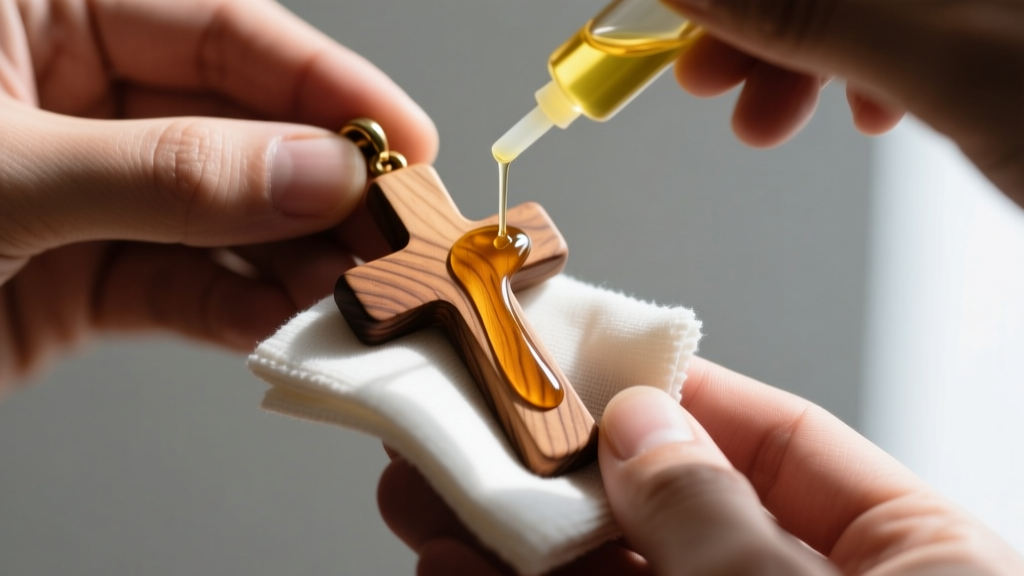
If you have acquired a vintage olive wood cross necklace or neglected your own, follow this three-step restoration protocol to bring the wood back to life.
- Deep Cleanse: Dampen a lint-free cotton cloth with odorless mineral spirits. Gently wipe the entire surface of the cross to dissolve any rancid oils, skin sebum, or environmental grime. Allow the pendant to air dry for 24 hours in a cool, shaded area.
- Hydrate: Apply 2-3 drops of food-grade mineral oil or fractionated coconut oil to a microfiber cloth. Rub the oil into the wood using circular motions, ensuring it penetrates the carved crevices. Let it sit for 15 minutes, then vigorously buff off all excess. Leaving excess oil on the surface will attract dust.
- Seal and Protect: For long-term protection, apply a thin layer of microcrystalline wax (such as Renaissance Wax, a staple in museum conservation). This creates a breathable, moisture-resistant barrier that will not yellow or crack over time. Buff to a soft satin sheen with a clean horsehair brush.
Expert Warning: Never submerge an olive wood pendant in water or use ultrasonic jewelry cleaners. The rapid vibration and liquid penetration will cause the wood fibers to swell violently, resulting in irreversible structural failure and bail detachment.
Hardware and Chain Troubleshooting
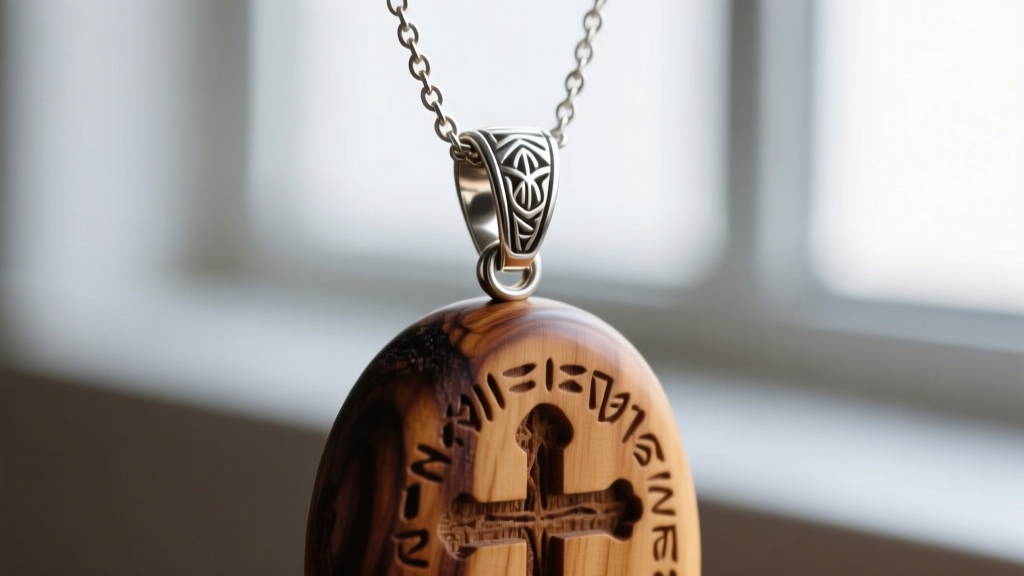
The intersection of metal and organic wood is a primary failure point in necklaces. Olive wood, despite its high Janka hardness, is no match for the continuous friction of a metal chain. If your cross features a simple drilled hole with a chain threaded directly through it, the metal will eventually act like a saw, elongating the hole and snapping the top loop of the cross.
Selecting the Correct Chain Gauge
Olive wood pendants are relatively lightweight compared to gemstone or solid metal alternatives. Therefore, pairing them with heavy chains (like a 4mm Cuban link) creates an unbalanced aesthetic and puts undue stress on the wooden bail. For optimal wear and preservation, select a chain between 1.2mm and 1.8mm. A sterling silver or gold-filled box chain or lightweight cable chain provides enough tensile strength to secure the pendant while minimizing friction against the wood. Organizations like Bethlehem Fair Trade Artisans typically pair their authentic carvings with lightweight, locally sourced cords or fine chains specifically to preserve the integrity of the wooden bail.
Authenticity Checks: Is Your Cross Real Olive Wood?
As the demand for religious and artisanal jewelry grows, so does the market for counterfeit pieces. Mass-produced fakes are often carved from cheap basswood, pine, or balsa, and then stained to mimic the appearance of olive wood. Use these troubleshooting checks to verify your pendant:
- Grain Contrast: Genuine olive wood features dramatic, high-contrast streaking between the pale yellowish sapwood and the dark brown or black heartwood. Fakes usually have uniform, parallel grain lines that look painted or artificially stamped.
- Weight and Density: Because of its high density, real olive wood feels surprisingly heavy for its size and will sink or hover in water. Basswood and pine are highly buoyant and feel unnaturally light.
- The Scent Test: Rub the wood briskly with your thumb to generate friction and heat. Authentic olive wood emits a faint, sweet, and earthy aroma. Dyed or chemically treated fakes will smell like varnish, plastic, or nothing at all.
Long-Term Preventative Maintenance
Preventing damage is always easier than restoring an olive wood cross necklace. To ensure your pendant lasts for generations, establish a consistent storage and maintenance routine.
Store your necklace in a breathable cotton pouch rather than an airtight plastic bag, which can trap moisture and encourage mold growth. Keep the jewelry box away from direct HVAC vents, radiators, and windowsills, as localized heat sources will rapidly dehydrate the wood. Finally, always remove your necklace before swimming, showering, or applying perfumes and lotions, as the alcohol and chlorine will strip the wood's protective wax coating. By re-applying a microcrystalline wax every six to twelve months, you will lock in the wood's natural moisture and preserve the intricate details of the carving for a lifetime.


