How to Restore and Repair a Vintage Hippy Necklace
Learn how to troubleshoot, clean, and repair your favorite hippy necklace. Expert tips on restringing beads, fixing macrame, and polishing brass.

The Anatomy of a Classic Hippy Necklace and Common Failure Points
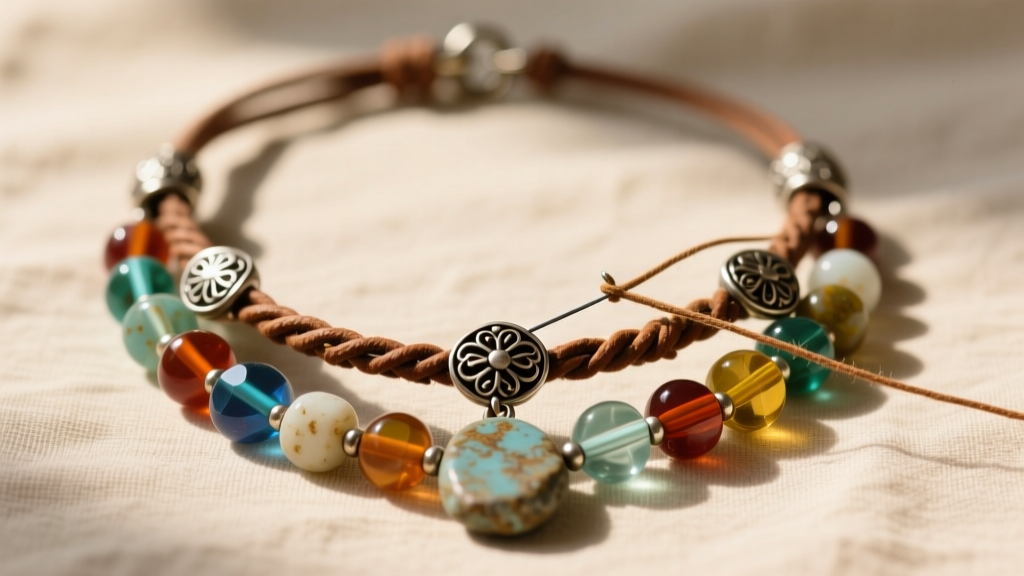
The quintessential hippy necklace—characterized by natural turquoise, heavy brass findings, intricate macrame, and organic hemp cords—remains a staple of bohemian fashion. However, the very materials that give these pieces their earthy, vintage charm are also their greatest structural vulnerabilities. Whether you have inherited a 1970s festival piece or purchased a contemporary boho-chic pendant, understanding the material science behind your jewelry is the first step in effective troubleshooting.
Most vintage and bohemian necklaces fail at three specific junctures: the degradation of organic cordage, the severe oxidation of base metal findings, and the fracturing of porous gemstones due to improper cleaning methods. Unlike fine jewelry crafted from 14k gold and diamonds, a hippy necklace requires a specialized, chemistry-conscious approach to restoration. In this comprehensive guide, we will break down the exact troubleshooting frameworks needed to rescue, restring, and preserve your favorite bohemian neckpieces.
Troubleshooting Tarnished Brass and the 'Green Skin' Effect
Brass and copper are the foundational metals of bohemian jewelry, prized for their warm, sun-baked hues. Unfortunately, these reactive base metals oxidize rapidly when exposed to the lactic acid and salts in human sweat. This oxidation not only dulls the metal but also causes the infamous 'green skin' effect, where copper salts transfer directly onto the wearer's collarbone.
The Safe Cleaning Protocol
The most critical mistake collectors make is using commercial silver dip solutions or ultrasonic cleaners on mixed-media hippy necklaces. These harsh chemicals will permanently strip the polish from porous stones like turquoise, malachite, and lapis lazuli, leaving them chalky and discolored. According to the Gemological Institute of America, turquoise is highly sensitive to acids and harsh detergents, requiring only the gentlest cleaning methods.
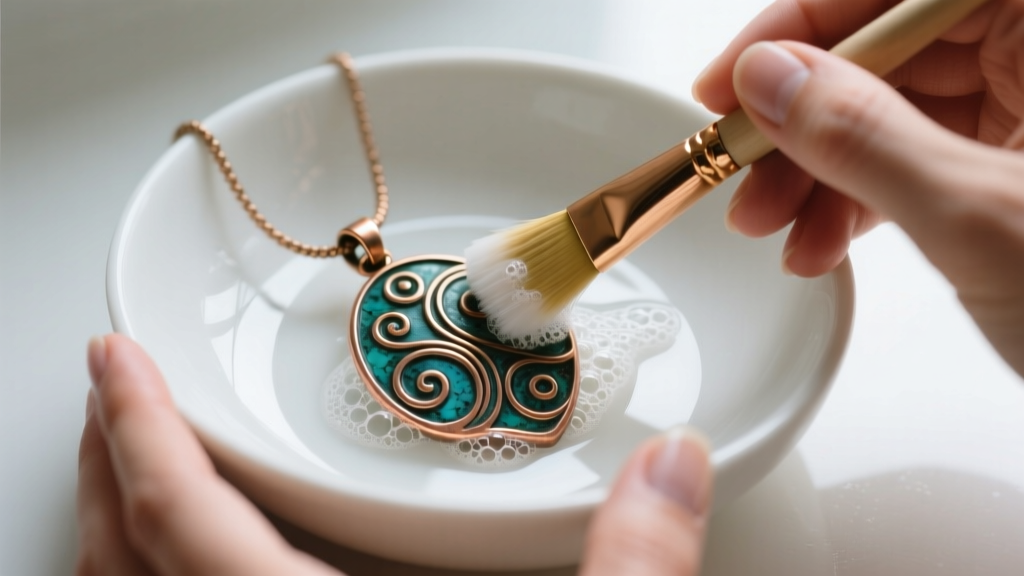
- Step 1: Create a mild cleaning solution using warm distilled water and a single drop of pH-neutral dish soap (like Dawn).
- Step 2: Use a baby toothbrush (which has ultra-soft bristles) to gently agitate the tarnished brass areas, strictly avoiding direct scrubbing on any natural stones.
- Step 3: Rinse quickly under a low stream of lukewarm water and pat dry immediately with a microfiber cloth.
Sealing the Metal to Prevent Future Oxidation
To permanently solve the green skin problem without altering the vintage patina of the brass, apply a micro-crystalline wax polish, such as Renaissance Wax. Using a cotton swab, apply a microscopic layer of the wax to the back of the pendant and the inside of the brass bead caps. Allow it to cure for ten minutes, then buff it with a lint-free cloth. This creates an invisible, archival-grade barrier against moisture and skin acids.
Restringing Porous Stones: Upgrading from Silk to Micro-Fused Wire
Vintage hippy necklaces were frequently strung on silk thread, cotton twine, or early synthetic nylons. Over decades, these materials stretch, dry-rot, and eventually snap, often resulting in a catastrophic loss of beads. If your necklace feels stiff, or if you can see fraying near the clasp, immediate restringing is required.
Choosing the Right Stringing Material
Do not restring heavy turquoise or agate beads on silk. The weight of the stones will cause the silk to stretch and sag, creating unsightly gaps between the beads. Instead, upgrade the internal structure using 49-strand micro-fused stainless steel beading wire with a nylon coating. A diameter of 0.019 inches (0.48mm) is the industry standard for most 4mm to 8mm bohemian stone beads, offering the drape of silk with the tensile strength of steel. Fire Mountain Gems provides extensive documentation on matching wire strand counts to bead weights for optimal durability.
Securing the Finish
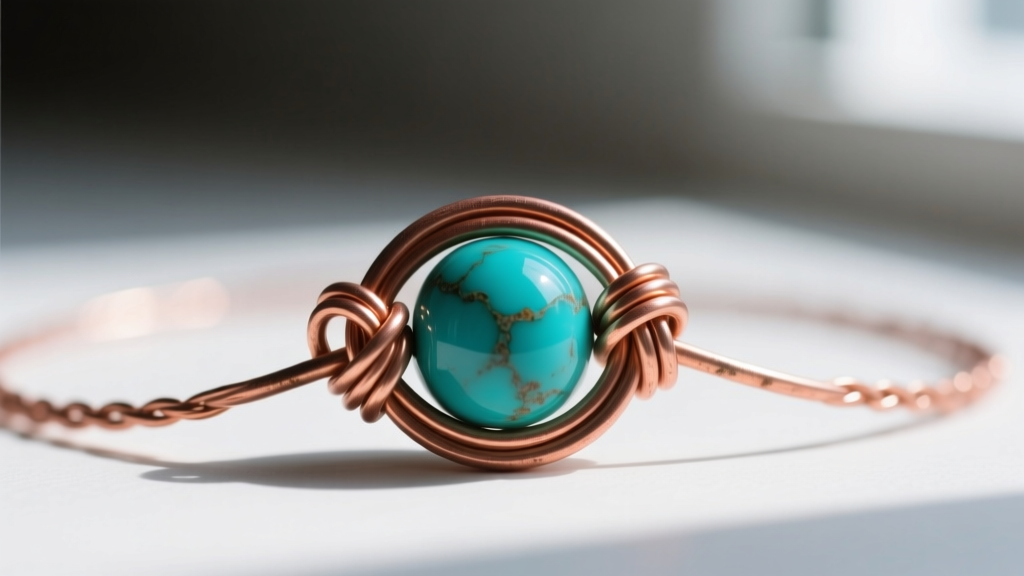
When finishing the ends of your newly strung wire, avoid simple crimp beads which can slip on heavy necklaces. Instead, use a micro-crimping tool to fold a sterling silver or copper crimp tube into a secure, rounded bead. For an extra layer of security, add a drop of cyanoacrylate jewelry adhesive into the crimp tube before compressing it.
Fixing Frayed Macrame and Upgrading Hemp Cordage
Macrame and hemp are synonymous with the hippy aesthetic, but natural hemp fibers are highly susceptible to UV degradation and moisture rot. If the cord of your favorite pendant necklace is fuzzy, brittle, or snapping, it is time for a cord replacement or splice.
The Waxed Cotton Alternative
While authentic hemp has a rustic appeal, modern 1.5mm waxed cotton cord is vastly superior for daily wear. The wax coating repels water and sweat, preventing the fibers from unraveling while maintaining the exact matte, earthy texture of traditional hemp. When replacing the cord, use a lark's head knot to attach the pendant, and finish the adjustable sliding closure with a square knot. To seal the cut ends of the waxed cotton, briefly pass them near a flame to melt the wax and fibers together, or apply a tiny drop of E6000 jewelry glue.
Material Authenticity: Troubleshooting Dyed Howlite
A common issue when acquiring vintage or festival-purchased hippy necklaces is discovering that the 'turquoise' is actually dyed howlite or magnesite. While these stones are beautiful in their own right, they require different care protocols, as the dye can bleed onto clothing when exposed to sweat or rain.
The Acetone Test
To troubleshoot and authenticate your stones, perform a discreet acetone test. Dip a cotton swab in pure acetone (nail polish remover) and rub it vigorously on an inconspicuous area of the bead, such as the surface near the drill hole. If the swab turns bright blue, the stone is dyed. If you discover your necklace features dyed stones, you must seal them. A light spray of clear, matte acrylic sealer (applied while the beads are removed from the cord) will lock the dye in place and prevent embarrassing color transfers.
Troubleshooting Matrix: Material Care and Repair Guide
| Material | Common Failure Mode | Troubleshooting Fix | Preventative Maintenance |
|---|---|---|---|
| Raw Brass / Copper | Severe oxidation, skin staining | Polish with baking soda paste (avoid stones) | Seal with Renaissance Wax |
| Natural Turquoise | Chalking, color fading from oils | Wipe with damp microfiber only | Keep away from lotions and perfumes |
| Hemp Cord | Dry rot, fraying, snapping | Replace with 1.5mm waxed cotton | Remove before showering or swimming |
| Silk Thread | Stretching, sagging gaps | Restring on 49-strand .019' beading wire | Store flat, never hang heavy pieces |
| Dyed Howlite | Dye bleeding onto skin/clothes | Seal with matte acrylic spray | Perform acetone test upon purchase |
Preserving the Bohemian Legacy
Troubleshooting a hippy necklace is an exercise in respecting the organic, imperfect nature of its materials. By moving away from harsh chemical cleaners and embracing modern stringing technologies like micro-fused wire and waxed cotton, you can ensure that your bohemian jewelry survives for decades. Whether you are carefully brushing tarnish from a 1970s brass sunburst pendant or restringing a heavy strand of Sleeping Beauty turquoise, the key to successful restoration lies in understanding the unique chemical and physical properties of every component. Treat your vintage pieces with this level of technical care, and they will continue to tell their earthy, eclectic stories for generations to come.


