Rosary Style Necklace Materials: A Durability & Drape Guide
Compare metals and beads for your rosary style necklace. Discover the best wire gauges, gemstone options, and durability ratings for everyday wear.

The Anatomy of a Rosary Style Necklace
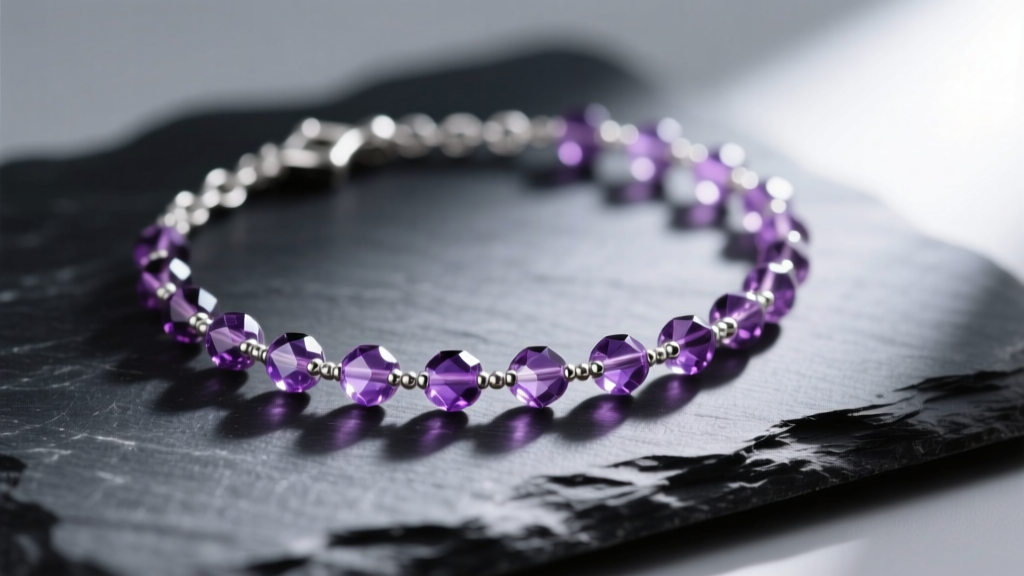
A rosary style necklace is defined by its rhythmic alternation of beads and metal links, or a continuous chain punctuated by bead stations. Unlike a standard cable chain, the structural integrity and visual drape of this design rely entirely on the interplay between the bead material and the connecting wire. When selecting or designing a rosary style necklace, understanding material properties is not just an aesthetic choice—it is a mechanical necessity. The weight of the beads exerts constant tensile stress on the wire links, while the friction between the bead hole and the metal can lead to premature wear if the materials are mismatched.
In this comprehensive guide, we break down the exact metallurgical and mineralogical properties you need to consider, from wire temper and gauge sizing to the Mohs hardness of various gemstone beads. Whether you are sourcing a piece for daily wear or designing your own, these specifications will ensure your necklace survives the rigors of everyday use.
Wire & Chain Metals: Tensile Strength & Tarnish Resistance
The connecting links in a rosary style necklace bear the brunt of the mechanical stress. The metal you choose dictates the necklace's flexibility, tarnish rate, and ultimate lifespan.
Sterling Silver (.925) vs. Argentium (.935)
Traditional sterling silver is an alloy of 92.5% silver and 7.5% copper. While it offers a beautiful, bright luster, the copper content makes it highly susceptible to sulfide tarnishing, especially when worn against the skin's natural oils. For a rosary style necklace, which has a high surface-area-to-volume ratio due to dozens of tiny wire links, maintenance can become tedious.
Argentium silver is a superior alternative for bead-and-link designs. By replacing some of the copper with germanium, Argentium (.935 or .960) becomes highly tarnish-resistant and possesses a higher melting point. More importantly for jewelry makers, Argentium can be fusion-welded, meaning broken links can be seamlessly repaired without the mess of traditional solder, which can stain porous gemstone beads.
Gold-Filled vs. Gold-Plated
Never use gold-plated wire for the structural links of a rosary style necklace. Gold plating is a microscopically thin layer (usually less than 0.05% of the total weight) that will quickly wear through at the friction points where the wire wraps around itself. Instead, opt for 14/20 gold-filled wire. By federal standard, 14/20 gold-filled wire contains exactly 5% 14k gold by weight, mechanically bonded to a brass core. This provides a durable, tarnish-resistant surface that can withstand the friction of bead wrapping and daily wear for decades.
Surgical Stainless Steel (316L) & Titanium
For hypoallergenic requirements and maximum tensile strength, 316L stainless steel and Grade 5 titanium are unmatched. However, they come with a significant drawback for rosary designs: stiffness. Stainless steel wire has a high yield strength, making it difficult to manipulate into tight, wrapped loops without specialized tools. Furthermore, steel's rigid nature results in a stiffer drape, preventing the necklace from laying flush against the collarbone.
Bead Materials: Mohs Hardness & Drape Dynamics
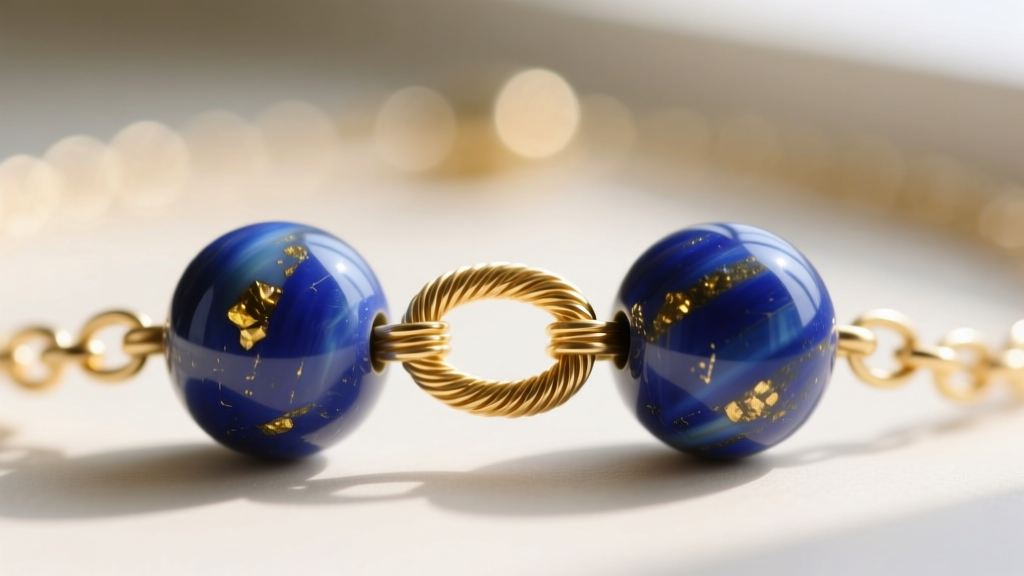
The beads in a rosary style necklace act as both the visual focal point and the physical ballast. The weight and hardness of the beads will determine how the necklace drapes and how quickly the wire links degrade. According to the GIA Gemopedia, understanding the Mohs scale of mineral hardness is critical for predicting how a bead will interact with metal wire over time.
| Bead Material | Mohs Hardness | Relative Weight | Wire Abrasion Risk | Avg. Price (4mm, 16in) |
|---|---|---|---|---|
| Freshwater Pearl | 2.5 - 4.5 | Light | Low (Nacre is soft) | $15 - $35 |
| Swarovski Crystal | 6.0 - 7.0 | Heavy | Moderate (Sharp edges) | $20 - $45 |
| Amethyst (Quartz) | 7.0 | Moderate | High (Can saw through soft silver) | $25 - $60 |
| Lapis Lazuli | 5.0 - 6.0 | Moderate | Low to Moderate | $30 - $70 |
| Wood (Sandalwood) | 1.5 - 2.5 | Very Light | None | $5 - $15 |
Expert Insight: When using hard gemstones like quartz, amethyst, or beryl (Mohs 7+), the drilled holes often have microscopic, razor-sharp edges. Over months of wear, the natural movement of the necklace causes these edges to act like a saw against the wire link. To prevent catastrophic failure, always use a hardened steel wire or ensure the gemstone beads are professionally tumbled to smooth the inner drill holes before stringing.
Wire Gauge Sizing: The Secret to Preventing Breakage
The most common point of failure in a rosary style necklace is the wire loop pulling open under the weight of the beads. This is almost always a result of choosing the wrong wire gauge or, more critically, the wrong wire temper.
Understanding AWG (American Wire Gauge)
Wire thickness is measured in gauges; the higher the number, the thinner the wire. For a standard rosary style necklace featuring 3mm to 5mm beads, 24-gauge (0.51mm) wire is the industry standard. It is thin enough to pass through most gemstone drill holes but thick enough to hold a wrapped loop. For heavier beads (8mm and above), you must step up to 22-gauge (0.64mm) or even 20-gauge (0.81mm) wire to prevent the loops from deforming.
The Critical Role of Wire Temper
Gauge alone does not determine strength. Wire temper—the metal's hardness due to work-hardening or annealing—is equally vital.
- Dead-Soft: Highly malleable and easy to bend. Never use dead-soft wire for the structural links of a rosary necklace. The loops will easily pull open under the pendant's weight or the beads' ballast.
- Half-Hard: The ideal choice for bead wrapping and link creation. It has been slightly work-hardened, offering enough stiffness to maintain its shape and resist pulling open, while remaining pliable enough to wrap without snapping.
- Full-Hard: Extremely stiff and brittle. It is best reserved for making clasps or structural pins, as it will snap if you attempt to make tight, wrapped loops.
Clasp & Connector Hardware
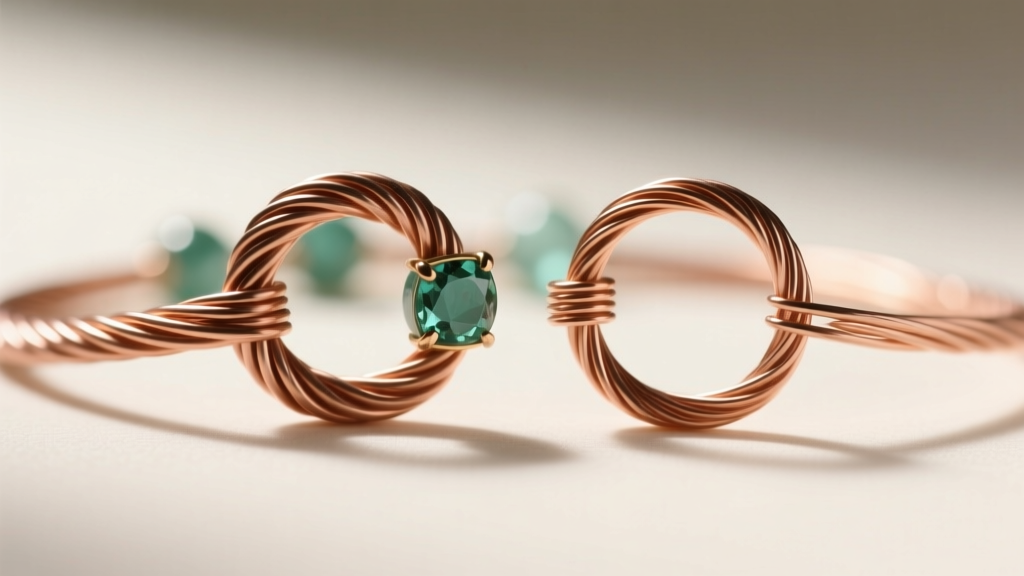
The clasp on a rosary style necklace must be proportionate to the overall weight and drape of the piece. A heavy gemstone rosary requires a different closure mechanism than a delicate pearl design.
According to the Fire Mountain Gems Encyclopedia, the shear strength of your clasp's jump ring is just as important as the clasp mechanism itself. Always use soldered jump rings to connect the clasp to the final bead link to prevent accidental unhooking.
Lobster Clasps: The most reliable choice for medium-to-heavy rosary necklaces. A 12mm or 15mm stainless steel or gold-filled lobster clasp provides excellent security and is easy to operate with one hand.
Spring Ring Clasps: Suitable only for lightweight designs (like small freshwater pearls or glass beads). The internal spring mechanism in smaller spring rings (under 10mm) is prone to failure and can easily snap under the dynamic load of a heavy bead-and-link chain.
Magnetic Clasps: While highly accessible, magnetic clasps are generally discouraged for long rosary style necklaces. The dynamic swinging motion of a long, beaded chain can generate enough momentum to break the magnetic seal, resulting in a lost necklace.
Final Verdict: Matching Material to Lifestyle
Choosing the right materials for a rosary style necklace requires balancing aesthetics with mechanical reality. For an heirloom-quality piece meant for daily wear, a combination of half-hard 14/20 gold-filled 24-gauge wire paired with tumbled 4mm amethyst or sapphire beads offers the perfect equilibrium of tensile strength, tarnish resistance, and luxurious drape. If you prefer a low-maintenance, modern aesthetic, Argentium silver paired with precision-cut Swarovski crystal provides brilliant light refraction without the constant polishing required by traditional sterling. By respecting the physical properties of your metals and minerals, you ensure your rosary style necklace remains both beautiful and structurally sound for years to come.


