Rose Gold Choker Necklace Buying Guide: What to Look For in 2026
Discover what to look for in a rose gold choker necklace in 2026. Learn about karat purity, plating thickness, clasp types, and styling tips.

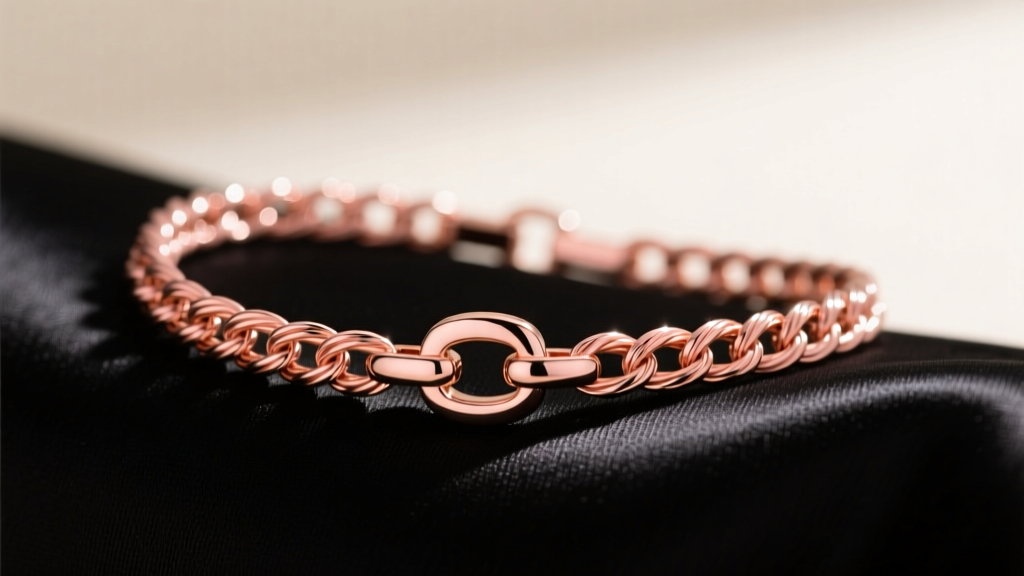
The Anatomy of a High-Quality Rose Gold Choker Necklace
When shopping for a rose gold choker necklace, understanding the metallurgy is your first line of defense against low-quality pieces. Rose gold is not a naturally occurring metal; it is an alloy created by mixing pure yellow gold with copper and sometimes silver. The copper is what gives the metal its signature pinkish-red hue, but it also dictates how the jewelry will age, wear, and react to your skin over time.
Solid vs. Plated: Understanding the Base Metal
For a choker—a necklace style that sits tightly against the skin and experiences high friction and sweat exposure—the base metal is critical. According to the Federal Trade Commission (FTC) Jewelry Guides, the terminology around gold plating is strictly regulated. Here is what you need to know before making a purchase:
- Solid Rose Gold: The entire piece is the alloy. For daily-wear chokers, 14k solid rose gold is the ultimate standard. It offers the perfect balance of rich color and structural integrity.
- Gold Vermeil: This requires a sterling silver base with a gold plating of at least 2.5 microns thick. For a rose gold choker necklace, seek out vermeil with 3 to 5 microns of plating, as the neck area generates friction that wears down thinner layers rapidly.
- Gold-Filled: A mechanical bond where the gold layer constitutes at least 5% of the total weight. This is highly durable and an excellent mid-tier option for everyday wear.
- Gold-Plated (Standard): Usually a brass or copper base with less than 0.5 microns of gold. Avoid these for chokers, as the copper base will react with your skin's acidity and cause a green discoloration within weeks.
The 14K vs. 18K Rose Gold Dilemma
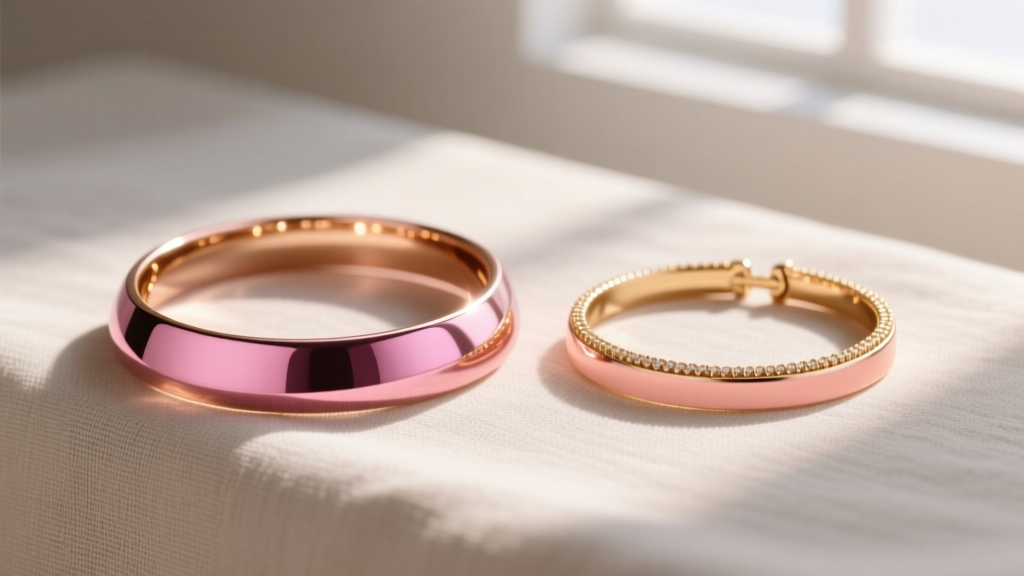
The Gemological Institute of America (GIA) notes that karatage dictates both color and durability. 18k rose gold (75% gold, 25% copper) yields a deeper, more romantic pink hue. However, it is inherently softer. 14k rose gold (58.3% gold, 41.7% copper and silver) has a lighter, peachier tone but is significantly more resistant to scratching and bending. Because chokers are prone to snagging on hair and clothing collars, 14k is generally the superior choice for longevity and structural resilience.
Sizing and Fit: Getting the Choker Length Right
A true choker sits snugly at the base of the neck, typically measuring between 14 and 16 inches. However, neck circumferences vary wildly among individuals. A 14-inch chain will act as a tight collar on someone with a 14.5-inch neck, causing physical discomfort and putting undue stress on the clasp hardware.
| Neck Circumference | Recommended Choker Length | Fit Profile |
|---|---|---|
| 12 - 13 inches | 14 inches | Snug, classic choker |
| 13.5 - 14.5 inches | 15 inches | Comfortable, rests on collarbone |
| 15 - 16 inches | 16 inches | Loose choker / Princess length |
| 16.5+ inches | 17+ inches | Collarbone necklace (not a true choker) |
The Importance of Extender Chains
When buying a rose gold choker necklace, always prioritize designs that include a 2-inch extender chain. This not only allows for micro-adjustments based on daily bloating or clothing thickness, like winter turtlenecks, but also provides a satisfying drop for the clasp to hang from, adding a subtle kinetic element to the back of the neck.
Clasp Mechanics and Hardware Durability
The clasp is the most common failure point on any choker. The tension of a snug fit puts constant lateral stress on the hardware.
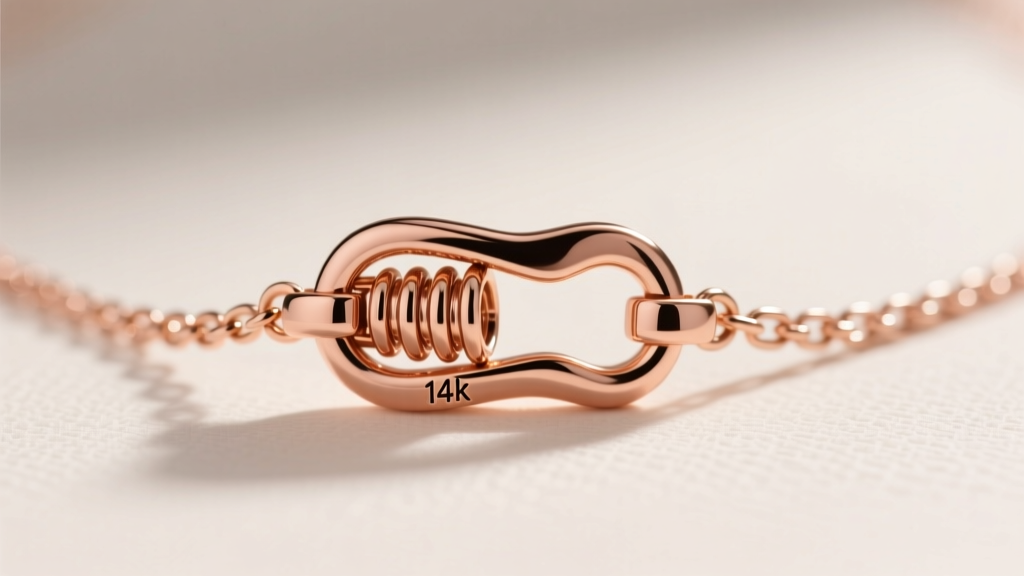
- Lobster Claw: The undisputed king of choker clasps. The internal spring mechanism and solid housing make it highly resistant to pulling apart. Ensure the swivel joint moves freely without sticking.
- Spring Ring: Small, circular, and notoriously difficult to operate with one hand. The thin wire housing can easily warp under the tension of a tight choker, leading to accidental unclasping and lost jewelry.
- Magnetic Clasps: While convenient, neodymium magnets can lose their grip if the choker is tugged sharply. Only opt for magnetic clasps if they feature a secondary locking mechanism or safety latch.
2026 Trend Forecast: Textures and Profiles
As we move through 2026, the jewelry market is shifting away from ultra-thin, fragile chains toward textured, structural profiles that offer visual weight without heavy gram prices. When selecting your rose gold choker necklace, look for these trending link styles:
- Hammered Cable Links: Flattened, hand-hammered links that catch the light from multiple angles, enhancing the warm copper tones of the rose gold alloy.
- Paperclip Chains: Elongated rectangular links that offer a modern, architectural look. They lay flat against the collarbone, drastically reducing snagging on fabrics.
- Rope Chains: Tightly woven, twisted links that mimic the texture of a nautical rope. These are incredibly durable and reflect light brilliantly, making the rose gold appear more luminous.
Styling Your Rose Gold Choker for Different Necklines
The warm, blush tones of a rose gold choker necklace make it incredibly versatile, but the chain thickness must be matched to your neckline. For off-the-shoulder or sweetheart necklines, a delicate 1.5mm to 2mm cable or rope chain draws the eye to the collarbone without overwhelming the exposed skin. Conversely, if you are wearing a high-neck garment like a turtleneck or a structured collared shirt, opt for a heavier 3mm to 4mm paperclip or Cuban link choker. The thicker metal provides a necessary visual anchor against the fabric, ensuring the rose gold doesn't look lost or overly delicate. Layering is also a major trend; pair your 15-inch rose gold choker with a 20-inch matte black onyx pendant necklace to create a striking contrast that highlights the pinkish-copper hues of the gold.
Pricing Expectations and Value Assessment
Understanding the market value of a rose gold choker necklace in 2026 prevents overpaying for subpar materials. Pricing is primarily dictated by the base metal, the karatage, and the gram weight of the piece.
- Gold-Plated (Brass Base): $15 - $40. Expect a lifespan of 3 to 6 months with daily wear before the base metal shows through.
- Gold Vermeil (Sterling Silver Base): $60 - $150. A worthwhile investment for fashion-forward pieces. The sterling silver base ensures that if the plating eventually wears, you are left with a valuable, hypoallergenic silver chain rather than green-turning brass.
- 14K Gold-Filled: $80 - $200. Offers the best middle-ground durability, often lasting years without requiring re-plating.
- Solid 14K Rose Gold: $250 - $600+. This is a lifetime investment. The price fluctuates with the daily spot price of gold and the specific gram weight of the chain link style you choose.
Always ask the retailer for the exact gram weight of solid gold chokers. A 14k solid gold choker weighing 2.5 grams should cost significantly less than one weighing 5 grams, assuming the craftsmanship and clasp quality are equal.
Care and Maintenance for Rose Gold Alloys
Rose gold requires specific maintenance due to its high copper content. Copper is a reactive metal; when exposed to oxygen, sweat, and environmental pollutants, it can oxidize and darken over time. This is not a defect, but a natural chemical reaction.
Pro Tip: Never use ultrasonic cleaners or harsh chemical dips on rose gold vermeil or plated chokers. The vibrations can micro-fracture the plating, and the chemicals can strip the copper alloy, leaving you with yellow-tinted gold.
To maintain the blush-pink brilliance of your choker, wipe it down with a dry, untreated microfiber cloth after every wear to remove skin oils and lotions. For solid 14k or 18k pieces, use a specialized jewelry polishing cloth infused with mild anti-tarnish agents once a month. Store the choker flat in an airtight anti-tarnish bag to limit oxygen exposure, ensuring the copper alloy remains vibrant and beautiful for decades to come.


