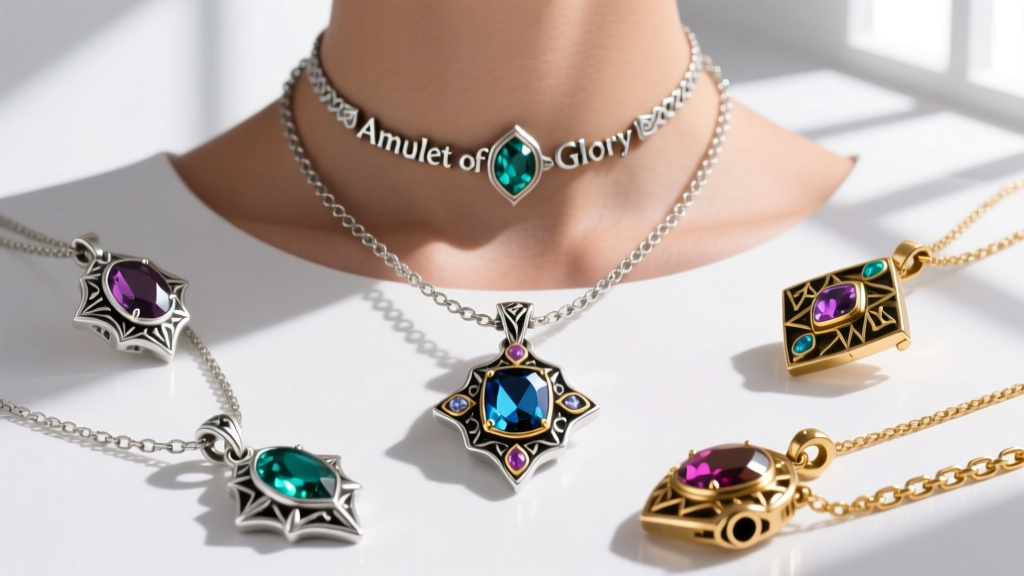
Satan Necklace Guide: Styling Occult & Gothic Pendants
Discover how to choose and style a satan necklace. Our beginner guide covers occult pendant materials, chain pairings, and gothic aesthetic tips.

Decoding the Dark Aesthetic Search Intent
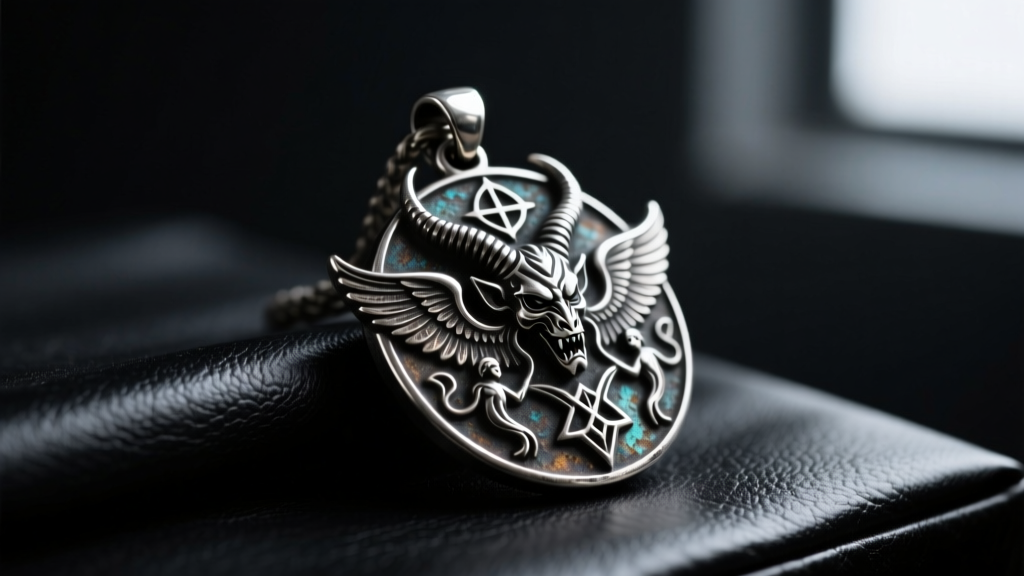
When navigating the intersection of alternative fashion and jewelry, the colloquial search term "satan necklace" frequently appears. Rather than pointing to a single specific item, this phrase acts as a catch-all for a rich, historically layered category of occult, gothic, and dark-arts-inspired jewelry. As we move through 2026, the dark academic and gothic aesthetics have matured significantly, moving away from cheap costume props and into the realm of high-quality, artisanal metallurgy. Whether you are looking for a Baphomet pendant, an inverted cross, or a complex demonic sigil, understanding the anatomy of these pieces is crucial for building a wardrobe that commands respect rather than looking like a temporary Halloween accessory.
The cultural fascination with occult symbolism in art and fashion is well-documented. According to Britannica's archives on occultism, esoteric symbols have been used for centuries to represent hidden knowledge, rebellion, and philosophical dualism. Today, wearing these symbols is less about literal theology and more about embracing a bold, non-conformist aesthetic. However, to wear these heavy, intricate pieces confidently, a beginner must understand the materials, hardware, and proportions that separate fine alternative jewelry from fast-fashion knockoffs.
Metallurgy of the Macabre: Choosing the Right Metal
The foundation of any high-quality gothic pendant is the metal. Dark jewelry relies heavily on contrast, shadows, and durability. Here is a breakdown of the three most common materials you will encounter, ranked by quality and longevity.
1. 316L Surgical Stainless Steel (The Workhorse)
For daily wear, 316L stainless steel is the undisputed king of alternative jewelry. Unlike standard 304 stainless steel, the 316L alloy contains molybdenum, which drastically increases its resistance to pitting and corrosion from acidic sweat. The British Stainless Steel Association notes that 316L is the standard for marine and medical environments due to its resilience. In jewelry, this means your dark metallic finishes will not rust, and the metal will never turn your skin green. Expect to pay between $35 and $90 for a solid 316L occult pendant.
2. Oxidized 925 Sterling Silver (The Artisan Choice)
If you want deep, pitch-black crevices that highlight the intricate relief work of a demonic face or gothic script, oxidized sterling silver is the premium choice. Jewelers use a chemical compound called liver of sulfur to intentionally tarnish the silver, then polish the high points to leave the recesses dark. The Gemological Institute of America (GIA) explains that while silver naturally tarnishes over time, this controlled oxidation process creates a stable, antique patina that is highly prized in gothic jewelry. Prices for genuine oxidized 925 silver pendants typically range from $120 to over $400.
3. Black Rhodium over Brass (The Trap)
Many entry-level "satan necklaces" found on fast-fashion marketplaces are made of brass plated with black rhodium. While they look striking on day one, the plating will inevitably wear off on the high-contact edges, revealing the bright yellow brass underneath. Avoid this material if you intend to wear the piece daily or against bare skin.
The Hardware: Selecting the Proper Chain
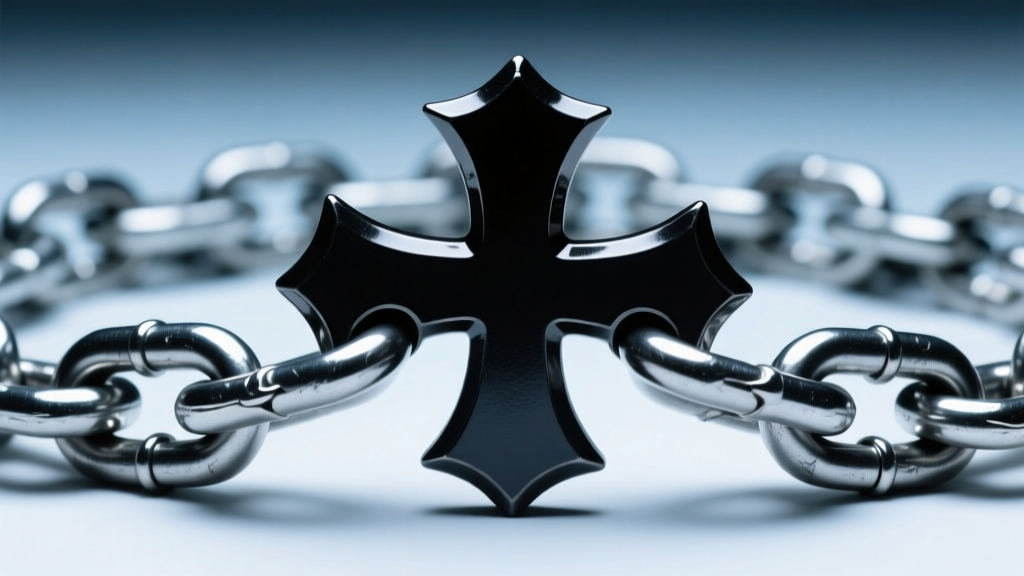
A heavy occult pendant requires a chain that can support its weight without kinking or breaking. The bail (the loop at the top of the pendant) dictates your chain choice. A common beginner mistake is pairing a massive, 50-gram Baphomet pendant with a delicate 2mm snake chain, which will snap under the dynamic weight of daily movement.
| Chain Type | Recommended Gauge | Max Pendant Weight | Best Aesthetic Pairing |
|---|---|---|---|
| Cuban Curb | 5mm - 8mm | Up to 80g | Large inverted crosses, heavy Baphomet pieces |
| Rope Chain | 3mm - 5mm | Up to 40g | Intricate sigils, medium gothic script pendants |
| Box Chain | 3mm - 4mm | Up to 30g | Geometric occult shapes, minimalist dark jewelry |
| Leather Cord | 4mm - 6mm | Up to 60g | Rustic talismans, raw crystal points, bone carvings |
Pro-Tip on Bail Sizing: Always measure the inner diameter of the pendant's bail before buying a chain. A 6mm Cuban curb chain requires a bail with an inner diameter of at least 8mm to allow the chain to lay flat and move freely without grinding against the metal edges.
Proportions and Layering the Dark Aesthetic
Styling a statement occult piece requires an understanding of visual weight and neckline placement. In 2026, the trend has shifted away from choking the neck with heavy hardware and toward deliberate, spaced layering that allows each piece to breathe.
The 22-Inch Sweet Spot
For most heavy pendants, a 22-inch chain is the ideal length. This allows the pendant to rest squarely on the sternum, making it visible over crewneck t-shirts, hoodies, and flannel. A 16-inch or 18-inch chain will cause a heavy pendant to bounce against the collarbone, which is both uncomfortable and visually unbalanced.
Textural Layering
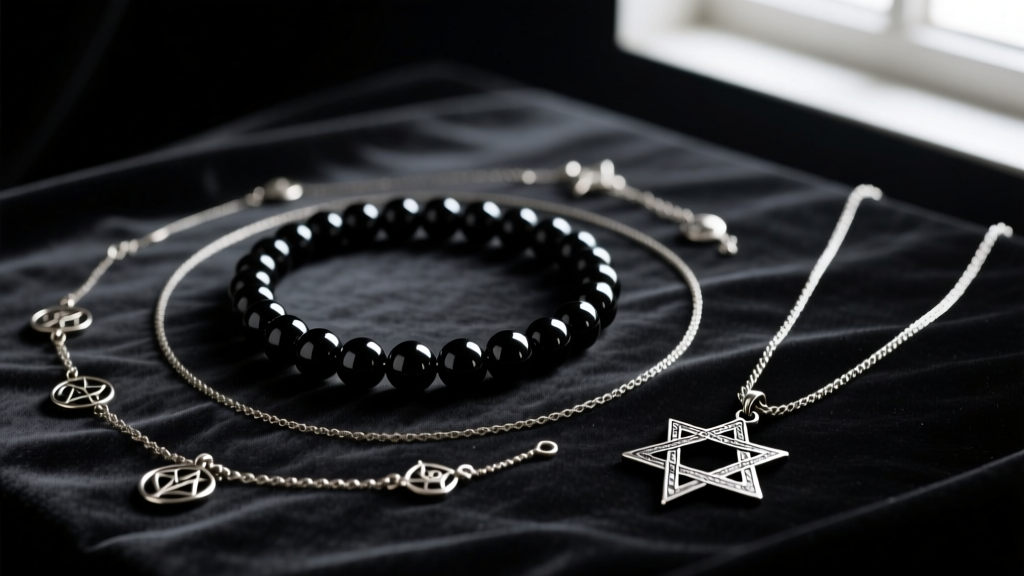
To build a cohesive look, pair your heavy steel or silver pendant with contrasting textures. A highly effective layering technique involves wearing a 16-inch matte black onyx bead necklace (4mm beads) tight to the neck, paired with your 22-inch steel occult pendant. The organic, light-absorbing texture of the onyx beads provides a perfect visual anchor for the reflective, metallic pendant hanging below it.
Caring for Antiqued and Darkened Finishes
Maintaining the dark, brooding finish of your jewelry requires a departure from traditional jewelry cleaning methods. If you own an oxidized sterling silver piece, never use silver polish or dip cleaners. These chemicals are designed to strip tarnish, which means they will instantly remove the intentional black oxidation from the crevices of your pendant, leaving it looking flat and overly bright.
Instead, clean your oxidized silver and darkened steel pieces using a simple solution of warm water and a few drops of mild, phosphate-free dish soap. Use a soft-bristled baby toothbrush to gently dislodge dirt and skin oils from the intricate relief work. Dry the piece immediately with a microfiber cloth. For 316L stainless steel, you can occasionally use a polishing cloth on the raised, high-contact edges to restore a mirror shine, which creates a stunning contrast against the dark, bead-blasted or PVD-coated recesses.
Final Thoughts on Alternative Jewelry
Investing in a high-quality piece of dark, occult-inspired jewelry is about more than just making a statement; it is about appreciating the craftsmanship that goes into rendering complex, historical symbols in durable metals. By prioritizing 316L steel or oxidized 925 silver, matching your chain gauge to the pendant's weight, and caring for the antiqued finishes properly, you ensure that your jewelry remains a powerful, enduring part of your personal aesthetic for years to come.