Scrimshaw Necklace Gift Guide: Meaning & Occasions (2026)
Discover the perfect scrimshaw necklace for every occasion. Explore material grades, nautical gifting etiquette, and expert care tips in our 2026 guide.

The Anatomy of Authentic Scrimshaw
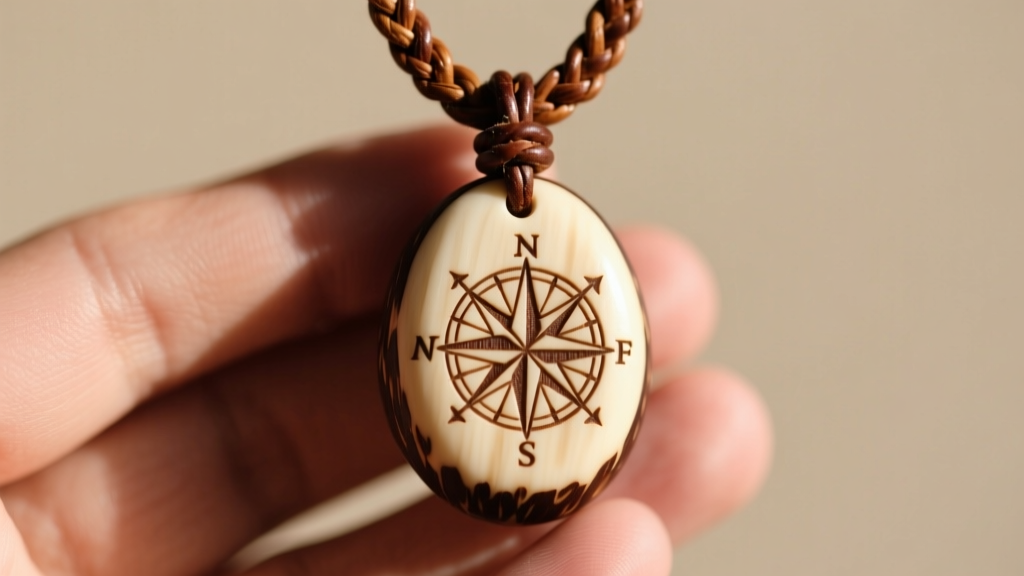
Gifting jewelry is often an exercise in navigating fleeting trends, but a scrimshaw necklace transcends seasonal fashion. Rooted in the maritime heritage of the 18th and 19th centuries, scrimshaw is the art of engraving intricate designs into bone, ivory, or horn, and then rubbing pigment into the incisions to reveal the image. According to the Mystic Seaport Museum, this craft was originally pioneered by whalers using sailmaker's needles and lampblack soot from the ship's galley. Today, modern artisans utilize high-carbon steel scribes and archival-grade India ink or acrylic pigments to achieve microscopic stippling and cross-hatching that rivals fine art printmaking.
When selecting a scrimshaw necklace as a gift, you are not merely buying a pendant; you are gifting a piece of living history. The tactile nature of the engraved substrate and the deeply personal, often nautical motifs make it an unparalleled choice for individuals with a connection to the ocean, naval service, or antique craftsmanship. However, navigating the modern market requires an understanding of ethical sourcing, substrate durability, and appropriate occasion matching.
Material Matrix: Ethical Substrates for 2026
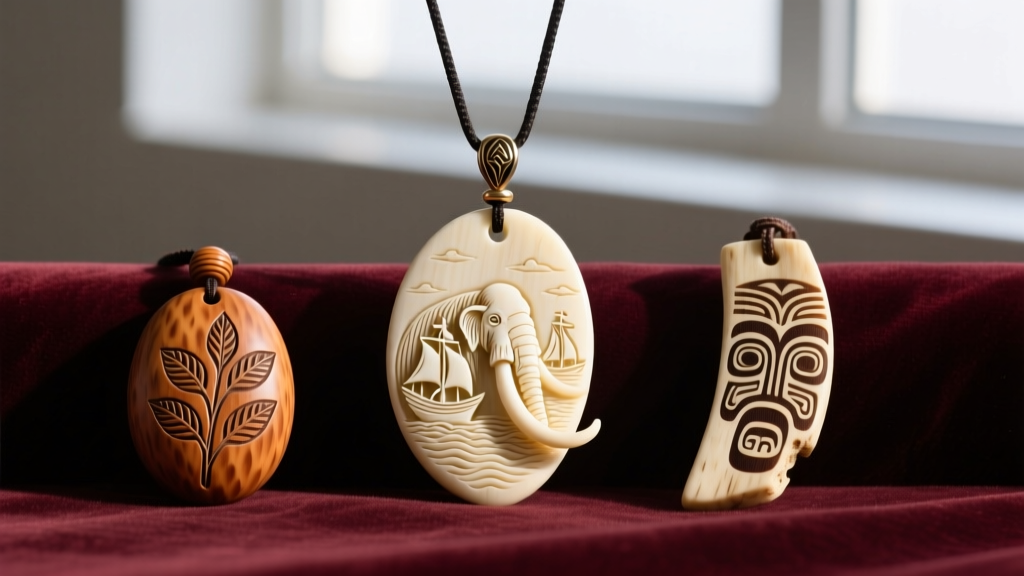
Historically, scrimshaw was carved on sperm whale teeth or baleen. Due to strict international CITES regulations and the 2026 global consensus on marine conservation, authentic antique whale ivory is heavily restricted and prohibitively expensive for casual gifting. Fortunately, contemporary scrimshaw artists have mastered alternative substrates that offer the same luxurious canvas for engraving. Below is a comparative framework to help you choose the right material base for your recipient.
| Substrate Material | Durability & Texture | Price Range | Best Gifting Occasion |
|---|---|---|---|
| Tagua Nut (Vegetable Ivory) | Moderate; warm tone, slightly porous | $45 - $120 | Eco-conscious gifts, casual nautical wear |
| Fossil Mammoth Ivory | High; dense, creamy, ancient grain | $350 - $1,500+ | Milestone anniversaries, luxury heirlooms |
| Ethically Sourced Bovine Bone | Moderate-High; bright white, smooth | $80 - $250 | Everyday maritime jewelry, groomsmen |
| Shed Elk/Deer Antler | High; textured, earthy, highly durable | $60 - $180 | Outdoorsy recipients, rustic heritage gifts |
For the most authentic visual experience, fossil mammoth ivory provides the exact density and translucency of historical whale ivory, allowing for incredibly fine stippling that captures the shading of a stormy seascape. Tagua nut, while more affordable and entirely plant-based, requires a slightly thicker line weight during engraving due to its organic cellular structure.
Occasion Matching: When to Gift Scrimshaw
The Maritime Retirement
For retirees of the Navy, Coast Guard, or Merchant Marine, a scrimshaw necklace is the ultimate tribute to a life spent at sea. Rather than opting for generic anchors, commission or seek out a piece featuring the specific silhouette of their deployed vessel, a traditional fouled anchor wrapped in hemp, or a nautical star compass. Pairing a mammoth ivory pendant with a 2.5mm braided Kevlar or waxed linen cord mimics the heavy-duty rigging of naval ships, adding a layer of tactile authenticity to the retirement gift.
The Nautical Anniversary
While the third wedding anniversary is traditionally associated with leather, modern couples frequently pivot toward experiential or heritage-based gifts. A scrimshaw necklace featuring a tandem engraving—such as two ships navigating the same coordinates, or a lighthouse guiding a vessel—serves as a profound metaphor for partnership. For anniversaries, opt for a high-polish bone or mammoth ivory base set in a sterling silver bezel, elevating the rustic craft into fine jewelry suitable for formal evening wear.
Heritage and Groomsmen Gifts
Scrimshaw makes an exceptional, gender-neutral groomsmen or heritage gift. Antler and bone pendants engraved with family crests, regional maritime maps, or Celtic knotwork offer a rugged, masculine aesthetic that outlasts standard engraved flasks or watches. Because these materials are highly resilient, they can be worn daily in outdoor environments without the fear of scratching precious metals or shattering gemstones.
Chain Pairings and Styling Framework
The chain you select fundamentally alters the formality and historical accuracy of the scrimshaw necklace. A mismatched chain can reduce a masterwork engraving to a cheap souvenir. Follow this styling framework to ensure the suspension hardware honors the pendant:
- Waxed Linen or Cotton Cord (2mm - 3mm): The most historically accurate pairing. The matte finish and organic texture of waxed cord complement the nautical origins of scrimshaw. Secure with a sterling silver tube clasp rather than a cheap base-metal lobster clasp.
- Sterling Silver Rolo Chain (18 - 20 inches): Best for elevating bone or mammoth ivory pendants into fine jewelry. The round, interlocking links of a rolo chain provide a vintage, maritime feel without looking like a modern fashion accessory. Ensure the gauge is at least 2.0mm to support the weight of dense ivory.
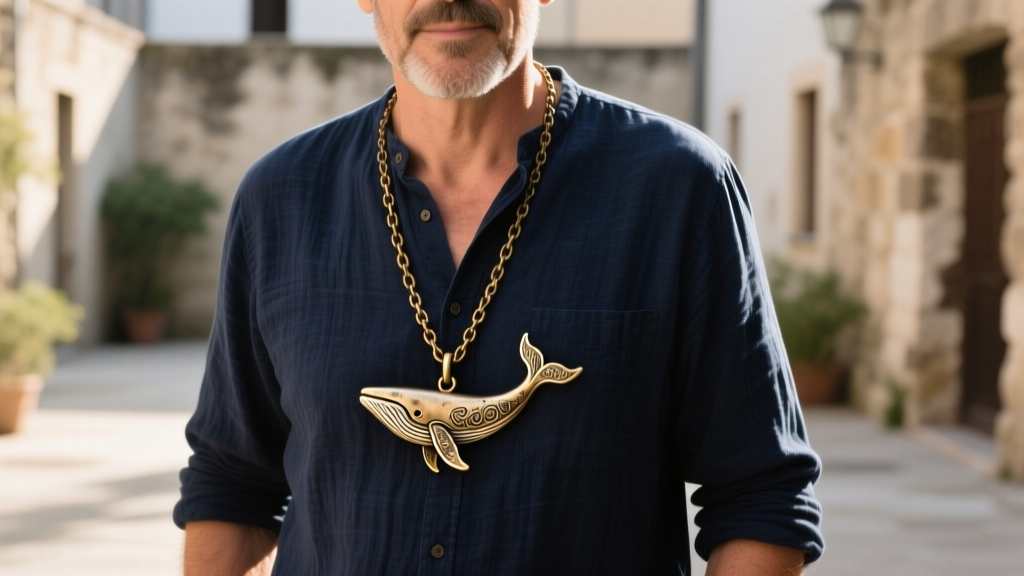
- Antiqued Brass Curb Chain: Ideal for a rugged, weathered aesthetic. Brass develops a natural patina over time that pairs beautifully with the sepia or black-ink tones of traditional scrimshaw engravings.
Archival Care: Preserving Hand-Engraved Ink
Gifting a scrimshaw necklace also means educating the recipient on its unique maintenance requirements. Unlike gold or platinum, organic substrates are hygroscopic (they absorb moisture) and sensitive to environmental shifts. The Canadian Conservation Institute outlines strict protocols for preserving bone and ivory artifacts, which apply directly to wearable scrimshaw.
To ensure the ink remains crisp and the substrate avoids cracking, advise the recipient to follow these non-negotiable care rules:
- Never use olive oil or skin creams: While some outdated guides suggest rubbing organic oils into bone, plant-based oils will eventually oxidize, turn rancid, and stain the porous material yellow. Only use 100% pure, food-grade mineral oil applied sparingly with a microfiber cloth once a year.
- Avoid ultrasonic cleaners: The high-frequency vibrations will literally shake the India ink or lampblack pigment out of the micro-fissures, ruining the contrast of the engraving.
- Manage UV exposure and humidity: Prolonged exposure to direct sunlight will bleach bone and tagua nut, while extreme humidity fluctuations can cause mammoth ivory to warp or crack. Store the necklace in a breathable cotton pouch rather than an airtight plastic bag, which can trap moisture and promote mold growth in organic pores.
A well-crafted scrimshaw necklace is not just an accessory; it is an archival artifact meant to be passed down through generations. Treat the engraving with the same reverence as a signed maritime logbook.
By understanding the ethical substrates, matching the motif to the recipient's personal maritime connection, and pairing it with the correct suspension hardware, you elevate the scrimshaw necklace from a simple trinket into a profoundly meaningful, lifelong heirloom.


