2026 Gift Guide: The Perfect Silver Chain Link Necklace
Discover the ultimate 2026 gift guide for silver chain link necklaces. Learn how to match link styles, silver grades, and lengths to any occasion.

Introduction: Why Silver Chain Link Necklaces Dominate 2026 Gifting
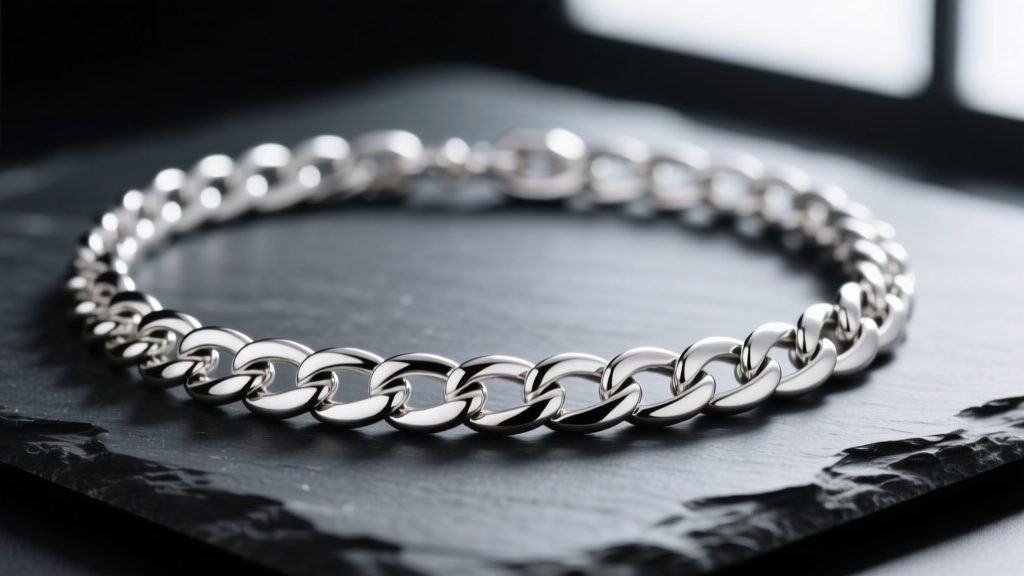
When selecting a timeless gift in 2026, the silver chain link necklace remains an undisputed champion of versatility and enduring style. Unlike trend-driven fast fashion jewelry that tarnishes and breaks within months, a well-crafted silver chain serves as a foundational wardrobe staple. Whether you are shopping for a minimalist partner, a bold trendsetter, or someone celebrating a major milestone, understanding the mechanics, metallurgy, and geometry of chain links is crucial. This comprehensive guide will help you navigate the nuances of silver grades, link profiles, and hardware to ensure your gift is both beautiful and structurally sound for decades to come.
Decoding Silver Grades: .925 Sterling vs. Argentium
Not all silver is created equal, and the alloy composition directly impacts the durability of a chain link necklace. According to the Gemological Institute of America (GIA), pure silver (.999) is far too soft for daily wear; a pure silver chain would stretch and deform under the weight of a simple pendant. Therefore, jewelers rely on alloys.
Standard .925 Sterling Silver
Composed of 92.5% silver and 7.5% copper, .925 sterling is the industry standard. The copper provides the necessary tensile strength to keep jump rings and links from pulling apart. However, copper is prone to oxidation, meaning .925 chains will tarnish when exposed to humidity and sulfur in the air. For a gift, this means the recipient will need to polish the chain periodically.
The 2026 Upgrade: Argentium Silver
For a premium gifting experience, look for Argentium silver (stamped .935 or .960). Argentium replaces a portion of the copper with germanium. This metallurgical tweak creates a transparent germanium dioxide layer on the surface that actively prevents tarnish. Gifting an Argentium silver chain link necklace is a massive value-add, as it requires virtually zero maintenance and stays brilliantly white for years.
Link Profiles: Matching the Chain to the Recipient's Style
The geometry of the links dictates the chain's drape, strength, and light reflection. Choosing the right profile is essential for matching the recipient's personal aesthetic.
Cable & Rolo: The Minimalist's Choice
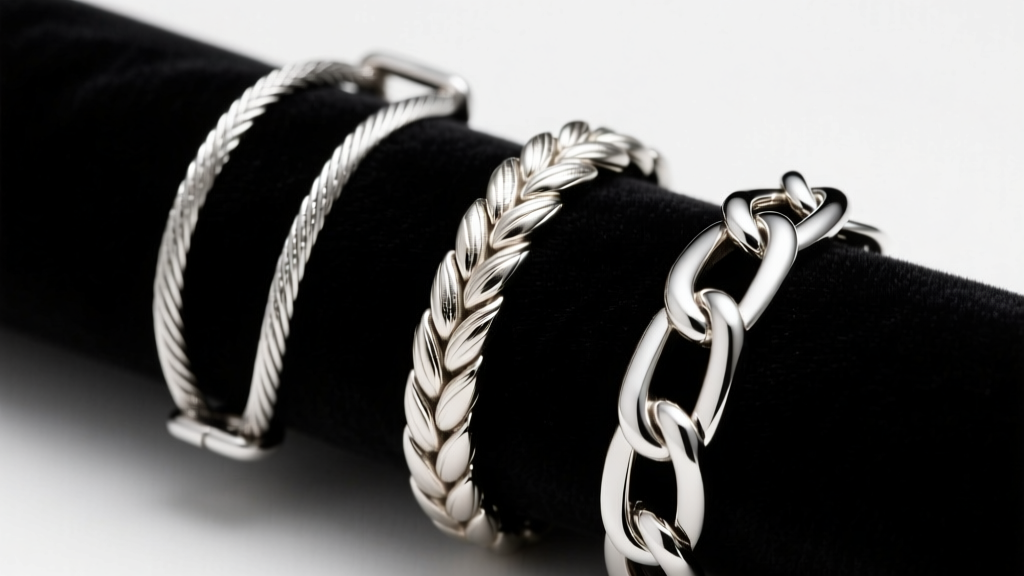
Cable chains feature uniform oval or round links, while Rolo chains use thicker, circular links with a flat interior. Both are lightweight, flexible, and ideal for holding delicate pendants. A 1.5mm to 2.0mm cable or rolo chain is the perfect understated gift for someone who prefers subtle, everyday elegance. Expect to pay between $40 and $90 for a high-quality 18-inch .925 rolo chain.
Curb & Figaro: Bold & Androgynous
Curb chains are created by twisting and flattening the links so they interlock tightly and lay perfectly flat against the collarbone. The Figaro chain is a variation of the curb, featuring a pattern of three short links followed by one long link. These styles are inherently bolder and possess an androgynous, architectural appeal. A 3.5mm to 5.0mm curb chain is a striking statement piece that can be worn alone or layered. Pricing for solid curb chains ranges from $120 to $350, depending on the gram weight.
Box & Wheat: Texture & Elegance
Box chains are constructed from square links connected at 90-degree angles, creating a smooth, continuous, and highly reflective surface. They are incredibly strong and rarely kink. Wheat (or Spiga) chains feature twisted, woven oval links that resemble stalks of wheat, offering a rich, intricate texture. Both are excellent choices for an anniversary or milestone gift, exuding a premium, sophisticated weight.
Occasion Matrix: Which Chain for Which Milestone?
To streamline your gifting decision, consult this structural matrix. It aligns specific chain types, gauges, and lengths with the most appropriate gifting occasions.
| Occasion | Recommended Link Profile | Ideal Gauge / Width | Best Length | Estimated Price Range |
|---|---|---|---|---|
| High School / College Graduation | Rolo or Cable | 1.5mm - 2.5mm | 18" - 20" | $60 - $120 |
| Significant Anniversary (5th, 10th) | Box or Wheat | 2.5mm - 4.0mm | 16" - 18" | $150 - $350 |
| Milestone Birthday (21st, 30th) | Curb or Figaro | 3.5mm - 5.5mm | 20" - 24" | $200 - $500+ |
| Holiday / 'Just Because' | Snake or Herringbone | 2.0mm - 3.0mm | 16" (Choker) | $80 - $180 |
Note: Always verify whether a chain in the higher price brackets is solid or hollow-core. Hollow-core chains look thick but dent easily and are nearly impossible to repair. Always gift solid silver for milestone occasions.
The Hardware: Clasps and Soldered Rings
A chain is only as secure as its weakest connection point. Overlooking the hardware is the most common mistake buyers make when purchasing a silver chain link necklace as a gift.
Clasp Mechanics
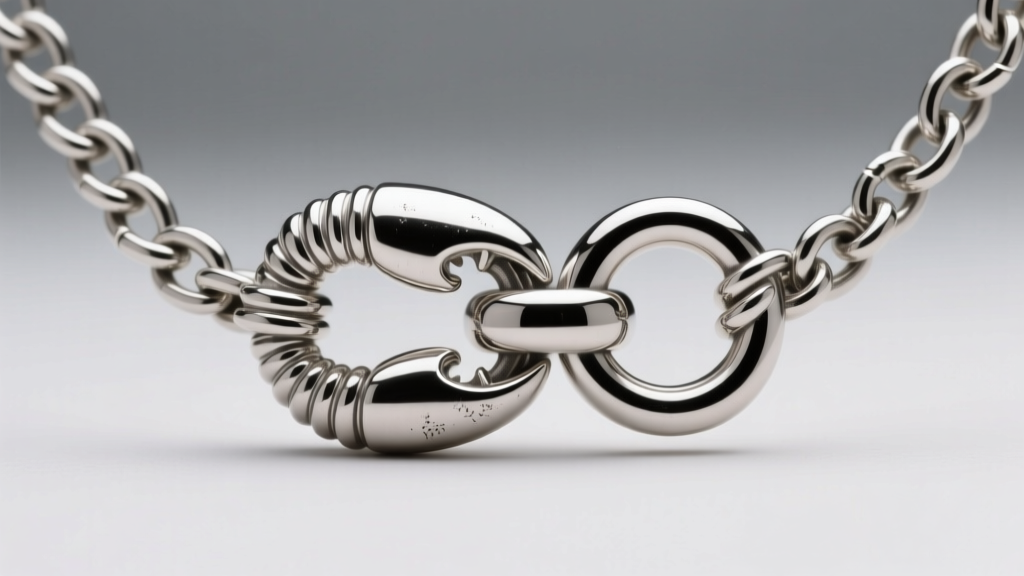
Avoid spring ring clasps at all costs. They rely on a tiny internal steel spring that frequently snaps, leading to lost jewelry. Instead, ensure the necklace features a lobster claw clasp. Lobster claws are self-closing, highly secure, and easily repairable. For heavy chains (over 40 grams), a box clasp with a figure-eight safety is mandatory. This mechanism locks the chain in place and features a secondary wire safety that catches the chain if the primary latch fails.
The Importance of Soldered Jump Rings
The jump ring is the small circular wire that connects the chain to the clasp. On mass-produced, lower-quality chains, these rings are simply bent shut, leaving a tiny gap. A firm tug will pull the gap open, dropping the necklace. As noted by the Jewelers of America, proper chain construction requires soldered jump rings—meaning the gap is fused shut with heat and silver paste. Always inspect the jump rings near the clasp before wrapping your gift; if you see a seam, take it to a local jeweler for a quick, $15 soldering job to ensure it is gift-ready.
Sizing & Layering: The 2026 Proportions
Understanding length and layering is key to gifting a piece that fits seamlessly into the recipient's current collection. In 2026, the "cascade" layering method remains highly popular. This involves wearing three chains of varying weights and lengths:
- The Anchor (14" - 16"): A delicate 1.2mm cable or box chain that sits high on the collarbone, often featuring a small bezel-set gemstone.
- The Core (18" - 20"): A medium-weight 2.5mm rolo or wheat chain that rests on the upper chest, serving as the primary pendant holder.
- The Statement (22" - 26"): A heavy 4.5mm+ curb or figaro chain that drapes lower, providing architectural contrast and visual weight.
If you are unsure of the recipient's exact preferences, an 18-inch chain with a 2-inch extender is the most universally flattering and versatile option. It allows the wearer to adjust the drop to accommodate different necklines, from high crewnecks to deep V-necks.
Conclusion
Gifting a silver chain link necklace is an investment in the recipient's personal style narrative. By prioritizing durable alloys like Argentium or high-quality .925 sterling, selecting a link profile that matches their aesthetic, and rigorously checking the clasp and jump ring hardware, you elevate your gift from a simple accessory to a lifelong heirloom. Use this guide to confidently navigate the jewelry counter and present a piece that will be worn, loved, and layered for years to come.