Silver Choker Necklace for Women: 2026 Budget & Value Guide
Discover the true value of a silver choker necklace for women in 2026. Compare .925 sterling prices, plating costs, and budget tiers for lasting quality.


The Real Cost of Silver Chokers in 2026: Market Overview
When building a curated jewelry collection, the choker remains a foundational piece. Many shoppers type 'choker necklace for women silver' into search engines, only to be met with a confusing mix of $15 fast-fashion accessories and $300 designer pieces. In 2026, with raw silver spot prices fluctuating between $28 and $34 per troy ounce, understanding the true manufacturing cost of jewelry is no longer optional—it is essential for protecting your wallet.
A standard 15-inch choker weighing 12 grams contains roughly 0.35 troy ounces of pure silver. At current market rates, the raw melt value of the metal alone is approximately $10 to $12. When you factor in labor, casting, polishing, rhodium plating, and retail markup, a genuine, high-quality solid silver choker should realistically start around the $45 mark. Anything significantly cheaper is almost certainly hiding a base metal core beneath a microscopic layer of silver plating. This guide breaks down the metallurgy, hardware mechanics, and pricing tiers to help you assess true value.
Decoding Silver Grades: .925 vs. .999 vs. Plated
Not all silver is created equal, and the stamp on the clasp tells only half the story. According to the Federal Trade Commission Jewelry Guides, manufacturers must adhere to strict purity standards when stamping precious metals. Here is how the grades break down for neckwear:
- .925 Sterling Silver: Composed of 92.5% pure silver and 7.5% alloy (usually copper). This is the gold standard for chokers. The copper adds the necessary tensile strength to prevent the chain from stretching or snapping under the tension of daily wear.
- .999 Fine Silver: While technically purer, fine silver is far too soft for chokers. A .999 chain will easily kink, warp, and lose its shape when subjected to the friction and pulling of a close-fitting neckline.
- Silver-Plated Brass/Copper: A base metal core coated with a thin wash of silver (often less than 0.5 microns thick). Once the plating wears off—usually within 3 to 6 months of daily wear—the copper core reacts with your skin's acidity, resulting in the dreaded 'green neck' effect.
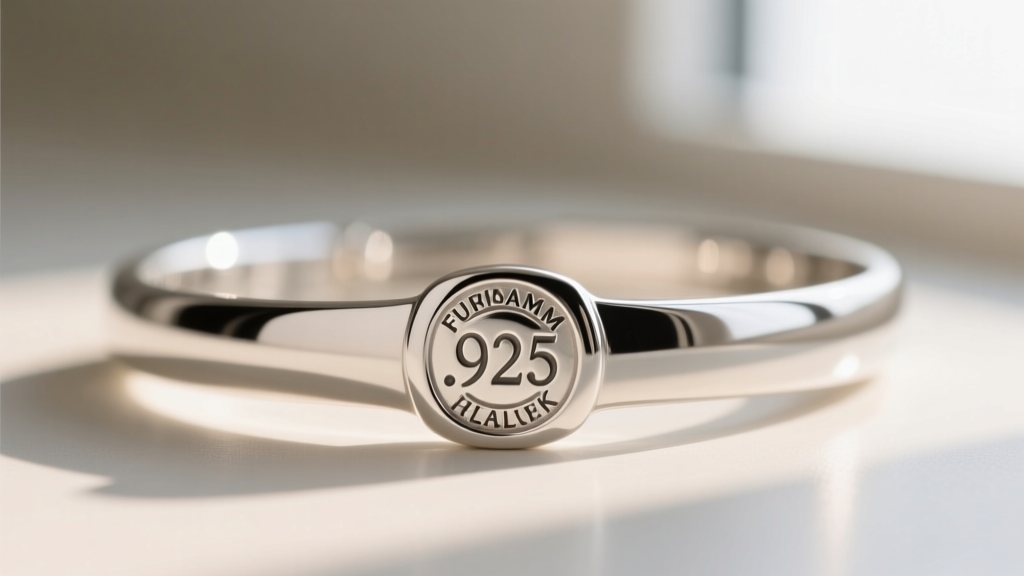
For a comprehensive understanding of global silver production and purity standards, The Silver Institute provides excellent metallurgical data confirming that .925 remains the most durable and practical grade for body-worn accessories.
Budget Tiers: What You Actually Get for Your Money
To accurately assess value, we must look beyond the price tag and examine the weight, finish, and hardware. Below is the 2026 market breakdown for silver chokers.
| Price Tier | Material Core | Average Weight | Clasp Type | Expected Lifespan |
|---|---|---|---|---|
| Under $35 | Silver-Plated Brass | 5g - 10g | Spring Ring | 6 - 12 Months |
| $45 - $85 | Solid .925 Sterling | 12g - 18g | Lobster Clasp | Lifetime (with care) |
| $90 - $160+ | Heavyweight .925 / Artisan | 20g - 35g+ | Custom / Magnetic | Generational |
Tier 1: Under $35 (The Plated Trap)
At this price point, you are paying for the brand name or the trend, not the material. These chokers are mass-produced using brass or copper alloys. While they may look identical to solid silver on day one, the friction of a choker sitting tightly against the collarbone will rapidly accelerate the wear of the silver plating. Avoid this tier if you have sensitive skin or nickel allergies, as base metal alloys frequently contain nickel as a hardening agent.
Tier 2: $45 - $85 (The .925 Sweet Spot)
This is where true value lives. Brands operating in this tier are selling solid .925 sterling silver with a fair markup for craftsmanship. You should expect a chain weight of at least 12 grams, a secure lobster clasp, and a high-polish or rhodium-plated finish. This tier offers the best cost-per-wear ratio for everyday jewelry.
Tier 3: $90 - $160+ (Artisan & Heavyweight)
Premium pricing in this bracket is justified by heavy gram weights (20g+), complex chain weaves (like hand-soldered Byzantine or thick Cuban links), and ethically sourced, traceable metals. You are paying for structural integrity, artisan labor, and advanced anti-tarnish treatments.
Chain Architecture: Which Styles Survive the Choker Test?
The structural design of the chain dictates how well it performs as a choker. Because chokers sit high on the neck, they are subjected to constant bending, twisting, and friction against clothing.
- Herringbone & Snake Chains: Visually stunning and highly reflective, but notoriously fragile. The flat, interlocking links have a memory effect; once kinked, they cannot be fully repaired. Best reserved for occasional evening wear.
- Cable & Paperclip Chains: The undisputed champions of daily wear. The open, rounded links allow for maximum flexibility and resist kinking. A 3mm to 5mm paperclip chain offers a modern, architectural look while maintaining supreme durability.
- Curb & Cuban Links: Heavier and more masculine, these lay flat against the skin and distribute tension evenly across the soldered links. Excellent for a bold, streetwear-inspired choker aesthetic.
Hardware & Clasp Mechanics: Where Cheap Brands Fail
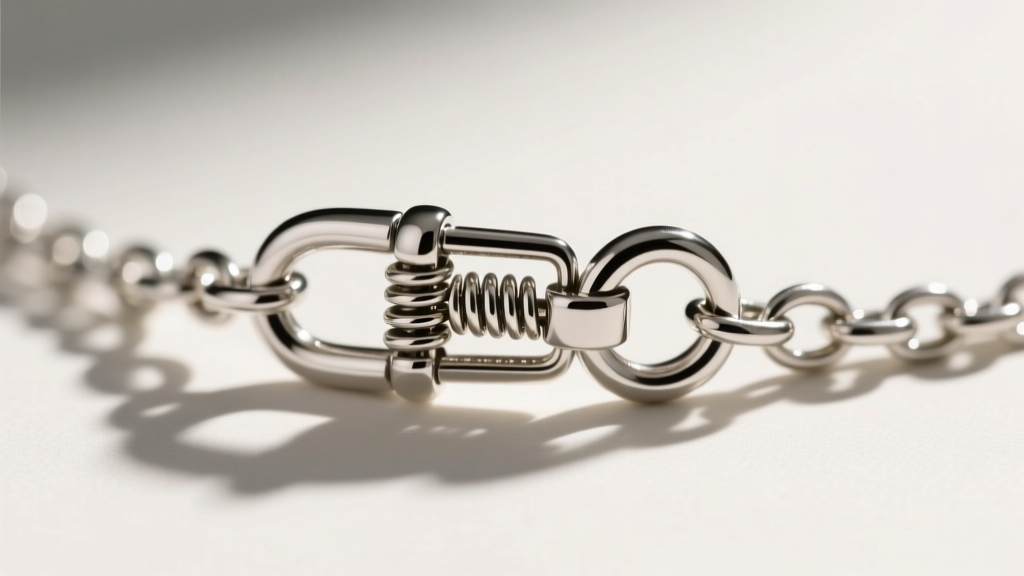
A choker is only as secure as its weakest link, which is almost always the clasp assembly. Budget manufacturers frequently cut costs by using tiny 8mm spring ring clasps and unsoldered jump rings. Spring rings are difficult to operate blindly at the nape of the neck, and unsoldered jump rings will easily pull apart when the chain catches on a sweater.
The Value Standard: Insist on a cast or stamped lobster clasp (minimum 12mm in length) paired with a 2-inch extender chain. The extender is crucial for chokers, as neck sizes vary and a rigid 14-inch chain may sit uncomfortably tight on some collarbones. Furthermore, ensure the jump rings connecting the clasp to the chain are soldered (fused shut with silver solder) or feature a secure split-ring mechanism. The wire gauge of the jump rings should be no thinner than 1.2mm to withstand lateral pulling forces.
The Tarnish Test: Maximizing Your Investment
Sterling silver tarnishes due to the copper content reacting with sulfur and moisture in the air. In 2026, advanced electroplating techniques have made tarnish resistance more accessible than ever. High-value chokers are often finished with a 0.2 to 0.5-micron layer of rhodium—a platinum-group metal that provides a brilliant, cool-white finish and acts as an impenetrable barrier against oxidation.
However, rhodium plating is not permanent. To maximize the lifespan of your investment, store your silver choker in an airtight polyethylene bag with a 3M anti-tarnish strip when not in use. Avoid wearing solid silver chokers in chlorinated pools or hot tubs, as chlorine causes irreversible chemical pitting and severe blackening of the silver alloy that requires professional polishing to remove.
Final Verdict: How to Spot True Value
Assessing the budget and value of a silver choker requires looking past the marketing imagery and examining the physical specifications. A true value piece will clearly disclose its .925 purity, offer a gram weight that justifies the price, utilize heavy-duty soldered hardware, and feature a durable chain architecture like a cable or paperclip link. By anchoring your expectations to the raw cost of silver and the realities of jewelry manufacturing, you can confidently invest in a choker that will maintain its structural integrity and aesthetic brilliance for decades to come.


