Sinew Necklace Materials: Natural vs Synthetic Cord Compared
Compare natural and synthetic sinew necklace cords. Discover tensile strength, water resistance, and best uses for heavy pendants and bead weaving.


When it comes to crafting durable, rustic, or bohemian jewelry, the cord you choose is just as critical as the pendant it holds. The term 'sinew necklace' historically referred to cords made from animal tendons, prized by indigenous cultures for their incredible tensile strength. Today, the jewelry industry has largely transitioned to synthetic alternatives that mimic the aesthetic of natural sinew while vastly outperforming it in durability and consistency. Understanding the material science behind both natural and synthetic sinew is essential for jewelers and collectors alike.
The Material Science of Natural Sinew
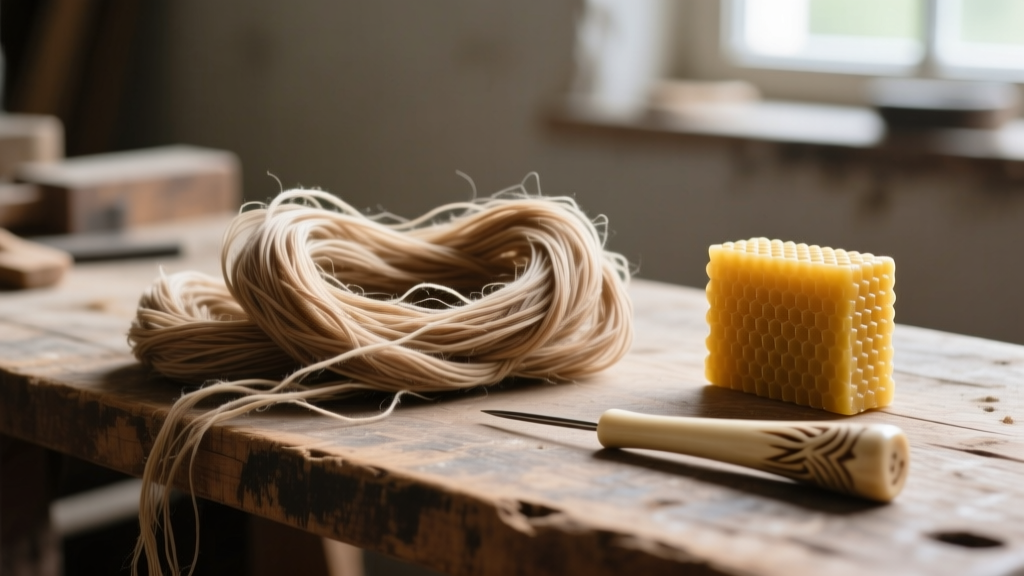
Natural sinew is derived from the tendons of animals, most commonly the backstrap or leg tendons of deer, elk, or moose. Structurally, sinew is composed of dense, parallel bundles of collagen fibers. When harvested and dried, these fibers become incredibly hard and rigid. To use them for a sinew necklace, the tendon must be rehydrated and pounded to separate it into fine, thread-like filaments.
Tensile Strength and Preparation Limitations
The tensile strength of properly prepared natural sinew is remarkable, often exceeding 20,000 PSI, which rivals some lower-grade steel alloys. However, natural sinew is highly hygroscopic. It absorbs moisture from the air and skin, which causes it to stretch when wet and shrink aggressively as it dries. This constant expansion and contraction can eventually abrade the drill holes of delicate gemstone beads. Furthermore, without a heavy coating of natural beeswax, natural sinew is highly susceptible to bacterial degradation and rot if exposed to persistent moisture.
Synthetic Sinew: The Modern Standard for Durability
To overcome the biological limitations of animal tendon, modern jewelry makers utilize synthetic sinew. This category is primarily divided into two distinct materials: waxed braided polyester and extruded braided nylon. While both are colloquially sold as 'artificial sinew,' their physical properties dictate entirely different use cases in necklace construction.
Waxed Polyester vs. Braided Nylon
Waxed polyester (often recognized by premium brands like Ritza Tiger Thread) is constructed from flat, braided polyester fibers heavily impregnated with a microcrystalline or beeswax blend. This wax coating serves a dual purpose: it waterproofs the cord and creates high surface friction, allowing knots to 'bite' and lock into place without the need for cyanoacrylate (super glue).
Conversely, braided nylon is typically round, extruded, and possesses a slight degree of elastomeric stretch. While nylon offers excellent abrasion resistance against sharp-edged stone beads, it lacks the structural rigidity of waxed polyester, making it less ideal for complex macrame or sliding knot closures where structural memory is required.
Head-to-Head Material Comparison
Choosing the right cord requires looking at empirical data rather than marketing claims. The following table breaks down the core material properties of natural sinew against its two primary synthetic counterparts.
| Property | Natural Sinew (Deer/Elk) | Waxed Polyester (Synthetic) | Braided Nylon (Synthetic) |
|---|---|---|---|
| Tensile Strength (0.8mm) | Variable (Highly dependent on prep) | ~66 lbs (30 kg) | ~40 lbs (18 kg) |
| Water Resistance | Poor (Absorbs moisture, rots) | Excellent (Hydrophobic wax) | Excellent (Hydrophobic polymer) |
| UV Degradation | High (Brittle over time) | Low (UV stabilized) | Moderate (Can yellow/weaken) |
| Knot Security | Moderate (Requires heavy waxing) | Exceptional (Wax creates friction) | Good (Slippery, may need glue) |
| Biocompatibility | Low (Allergen risk) | High (Chemically inert) | High (Chemically inert) |
Practical Applications: Matching Cord to Pendant Weight
A common failure mode in handmade jewelry is cord snap or excessive stretching due to a mismatch between the cord gauge and the pendant's mass. According to structural guidelines outlined by Fire Mountain Gems, matching the denier and diameter of your synthetic sinew to the weight of your focal piece is non-negotiable for long-term wearability.
- Lightweight Pendants (Under 20g): Use 0.4mm to 0.6mm waxed polyester. This gauge is thin enough to pass through most standard gemstone beads (which typically have 0.8mm to 1.0mm drill holes) while providing more than enough break strength for lightweight resin, wood, or small crystal pendants.
- Medium Pendants (20g to 80g): Opt for 0.8mm to 1.0mm waxed polyester or 1.5mm braided nylon. This is the sweet spot for standard turquoise, jasper, or brass pendants. The 0.8mm waxed poly offers a break strength of roughly 66 lbs, providing a massive safety factor for a 3-ounce pendant.
- Heavy Pendants (Over 80g): Use 1.5mm to 2.0mm+ braided nylon, or double up strands of 1.0mm waxed polyester. Heavy metal castings or large, uncut geode slices require the shock-absorbing qualities of thicker nylon or the compounded tensile strength of multi-strand polyester.

Knotting Mechanics and Finishing Techniques
The finishing technique of a sinew necklace is where the material properties truly shine or fail. Waxed polyester is the undisputed champion for adjustable sliding knots (such as the macrame square knot). The wax coating acts as a solid lubricant when the cord is pulled, allowing the necklace to resize, but creates immense static friction when resting against the skin, preventing the knot from slipping out of adjustment.
When terminating the ends of a synthetic sinew necklace, heat is preferred over adhesives. Nylon melts cleanly into a hard, rounded bead when touched with a thread burner or lighter, creating a natural stopper. Polyester, however, has a higher melting point and can become brittle or char if overheated. Expert jewelers recommend using a specialized thread burning tool with a precise, low-heat tip to melt polyester fibers just enough to fuse them without compromising the structural integrity of the adjacent knot.
Biocompatibility and Skin Sensitivities
An often-overlooked aspect of material selection is biocompatibility. Natural animal sinew carries inherent risks for individuals with specific biological sensitivities. People suffering from Alpha-gal syndrome (an allergy to mammalian meat and byproducts triggered by tick bites) can experience severe contact dermatitis or systemic allergic reactions when wearing raw or poorly sealed natural sinew against their pulse points.
Synthetic sinew, particularly high-grade waxed polyester, is chemically inert and hypoallergenic. The polymers used do not leach chemicals, and the microcrystalline waxes used in premium cords are dermatologically safe. For jewelers selling to a broad commercial market, synthetic sinew eliminates the liability and customer discomfort associated with organic allergens, making it the superior choice for modern, wearable art.


