Smoky Quartz Bead Necklace Value: 2026 Price Guide
Discover the true value of a smoky quartz bead necklace in 2026. Learn grading, pricing tiers, and how to spot irradiated or glass fakes before buying.

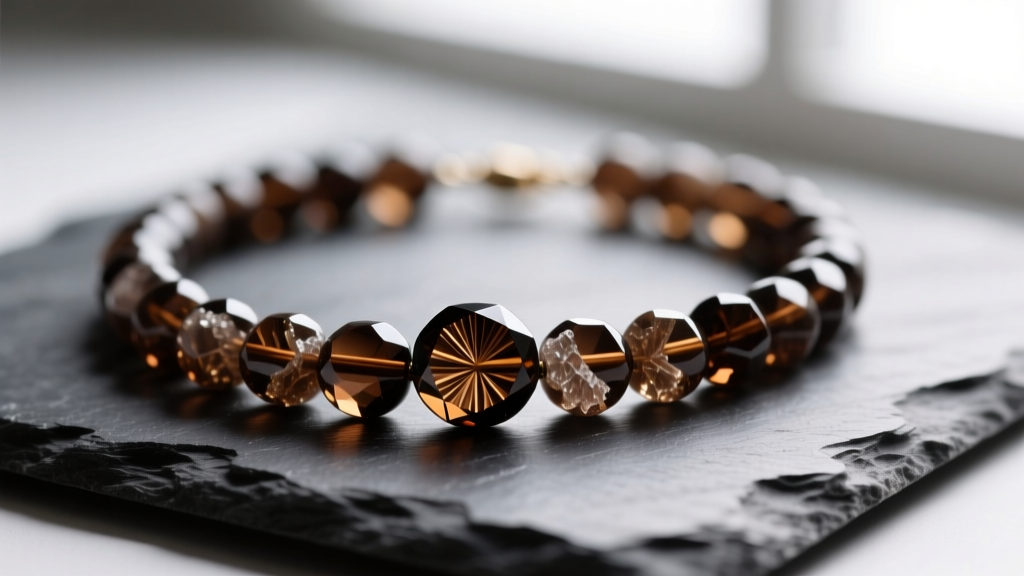
The market for gemstone jewelry has shifted dramatically over the last few years, and the smoky quartz bead necklace remains a staple for both minimalist fashion enthusiasts and serious crystal collectors. However, the price gap between a $15 tourist-shop strand and a $400 artisan-crafted piece can be baffling. As we navigate the 2026 jewelry market, understanding the exact metrics of value—ranging from geological origins to stringing mechanics—is essential for making an informed purchase.
Whether you are evaluating a vintage estate piece or shopping for a modern statement strand, this comprehensive value assessment will help you determine exactly what you should be paying for, and where the hidden costs lie.
The Real Cost of Smoky Quartz: Natural vs. Treated
To assess value, you must first understand the origin of the stone's color. Natural smoky quartz gets its signature brown-to-black hue from a specific geological process. According to mineralogical data from Mindat.org, the color is caused by trace amounts of aluminum substituting for silicon in the crystal lattice, combined with natural gamma radiation from surrounding radioactive rocks over millions of years.
However, the vast majority of commercial smoky quartz on the market is artificially irradiated. Clear or pale rock crystal is exposed to gamma rays in a laboratory to induce the smoky color center. The Gemological Institute of America (GIA) notes that while this treatment is permanent and widely accepted, it fundamentally alters the rarity and, consequently, the financial value of the material.
How to Tell the Difference
- Natural Smoky Quartz: Often exhibits subtle color zoning, natural mineral inclusions (like rutile needles or black tourmaline), and commands a 30% to 50% premium in the 2026 market.
- Irradiated Smoky Quartz: Tends to have an overly uniform, opaque, or artificially dark brown/black color. It is perfectly fine for fashion jewelry but should not be priced as a rare collector's item.
Grading Smoky Quartz Beads: What You Actually Pay For
Unlike faceted diamonds, quartz beads are graded on a more subjective scale, primarily focusing on clarity, color consistency, and cut (polish). When evaluating a smoky quartz bead necklace, look for these specific tier markers:
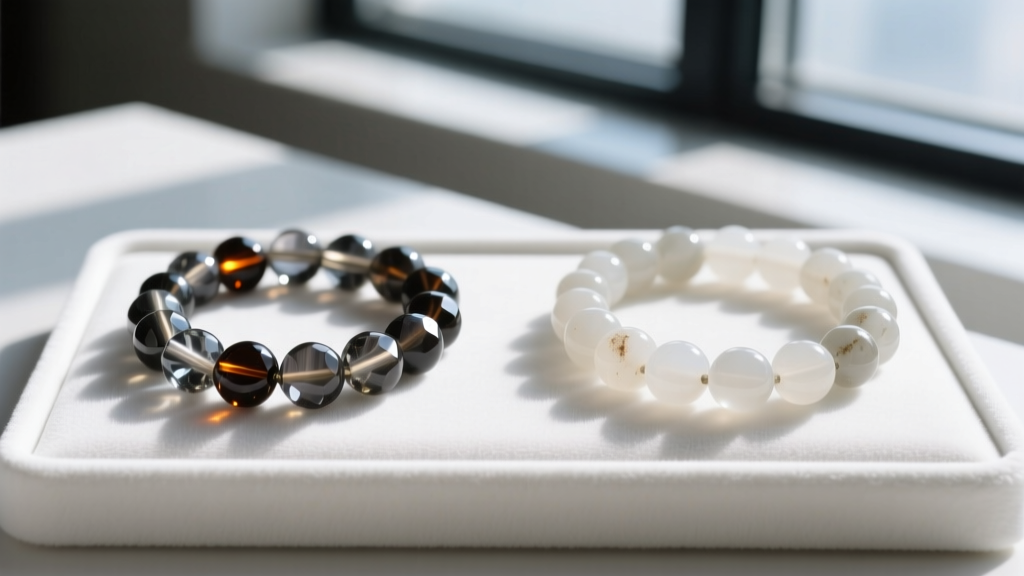
- AAA Grade (Premium): Eye-clean transparency, rich and consistent chocolate-brown hue, and a mirror-like polish. The drill holes are perfectly centered with zero 'blowouts' (chipping around the hole). These are typically cut from high-quality Brazilian or Madagascar rough.
- AA Grade (Mid-Tier): Slight inclusions visible under close inspection, minor color banding between individual beads, and good overall translucency. This is the sweet spot for everyday wear and offers the best balance of cost and aesthetics.
- A Grade (Commercial): Opaque, heavily included, muddy or grayish-brown color. Beads may have flat spots, uneven rounding, or visible chipping near the drill holes. Often sold in bulk or at mall kiosks.
2026 Market Pricing Tiers for Smoky Quartz Bead Necklaces
Pricing a smoky quartz bead necklace requires looking at the intersection of bead diameter, grade, and hardware. Below is the current 2026 retail pricing matrix for standard 18-inch princess-length necklaces.
| Bead Size | Grade | Stringing Material | Clasp Hardware | Est. Retail Price (2026) |
|---|---|---|---|---|
| 6mm | AA | Nylon Cord | Sterling Silver Lobster | $35 - $60 |
| 8mm | AAA | Silk (Hand-Knotted) | Sterling Silver Toggle | $95 - $160 |
| 10mm | AAA | Soft Flex Wire | 14k Gold-Filled | $180 - $280 |
| 12mm - 14mm | AAA (Natural) | Heavy-Duty Wire | Solid 14k Gold | $350 - $650+ |
Note: Prices reflect independent artisan jewelers and specialized gemstone dealers. Fast-fashion retailers may offer lower prices but typically utilize A-grade beads and base-metal clasps that degrade quickly.
Hardware & Stringing: Hidden Costs That Dictate Value
A common mistake buyers make is focusing solely on the gemstone while ignoring the structural integrity of the necklace. The stringing material and clasp hardware account for up to 40% of the labor and material cost in high-end bead necklaces.
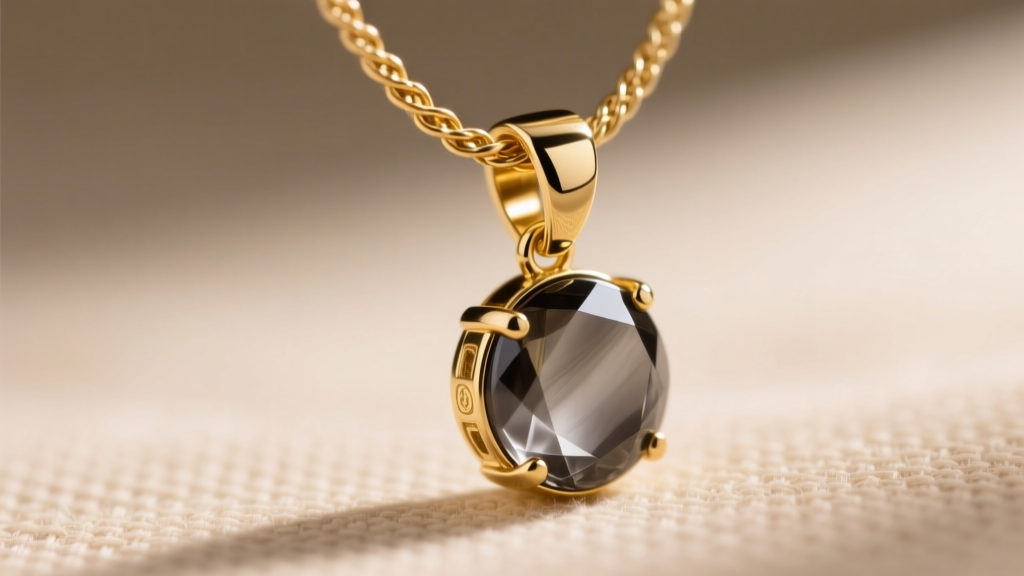
Stringing Materials
For beads 8mm and larger, the weight of the quartz (which has a specific gravity of 2.65, making it surprisingly heavy) requires robust support. Soft Flex wire (a multi-strand stainless steel core coated in nylon) is the 2026 industry standard for durability. It prevents the necklace from stretching or snapping under the weight of the stones.
Conversely, traditional silk thread is prized in luxury pieces for its beautiful drape and the security of hand-knotting between each bead. If a silk strand breaks, you only lose one bead rather than the entire necklace. However, silk degrades with exposure to oils and moisture, requiring professional restringing every 2 to 4 years—a hidden maintenance cost you must factor into your budget.
Clasp Mechanics
A heavy 10mm smoky quartz necklace will easily snap a cheap base-metal lobster claw. High-value pieces utilize toggle clasps or box clasps with safety figures crafted from solid sterling silver or 14k gold-filled materials. If a seller is charging over $150 for a strand but uses a magnetic clasp or plated brass hardware, the piece is severely overpriced.
How to Spot Fakes and Overpriced Pieces
While smoky quartz is relatively abundant, its popularity makes it a target for cheap imitations. Here is how to protect your wallet from common market deceptions:
"The thermal conductivity test is your best friend. Glass imitations feel warm to the touch almost immediately, whereas genuine quartz feels distinctly cool and takes longer to absorb body heat."
- Brown Glass: Often sold as 'smoky quartz' in unregulated markets. Inspect the beads under a 10x jeweler's loupe. If you see tiny, perfectly round air bubbles, it is glass. Quartz will show natural crystalline fractures or liquid inclusions instead.
- Dyed Agate or Chalcedony: Sometimes dyed brown to mimic smoky quartz. Look for dye concentration in the cracks or around the drill holes. True smoky quartz has color that is integral to the crystal structure, not painted on the surface.
- The 'Blowout' Check: Examine the drill holes. High-value necklaces feature clean, sharp drill holes. Mass-produced, low-value beads often have 'blowouts'—crater-like chips on the exit side of the drill hole caused by cheap, high-speed manufacturing.
Care and Maintenance to Protect Your Investment
To maintain the resale value and structural integrity of your smoky quartz bead necklace, proper care is non-negotiable. Smoky quartz ranks at a 7 on the Mohs hardness scale, making it resistant to everyday scratches, but it is still vulnerable to hard impacts.
Avoid ultrasonic cleaners, especially if your beads contain liquid inclusions or internal fractures, as the high-frequency vibrations can cause the beads to shatter from the inside out. Instead, clean your necklace using warm water, a drop of mild dish soap, and a soft microfiber cloth. Always store the necklace flat or hung vertically to prevent the stringing material from developing permanent memory kinks.
Final Verdict: Is It Worth the Investment?
A smoky quartz bead necklace is an excellent investment in versatile, earth-toned elegance, provided you are paying for the right metrics. If you are buying for everyday fashion, an 8mm AA-grade strand on nylon wire with a sterling clasp in the $50 to $80 range offers unbeatable value. If you are a collector or seeking a luxury statement piece, insist on AAA-grade, naturally colored stones with premium hardware, and expect to pay the $200+ premium that true craftsmanship demands. By scrutinizing the drill holes, verifying the stringing material, and understanding the difference between natural and treated stones, you can confidently navigate the 2026 market and secure a piece that holds its value for decades.


