2026 Symbolic Necklaces: Trend Analysis & Styling Guide
Discover the top 2026 trends in symbolic necklaces. Expert analysis on motifs, material grades, layering techniques, and pricing for meaningful jewelry.

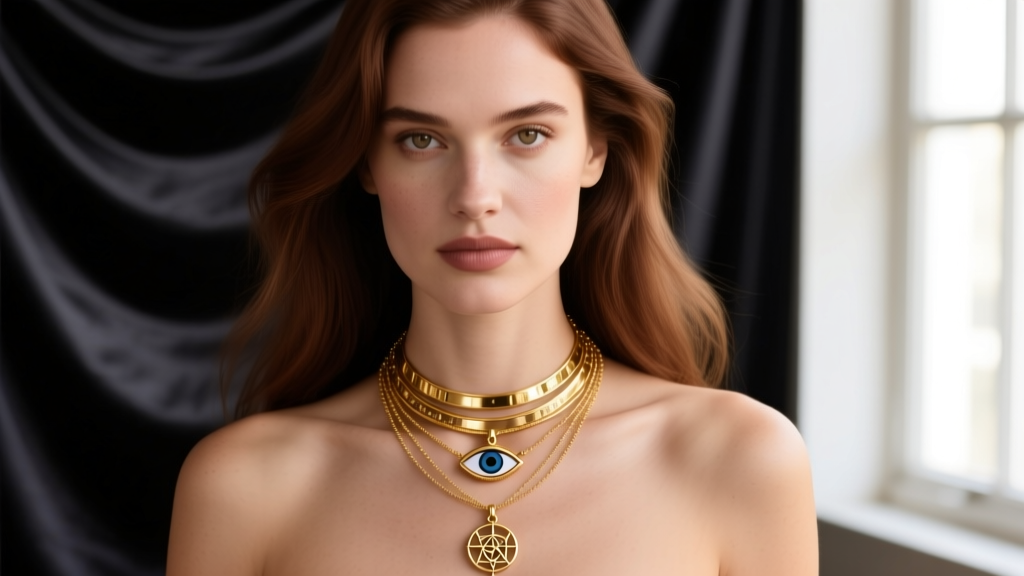
The Evolution of Meaning: Why Symbolic Necklaces Dominate 2026
The jewelry market has undergone a seismic shift away from conspicuous branding toward deeply personal talismans. In 2026, symbolic necklaces are no longer just accessories; they are narrative devices. Consumers are investing in pieces that reflect their heritage, spiritual beliefs, and personal milestones. This macro-trend is driven by a desire for permanence in an increasingly digital world. However, the modern collector demands more than just a recognizable shape—they require heirloom-quality metallurgy, ethical sourcing, and sophisticated design that transcends costume jewelry tropes.
Top 5 Symbolic Motifs Trending Now
The visual language of talismanic jewelry has matured. We are seeing a departure from mass-produced, stamped-out charms toward intricate, artisan-crafted motifs.
- The Alchemical Revival: Symbols representing the classical elements (Earth, Air, Fire, Water) and planetary alignments are being rendered in minimalist, matte-finished 14k gold. The trend favors geometric precision over ornate mysticism.
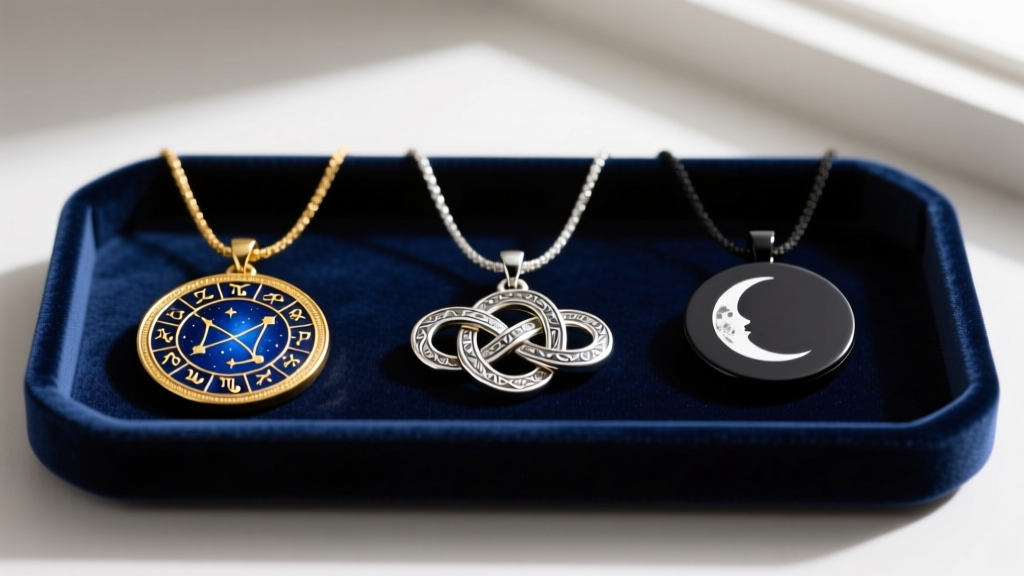
- Hyper-Personalized Astrology: Simple sun-sign pendants are out. The 2026 standard is the CNC-milled natal chart wheel, mapping the exact planetary positions of the wearer's birth, often accented with lab-grown diamond markers for the ascendant and midheaven.
- The Fede Motif: Originating from Italian 'faith' rings, the Fede (two hands clasped) is being adapted into necklaces with articulated joints, allowing the hands to open and close, revealing a hidden gemstone or enamel heart.
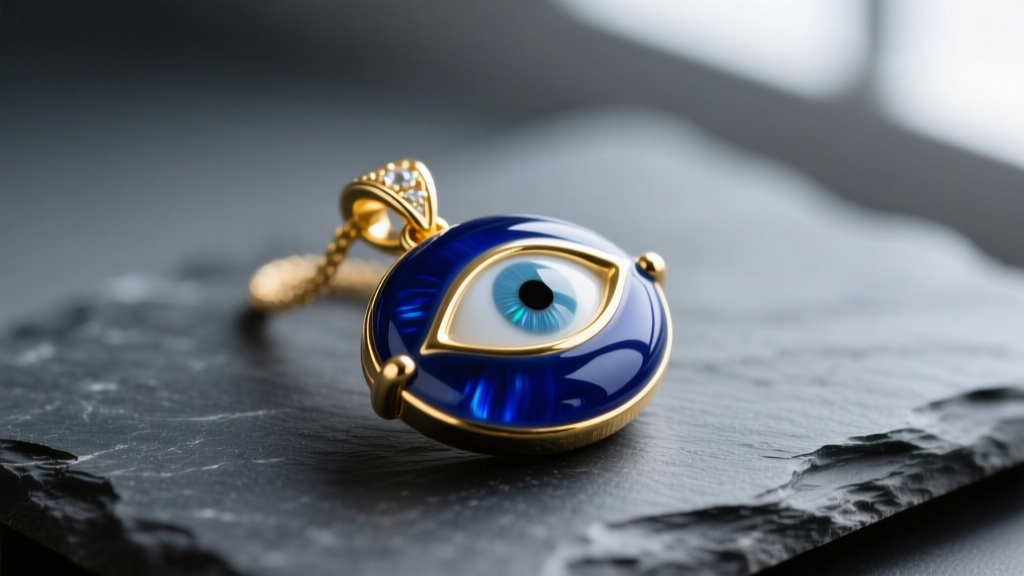
- Evil Eye 2.0: The ubiquitous evil eye has been deconstructed. Designers are using asymmetric settings, negative space, and deep-hued lab-grown sapphires to create subtle, high-end iterations that avoid looking like tourist souvenirs.
- The Mystic Knot: Drawing from Celtic and Eastern traditions, continuous-loop knots cast in heavy 18k gold are trending as symbols of interconnectedness and eternity, favored for their sculptural, gender-neutral appeal.
Material Grades & Craftsmanship: What to Look For
When investing in symbolic necklaces, understanding material science is critical. The market is flooded with deceptive terminology. Below is a breakdown of the materials dominating the 2026 talisman market.
| Material | Durability & Lifespan | 2026 Price Range | Best Use Case |
|---|---|---|---|
| 14k Solid Recycled Gold | Exceptional; will not tarnish or wear through. | $450 - $1,200 | Everyday talismans, shower/swim safe. |
| 18k Gold Vermeil (2.5μm+) | High; 3-5 years with proper care before base metal shows. | $120 - $350 | Statement pieces worn occasionally. |
| Vitreous Enamel on Gold | Centuries; fired glass fused to metal at 800°C. | $600 - $2,500 | Intricate evil eyes and heraldic shields. |
| ASTM F136 Titanium | Indestructible; 100% hypoallergenic and lightweight. | $80 - $250 | Minimalist alchemical symbols for sensitive skin. |
The Enamel Renaissance
A major trend in symbolic necklaces is the return of vitreous enamel. According to the Gemological Institute of America (GIA), vitreous enamel is essentially fused glass, offering unparalleled color depth and longevity. Consumers must be wary of 'cold enamel' (epoxy resin), which yellows and chips within 24 months. True vitreous enamel requires master craftsmanship and commands a premium price, but it ensures your symbolic pendant remains vibrant for generations.
Structural Integrity: Bails, Jump Rings, and Failure Modes
A symbolic pendant is only as good as its connection to the chain. In our analysis of market returns and repairs, we identified two primary failure modes in talismanic necklaces:
1. The Cast Bail Fracture
Many mass-produced pendants feature bails (the loop that holds the chain) that are cast directly into the piece. These are often porous and brittle. For heavy symbolic medallions (over 8 grams), always look for pendants with a laser-welded or soldered fabricated bail. This ensures the structural grain of the metal is aligned to handle the tensile stress of daily movement.
2. The Open Jump Ring Failure
The jump ring connecting the pendant to the chain is a critical vulnerability. The Federal Trade Commission (FTC) jewelry guidelines emphasize the importance of secure assembly in fine jewelry. Never purchase a heavy symbolic pendant attached via an open, unsoldered jump ring. The friction of a chain sliding back and forth will eventually pry the gap open, resulting in the loss of the pendant. Demand soldered or laser-welded closed jump rings for any piece weighing more than 5 grams.
The 2026 Layering Framework: Gauge and Length Mathematics
Layering symbolic necklaces is no longer about blindly stacking chains. The 2026 styling framework relies on strict mathematical contrasts in chain gauge (thickness) and precise length intervals to prevent tangling and visual clutter.
The Rule of Asymmetry and Gauge Contrast
To properly layer talismans, follow this structural blueprint:
- Layer 1 (The Anchor): 16-inch length, 1.0mm to 1.2mm cable or box chain. This holds your smallest, most intimate symbolic piece (e.g., a minimalist initial or tiny alchemical symbol). The thin gauge keeps it lightweight and close to the clavicle.
- Layer 2 (The Narrative): 18-inch length, 2.0mm to 2.5mm Figaro or paperclip chain. This supports your primary symbolic pendant (e.g., an evil eye or zodiac medallion). The thicker gauge provides the necessary tensile strength for a 5-10 gram pendant while creating a visual textural break from the first layer.
- Layer 3 (The Statement): 22-inch or 24-inch length, 3.5mm+ Rope or Curb chain. This sits on the sternum and holds the heaviest, most ornate talisman (e.g., a large Fede motif or intricate mystic knot). The heavy chain balances the visual weight of the large pendant.
By maintaining a minimum 2-inch gap between lengths and progressively increasing the chain gauge by at least 1.0mm per layer, you eliminate the friction that causes chains to knot and tangle.
Final Verdict: Investing in Modern Talismans
The 2026 landscape for symbolic necklaces rewards the educated buyer. By prioritizing vitreous enamel over epoxy, demanding soldered jump rings, and selecting motifs that hold deep personal resonance rather than fleeting trend value, you build a jewelry wardrobe that serves as both an armor and an archive. Whether you are drawn to the protective gaze of a deconstructed evil eye or the mathematical precision of a natal chart, ensure the metallurgy matches the magic.


