Expert Guide to Waxed Cord Necklaces: Materials, Knots & Care
Master the art of the waxed cord necklace. Explore technical material grades, knotting frameworks, hardware pairings, and failure prevention.

The Anatomy of a Waxed Cord: Fiber Core and Wax Coating
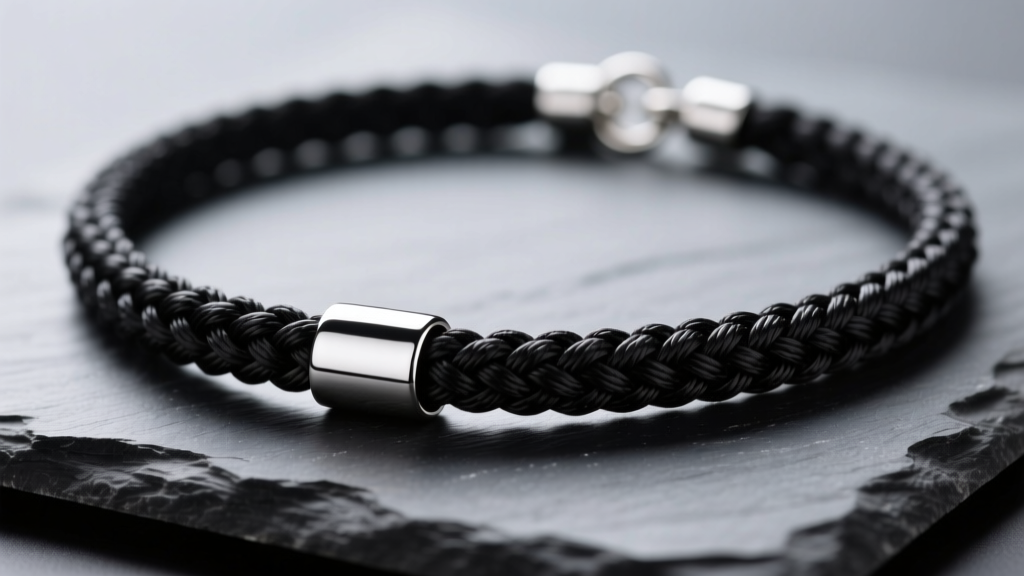
To truly understand the longevity and drape of a waxed cord necklace, one must look past the aesthetic and examine the textile engineering beneath. A premium waxed cord is not simply string dipped in wax; it is a composite material where the tensile strength of the core fiber is married to the environmental shielding of the wax coating. The core is typically constructed using a Z-twist or S-twist braiding method, which dictates the cord's natural torque and how it behaves when knotted.
Nylon vs. Polyester vs. Cotton: Tensile Strength & UV Resistance
The fiber core dictates the ultimate break point and environmental resilience of the necklace. According to textile data from Fire Mountain Gems, synthetic fibers dominate the high-end jewelry market due to their predictable failure thresholds.
- Bonded Nylon (e.g., C-Lon, SuperLon): Offers exceptional tensile strength (up to 12 lbs for a 0.9mm gauge) and a soft, supple drape. However, nylon is susceptible to UV degradation over prolonged sun exposure, which can lead to micro-fractures in the fiber.
- Polyester (e.g., Linhasita): Slightly stiffer than nylon but boasts superior UV resistance and lower moisture absorption. Polyester is the preferred core for pendants worn in high-humidity environments or during aquatic activities.
- Cotton: Rarely used in professional-grade waxed cords today. Cotton absorbs moisture, leading to internal rot, and lacks the sheer tensile strength required to support heavy gemstone pendants without stretching.
The Wax Matrix: Microcrystalline vs. Beeswax
The wax coating serves three purposes: it binds the braided fibers together to prevent fraying, reduces friction during knotting, and provides a water-resistant barrier. The melting point of the wax is a critical, often overlooked specification.
"For body-worn jewelry, microcrystalline wax is vastly superior to natural beeswax. Its higher melting point prevents the coating from softening and migrating onto the wearer's skin or clothing when exposed to body heat."
Natural beeswax melts between 144°F and 147°F (62°C - 64°C). While it offers a beautiful matte finish, it is prone to 'wax bloom'—a harmless but unsightly white powdery residue that forms as the wax oxidizes and crystallizes. Microcrystalline wax, a synthetic derivative of petroleum, melts between 158°F and 194°F (70°C - 90°C), ensuring the necklace remains stable even in hot climates.
Diameter, Gauge, and Load-Bearing Specifications
Selecting the correct cord thickness is a matter of balancing the weight of the pendant with the desired visual proportion. The diameter of the cord must also be carefully matched to the drill holes of the beads. The Gemological Institute of America (GIA) notes that gemstone beads, particularly hard stones like quartz or sapphire, often have standard 1mm drill holes, which severely limits the maximum cord gauge that can pass through them.
| Cord Diameter | Core Material | Approx. Tensile Strength | Best Use Case | Bead Hole Compatibility |
|---|---|---|---|---|
| 0.5mm | Nylon | 4 - 6 lbs | Micro-macrame, lightweight seed beads, multi-strand layering | Standard 1mm gemstone holes |
| 1.0mm | Nylon / Poly | 10 - 14 lbs | Standard sliding knot pendants, medium-weight silver charms | Large-hole beads (1.5mm+) |
| 1.5mm | Polyester | 18 - 22 lbs | Heavy statement pendants, leather alternatives, chokers | 2.0mm+ metal or glass beads |
| 2.0mm+ | Polyester | 25+ lbs | Chunky masculine necklaces, heavy focal stones | Specialized large-bore beads |
Structural Knotting: Tension and Friction Mechanics
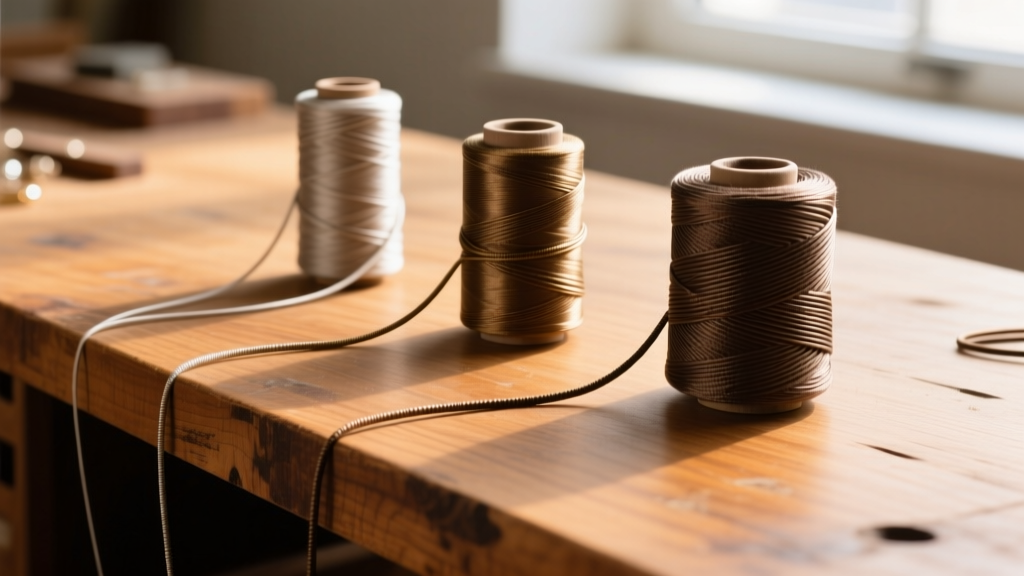
The structural integrity of a waxed cord necklace relies entirely on friction-based knots. Because the wax coating provides a slight 'tackiness,' knots hold significantly better than they would on unwaxed silk or cotton, but the geometry of the knot must still be mechanically sound.
The Sliding Square Knot Framework
The adjustable sliding knot is the hallmark of the modern waxed cord necklace. To execute a structurally sound sliding square knot (often used in macrame), the artisan must use a separate, thinner piece of cord (typically 0.5mm) to tie the square knots around the two main 1.0mm cord ends. The wax coating creates enough drag to allow the main cords to slide through the knot when pulled intentionally, but lock in place under the passive weight of a pendant. If the pendant exceeds 50 grams, the friction of a standard 4-wrap square knot may fail, requiring a 6-wrap or 8-wrap knot to increase the surface area of the friction lock.
End Finishing: Melt Sealing vs. Mechanical Crimps
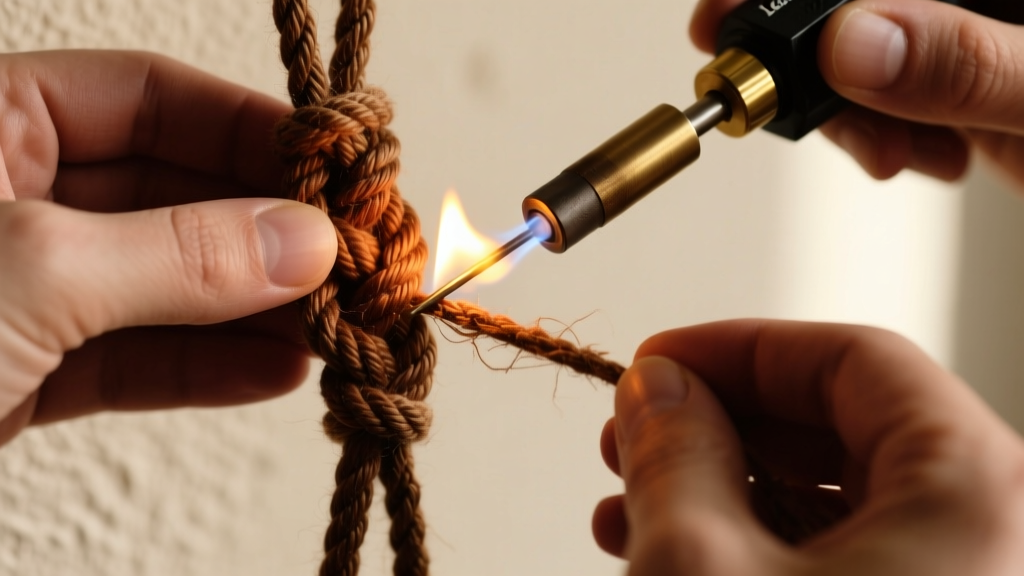
How you terminate the ends of a waxed cord dictates its lifespan. Melt Sealing: Synthetic fibers (nylon and polyester) can be melted using a precision thread burner. The heat fuses the plastic polymers into a hard, rounded bead that will not pass back through a sliding knot. Mechanical Crimps: If using metal end caps or crimp tubes, the wax coating can actually cause the metal to slip over time. Expert jewelers recommend using a solvent (like isopropyl alcohol) to strip the wax from the final half-inch of the cord before applying a crimp tube and crushing it with chain-nose pliers, ensuring metal bites directly into the raw fiber.
Failure Modes: Environmental and Mechanical Degradation
Even the highest grade waxed cord necklace will eventually fail if subjected to specific environmental stressors. Understanding these failure modes allows for proactive design choices and better client education.
Friction Abrasion at the Bail
The most common point of catastrophic failure is where the cord passes through the pendant bail or bead hole. If the interior of a metal bail has a sharp, unpolished edge, it will act as a micro-saw against the cord. Over months of wear, the wax coating is stripped, followed by the severing of the core fibers. Always ensure bails are lined with smooth metal or use a protective wire guard (French wire) inside the bail to shield the cord.
UV Embrittlement and Color Fading
While the wax coating offers some UV protection, prolonged exposure to direct sunlight will eventually break down the molecular bonds in nylon fibers. This manifests as 'dry rot' or embrittlement, where the cord loses its flexibility and snaps under minimal tension. Darker dyes (navy, black, deep brown) tend to absorb more UV radiation and heat, accelerating the degradation of the wax matrix compared to lighter, undyed natural fibers.
Maintenance and Rewaxing Protocols
A waxed cord necklace is not a 'wear and forget' item; it requires periodic maintenance to maintain its water resistance and structural tackiness. According to jewelry conservation guidelines discussed by Interweave's Beadwork experts, rewaxing is a simple process that can extend the life of the piece by years.
The Rewaxing Process:
- Clean the necklace using a soft, dry microfiber cloth to remove skin oils, lotions, and environmental dust that have bonded to the wax.
- Apply a minuscule amount of microcrystalline wax paste (such as Renaissance Wax) to your fingertips.
- Run the cord between your pinched fingers, applying gentle friction. The heat generated by the friction will slightly soften the existing wax and allow the new wax to penetrate the outer braids.
- Wipe away any excess residue with a clean cloth to prevent transfer onto clothing.
By treating the waxed cord necklace as a precision textile tool rather than a simple string, artisans and collectors can ensure that the piece remains durable, visually striking, and mechanically sound for decades of continuous wear.