2026 Tire Necklace Trends: Streetwear to High Jewelry
Discover the 2026 tire necklace trend. We analyze automotive-inspired tread chains, vulcanized rubber pendants, material grades, and styling tips.


The intersection of high-octane motorsport heritage and contemporary luxury streetwear has birthed one of the most distinct jewelry movements of 2026: the tire necklace. Far from a novelty item, the modern tire necklace represents a sophisticated crossover between automotive engineering and high-end metallurgy. Whether manifested as a heavy, interlocking tire tread chain or an upcycled Formula 1 rubber pendant encased in precious metals, this trend is dominating the neckwear space. According to trend analysts at Hypebeast, the 'motocore' aesthetic has evolved from niche racing merch into a staple of avant-garde and streetwear jewelry collections.
The 2026 Motocore Movement: Why Automotive Jewelry is Dominating
The cultural drivers behind the tire necklace are deeply rooted in the explosion of motorsport popularity. With Formula 1 and MotoGP achieving unprecedented mainstream cultural relevance, the visual language of racing—carbon fiber, vulcanized rubber, and aggressive tread patterns—has been adopted by luxury fashion houses and indie jewelers alike. The tire necklace serves as a talisman of speed and grit. Unlike traditional chain links (like the Cuban or Figaro), the tire tread link features deep, directional grooves that catch the light dynamically, offering an industrial, mechanical aesthetic that appeals to a generation seeking tactile, heavy-weight jewelry.
Deconstructing the Tire Tread Chain: Dimensions and Hardware
A true tire tread chain is an engineering marvel. Because the links are carved or cast to mimic the deep sipes and grooves of a performance tire, they require significantly more metal than standard links. This results in a substantial, heavy drape that sits firmly on the collarbone.
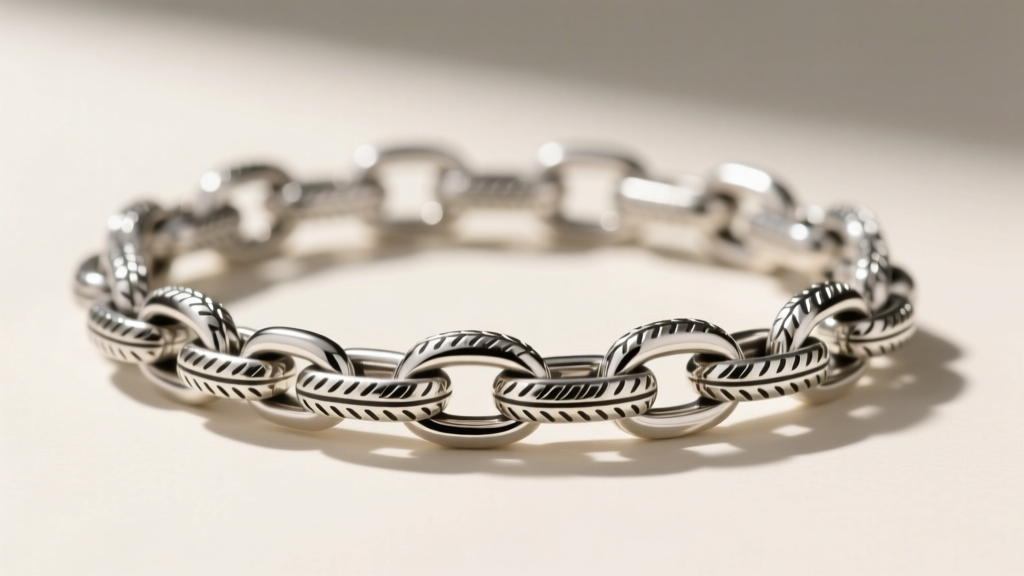
When evaluating a high-quality metal tire chain, you must look beyond the surface pattern. The structural integrity of the clasp is paramount. A standard lobster clasp will inevitably fail under the 150g+ weight of a steel or silver tread chain. Premium makers utilize custom-machined box clasps with dual figure-8 safety catches, or threaded barrel clasps that screw into the end links.
| Feature | 316L Stainless Steel | 925 Sterling Silver | Solid 14k/18k Gold |
|---|---|---|---|
| Average Weight (18" Chain) | 160g - 190g | 145g - 175g | 220g - 280g |
| Link Width / Thickness | 12mm - 16mm / 5mm | 10mm - 14mm / 4.5mm | 14mm+ / 6mm+ |
| Tarnish & Scratch Resistance | Exceptional | Moderate (Prone to scratching) | Low (14k) to High (18k) |
| 2026 Market Price Range | $180 - $450 | $600 - $1,200 | $4,500 - $12,000+ |
The Sulfur Problem: Material Chemistry You Must Know
One of the most critical, yet rarely discussed, aspects of the tire necklace trend involves the chemical interaction between vulcanized rubber and precious metals. Many high-end pendants feature actual upcycled racing tire rubber set in 925 sterling silver bezels. However, vulcanized rubber is cured using sulfur.
When raw or improperly sealed rubber maintains prolonged contact with sterling silver, the sulfur off-gasses and reacts with the copper alloy in the silver, rapidly forming silver sulfide—a black, stubborn tarnish. If you are purchasing a mixed-material tire necklace featuring real rubber and silver, you must verify that the jeweler has applied a UV-cured resin barrier or a rhodium plating to the interior bezel to prevent this chemical reaction. Alternatively, 316L surgical steel and platinum are virtually immune to sulfur-induced tarnishing, making them superior choices for raw rubber settings.
Upcycled Racing Rubber: Waterjet Crafting and Bezel Setting
The pinnacle of the authentic tire necklace trend involves pendants cut from actual F1 slicks or endurance racing rain tires. Sourcing this material is only the first step; crafting it requires specialized machinery. High-end indie jewelers use CNC waterjet cutters to slice the thick rubber. Unlike laser cutting, which melts and burns the edges of vulcanized rubber (releasing toxic fumes and ruining the aesthetic), a high-pressure waterjet mixed with garnet abrasive yields a clean, factory-fresh edge that preserves the microscopic details of the tire's siping.
Once cut, the rubber 'slick' is typically encased in a bezel of 14k gold or blackened silver. Because rubber is highly compressible, traditional prong settings will fail. Jewelers must use a tension-fit bezel or a micro-screw backplate that clamps the rubber securely without piercing or degrading the material. As noted by GQ Style, this commitment to authentic, upcycled materials is what separates a true luxury motocore piece from a mass-produced costume accessory.
Styling Framework: Necklines and Layering
A tire necklace is a statement piece. Its heavy, industrial nature demands a deliberate styling approach. The deep grooves of the metal tread or the matte black finish of a rubber pendant will get lost against busy patterns or competing textures.

- The Heavyweight Crewneck: A 250gsm+ cotton t-shirt in stark white, charcoal, or black provides the perfect matte canvas. The 14mm-16mm width of a tire tread chain sits perfectly just below the collarbone on a standard crewneck, drawing the eye without feeling cluttered.
- The Camp Collar Shirt: For a high-low fashion approach, pair a solid 14k gold tire chain with an unbuttoned, flowing viscose camp collar shirt. The contrast between the aggressive, mechanical chain and the soft, fluid fabric creates a striking visual tension.
- Strategic Layering: If you must layer, do not use chains of similar weight. Pair a 150g tire tread chain with a delicate 3mm cable chain or a simple matte-black cord. The tire chain must remain the undisputed focal point of the neckline.
- Leather Jackets: While a natural pairing, be cautious. The sharp edges of metal tread links can scratch the interior finish of supple lambskin or horsehide jackets over time. Wear a barrier garment underneath.
Maintenance: Preserving Mixed-Material Pieces
Cleaning a tire necklace requires a departure from standard jewelry care. Ultrasonic cleaners, which are excellent for diamond and plain metal chains, will destroy the structural integrity of vulcanized rubber pendants, causing them to dry out, crack, and crumble. Furthermore, harsh silver dips will strip the protective oils from the rubber.
For metal tread chains, use a soft-bristled toothbrush and a mild dish soap solution to dig into the deep grooves where dead skin and environmental grit accumulate. For the rubber elements, wipe gently with a damp microfiber cloth and apply a minuscule drop of tire shine or silicone-based protectant to restore the deep, wet-black look of fresh racing rubber. Store mixed-material pieces in a cool, dark environment, ideally with an anti-tarnish strip if silver is present, to mitigate any residual sulfur off-gassing.


