Was the Necklace in Titanic Real? Buying Sapphire Heart Pendants
Discover if the Heart of the Ocean was real and learn how to buy authentic sapphire heart pendants with our expert grading and metal guide.

The Cinematic Myth vs. Gemological Reality
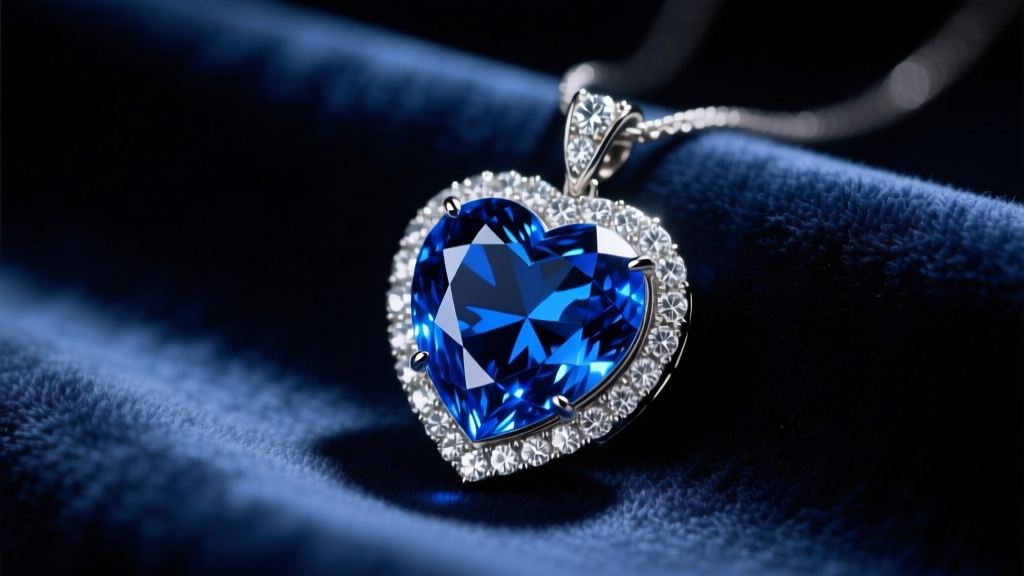
When cinephiles and jewelry enthusiasts ask, 'was the necklace in titanic real?', the answer requires separating Hollywood magic from high jewelry history. The iconic 'Heart of the Ocean' worn by Kate Winslet in the 1997 blockbuster was, in fact, a fictional creation. The movie prop was crafted from a blue zircon and white cubic zirconia set in white gold, designed to look spectacular on camera without the insurance liabilities of a genuine multi-million-dollar gemstone.
However, the legend did not end on the silver screen. Following the film's massive success, the esteemed British jeweler Asprey & Garrard created a genuine, breathtaking replica featuring a 171-carat Ceylon sapphire surrounded by 103 diamonds. Celine Dion famously wore this authentic piece to the 1998 Academy Awards. As we navigate the estate and bespoke jewelry markets in 2026, the demand for sapphire heart pendants inspired by this legendary design remains incredibly high. Whether you are seeking a bespoke tribute or a vintage estate piece, understanding the gemological nuances of sapphire heart necklaces is critical to making a sound investment.
Sourcing the Center Stone: Sapphire Quality Factors
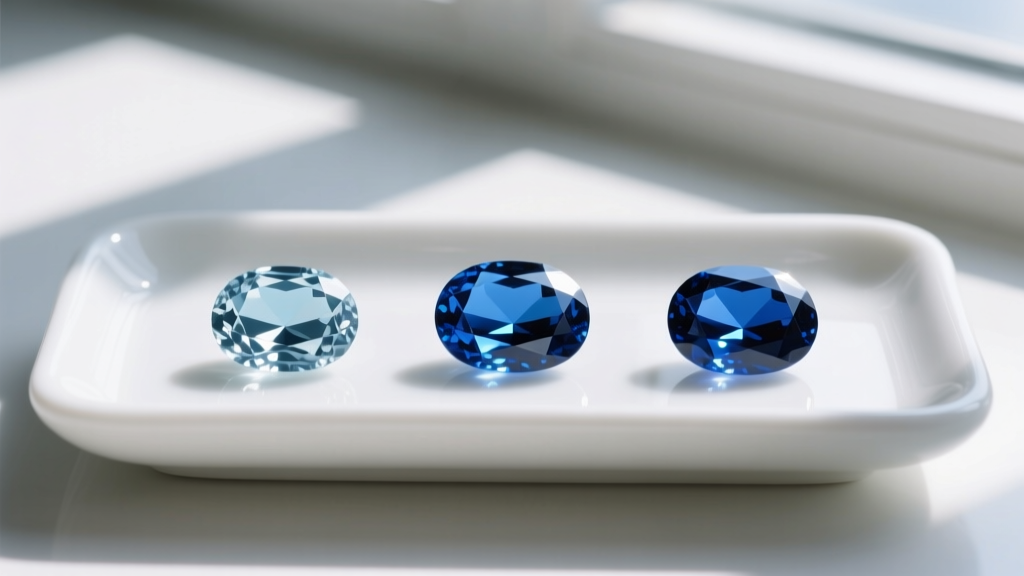
The soul of any Heart of the Ocean-inspired necklace lies in its center sapphire. Unlike diamonds, colored gemstones are evaluated primarily on their color, with hue, tone, and saturation dictating up to 80% of the stone's value. According to the GIA Sapphire Quality Factors, the most prized sapphires exhibit a velvety, medium-to-medium-dark cornflower or royal blue hue.
Origin and Treatment
When shopping for a high-end sapphire heart pendant, provenance matters. Ceylon (Sri Lanka) sapphires are historically renowned for their bright, luminous blue saturation, making them the closest visual match to the cinematic prop. Montana sapphires offer a slightly steelier, teal-blue alternative that appeals to modern buyers seeking ethically sourced, traceable gems.
Always request a gemological report from a reputable lab (GIA, AGL, or Gübelin). The report will disclose if the stone has undergone traditional heat treatment, which is widely accepted, or beryllium diffusion, which drastically lowers the stone's market value.
The Complexities of the Heart Cut
Heart-shaped gemstones are notoriously difficult to cut and require a master lapidary. To ensure structural integrity and optical brilliance, look for the following specifications:
- Length-to-Width Ratio: An ideal ratio falls between 0.90 and 1.05 for a balanced, symmetrical silhouette.
- The Cleft: The inward dip at the top must be distinct but not overly deep, which can cause a 'bow-tie' shadow effect across the stone's center.
- Prong Protection: The setting must incorporate a custom V-prong at both the top cleft and the bottom point to protect these highly vulnerable areas from chipping.
Metal Selection and Chain Engineering
The metalwork supporting a heavy sapphire and diamond halo must be both aesthetically complementary and structurally sound. White metals are the undisputed standard for this design, as they enhance the cool blue tones of the sapphire without casting a yellow reflection into the stone.
| Metal Grade | Durability | Aesthetic Profile | Price Premium |
|---|---|---|---|
| Platinum (950) | Exceptional; develops a patina over time | Heavy, naturally white, hypoallergenic | Highest (approx. 40-60% more than 18k) |
| 18k White Gold | High; requires rhodium plating every 1-2 years | Bright white finish, excellent for intricate halos | Moderate |
| 14k White Gold | Very High; stiffer alloy, highly scratch-resistant | Slightly less lustrous, durable for daily wear | Lowest |
Chain Length and Link Integrity
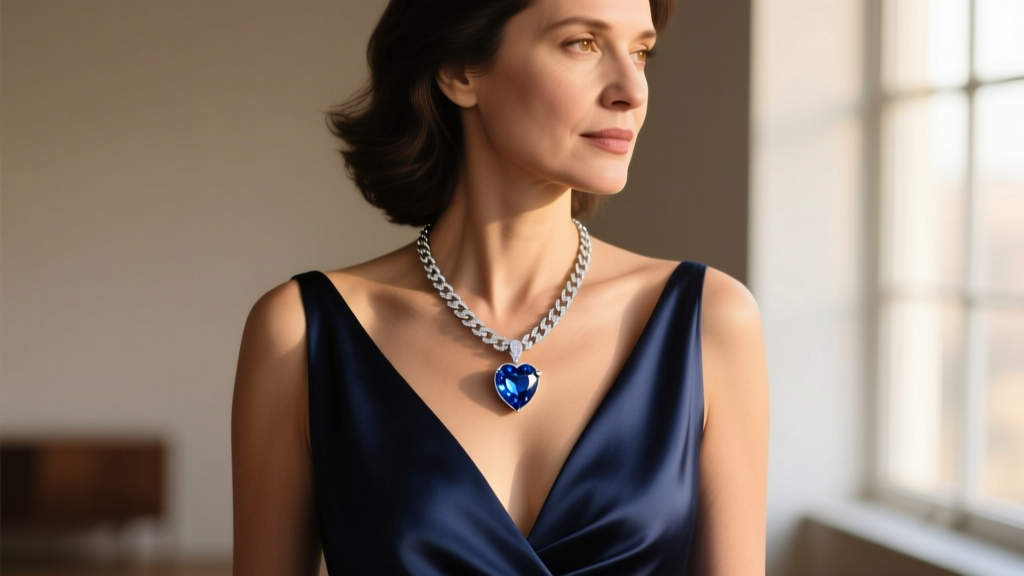
In the film, the necklace rests precisely on the décolletage. To replicate this look, an 18-inch (Princess) or 20-inch (Matinee) chain is required, depending on your neckline and height. Because a sapphire halo pendant can easily weigh between 8 and 15 grams, avoid delicate cable chains. Instead, opt for a solid box chain or a wheat chain, which distribute weight evenly and resist kinking. Always ensure the clasp is a heavy-duty lobster claw with a reinforced jump ring.
Pricing Tiers for Sapphire Heart Necklaces
Understanding the market landscape prevents overpaying for commercial-grade stones or underestimating the cost of gem-quality materials. Here is a breakdown of what to expect in the current market:
- Under $1,500 (Lab-Created & Commercial): Features lab-grown sapphires (which share the exact chemical composition of natural stones) or heavily included, opaque natural sapphires. Usually set in 10k or 14k white gold with synthetic diamond halos.
- $3,000 – $8,000 (Fine Jewelry Tier): Natural, heat-treated Ceylon or Australian sapphires (1.50 to 3.00 carats) with good saturation. Set in 18k white gold with natural VS-clarity melee diamond halos.
- $15,000 – $50,000+ (Investment & Bespoke): Unheated, gem-grade Kashmir or top-tier Ceylon sapphires over 4.00 carats, certified by AGL or Gübelin. Mounted in platinum with high-color (D-F) natural diamond halos and custom-forged chains.
Final Verdict: Building Your Own Legacy Piece
While the original movie prop was a beautiful piece of set design, the cultural footprint of the Heart of the Ocean has cemented the sapphire heart pendant as a timeless symbol of romance and elegance. As noted in BBC Culture's Titanic Jewelry History, the fascination with the film's jewels taps into a broader historical allure for Edwardian-era opulence and tragic romance.
When commissioning or purchasing your own sapphire heart necklace, prioritize the cut and color saturation over sheer carat weight. A brilliantly cut, 2-carat Ceylon sapphire will capture the light—and the cinematic magic—far better than a dull, 5-carat commercial stone. By focusing on structural security, premium white metals, and verified gemological origins, you can acquire a piece of jewelry that holds its own against the legends of the silver screen.


