Van Clerf Necklace Guide: 2026 Value and Dupe Analysis
Assess the true value of the iconic clover necklace in 2026. We compare authentic pricing, stone durability, and high-quality budget alternatives.

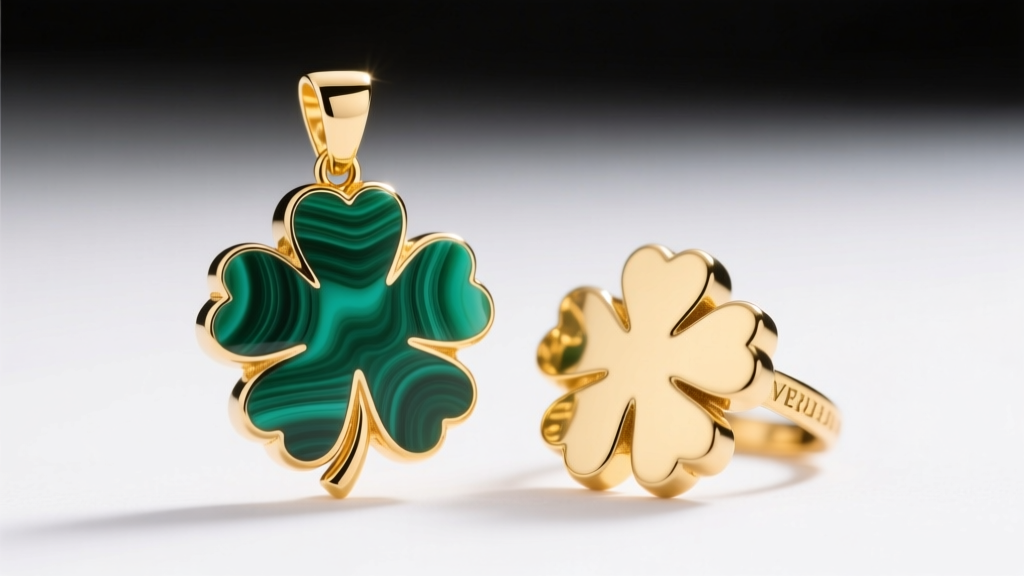
When analyzing search trends in the luxury jewelry sector, the phrase van clerf necklace consistently generates massive volume. While this is a common typographical error for the legendary Van Cleef & Arpels Alhambra collection, the search intent behind it reveals a fascinating consumer behavior pattern: buyers are actively hunting for the iconic clover motif but are increasingly deterred by the brand's aggressive 2026 price hikes. Whether you are a purist seeking authentic investment value or a pragmatist looking for high-quality demi-fine alternatives, understanding the metallurgy, gemology, and market economics of the clover necklace is essential.
In this comprehensive value assessment, we bypass the usual superficial style guides and dive deep into the material science, exact hardware specifications, and financial realities of owning this iconic design in 2026.
The True Cost of the Authentic Alhambra in 2026
The retail landscape for luxury jewelry has shifted dramatically. As of early 2026, the entry-level Vintage Alhambra pendant (featuring a single ~15mm motif on a 16-inch chain) retails between $4,300 and $4,800, depending on the hardstone selected. The Magic Alhambra (featuring a larger ~22mm motif) pushes past the $6,500 mark.
Diminishing Returns on Exotic Stones
Historically, choosing exotic stones like lapis lazuli or carnelian over standard mother-of-pearl (MOP) offered a slight aesthetic premium for a marginal price increase. Today, the price gap has widened significantly. A diamond-paved Vintage Alhambra now exceeds $11,000. From a pure value-assessment perspective, the non-paved yellow gold and onyx or MOP models currently offer the highest liquidity and tightest bid-ask spreads on the secondary market.
Material Science: Stone Vulnerabilities and Failure Modes
The most critical mistake buyers make—whether purchasing a $4,500 authentic piece or a $150 dupe—is ignoring the mineralogical realities of the inlaid stones. The clover design relies on a flat, bezel-set cabochon cut, which exposes the entire surface area of the stone to environmental hazards.
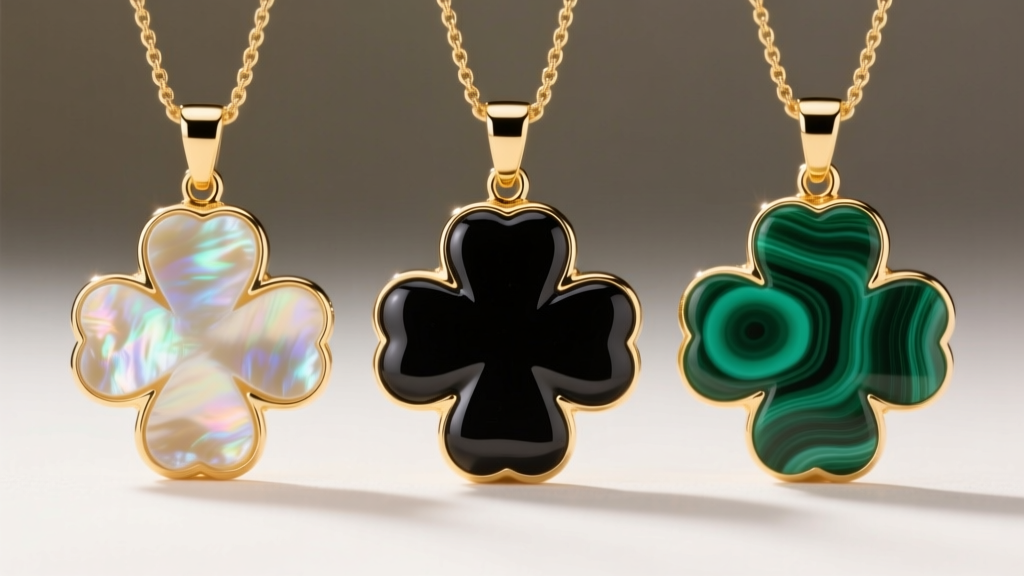
According to the Gemological Institute of America (GIA), malachite is a copper carbonate hydroxide with a Mohs hardness of just 3.5 to 4. This means it can be easily scratched by a copper coin or even dust particles containing quartz. Furthermore, malachite is highly sensitive to acids, including the natural lactic acid in human sweat, which can strip its polish and dull its vibrant green banding over time.
Hardstone Durability Matrix
| Stone Material | Mohs Hardness | Chemical Sensitivity | Value Retention & Durability |
|---|---|---|---|
| Black Onyx | 6.5 - 7.0 | Low (Avoid harsh solvents) | Excellent. Highly scratch-resistant and stable. |
| Mother-of-Pearl | 2.5 - 4.5 | High (Reacts to perfume/acids) | Fair. Prone to micro-scratches and clouding. |
| Malachite | 3.5 - 4.0 | Very High (Reacts to sweat/heat) | Poor for daily wear. Requires strict maintenance. |
| Carnelian | 6.5 - 7.0 | Low | Very Good. Excellent for everyday layering. |
Expert Insight: If you are buying a clover necklace for daily, unthinking wear (e.g., to the gym, the beach, or while applying cosmetics), black onyx or carnelian are the only geologically sound choices. MOP and malachite should be treated as delicate evening or office-wear pieces.
Assessing the 2026 Dupe Market: Vermeil vs. Flash Plating
The market is flooded with clover-motif alternatives ranging from $20 to $400. To assess true value, you must look past the aesthetic and examine the metallurgical cross-section of the chain and pendant base.
The FTC Vermeil Standard
High-quality budget alternatives in 2026 utilize gold vermeil. The Federal Trade Commission (FTC) strictly defines vermeil as a base of 925 sterling silver plated with a minimum of 10k gold that is at least 2.5 microns thick. At 2.5 microns, a vermeil clover pendant can withstand daily friction for 2 to 3 years before the silver base begins to show through the high-friction edges of the bezel.
Conversely, 'gold-plated' or 'dipped' jewelry from fast-fashion retailers typically uses a brass or copper base with a flash plating of 0.1 to 0.3 microns. These pieces will oxidize, turn the wearer's skin green (due to copper reacting with skin acids), and fail within three months of regular wear.
Budget Buyer Rule of Thumb: Never spend more than $150 on a clover dupe unless the retailer explicitly guarantees a 925 sterling silver base and a minimum 2.5-micron gold thickness. Anything less is a sunk cost.
Hardware and Chain Gauges: Where Fakes Fail
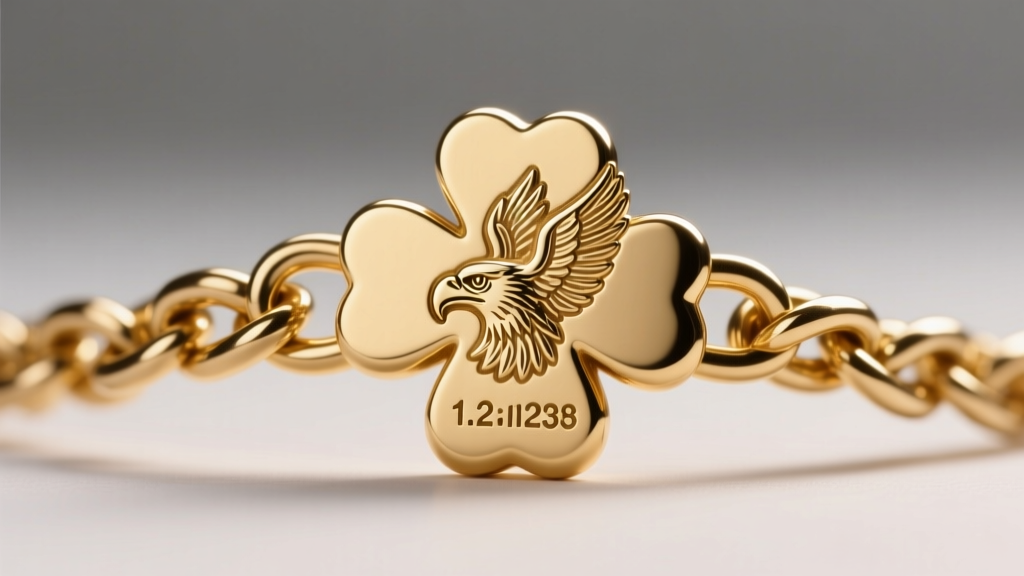
When authenticating or assessing the build quality of an alternative, the chain and clasp hardware are the most revealing indicators of manufacturing standards. The authentic Vintage Alhambra utilizes a sturdy 18k yellow gold cable chain that measures approximately 1.2mm in width. This gauge is specifically chosen to support the weight of the solid gold and stone motif (which weighs roughly 4 to 5 grams) without stretching.
Identifying Structural Weaknesses
- Chain Gauge: Most sub-$100 dupes use a 0.8mm or thinner cable chain. While it looks delicate and mimics the authentic aesthetic in photos, a 0.8mm brass chain will easily snap if the pendant catches on a sweater.
- Clasp Mechanics: Authentic pieces use a highly engineered lobster clasp with a distinct, heavy spring mechanism, accompanied by an eagle head hallmark and a unique serial number on the adjacent jump ring. Quality demi-fine dupes will use a standard sterling silver lobster clasp; avoid any piece that uses a cheap, hollow spring-ring clasp, as these are notorious for failing and dropping the pendant.
- Stone Setting: Authentic stones are precision-cut and held in a smooth, flush bezel. Cheap dupes often use epoxy resin to glue a flat piece of dyed howlite or glass into a poorly milled metal tray. If you see a visible line of glue or uneven gaps between the stone and the gold rim, the structural integrity is compromised.
The Resale Value Proposition
From a strictly financial perspective, the authentic Alhambra operates more like a luxury asset class than standard jewelry. On verified secondary platforms like The RealReal or Vestiaire Collective, a well-maintained Vintage Alhambra in onyx or MOP consistently retains 75% to 85% of its current retail value. Limited editions or discontinued stones (like grey mother-of-pearl or specific lapis lazuli cuts) can even appreciate.
Budget alternatives, regardless of their initial quality, possess zero resale value. Therefore, your purchasing decision must be framed by your timeline: if you want an asset that can be liquidated or passed down as an heirloom, the $4,500 authentic piece is mathematically justified. If you view jewelry as a consumable fashion accessory with a 3-to-5-year lifespan, a $120 high-grade vermeil dupe offers a superior return on investment for your daily wardrobe.
Final Verdict: Allocating Your Jewelry Budget
The enduring appeal of the clover motif guarantees it will remain a staple of layering and neckline styling for decades. For the 2026 buyer, the smartest approach is a hybrid one. Invest in one authentic, highly durable piece—such as a yellow gold and black onyx Vintage Alhambra—as your foundational, never-take-it-off anchor piece. Then, supplement your collection with high-quality sterling silver vermeil dupes in trend-driven colors or larger Magic-style proportions to experiment with layering without risking thousands of dollars on stones that may chip, scratch, or fall out of fashion.


