Vintage 80s Necklace Value Guide: What to Pay in 2026
Discover how to evaluate and price an authentic 80s necklace in 2026. Learn brand tiers, material markers, and budget tips for vintage costume jewelry.

The Resurgence of 1980s Power Jewelry: Market Overview
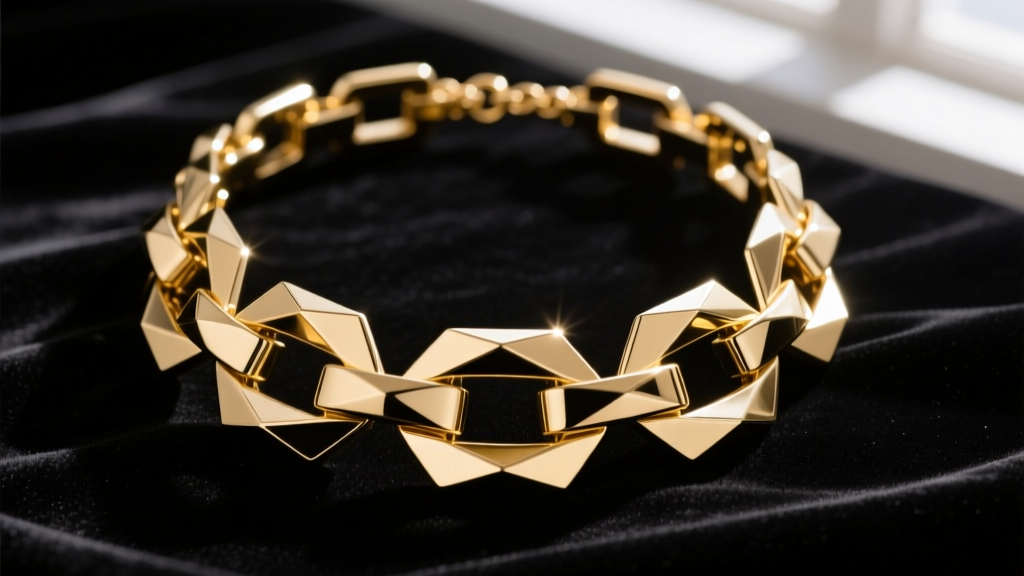
The maximalist aesthetic of the 1980s has firmly reclaimed its throne in contemporary fashion. As we navigate the vintage market in 2026, the demand for statement jewelry—specifically the iconic 80s necklace—has surged, driven by a renewed appreciation for bold geometric shapes, heavy gold electroplating, and unapologetic glamour. However, the secondary market is saturated with modern reproductions and overpriced estate pieces. For the savvy collector or budget-conscious stylist, understanding the true value of these pieces is critical. This guide provides a comprehensive budget and value assessment, helping you distinguish between a $20 thrift store find and a $2,000 investment-grade collector's item.
Decoding 80s Necklace Materials: What Are You Actually Buying?
Unlike fine jewelry, which derives its value from precious metals and gemstones, the value of an 80s necklace is rooted in its craftsmanship, brand heritage, and the specific materials used in costume manufacturing. During the 1980s, top-tier costume jewelers utilized surprisingly high-quality base materials to mimic fine jewelry.
The Micron Measurement: Plating Thickness Matters
The most common finish on premium 1980s gold-tone jewelry is Heavy Gold Electroplate (HGE). According to historical manufacturing standards, HGE requires a minimum gold thickness of 2.5 microns, often applied over a brass or nickel base. In contrast, standard gold wash from the same era might only be 0.1 to 0.5 microns thick. When assessing value, look for pieces that retain their deep, buttery 14k or 18k color without brassy undertones showing through on high-friction areas like the clasp or the back of the pendant.
Rhinestones, Foil Backing, and Poured Glass
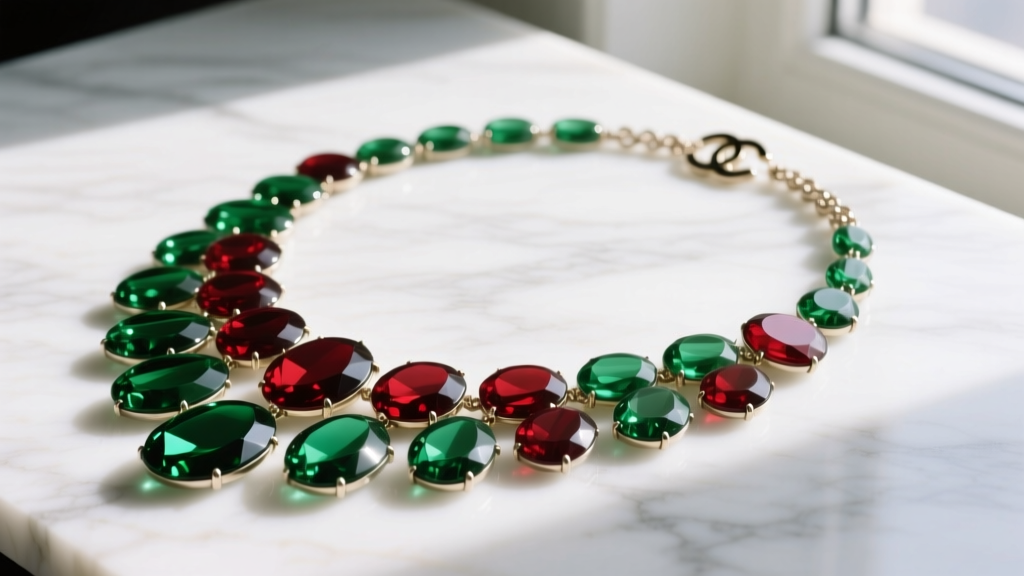
The 1980s saw the widespread use of Aurora Borealis (AB) coated rhinestones and precision-cut Swarovski crystals. High-end European houses, notably Chanel and Dior, utilized pâte de verre (poured glass) techniques, often executed by the legendary Gripoix atelier. According to the GIA Gem Encyclopedia, identifying poured glass involves looking for slight internal bubbles and a lack of the sharp, machine-cut facets found in modern crystal. These artisanal glass stones significantly elevate the resale value of a piece.
Brand Tiering: Budget vs. Investment 80s Necklaces
Not all vintage costume jewelry holds its value equally. The brand hallmark stamped on the clasp or hang-tag is the primary driver of price. Below is a 2026 market matrix detailing what you should expect to pay based on brand tiers, drawing on historical pricing data and current estate sales tracked by authorities like Kovels.
| Brand | Tier | 2026 Price Range | Key Value Drivers |
|---|---|---|---|
| Napier | Mid-Range | $45 - $150 | Bold geometric collars, Egyptian revival motifs, heavy weight. |
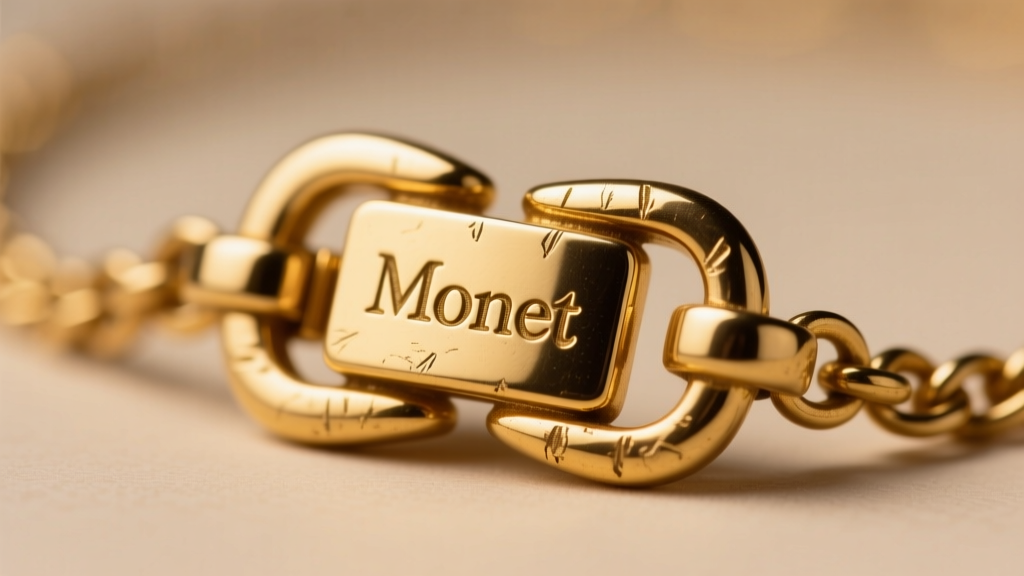
| Monet | Budget/Entry | $20 - $60 | Triple-plated gold, classic lariats, durable everyday wear. |
| Trifari | Upper-Mid | $80 - $300 | Diamante rhinestones, intricate pave settings, Alfred Philippe designs. |
| Chanel | Investment | $800 - $3,500+ | Gripoix glass, interlocking CC motifs, seasonal runway provenance. |
| Joan Rivers | Mid-Range | $50 - $120 | Historical reproduction motifs, heavy enamel work, cabochon stones. |
The 4-Point Condition Assessment Checklist
When negotiating the price of an 80s necklace, condition is your greatest leverage. Use this strict 4-point checklist to identify flaws that should result in a 20% to 40% price reduction.
- Clasp Tension and Integrity: The 1980s popularized the fold-over clasp and the spring-ring. Test the fold-over mechanism; if it requires a fingernail to snap shut or fails to click audibly, the internal tension spring is fatigued. Replacement costs for vintage-specific clasps range from $35 to $60 by a specialist jeweler.
- Foil Backing Degradation: Many 80s rhinestones rely on a delicate silver or gold foil backing to create brilliance. If moisture has breached the glue seal, the foil will oxidize, turning the stone gray or black. This is irreversible and drastically reduces value.
- Plating Rub and Base Metal Exposure: Inspect the back of the pendant and the edges of the links. If you see dull gray (nickel) or bright yellow (raw brass) showing through, the piece has suffered from cosmetic degradation.
- Enamel and Lucite Crazing: Bold enamel work was a staple of 80s design. Use a jeweler's loupe to check for "crazing" (a network of fine cracks) in the enamel or cloudiness in acrylic/Lucite elements, which indicates prolonged UV exposure.
Spotting Modern Reproductions vs. Authentic 80s Pieces
As the value of the quintessential 80s necklace has risen, so has the quality of modern counterfeits, particularly concerning European luxury houses. To protect your budget, scrutinize the hallmarks. Authentic 1980s hallmarks were typically deep-cast or heavily stamped into the metal during the molding process. Modern laser-etched reproductions often appear shallow, overly crisp, and lack the microscopic tooling marks of vintage stamping dies. Furthermore, authentic 80s gold-tone base metals were predominantly brass or pewter, giving the necklaces a substantial, heavy drape. If a piece feels suspiciously light, it may be a modern zinc-alloy reproduction.
Strategic Buying: Where to Source and Negotiate
To find the best value, diversify your sourcing channels. While platforms like Ruby Lane offer authenticated, dealer-vetted pieces, they carry a premium markup (often 30-50% above market). For budget assessment wins, target regional estate sales, local auction houses, and specific eBay search queries using misspelled brand names (e.g., "Napeir gold collar" or "Trifary rhinestone"). When buying from private sellers on platforms like Etsy or Poshmark, always request a macro photograph of the clasp hallmark and the back of the primary stones to verify foil integrity before making an offer.
Final Verdict: Is an 80s Necklace a Good Investment?
From a purely financial standpoint, an 80s necklace is a speculative asset unless it belongs to the upper echelon of European couture houses or features rare, documented runway provenance. However, from a style and intrinsic value perspective, high-quality American costume jewelry from brands like Napier and Trifari offers unparalleled ROI. You are acquiring heavy, meticulously crafted, triple-plated statement pieces that cost a fraction of their modern fine-jewelry equivalents. By applying strict condition assessments and understanding brand tiers, you can confidently build a museum-quality 1980s collection without exhausting your budget.


