2026 Gift Guide: Gifting a Vintage Red Bakelite Necklace
Discover why a vintage red bakelite necklace is the ultimate 2026 gift for collectors. Learn authentication, pricing, and occasion matching.

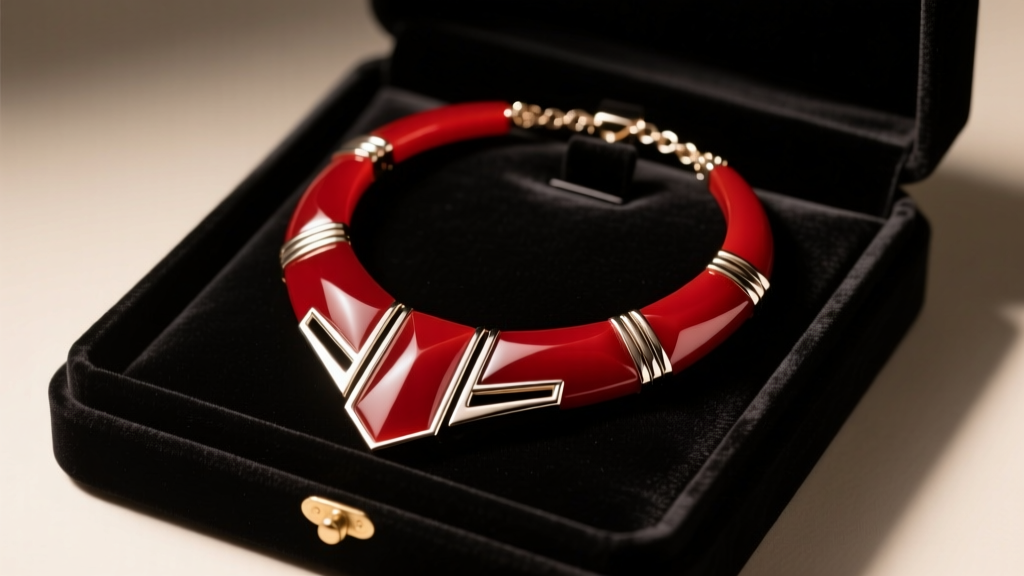
The Enduring Allure of the Red Bakelite Necklace
When it comes to gifting vintage jewelry, few pieces command the immediate awe and historical intrigue of a genuine red bakelite necklace. Invented by Leo Baekeland in 1907, Bakelite was the world's first synthetic plastic, but it was during the Great Depression era of the 1930s that it transformed from an industrial insulator into a high-fashion staple. While early Bakelite jewelry was predominantly black or brown (often mimicking jet or tortoiseshell), the introduction of vibrant pigments led to the creation of the highly coveted 'cherry red' and 'apple juice' hues. Today, as sustainable and circular fashion continues to dominate the luxury market in 2026, gifting a piece of authentic 1930s Bakelite is not just a present; it is an investment in wearable art and history.
Unlike modern costume jewelry that degrades after a few seasons, Bakelite is a thermosetting phenol formaldehyde resin. Once molded and cured, it cannot be melted down or reshaped, giving it an incredible durability that has allowed these vibrant red pieces to survive for nearly a century. For the discerning gift-giver, understanding the nuances of this material is essential to selecting a piece that will be cherished for generations.
Authentication: Ensuring Your Gift is Genuine
The vintage jewelry market is currently saturated with modern reproductions, 3D-printed resins, and cast Lucite pieces masquerading as Art Deco Bakelite. Gifting a fake piece can turn a thoughtful gesture into an embarrassing misstep. According to the 1stDibs Editorial Guide on Vintage Plastics, authentication requires a multi-sensory approach that goes far beyond visual inspection.
The Simichrome Polish Test
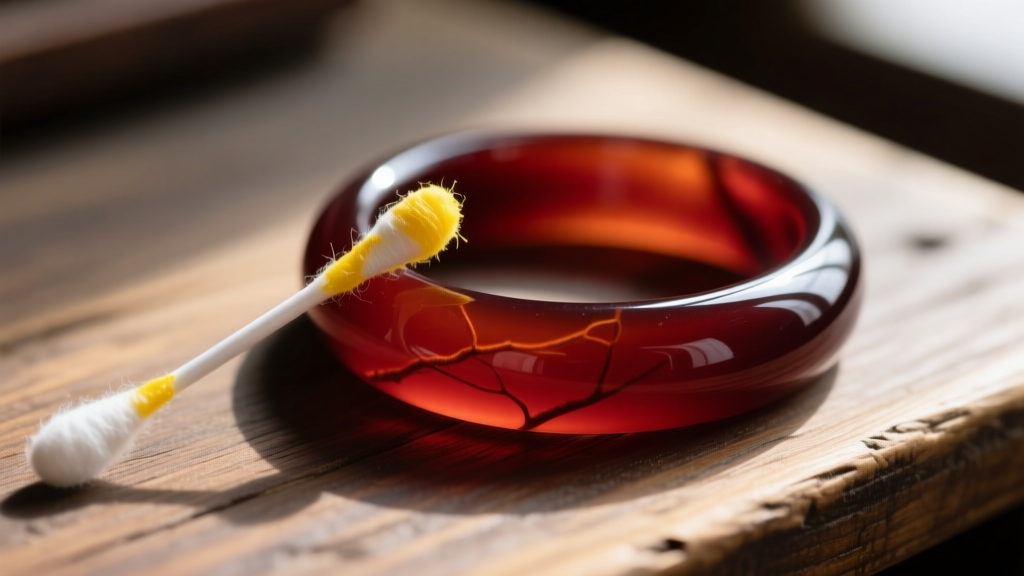
The safest and most reliable method for testing a red bakelite necklace without damaging it is the Simichrome polish test. Simichrome is a mild, non-abrasive metal polish that reacts with the phenolic resins in aged Bakelite. To perform the test, dab a small amount of Simichrome on a cotton swab and rub it gently on an inconspicuous area of the necklace. If the swab turns a bright, mustard yellow, the piece is highly likely to be authentic Bakelite. Modern red plastics, acrylics, and Lucite will not trigger this chemical reaction, leaving the swab pink or clear.
The Hot Water Sniff Test
Another hallmark of genuine Bakelite is its distinct olfactory signature. When heated slightly, Bakelite releases a sharp, chemical scent reminiscent of formaldehyde or camphor. You can safely test this by running the necklace under hot tap water for 15 to 30 seconds. Immediately upon removing it, smell the surface. If you detect that distinct, acrid 'old chemistry lab' odor, you have a genuine piece. If it smells like burnt hair, sweet vanilla, or nothing at all, it is likely a later thermoplastic or a modern synthetic. Never use a hot pin test, as this will melt and permanently scar the vintage plastic, destroying both its value and its viability as a gift.
Hardware and Clasp Verification
One of the most overlooked E-E-A-T indicators in vintage jewelry authentication is the hardware. In the 1930s, lobster clasps had not yet been widely adopted for costume jewelry. A genuine vintage red bakelite necklace will typically feature heavy brass or chrome-plated screw barrel clasps, spring ring clasps, or the highly sought-after 'clam shell' clasps. Furthermore, the stringing material should show age; if a heavy Bakelite bead necklace is strung on modern, pristine nylon fishing line with machine-crimped beads, it has likely been re-strung or is an outright modern fabrication.
Occasion Matching: When to Gift Cherry Red Bakelite
A red bakelite necklace is a bold, statement-making accessory. It is not a subtle, everyday piece, which makes it perfectly suited for specific milestones and personalities. Below is a 2026 framework for matching the style of the necklace to the recipient and the occasion.
| Occasion | Ideal Necklace Style | Estimated 2026 Market Price | Recipient Profile |
|---|---|---|---|
| 30th Pearl Anniversary (Alternative) | Carved Cherry Red Bead Strand with Chrome Accents | $450 - $850 | The vintage lover who prefers bold, colorful statements over traditional pearls. |
| Milestone 40th or 50th Birthday | 'Philadelphia Style' Deep-Carved Geometric Links | $1,800 - $4,500 | The serious Art Deco collector who appreciates rare, museum-quality carving. |
| Holiday or Graduation Gift | Red Bakelite Pendant on a Vintage Silver Chain | $250 - $500 | The younger fashion enthusiast exploring sustainable, retro-inspired styling. |
| Valentine's Day | Heart-Motif or Cherry-Carved Bakelite Choker | $600 - $1,200 | The romantic who appreciates niche, hard-to-find novelty vintage pieces. |
Sourcing and Pricing in the 2026 Vintage Market
The pricing of a red bakelite necklace is dictated by three main factors: color saturation, carving complexity, and provenance. 'Cherry red' is the most prized and expensive color, followed closely by the translucent 'apple juice' yellow-orange. Pieces that have oxidized to a muddy brown or dark black (a natural result of UV exposure over decades) are significantly less valuable, though some collectors appreciate the dark patina.
- Unsigned Bead Necklaces: Simple strands of polished, uncarved cherry red Bakelite beads typically range from $300 to $600, depending on the bead size and clasp quality.
- Carved 'Philadelphia Style' Pieces: Originating from specific workshops in Philadelphia in the late 1930s, these pieces feature deep, rounded, geometric carvings that feel heavy and substantial in the hand. These are the holy grail for collectors and command prices between $1,500 and $5,000.
- Designer Provenance: Pieces attributed to designers like 'Philippe for Paris' or those featuring intricate laminations (such as Macassar Bakelite, which layers red and black) can easily exceed $8,000 at specialized auction houses.
When sourcing, avoid general online marketplaces where misidentified Lucite is rampant. Instead, rely on vetted antique jewelry dealers, specialized estate sales, and platforms like Kovels Antiques & Collecting Resource to cross-reference maker's marks and historical pricing data. As noted in the Wikipedia archive on Bakelite, the material's transition from industrial use to high-end decorative arts was brief but impactful, making authenticated pieces increasingly scarce.

Presentation and Long-Term Care
Gifting vintage jewelry requires educating the recipient on proper preservation. Bakelite is incredibly durable, but it is not invincible. It should never be cleaned in an ultrasonic jewelry cleaner, as the high-frequency vibrations can fracture internal stress lines that have developed over the last 90 years. Furthermore, harsh chemical cleaners, alcohol, and ammonia will strip the material's natural, hard-won patina and leave it dull and chalky.
'The beauty of gifting vintage Bakelite lies in its warmth. Unlike cold glass or hard gemstones, Bakelite warms to the skin almost instantly, feeling organic and alive. It is a material that remembers the person wearing it.'
For presentation, avoid airtight plastic bags, which can trap moisture and accelerate surface degradation. Instead, present the red bakelite necklace in a breathable, acid-free archival jewelry box lined with unbleached cotton. Include a small care card advising the recipient to occasionally wipe the beads with a soft, dry microfiber cloth. If the Bakelite begins to look dry or white in the carved crevices, a microscopic drop of mineral oil rubbed in with a soft cloth will safely restore its deep, glass-like luster without damaging the phenolic resin.
Conclusion: A Timeless Gesture
In an era dominated by mass-produced, ephemeral fashion, gifting a vintage red bakelite necklace is a profound statement of intention. It requires patience to source, knowledge to authenticate, and an appreciation for the Art Deco era's bold aesthetic. Whether you are selecting a deeply carved Philadelphia link piece for a serious collector or a vibrant cherry-red bead strand for a lover of mid-century style, you are giving a gift that has already survived a century—and with proper care, will easily survive another.


