What Does the Mood Necklace Colors Mean? A Science-Backed Guide
Discover what does the mood necklace colors mean. We break down the real science of thermochromic liquid crystals, temperature charts, and care tips.

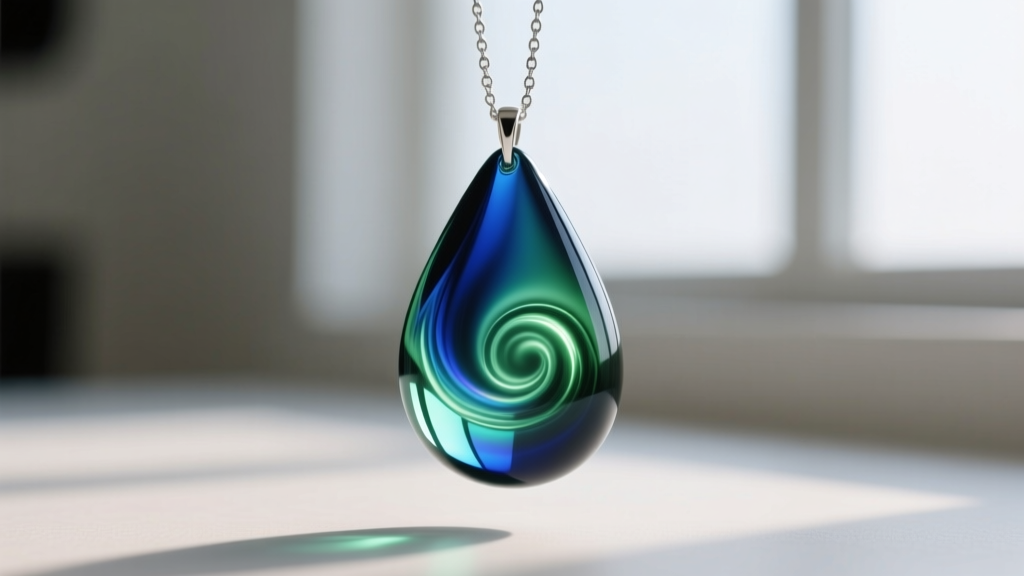
The resurgence of Y2K fashion has brought a beloved nostalgic accessory back into the spotlight: the mood necklace. Whether you are layering a delicate thermochromic pendant over a modern slip dress or wearing a chunky vintage choker, these color-shifting gems remain a fascinating conversation starter. But if you have ever looked down at your jewelry and wondered, what does the mood necklace colors mean?, you are not alone. While pop culture claims these pendants can read your deepest emotional secrets, the reality is rooted in fascinating chemistry and human biology.
In this comprehensive guide, we will decode the exact science behind thermochromic liquid crystals, provide a precise temperature-to-color chart, and explain how to care for your mood jewelry so it never gets permanently stuck on black.
The Short Answer: Decoding the Rainbow
Before diving into the molecular physics, let us address the core question with a practical reference guide. Mood necklaces do not measure emotions directly; they measure peripheral skin temperature. The pendant contains thermochromic liquid crystals that twist in response to heat, altering the wavelengths of light they reflect.
| Pendant Color | Approximate Temperature | Physical State | Traditional 'Mood' Myth |
|---|---|---|---|
| Black / Gray | Below 22°C (71°F) | Cold, poor circulation or damaged seal | Stressed, anxious, or disconnected |
| Red / Orange | 22°C - 25°C (71°F - 77°F) | Cool, warming up from ambient air | Excited, nervous, or restless |
| Yellow / Green | 26°C - 28°C (78°F - 82°F) | Average resting skin temperature | Happy, calm, or relaxed |
| Blue / Teal | 29°C - 32°C (84°F - 89°F) | Warm, increased peripheral blood flow | Content, affectionate, or in love |
| Purple / Violet | Above 33°C (91°F) | Hot, flushed skin, high body heat | Passionate, romantic, or ecstatic |
The Real Science: How Thermochromic Liquid Crystals Work
To truly understand what does the mood necklace colors mean, we have to look at the chemical compound inside the glass or quartz capsule. Modern mood jewelry relies on cholesteric liquid crystals (often derived from cholesteric nonanoate). These molecules exist in a phase of matter that flows like a liquid but has a highly ordered, crystalline molecular structure.
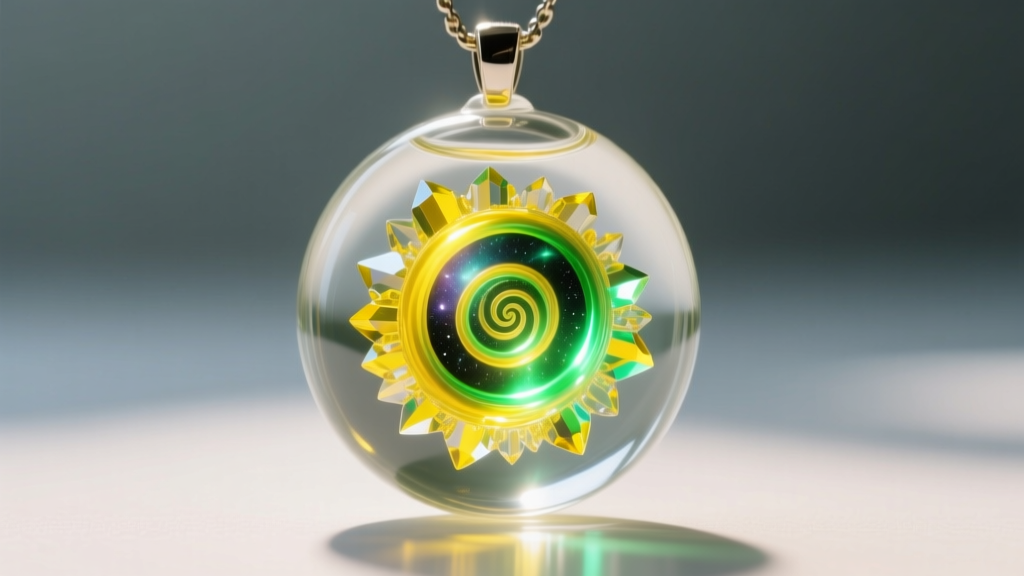
These molecules arrange themselves in a helical (spiral) structure. The distance between the layers of this spiral is called the pitch. When the temperature changes, the molecules expand or contract, which changes the pitch of the helix. This physical shift alters the specific wavelength of light that is reflected back to your eye—a phenomenon known as Bragg reflection.
The Color Shift Sequence
- Cold Temperatures: The helix is loose and reflects longer wavelengths (red/orange), or absorbs all light if too cold, appearing black.
- Warming Temperatures: As heat is applied, the helix tightens. It begins reflecting shorter wavelengths, transitioning through yellow, green, and blue.
- High Temperatures: At peak heat, the structure becomes highly compressed, reflecting the shortest visible wavelengths (violet/purple).
Because thermochromism is entirely dependent on ambient and surface heat, your necklace might turn blue simply because you are holding a hot cup of coffee or sitting in a warm room, regardless of your actual emotional state.
Temperature vs. Emotion: The Biological Link
So, why did the original 1970s inventors, Josh Reynolds and Maris Ambats, market these as 'mood' indicators? The answer lies in the human autonomic nervous system and a process called vasoconstriction.
When you experience strong emotions like fear, anxiety, or stress, your body initiates a 'fight or flight' response. Blood is diverted away from your extremities and peripheral skin layers toward your vital organs. This causes the skin on your neck and fingers to drop in temperature, turning the mood pendant dark blue or black. Conversely, when you are relaxed, happy, or feeling passionate, your blood vessels dilate (vasodilation), bringing warm blood to the surface of your skin and shifting the pendant to vibrant greens, blues, or purples.
Expert Insight: While the biological link is real, peripheral skin temperature is far more heavily influenced by ambient room temperature, the fabric of your clothing, and whether you just washed your hands in cold water than by your internal emotional state.
Material Breakdown: Anatomy of a Mood Pendant
Not all mood necklaces are created equal. The longevity and accuracy of the color-shifting effect depend heavily on the materials used in the pendant's construction.
The Capsule
High-end mood pendants use a hollow quartz or borosilicate glass capsule. Quartz is highly conductive to temperature changes and extremely durable. Cheaper, mass-produced alternatives often use thin, porous glass or even flexible plastics, which can degrade under UV light exposure and fail to transfer heat accurately.
The Backing Layer
If you look closely at a mood pendant, you will notice a dark, almost black backing behind the liquid crystal layer. This is crucial. Liquid crystals are translucent, not opaque. Without a dark background to absorb unreflected light, the color shift would be entirely washed out and invisible to the naked eye.
The Chain and Hardware
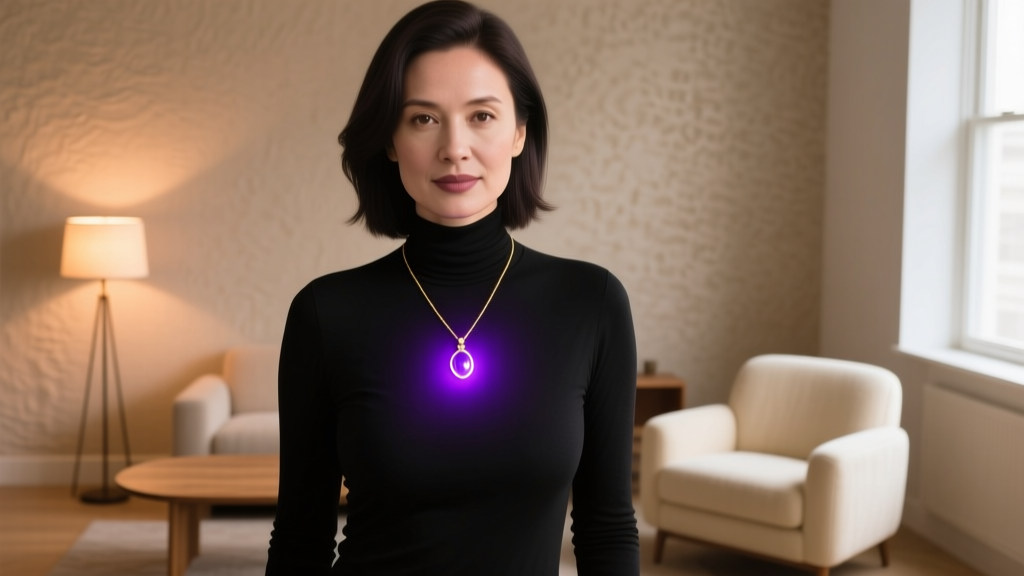
Because the pendant rests directly against the sternum—a highly vascular area of the chest—the chain length dictates the reading. A standard 18-inch princess length allows the pendant to rest on the skin, while a 14-inch choker length might sit over clothing, rendering the thermochromic effect useless. Look for hypoallergenic chains like surgical stainless steel or 14k gold vermeil to prevent skin irritation that could artificially raise local skin temperature.
Troubleshooting: Why is My Mood Necklace Stuck on Black?
If your necklace is permanently black or clear, it is not because you are emotionally void; it is because the physical integrity of the pendant has been compromised. Here are the most common failure modes:
- Water Damage (The #1 Killer): Mood pendants are not waterproof. If water seeps into the capsule through a microscopic crack in the glass seal, it destroys the liquid crystal compound. The pendant will turn a cloudy, permanent black or clear.
- UV Degradation: Prolonged exposure to direct, harsh sunlight can break down the chemical bonds in the cholesteric liquid crystals over time, causing the pendant to lose its ability to shift colors.
- Extreme Cold Shock: Leaving your necklace in a freezing car overnight can sometimes cause the liquid crystals to 'freeze' in a tight formation. You can often revive a frozen pendant by gently warming it in your hands for a few minutes.
How to Style and Care for Thermochromic Jewelry in 2026
Styling a mood necklace today is all about blending nostalgic charm with contemporary elegance. The chunky, plastic-beaded mood necklaces of the past have been replaced by sleek, minimalist teardrops and geometric quartz capsules set in precious metals.
Layering Techniques
To incorporate a mood pendant into a modern jewelry stack, use it as the focal point. Pair an 18-inch gold-capsule mood necklace with a 14-inch delicate paperclip chain and a 22-inch simple rope chain. This creates a cascading effect that draws the eye directly to the color-shifting stone resting on your collarbone.
Essential Care Rules
- Never shower or swim with your mood necklace. Always remove it before water exposure.
- Apply perfumes and lotions first, allowing them to dry completely before putting on your jewelry. Alcohol-based fragrances can degrade the adhesive seals on the glass capsule.
- Store in a dark, room-temperature environment. Keep the pendant in a lined jewelry box away from direct sunlight to preserve the lifespan of the liquid crystals.
Understanding the real science behind these fascinating accessories makes wearing them even more enjoyable. The next time someone asks you what your jewelry says about your feelings, you can confidently explain the beautiful, complex physics of thermochromic liquid crystals at play.


