Does Lovisa Jewelry Tarnish? A Beginner's Care Guide
Discover if Lovisa jewelry tarnishes, why fashion plating fades, and expert cleaning methods to keep your brass and silver pieces shining.

The Short Answer: Does Lovisa Jewelry Tarnish?
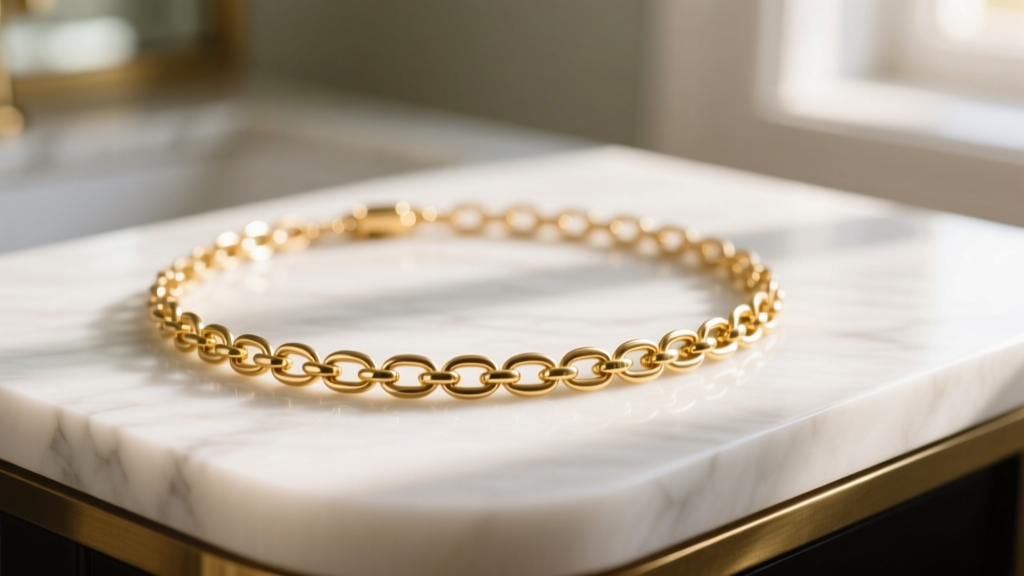
If you have ever found yourself asking, does Lovisa jewelry tarnish? after noticing a dull film on your favorite gold-plated hoops or a green tint on your finger, you are not alone. The short answer is yes. Like most accessible, trend-driven fashion jewelry brands, Lovisa pieces are subject to tarnishing, oxidation, and plating wear over time. However, understanding why this happens and how to properly care for your pieces can significantly extend their lifespan.
Unlike fine jewelry crafted from solid 14k gold or platinum, fashion jewelry relies on a base metal coated with a microscopic layer of precious metal. When that layer is compromised by moisture, friction, or harsh chemicals, the base metal is exposed to the elements, leading to tarnish. In this beginner-friendly explainer, we will break down the exact materials Lovisa uses, the chemistry behind tarnish, and the specific cleaning protocols you need to keep your accessories looking brand new.
What is Lovisa Jewelry Actually Made Of?
To understand how to clean your jewelry, you must first understand its anatomy. According to the Federal Trade Commission (FTC) Jewelry Guides, brands must accurately represent their metal compositions. Lovisa typically utilizes three primary base materials across its collections:
- Brass (Copper-Zinc Alloy): The most common base metal for gold-plated and rose-gold-plated fashion jewelry. It is affordable, malleable, and takes plating well, but it is highly reactive to moisture and acids.
- Sterling Silver (925): Used in their higher-end or 'fine' fashion lines. Sterling silver is 92.5% pure silver and 7.5% copper. It is more durable than brass but is naturally prone to silver sulfide tarnish (blackening).
- Stainless Steel: Often used for hoop earrings, stud posts, and men's collections. Surgical-grade stainless steel is highly resistant to tarnish and corrosion, making it the lowest-maintenance option.
The Truth About Plating Thickness
The longevity of your Lovisa pieces depends heavily on plating thickness. Fine jewelry 'vermeil' requires a minimum of 2.5 microns of gold over sterling silver. In contrast, fast-fashion jewelry often uses 'flash plating' (less than 0.175 microns) or standard electroplating (around 0.5 microns). At 0.5 microns, the gold layer is roughly 100 times thinner than a human hair. Daily friction from clothing and skin oils will eventually wear through this microscopic barrier, exposing the reactive brass underneath.
The Chemistry of Tarnish: Why Your Pieces Turn Green or Black
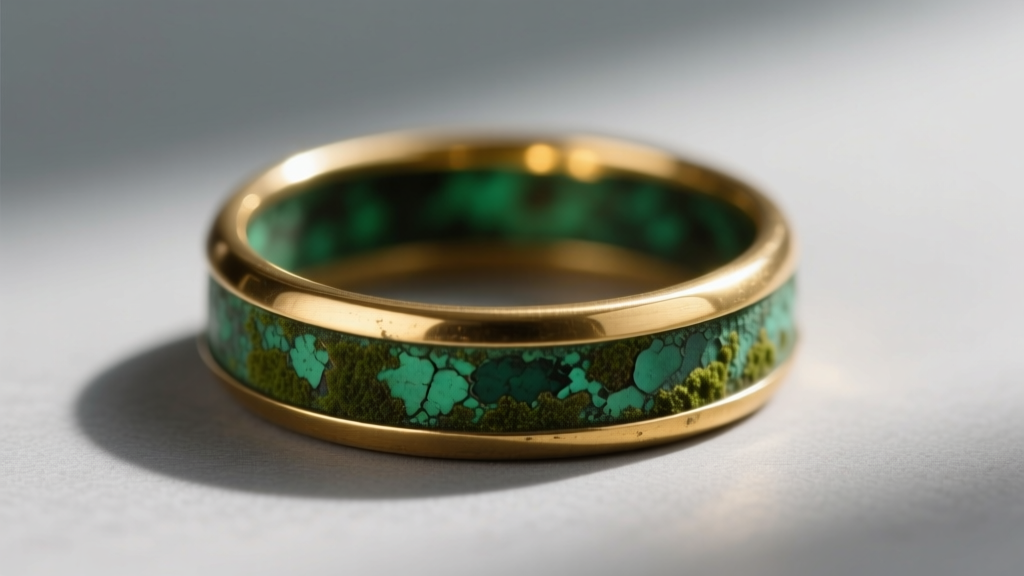
Tarnish is not a sign of 'fake' jewelry; it is a natural chemical reaction. When the base metals in your Lovisa jewelry interact with environmental factors, they undergo oxidation or sulfation.
The 'Green Skin' Phenomenon
If a Lovisa ring turns your finger green, you are experiencing a reaction between the copper in the brass base metal and the lactic acid and salts in your sweat. This creates copper chloride and copper lactate, which manifest as a harmless but unsightly green residue on your skin. This is a chemical reaction, not a metal allergy or a sign of toxicity.
Silver Sulfide and Blackening
For Lovisa's sterling silver pieces, the culprit is sulfur. Hydrogen sulfide in the air, combined with the copper alloyed in 925 silver, creates silver sulfide. This appears as a yellowish tint that eventually deepens into a black crust. The Gemological Institute of America (GIA) notes that high humidity, airborne pollutants, and even certain foods (like eggs and onions) can accelerate this sulfation process.
Expert Insight: Never assume that a piece of jewelry is 'ruined' when it tarnishes. Tarnish is a surface-level chemical compound that can almost always be safely removed if the underlying plating has not been entirely worn away by friction.
Step-by-Step Cleaning Routine for Plated Lovisa Pieces
Because fashion jewelry plating is incredibly fragile, you must abandon the aggressive cleaning methods used for solid fine jewelry. Here is the safest, most effective protocol for cleaning Lovisa's plated brass and sterling silver pieces.
What You Will Need:
- Lukewarm distilled water (tap water contains chlorine and minerals that accelerate tarnish)
- Mild, phosphate-free dish soap (e.g., Dawn or Seventh Generation)
- Ultra-soft microfiber cloths or 100% cotton swabs
- A soft-bristled baby toothbrush (optional for intricate details)
The Cleaning Process:
- Mix the Solution: Add exactly one drop of mild dish soap to one cup of lukewarm distilled water. Avoid hot water, as extreme temperature shifts can cause micro-fractures in the plating.
- Spot Clean: Dip your microfiber cloth or cotton swab into the solution. Gently wipe the surface of the jewelry. Do not submerge plated brass jewelry for more than 30 seconds.
- Detail Work: For intricate chain links or gemstone settings, use the dry, soft-bristled baby toothbrush to gently dislodge trapped skin cells and lotion.
- Rinse and Dry: Quickly rinse under a light stream of distilled water. Immediately pat completely dry with a fresh microfiber cloth. Air-drying leaves water spots that can etch into the plating.
Critical Cleaning Mistakes to Avoid
Many beginners ruin their fashion jewelry by using DIY internet hacks that are far too abrasive for thin plating.
- NO Baking Soda Pastes: Baking soda has a Mohs hardness of about 2.5. Gold plating is similarly soft. Scrubbing with baking soda will create micro-scratches in the plating, stripping the finish and creating microscopic grooves where future tarnish will accumulate faster.
- NO Toothpaste: Toothpaste contains silica abrasives designed to strip plaque from hard tooth enamel. It will easily strip 0.5-micron gold plating right off a brass base.
- NO Ultrasonic Cleaners: Ultrasonic cleaners use high-frequency sound waves to create microscopic bubbles that implode (a process called cavitation). This cavitation is powerful enough to blast fragile fashion plating entirely off the base metal.
Comparison Chart: Lovisa Material Care & Tarnish Risk
Not all Lovisa jewelry requires the same level of maintenance. Use this quick-reference table to identify your jewelry type and apply the correct care strategy.
| Material Type | Base Metal | Tarnish Risk | Primary Failure Mode | Best Cleaning Method |
|---|---|---|---|---|
| Gold-Plated Fashion | Brass | High | Plating wear exposing reactive copper | Damp microfiber wipe, immediate drying |
| Rose Gold-Plated | Brass/Copper | Very High | Copper oxidation (green/black spots) | Gentle soap solution, no soaking |
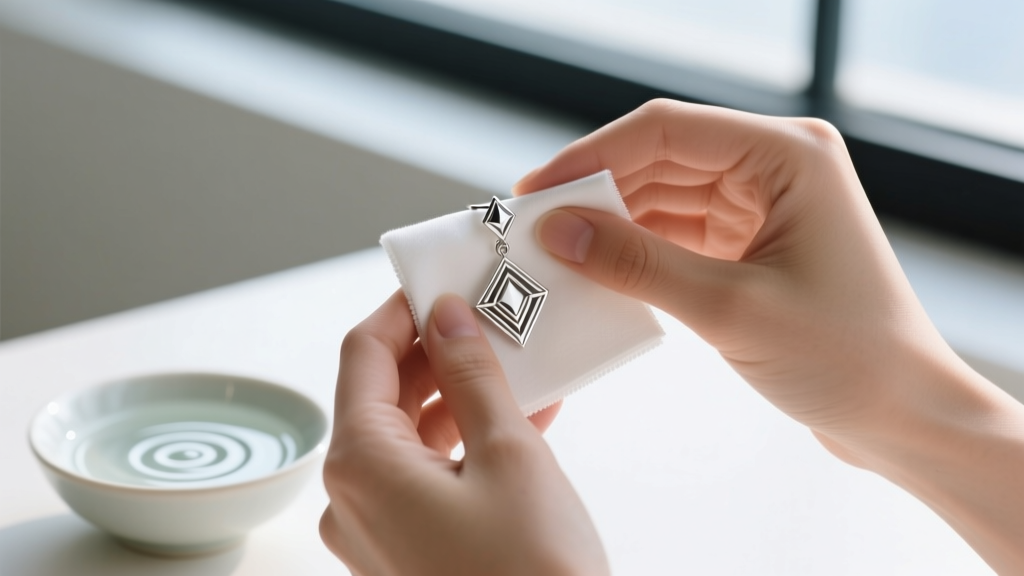
| Sterling Silver (925) | Silver/Copper | Medium | Silver sulfide (blackening) | Silver polishing cloth (treated) |
| Surgical Stainless Steel | Steel Alloy | Very Low | Dirt/lotion buildup (rarely tarnishes) | Warm soapy water soak, rinse |
| Rhodium-Plated | Brass or Silver | Low | Plating wear (cannot be polished) | Dry microfiber cloth only |
Pro Tips to Extend the Life of Fast Fashion Jewelry
Since prevention is vastly superior to cleaning when it comes to thin plating, adopting a few daily habits will keep your Lovisa pieces looking expensive for years.
The 'Last On, First Off' Rule
Always put your jewelry on after applying perfume, hairspray, lotions, and sunscreen. The alcohols and emulsifiers in cosmetics are notorious for breaking down the protective e-coatings applied over fashion jewelry plating. Conversely, take your jewelry off first when you get home to minimize its exposure to your daily sweat and environmental pollutants.
Anti-Tarnish Storage Solutions
Never toss your Lovisa necklaces into a communal jewelry box where they can scratch one another. Store each piece individually in a sealed, airtight ziplock bag with the air squeezed out. For an extra layer of protection, drop a 3M anti-tarnish tab or a simple piece of silica gel (the little packets that come in shoe boxes) into the bag to absorb ambient moisture.
The Clear Coat Hack (For Brass Pieces Only)
If you have a favorite Lovisa brass ring that constantly turns your finger green, apply a thin coat of clear, fast-drying nail polish to the inside band of the ring. This creates a physical, waterproof barrier between your skin's acids and the copper in the brass. Reapply every few months as the polish naturally chips away from friction.
When to Let Go: Recognizing Plating Failure
It is important to recognize the difference between surface tarnish and permanent plating failure. If your Lovisa piece has developed a brassy, patchy appearance that does not wipe away with a damp cloth, the gold plating has likely worn off entirely through friction. At this stage, no amount of cleaning will restore the gold color. While professional re-plating services exist, they typically cost between $40 and $80 per piece, which far exceeds the replacement value of fast-fashion jewelry. When plating fails, it is usually time to recycle the base metal and invest in a new piece, perhaps upgrading to gold vermeil or solid gold for your most-worn staples.


