How to Make Beach Glass Jewelry Last: Care and Cleaning Guide
Learn how to make beach glass jewelry that lasts with expert care, maintenance, and cleaning tips for wire-wrapped and adhesive-set sea glass pieces.

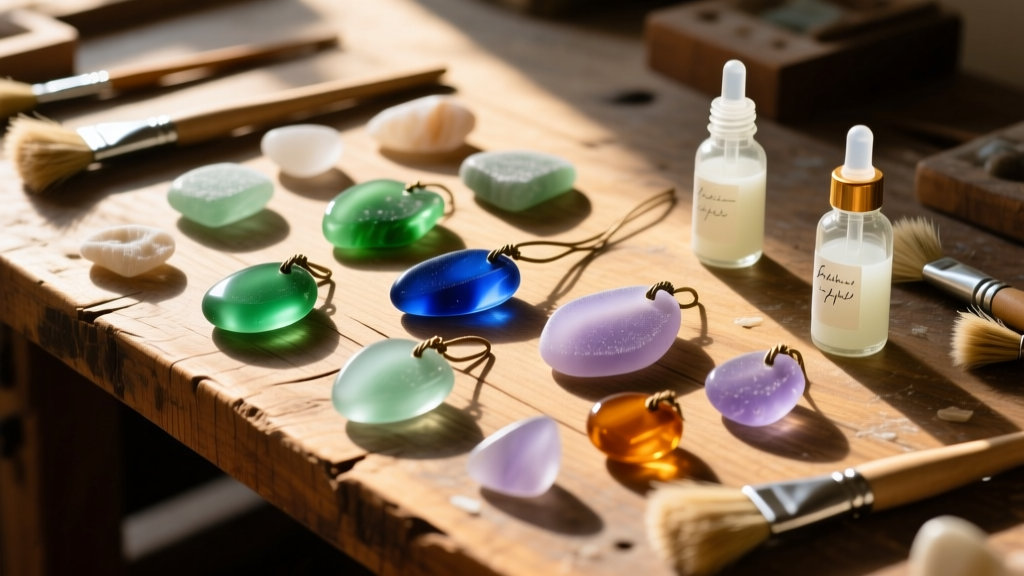
Mastering how to make beach glass jewelry is only the first step in your creative journey. The true mark of a skilled artisan lies in the longevity and pristine condition of the finished pieces. Sea glass, with its signature frosted surface and delicate history, requires specialized care to maintain its velvety texture. Furthermore, the wire wraps, adhesives, and metal settings used to secure these ocean-tumbled treasures are highly susceptible to environmental degradation if not properly maintained.
This comprehensive guide moves beyond basic assembly, diving deep into the metallurgy, chemistry, and structural maintenance required to keep your beach glass jewelry looking as though it just washed ashore. Whether you are a hobbyist selling at local coastal markets or a dedicated wire-wrapper, these professional-grade care protocols will elevate your craft.
The Chemistry of Sea Glass: Preserving the Frost
Authentic sea glass undergoes decades of hydration and chemical leaching in the ocean, which creates its prized frosted exterior. According to the North American Sea Glass Association, this frost is essentially a delicate, microscopic crystalline structure. Improper cleaning can strip this layer, reducing the glass to a shiny, common pebble.
Safe Cleaning Protocols for Frosted Glass
Never use ultrasonic cleaners, steamers, or harsh chemical dips (like Tarn-X) on beach glass jewelry. The high-frequency vibrations can cause micro-fractures in the glass, while acidic dips will eat away the hydrated silica layer.
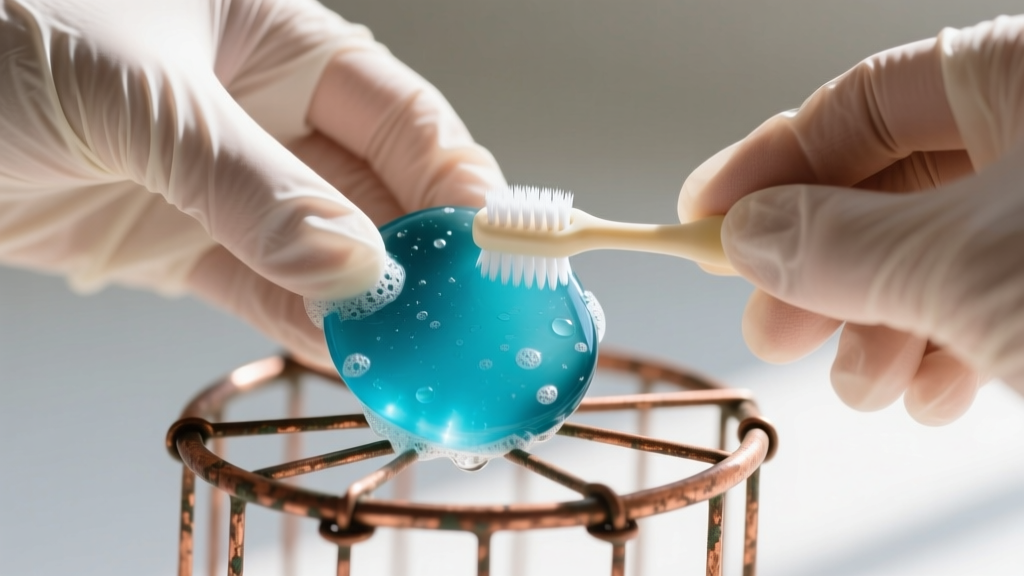
- The Mild Soap Bath: Mix 3 drops of pH-neutral dish soap (like Dawn Free & Clear) into a bowl of lukewarm distilled water. Distilled water prevents hard water mineral deposits from clinging to the glass's porous surface.
- Agitation over Abrasion: Submerge the piece for no more than 5 minutes. Use a baby-soft toothbrush (bristles rated 'extra soft') to gently sweep away lotion or sunscreen buildup from the crevices where the wire meets the glass.
- The Microfiber Dry: Pat dry immediately with a lint-free microfiber cloth. Air drying leaves water spots that can etch into the glass over time.
Metallurgical Maintenance: Protecting Your Wire Wraps
When researching how to make beach glass jewelry, most tutorials focus on 20-gauge or 22-gauge dead-soft wire. However, the alloy you choose dictates your maintenance routine. Bare copper and sterling silver will oxidize rapidly when exposed to the salt air and humidity typical of coastal environments.
Strategic Tarnish Removal Without Damaging Glass
If your wire wrap has tarnished, you must clean the metal without applying abrasive polishes to the glass. Polishing compounds like rouge or liquid silver cleaners will fill the microscopic pits of the sea glass frost, leaving a permanent, cloudy residue.
| Wire Material | Tarnish Rate | Recommended Cleaning Agent | Application Method |
|---|---|---|---|
| Bare Copper (18-22g) | High (Weeks) | White Vinegar & Salt Paste | Apply with a Q-tip strictly to the wire; avoid glass contact entirely. Rinse immediately. |
| Sterling Silver (.925) | Medium (Months) | Aluminum Foil & Baking Soda | Electrochemical bath. Submerge briefly, but note that prolonged exposure to baking soda can dull sea glass frost. |
| Argentium Silver (.935) | Low (Years) | Mild Soap & Water | Wash alongside the glass. Argentium's germanium content resists sulfur-based tarnishing. |
| Niobium / Titanium | None | Isopropyl Alcohol (91%) | Wipe with a lint-free swab. Excellent for anodized colors; alcohol will not strip the anodized layer. |
Sealing Base Metals for Longevity
If you prefer the warm aesthetic of copper or brass for your beach glass pendants, you must seal the metal to prevent verdigris (the toxic green corrosion that can stain the skin and the glass). Apply three thin coats of ProtectaClear or EverBrite coating. These are cross-linking polymers designed specifically for jewelry. Unlike clear nail polish, which yellows and chips within months, these coatings cure into a durable, invisible barrier that withstands skin acids and saltwater exposure.
Structural Integrity: Preventing Glass Fallout
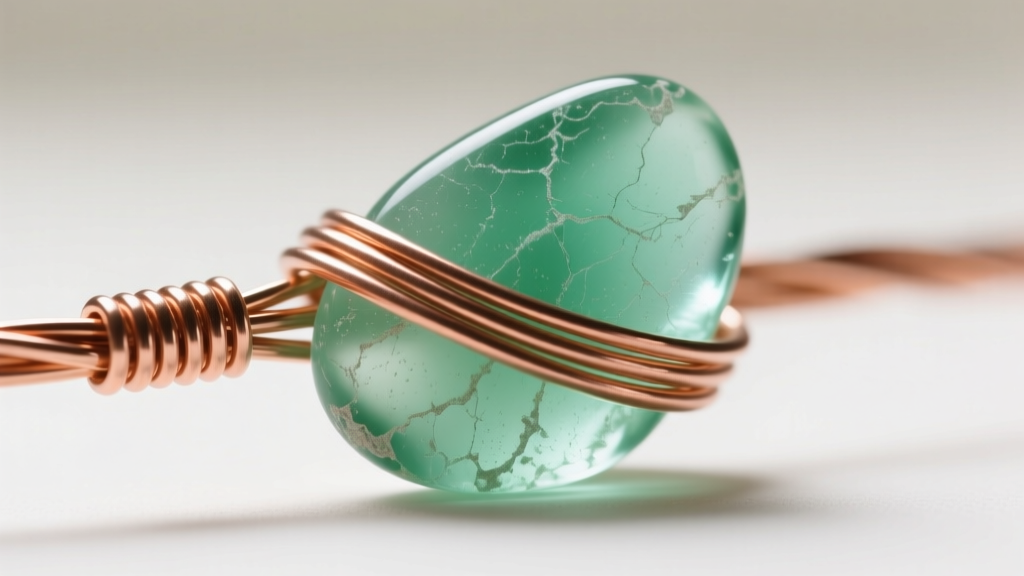
The most catastrophic failure in beach glass jewelry is the stone slipping from its setting. Because sea glass lacks the uniform geometry of calibrated cabochons, wire tension and adhesive bonds degrade over time due to thermal expansion and physical impacts.
Tension Checks and Wire Work-Hardening
Dead-soft wire is easy to manipulate around the uneven contours of beach glass, but it lacks 'memory.' Over time, the wire will relax, and the frame will loosen.
Pro-Tip: After completing your wrap, work-harden the structural frame (not the delicate prongs) using a nylon-jaw plier or by gently tumbling the piece in a rotary tumbler with stainless steel shot for 20 minutes. Crucial Warning: Never tumble the piece if the sea glass has any natural fault lines or if you are using a fragile glass shard, as the steel shot will pulverize the glass edges.
Adhesive Degradation and Re-Bonding
If you incorporate adhesive bezels or glue-on bails into your beach glass designs, you must monitor the glue joint. Cyanoacrylate (Super Glue) becomes brittle and fails under UV exposure. Two-part epoxies (like Devcon 5-Minute Epoxy) offer superior shear strength but can yellow over time.
"For beach glass, which is often displayed in direct sunlight, UV-resistant adhesives like E6000 Jewelry & Bead or specialized UV-curing resins are mandatory. However, even these require re-application every 3 to 5 years if the piece is worn daily in high-UV environments."
To perform maintenance on a failing glue joint, use a dental pick to carefully scrape away the degraded adhesive. Clean both the metal bail and the glass surface with 91% isopropyl alcohol to remove skin oils before applying a fresh, pinpoint drop of E6000. Clamp with a silicone-tipped jewelry clamp for 24 hours in a well-ventilated area.
Storage and Environmental Controls
How you store your inventory or personal collection directly impacts the maintenance required. Beach glass is relatively hard (Mohs 5.5 to 7), but the metal settings are easily scratched, and the glass frost can be marred by friction against harder gemstones like quartz or topaz.
The Anti-Tarnish Storage Ecosystem
Store finished beach glass jewelry in individual, airtight polyethylene zip-lock bags. Include a strip of 3M Anti-Tarnish paper or a Pacific Silvercloth square in each bag. These materials absorb hydrogen sulfide and sulfur dioxide from the ambient air, drastically slowing the oxidation of silver and copper wire wraps.
Avoid storing jewelry in cardboard boxes or untreated wood drawers. The off-gassing of lignin and sulfur compounds from wood and paper products accelerates metal tarnishing and can leave an oily film on the sea glass that is difficult to remove without aggressive scrubbing.
Troubleshooting Common Beach Glass Jewelry Issues
Issue: The Glass Looks Oily or Cloudy After Cleaning
Cause: Residue from hard water, lotion buildup, or a degrading clear-coat sealant on the wire.
Solution: Wipe the glass with a microfiber cloth dampened with a 50/50 mix of distilled water and white vinegar. If the cloudiness persists and you previously sealed your wire with a spray lacquer, the overspray has likely bonded to the glass frost. You will need to gently buff the glass with a jeweler's muslin wheel and a mild cerium oxide paste, taking extreme care not to polish away the frost entirely.
Issue: Wire Prongs are Snagging on Clothing
Cause: Wire ends were not filed flush or the metal has shifted due to impact.
Solution: Use a fine-cut barrette needle file to smooth the wire end, followed by a cup burr in a flex shaft to round the tip. Apply a microscopic drop of clear jeweler's cement over the rounded tip to create a smooth, snag-proof bead cap.
By integrating these advanced care and maintenance techniques into your studio practice, you ensure that the pieces you create honor the decades the ocean spent crafting the glass. Understanding the deep material science behind how to make beach glass jewelry guarantees your art will survive the elements and remain a wearable piece of coastal history.