Expert Guide to Cleaning and Restoring Jewelry Box Knobs
Learn how to safely clean, polish, and upgrade jewelry box knobs. Expert tips on removing tarnish, fixing stiff hardware, and choosing replacement pulls.

The Hidden Culprit: Why Hardware Maintenance Matters
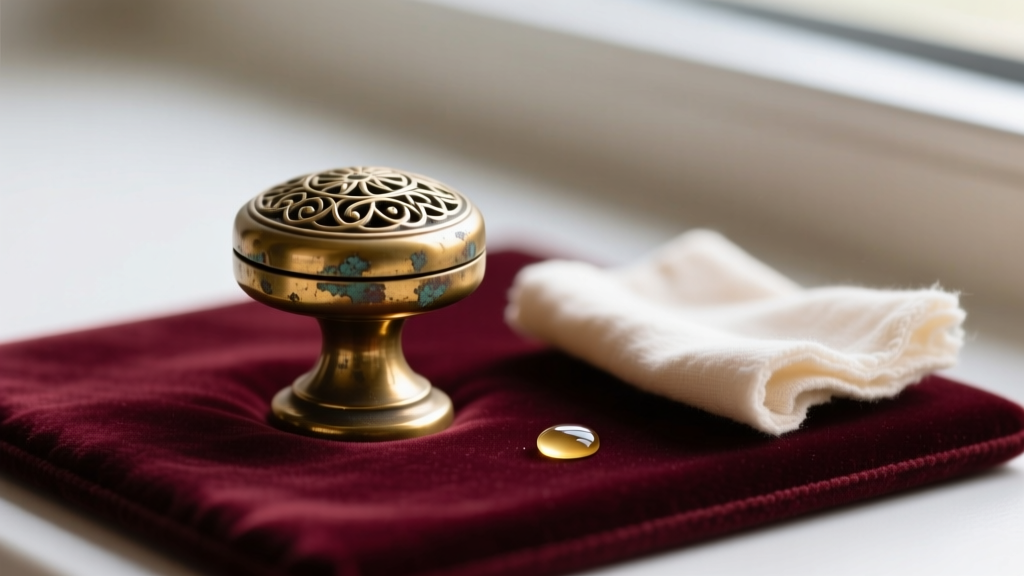
When we think about jewelry care, our focus naturally drifts to the pieces themselves—polishing silver, checking prongs, and organizing chains. Yet, the vessel that protects these treasures is often neglected. Specifically, jewelry box knobs and drawer pulls are high-contact hardware elements that accumulate skin oils, environmental sulfides, and polishing compound residue over time. Ignoring this hardware doesn't just degrade the aesthetic of your storage unit; it poses a genuine risk to your collection. Heavily tarnished brass or oxidized zinc knobs can transfer sulfides and corrosive salts to the interior lining of the box, accelerating the tarnish of the silver and copper jewelry stored inside. A meticulous approach to cleaning, maintaining, and occasionally upgrading your jewelry box knobs is essential for preserving both the storage piece and its contents.
Identifying Your Jewelry Box Knob Materials
Before applying any chemical cleaner or abrasive, you must accurately identify the base material of your hardware. Using the wrong compound can permanently ruin antique finishes or strip protective coatings. Perform a simple magnet test and a visual weight assessment to categorize your knobs.
Solid Brass vs. Zinc Alloy (Zamak)
Vintage and high-end modern jewelry boxes typically feature solid brass hardware. Brass is non-magnetic, relatively heavy, and will yield a bright, golden shine when polished. Conversely, many mid-century and mass-produced boxes use Zamak (a zinc, aluminum, magnesium, and copper alloy), often referred to as 'pot metal.' Zamak is usually plated with a thin layer of brass or nickel. If the plating is intact, it can be gently cleaned. However, if the plating is flaking or the underlying metal shows signs of 'pitting' (small, crater-like corrosion spots), polishing will only make it worse. Pitted Zamak cannot be restored through polishing; the knob must be replaced or professionally re-plated.
Crystal, Glass, and Acrylic Pulls
Crystal and glass knobs add a touch of elegance to vanity storage. While modern glass is highly durable, antique crystal knobs often feature delicate foil-backing or water-based adhesive mounts that will dissolve if exposed to harsh liquid cleaners or ultrasonic vibrations. Acrylic pulls, popular in mid-century modern designs, are prone to micro-scratches and will cloud permanently if cleaned with ammonia-based glass cleaners.

Step-by-Step Cleaning and Polishing Guide
Proper restoration requires a phased approach, moving from the gentlest cleaning methods to more aggressive polishing only when necessary. Always remove the knobs from the jewelry box before cleaning to prevent chemical runoff from staining the wood veneer or fabric lining.
Removing Tarnish from Metal Knobs
For solid brass knobs with heavy oxidation, skip the home remedies like lemon juice and baking soda, which can cause uneven micro-pitting. Instead, use a professional-grade jeweler's rouge or a specialized metal polish like Simichrome or Brasso. Apply a pea-sized amount to a microfiber cloth and work it into the metal using tight, circular motions. For intricately carved knobs where tarnish hides in the crevices, use a soft-bristled detailing brush or a wooden toothpick to gently agitate the polish into the recesses. Wipe away the residue with a clean cloth and buff to a high shine. According to restoration experts at Bob Vila, always follow up brass polishing with a protective sealant to delay re-oxidation.
Cleaning Crystal and Acrylic Hardware
For glass and crystal, a 50/50 mixture of distilled water and 90% isopropyl alcohol applied to a lint-free cloth is the safest approach. This mixture cuts through finger oils and dries instantly without leaving water spots. For acrylic knobs, use a dedicated plastics cleaner like Novus 1, which cleans and leaves a mild anti-static shield that repels dust. Never use paper towels on acrylic, as the wood pulp fibers will inflict permanent swirl marks.
Troubleshooting Stiff or Stripped Knob Screws
A beautiful knob is useless if the drawer mechanism is failing. Stiff drawers are rarely caused by the knob itself, but rather by the internal screw thread binding against the wood or metal nut. If a knob feels wobbly, the internal nut has likely backed out. Remove the knob and apply a single drop of dry PTFE (Teflon) lubricant to the screw threads. Avoid standard WD-40 or wet oils, as these attract dust and eventually turn into a sticky paste that seizes the hardware.
If you encounter a stripped screw head while trying to remove a knob for cleaning, place a wide rubber band flat over the screw head before inserting your screwdriver. The rubber fills the stripped gaps, providing enough grip to back the screw out without resorting to a drill extractor, which could damage the surrounding wood veneer.
Upgrading: Sizing and Replacing Jewelry Box Knobs
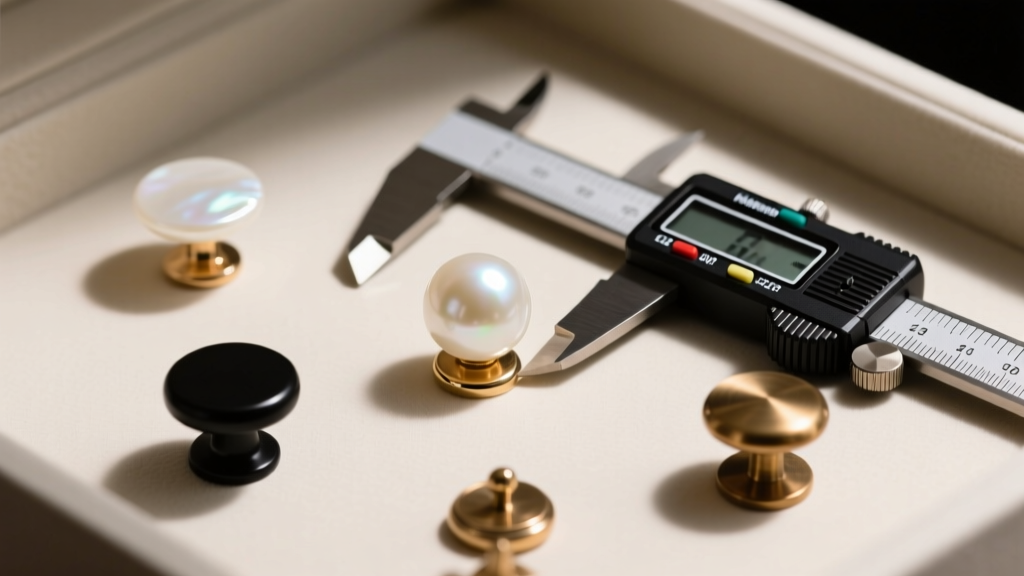
When hardware is beyond repair, or you simply want to modernize a vintage piece, replacing the knobs is a high-impact upgrade. The critical factor in replacement is matching the screw thread pitch and diameter. Jewelry box hardware generally falls into two categories: Imperial (common in US-made vintage boxes) and Metric (common in modern imports).
| Screw Standard | Thread Size | Pitch | Typical Application |
|---|---|---|---|
| Imperial (US Vintage) | #8-32 UNC | 32 threads per inch | Antique wooden boxes, mid-century vanities |
| Metric (Modern) | M4 | 0.7mm thread pitch | Contemporary PU leather boxes, acrylic organizers |
| Fine Thread (Rare) | #6-32 UNC | 32 threads per inch | Delicate, small-scale ring drawers |
Always use a digital caliper to measure the screw diameter before ordering replacements. Additionally, consider the 'projection'—the distance the knob stands off the drawer face. A projection that is too short will pinch your fingers when opening heavy, velvet-lined drawers, while one that is too long may catch on clothing or nearby textiles.
Preventative Maintenance for Long-Term Shine
Once your metal knobs are polished, you must seal them to prevent the immediate return of tarnish. Bare brass will begin to oxidize within days if exposed to the humidity of a typical bedroom. The gold standard for sealing restored hardware is Renaissance Wax, a micro-crystalline wax blend developed by the British Museum. As noted by the finishing experts at Wood Magazine, this wax creates a hard, moisture-resistant barrier that does not yellow or attract dust like traditional paste waxes.
Expert Tip: Apply a micro-thin layer of Renaissance Wax to your metal knobs using a soft cotton cloth. Let it haze for 10 minutes, then buff it gently. Reapply every 6 to 12 months depending on how frequently you use the jewelry box. This single step will keep your hardware gleaming and prevent corrosive transfer to your silver jewelry.
By integrating jewelry box knob maintenance into your seasonal cleaning routine, you ensure that the vessel protecting your most prized possessions remains as pristine and functional as the gems inside. Whether you are gently wiping down a crystal pull or completely restoring a set of oxidized brass drawer handles, treating your storage hardware with respect is the hallmark of a true jewelry connoisseur.


