Jennings Brothers Jewelry Box: The Ultimate Heirloom Gift Guide
Discover why a vintage Jennings Brothers jewelry box is the perfect heirloom gift. Learn authentication, pricing, and occasion matching in our guide.

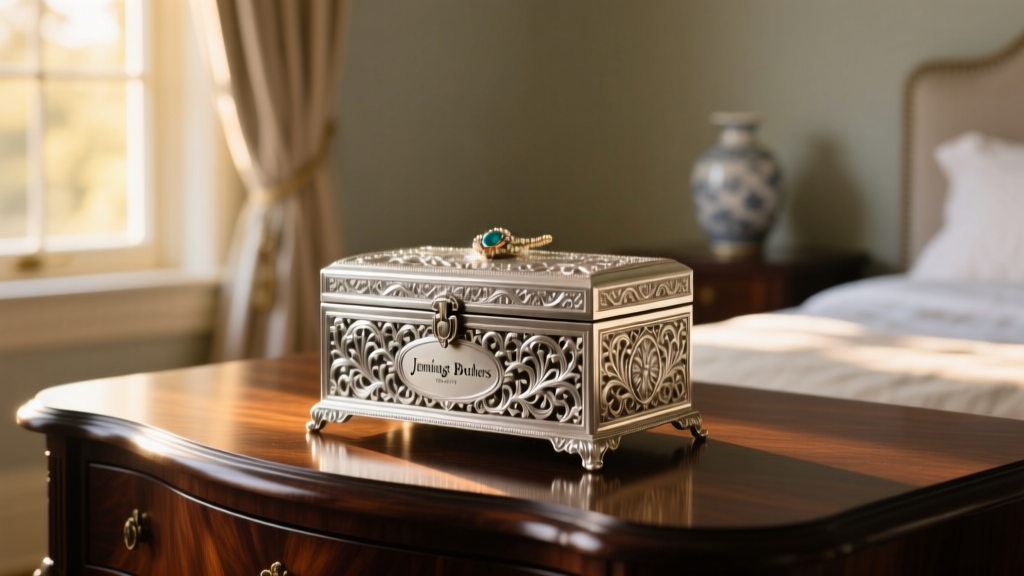
Gifting jewelry storage is often an afterthought, relegated to generic velvet rolls, mass-produced acrylic stacks, or flimsy cardboard valets. But for milestone occasions that demand gravity and permanence, a Jennings Brothers jewelry box offers historical weight, artisan craftsmanship, and a narrative that modern manufacturing simply cannot replicate. As we navigate the 2026 gifting landscape, collectors and thoughtful gifters are increasingly turning to early 20th-century American metalware to present fine jewelry. This guide explores how to authenticate, restore, and match these antique treasures to the perfect life event.
The Legacy and Hallmarks of Jennings Brothers
Founded in Bridgeport, Connecticut, in the late 19th century, Jennings Brothers Mfg. Co. became a titan of American metalware, peaking in production between 1900 and the 1930s. Their pieces ranged from bookends and candlesticks to highly ornate jewelry caskets. When hunting for the perfect gift, authentication is your first hurdle. According to antique appraisal resources like The Spruce Crafts, identifying the maker's mark is crucial for establishing provenance.
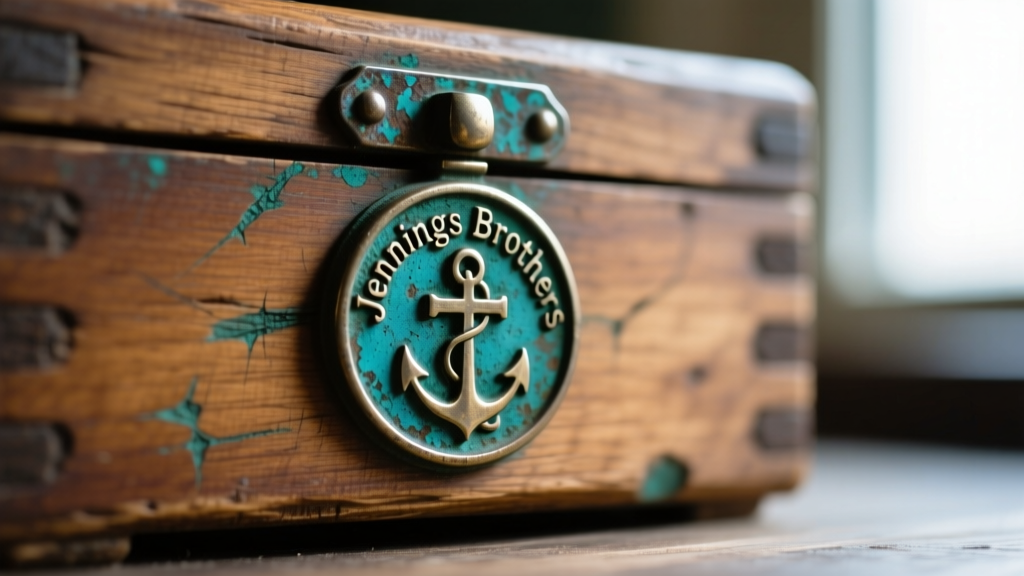
Authentic pieces will typically bear one of two hallmarks on the underside or interior rim:
- The Cross and Anchor: A stamp featuring a cross intersecting an anchor, with the letters "J" and "B" nestled in the quadrants.
- The Simple JB: Later or smaller pieces may simply feature a stamped "JB" or "Jennings Bros."
Material Realities: Spelter vs. Sterling Silver
The most critical E-E-A-T distinction for any buyer or gifter to understand is the base metal. A common misconception is that these antique boxes are solid sterling silver. In reality, the vast majority of Jennings Brothers jewelry boxes are crafted from spelter (a zinc alloy similar to pewter) or white metal, which is then heavily silver-plated.
This is not a detriment; rather, it allowed for the intricate, heavy castings and deep Victorian repousse or sharp Art Deco geometric patterns that define the brand. However, it drastically alters how you must care for the piece and how you should present it to the recipient. Setting the expectation that this is a premium silver-plated antique, rather than melt-value sterling, is a hallmark of an informed gifter.
Matching the Box to the Occasion
Because Jennings Brothers produced a wide variety of styles over four decades, you can precisely match the aesthetic of the box to the personality of the recipient and the gravity of the occasion.
1. The 50th Anniversary (Golden Jubilee)
For a couple celebrating half a century together, a large, multi-tiered Jennings Brothers casket in the Victorian Repousse style is unparalleled. These boxes feature heavy, raised floral and cherubic motifs that catch the light beautifully. They are substantial enough to hold decades of accumulated brooches, pearl strands, and wedding bands. Gifting a piece that has itself survived a century mirrors the endurance of their marriage.
2. The Vintage-Loving Bride
If the bride favors the Roaring Twenties or Great Gatsby aesthetics, seek out a 1920s-era Jennings Brothers Art Deco trinket box. These pieces abandon the floral swirls for stepped edges, geometric fan motifs, and sleek, glass-lined interiors. It is the perfect vessel for presenting a vintage diamond engagement ring or a pair of Art Deco sapphire earrings on the morning of the wedding.
3. Milestone Graduations & Heirloom Passing
When passing down a family heirloom—such as a grandmother's locket or a graduation gift of diamond stud earrings—a compact, hinged JB pocket watch-style jewelry box adds a layer of ceremonial importance. The tactile weight of the spelter base and the satisfying snap of a well-machined brass hinge elevate the act of receiving the jewelry.
2026 Collector's Pricing & Condition Matrix
When sourcing a Jennings Brothers jewelry box as a gift, condition dictates both the price and the amount of restoration required before it is presentable. Below is a breakdown of current market pricing for authenticated pieces.
| Style / Size | Poor Condition (Needs Work) | Good (Patina, Intact Lining) | Mint / Professionally Restored |
|---|---|---|---|
| Small Trinket / Ring Box | $35 - $60 | $85 - $140 | $175 - $250 |
| Medium Hinged Casket (Repousse) | $90 - $150 | $180 - $275 | $300 - $450 |
| Large Multi-Tier / Dresser Valet | $150 - $250 | $350 - $550 | $600 - $900+ |
Note: Rare patterns, such as the highly sought-after "Dragon" or specific Native American motif castings, can command a 40-60% premium over standard floral repousse pieces on platforms like Ruby Lane.
Restoration Rules for Gifting
Handing someone a tarnished, dusty antique is not a gift; it is a chore. However, improper cleaning can permanently destroy a Jennings Brothers piece. Because the silver is merely a microscopic plating over zinc spelter, using harsh chemical dips (like Tarn-X) or abrasive polishing wheels will strip the silver entirely, leaving a dull, gray, unpolishable zinc surface.
The Safe Cleaning Protocol
- Exterior Polish: Use a mild, non-abrasive cream like Wright's Silver Cream. Apply with a damp, soft microfiber cloth, working in small circular motions. Buff immediately with a dry, clean cloth.
- Crevice Detailing: For deep repousse grooves where tarnish hides, use a cotton swab lightly dampened with distilled water and a drop of mild dish soap. Never use metal picks or stiff toothbrushes.
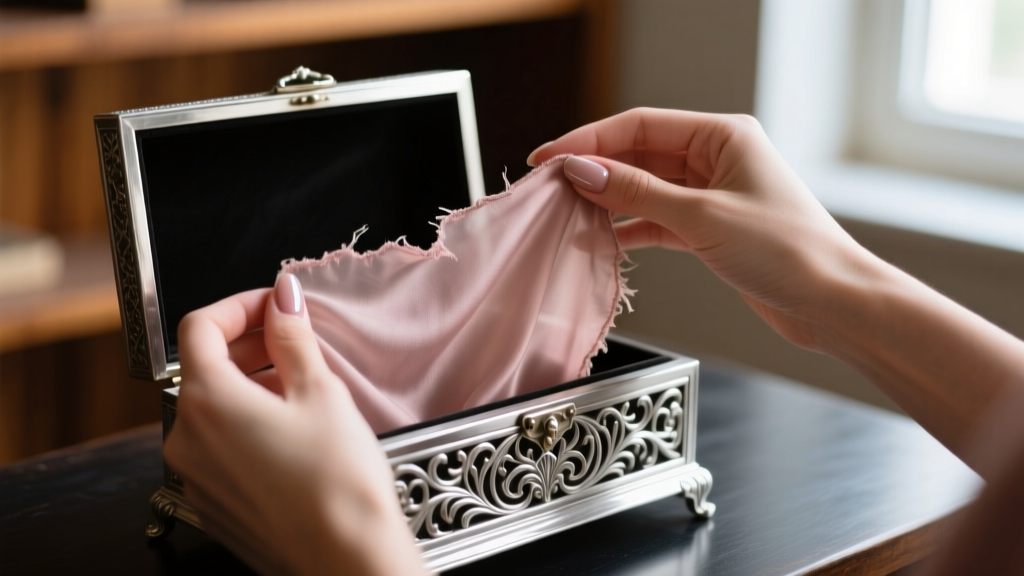
- Interior Lining: The original silk or velvet linings of 1920s boxes are almost always degraded, shredded, or stained. For a true heirloom gift, carefully peel back the old fabric and replace it with modern, acid-free archival suede or heavy-weight silk. Use a reversible, acid-free fabric glue to ensure future conservators can undo your work if necessary.
Gifter's Pro-Tip: Include a small, handwritten card inside the newly lined box detailing the history of the Jennings Brothers brand, the estimated decade of the box's casting, and instructions on how to care for silver plate. This transforms a physical object into an educational experience.
Where to Source Authentic Pieces
Finding the right piece requires patience. While you can occasionally stumble upon a mislabeled treasure at a local estate sale, serious gifters should look to curated online antique marketplaces. Antique Trader frequently highlights the market trends for early American metalware, pointing collectors toward reputable dealers. When browsing eBay or Etsy, always demand high-resolution photos of the underside hallmark and the interior hinges. If the seller cannot provide a clear photo of the JB stamp or the cross-and-anchor mark, walk away; unmarked pieces are often later, lower-quality reproductions from the mid-century.
The Emotional Weight of an Antique Gift
In an era of fast fashion and disposable packaging, presenting a piece of fine jewelry inside a Jennings Brothers jewelry box is a statement of permanence. You are not just giving a container; you are giving a survivor of the 1920s, a piece of American industrial art that has protected treasures for a hundred years, and is now ready to guard a new legacy for the century to come.


