Ultimate Care Guide for Every Mother's Day Jewelry Gift
Preserve her Mother's Day jewelry gift with our expert cleaning guide. Learn material-specific care for pearls, gold, and gems to ensure lifelong shine.
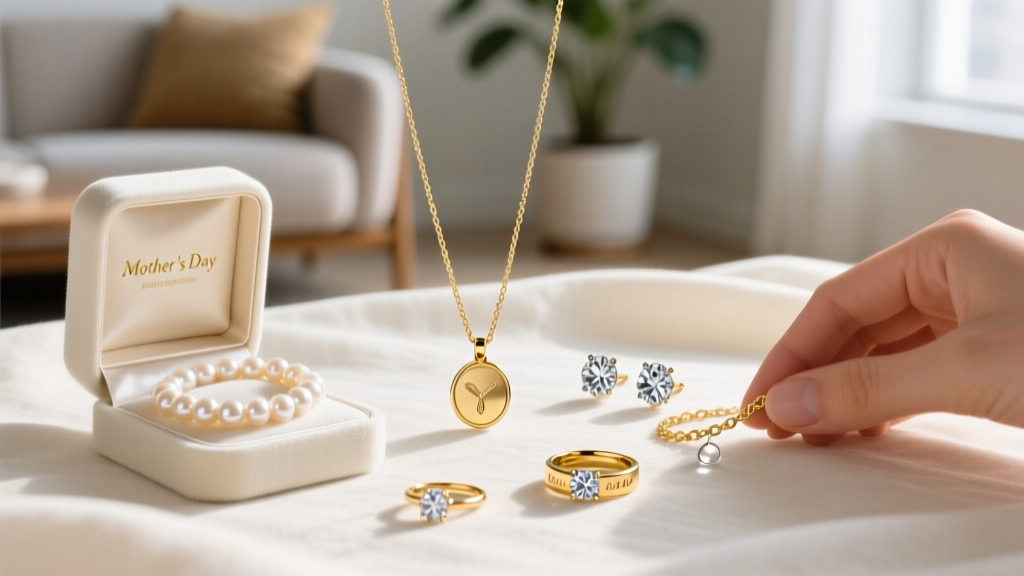
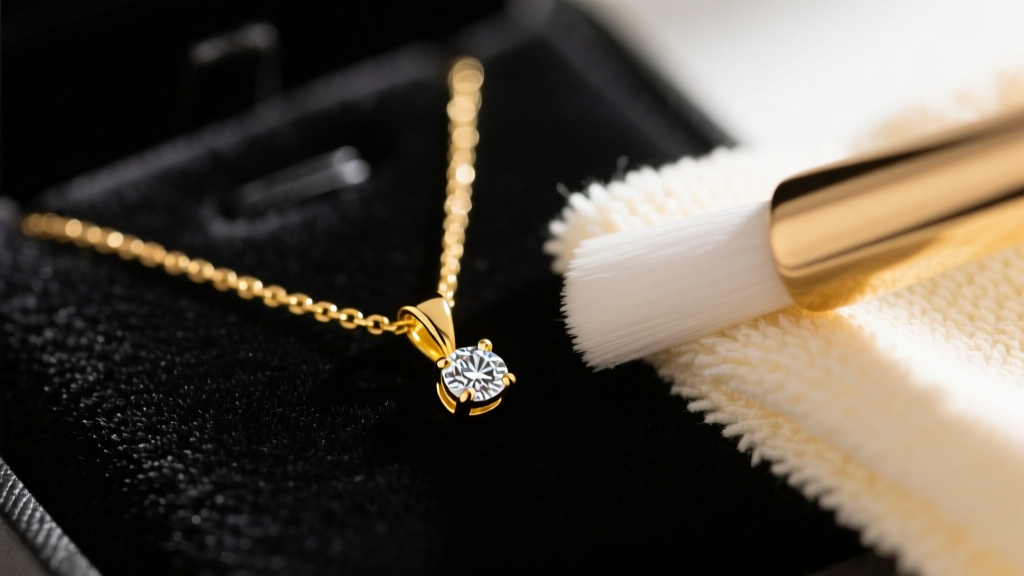
Gifting jewelry is a profound gesture, often symbolizing enduring love and appreciation. When you select a Mother's Day jewelry gift, you are not just giving an accessory; you are presenting a future heirloom. However, the longevity of these precious pieces relies heavily on proper maintenance. As of 2026, advancements in jewelry metallurgy and gemstone treatments have made pieces more beautiful than ever, but they still require meticulous, material-specific care to prevent degradation, tarnish, and structural damage.
Many well-intentioned recipients inadvertently damage their jewelry by applying a one-size-fits-all cleaning approach. What works brilliantly for a platinum diamond ring can completely destroy the nacre of a pearl necklace or strip the protective oils from an emerald. This comprehensive guide breaks down the chemistry of jewelry wear and provides actionable, professional-grade cleaning protocols to ensure her gift remains flawless for decades.
The Chemistry of Tarnish and Wear
To properly care for fine jewelry, it is essential to understand why it degrades. Pure 24k gold and platinum are highly resistant to tarnish, but they are too soft for daily wear. Therefore, jewelers alloy them with metals like copper, zinc, and silver. In 14k gold, which contains 58.5% pure gold and 41.5% alloy metals, it is these secondary metals that react with sulfur compounds and moisture in the air, or with the natural pH of the wearer's skin, to create tarnish. Silver is particularly susceptible, forming a layer of silver sulfide when exposed to airborne sulfur. Understanding this chemical reality means recognizing that preventing tarnish is about controlling the environment, while removing tarnish requires specific chemical or mechanical actions that do not strip the underlying metal.
Material-Specific Cleaning Protocols
The most critical rule in jewelry maintenance is that every material dictates its own cleaning regimen. According to the Gemological Institute of America (GIA), identifying the exact gemstone and metal alloy is the mandatory first step before applying any cleaning solution.
Pearls and Organic Gems (The 2.5 Mohs Rule)
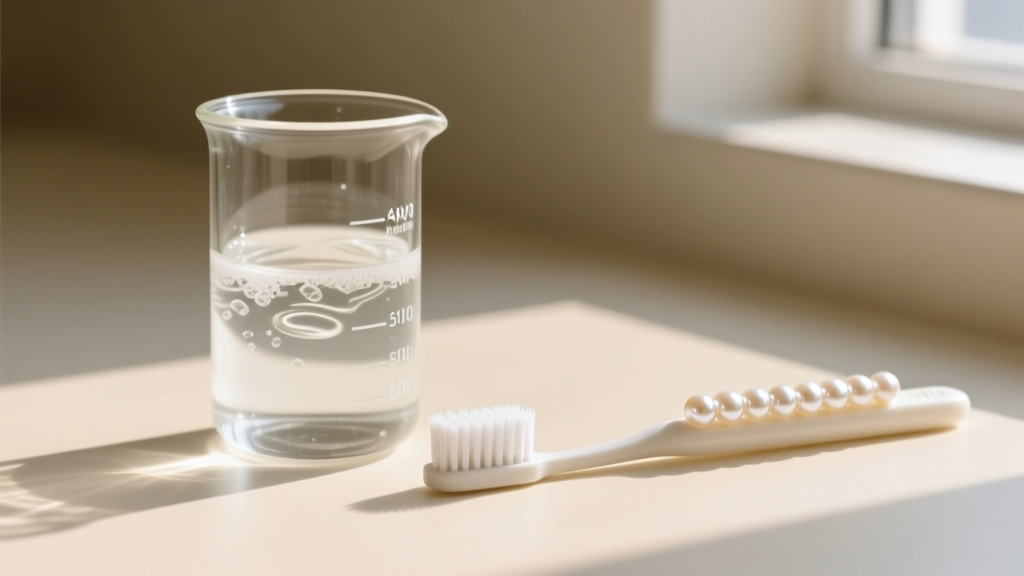
Pearls, coral, and amber are organic gems with a Mohs hardness of just 2.5 to 3.0, making them exceptionally soft and porous. Their beauty lies in the nacre, a delicate crystalline structure that is highly sensitive to acids—even the natural acidity of human sweat. After every wear, pearls should be gently wiped with a soft, damp, lint-free cloth to remove skin oils and cosmetics. Never submerge a pearl necklace in water; doing so can weaken the silk threading and cause the beads to stretch or rot from the inside out. Avoid all commercial jewelry dips, ammonia, and ultrasonic cleaners, as these will instantly dull the nacre's luster and cause irreversible etching.
Gold and Platinum Alloys (14k vs. 18k Care)
For gold and platinum pieces without fragile gemstones, a simple, gentle surfactant is the safest cleaning agent. Mix a few drops of phosphate-free, mild dish soap (such as Dawn) into a bowl of lukewarm—not hot—water. Let the piece soak for 15 to 20 minutes to loosen sebum and lotion buildup. Use a soft-bristled baby toothbrush to gently agitate the area behind the gemstone setting, where grime accumulates and blocks light return. Rinse thoroughly under lukewarm running water, ensuring the drain is securely plugged. Pat dry with a microfiber cloth. Note that 18k gold is softer and more prone to micro-scratches than 14k gold, so avoid any abrasive polishing cloths on high-polish 18k finishes.
Treated and Porous Gemstones (Emeralds, Opals, Turquoise)
Porous and treated gemstones require extreme caution. Over 90% of commercial emeralds are fracture-filled with cedar oil or synthetic resins to improve clarity. Exposure to warm water, harsh soaps, or ultrasonic vibrations will strip this oil, leaving the stone looking cloudy and heavily included. Clean emeralds only with a dry, soft cloth. Similarly, opals contain up to 20% water; exposing them to extreme heat or harsh chemicals can cause "crazing," a network of internal cracks that ruins the stone's structural integrity. Turquoise is highly porous and will absorb oils and chemicals, leading to permanent discoloration. As noted by Jewellers of America, these stones should only ever be wiped gently with a clean, untreated, dry cloth.
The Ultrasonic Cleaner Trap: What to Avoid
At-home ultrasonic cleaners have surged in popularity, utilizing high-frequency sound waves (typically 40 to 45 kHz) to create microscopic vacuum bubbles in a liquid solution. When these bubbles collapse against the jewelry—a process called cavitation—they blast away microscopic dirt. While miraculous for diamonds and solid platinum, this violent process is catastrophic for many other materials. The vibrations can shake stones loose from their prongs, shatter included gems along natural fracture lines, and strip protective coatings.
| Material / Gemstone | Ultrasonic Safe? | Scientific Reasoning |
|---|---|---|
| Diamonds (unfractured) | Yes | Exceptional hardness (10 Mohs) and lack of cleavage planes make them immune to cavitation damage. |
| Emeralds | No | Vibrations will shatter the stone along its natural "jardin" inclusions and strip cedar oil treatments. |
| Pearls & Coral | No | Cavitation will pit, crack, and completely dissolve the delicate outer layers of organic nacre. |
| Opals & Moonstones | No | Internal water content and structural anomalies make them highly susceptible to shattering from vibrations. |
| 14k / 18k Gold | Yes | Solid gold alloys can withstand the vibrations, provided no fragile stones are set in the piece. |
| White Gold (Rhodium Plated) | Caution | Frequent ultrasonic cleaning can accelerate the wear of the microscopic rhodium plating layer. |
Long-Term Maintenance and Professional Servicing
Even with meticulous at-home care, a Mother's Day jewelry gift requires professional oversight. Rings worn daily are subjected to immense blunt force and friction. Over time, this wear compromises the structural integrity of the prongs holding the center stone. A jeweler should inspect the prongs, shanks, and clasps under 10x magnification every six to twelve months. If a prong is lifted or thinned, it must be re-tipped immediately to prevent stone loss.
Additionally, white gold requires specific long-term maintenance. White gold is naturally a pale yellow alloy; its bright silver appearance comes from a microscopic layer of rhodium plating (usually 0.75 to 1.0 microns thick). With daily wear, this plating inevitably wears away, revealing the yellowish alloy beneath. Expect to have white gold pieces professionally polished and re-plated with rhodium every 12 to 18 months to maintain their brilliant white finish.
Proper Storage Environments: Preventing Micro-Scratches
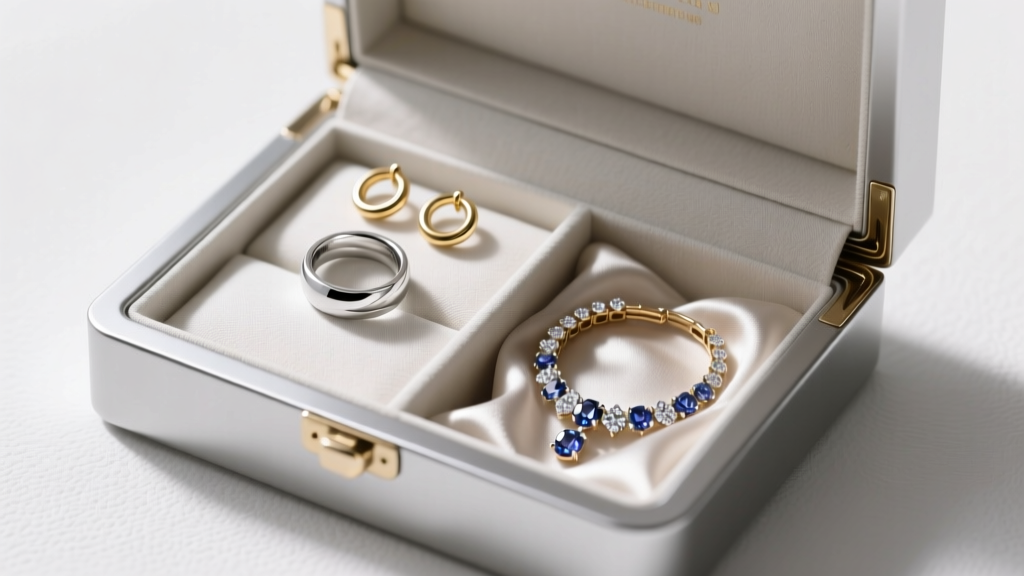
How jewelry is stored is just as critical as how it is cleaned. The most common mistake is tossing multiple pieces into a single drawer or box compartment. Because diamonds (10 Mohs) can easily scratch gold (2.5-3 Mohs), sapphires (9 Mohs), and even other diamonds, every piece must be stored individually. Use soft fabric pouches or a jewelry box with discrete, fabric-lined dividers.
For silver and lower-karat gold, environmental control is paramount. Avoid storing jewelry in bathrooms, where high humidity accelerates oxidation. Instead, store pieces in airtight polyethylene (PE) or polypropylene (PP) zip bags. Never use polyvinyl chloride (PVC) plastics, as they emit sulfur compounds that actively cause silver to tarnish. For added protection, place a 3M anti-tarnish strip and a small silica gel desiccant packet inside the storage container. The anti-tarnish strip will absorb airborne sulfur compounds, while the silica gel will maintain a low-humidity environment, ensuring that when she reaches for her favorite necklace, it shines just as brightly as the day she opened the box.
Conclusion
A Mother's Day jewelry gift is a tangible expression of gratitude and love, meant to be worn and cherished. By abandoning harsh, generalized cleaning methods and adopting these material-specific protocols, you protect both the financial and sentimental value of the piece. Whether it is gently wiping a strand of Akoya pearls, carefully brushing a 14k gold pendant with mild soap, or scheduling an annual prong inspection, these deliberate acts of care ensure the jewelry remains a radiant, enduring symbol of your appreciation for years to come.