What Makes an Anniversary Jewelry Gift Special: Expert Guide
Discover what makes an anniversary jewelry gift special. Explore milestone metals, gemstone upgrades, and bespoke engraving techniques for 2026.

The Anatomy of a Meaningful Milestone Gift
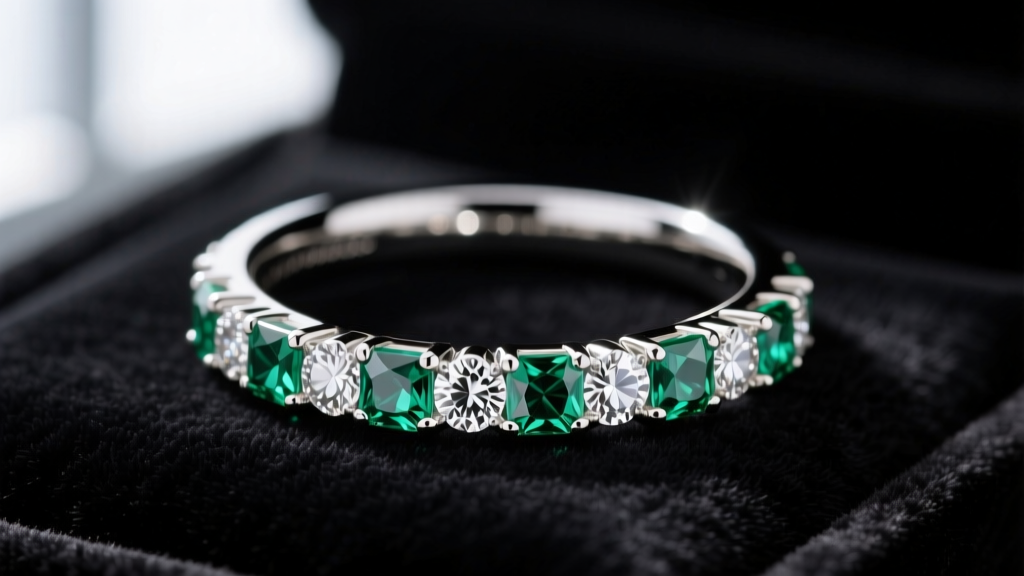
When evaluating what makes an anniversary jewelry gift special, one must look far beyond the superficial metrics of carat weight or brand prestige. A truly exceptional anniversary piece operates at the intersection of metallurgical permanence, bespoke personalization, and ethical provenance. Unlike an engagement ring, which is often selected prior to the partnership's full evolution, an anniversary gift is a retrospective anchor—a physical manifestation of shared history and future intent. In 2026, discerning couples are moving away from generic catalog pieces, favoring hyper-specific material choices and structural designs that reflect their unique lifestyle and aesthetic journey.
This guide deconstructs the technical, emotional, and financial frameworks required to select or commission an anniversary piece that transcends trends. From understanding the precise alloy compositions of platinum to navigating the structural vulnerabilities of shared-prong settings, we provide the actionable insights needed to make an informed, enduring investment.
The Metallurgical Foundation: Platinum 950 vs. 18k Gold Alloys
The longevity of an anniversary band or upgrade ring is dictated by its foundational metal. The two dominant choices—Platinum 950 and 18k Gold—possess vastly different structural behaviors, wear patterns, and maintenance requirements.
Platinum 950: The Patina of Time
Platinum 950 is an alloy composed of 95% pure platinum and 5% secondary metals, typically ruthenium or iridium, which increase hardness. Unlike gold, which loses microscopic layers of metal when scratched, platinum merely displaces. This means a platinum anniversary band will develop a soft, matte 'patina' over time rather than thinning. For many, this organic aging process is precisely what makes an anniversary jewelry gift special; the metal literally absorbs the physical history of the wearer. However, if a high-polish finish is preferred, platinum requires professional re-polishing every 18 to 24 months, which removes a negligible amount of metal.
18k Gold and the Rhodium Plating Dilemma
18k Yellow Gold (75% pure gold, alloyed with copper and silver) is highly durable and requires minimal maintenance. However, 18k White Gold presents a specific failure mode that buyers must understand. White gold is naturally yellowish-gray; to achieve a bright white appearance, it is electroplated with rhodium. This plating is typically only 0.75 to 1.0 microns thick. When worn daily against an engagement ring, friction will wear through the rhodium in 12 to 18 months, revealing the warm undertone beneath. If you are gifting a white gold anniversary band, factor in the $50 to $120 annual cost for re-plating, or pivot to Platinum 950 for a maintenance-free white metal alternative.
Gemstone Selection: Hardness, Toughness, and Daily Wear
Selecting gemstones for an anniversary piece requires a nuanced understanding of both hardness (scratch resistance) and toughness (chip resistance). The Mohs scale is logarithmic, meaning a Diamond (10) is not just one step harder than a Sapphire (9); it is approximately four times harder. This distinction is critical for eternity bands, where stones sit adjacent to one another and can cause cross-scratching if their hardness levels vary.
Colored Gemstones: Beauty vs. Structural Risk
While sapphires and rubies (Corundum, Mohs 9) are excellent choices for daily-wear anniversary rings, emeralds (Beryl, Mohs 7.5-8) present significant structural risks. Emeralds are heavily included and inherently brittle. Furthermore, they are routinely treated with cedar oil to mask fissures. Ultrasonic cleaners and the heat from a jeweler's torch can destroy this treatment, leaving the stone opaque and fractured. If an emerald anniversary band is desired, it must feature bezel settings to protect the vulnerable girdle and corners, and the wearer must commit to gentle, non-chemical cleaning methods.
Milestone Matrix: Aligning Metals and Gems with Anniversary Years
Tradition offers a starting point, but modern gemology allows for superior upgrades. The following matrix aligns traditional milestones with structurally sound, modern recommendations for 2026.
| Anniversary Year | Traditional Material | Modern Upgrade Recommendation | Mohs Hardness | Est. Price Range (USD) |
|---|---|---|---|---|
| 1st | Gold | 18k Gold Lab-Grown Diamond Studs (VVS2) | 10 (Diamond) | $1,200 - $2,500 |
| 5th | Sapphire | Platinum CVD Sapphire Eternity Band | 9 (Sapphire) | $3,500 - $6,000 |
| 10th | Diamond | Platinum 950 Emerald-Cut Three-Stone | 10 (Diamond) | $8,000 - $15,000 |
| 20th | Emerald | 18k Yellow Gold Bezel-Set Emerald Earrings | 7.5 - 8 (Emerald) | $4,000 - $9,000 |
The Art of Bespoke Engraving: Hand vs. Laser Techniques
Personalization is the emotional core of anniversary gifting. However, the method of engraving drastically impacts the legibility and lifespan of the inscription. Understanding the difference between hand and laser engraving is vital for a piece meant to become an heirloom.
Hand Engraving: Displacement and Bright Cuts
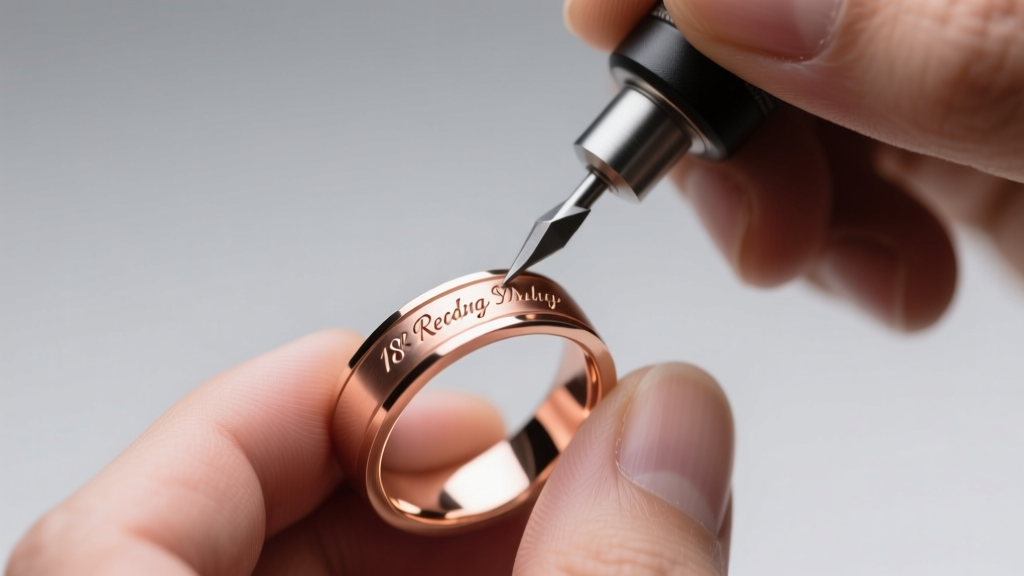
Hand engraving, performed by a master artisan using pneumatic graver tools, does not remove metal; it displaces it. The graver slices through the surface and folds the metal back, creating a 'bright cut' that catches the light. Because the metal is compressed rather than vaporized, hand engraving actually increases the structural density of the inscribed area. It is highly legible, deeply romantic, and will outlast the ring itself. Expect to pay a premium of $150 to $400 for this artisanal service.
Laser Engraving: Vaporization and Limitations
Laser engraving uses concentrated thermal energy to vaporize microscopic layers of metal. While it allows for complex fonts, fingerprints, or even photographic etchings, the resulting mark is essentially a shallow burn. On the interior of a ring, laser engraving is generally safe. However, if applied to the exterior or on high-friction surfaces, the shallow depth (often less than 0.1mm) will polish away within a few years. For a permanent exterior hallmark, always insist on hand engraving.
Provenance and Ethical Sourcing in 2026
Modern consumers recognize that the origin story of a gemstone contributes significantly to its sentimental value. The traditional Kimberley Process, while foundational, has well-documented loopholes regarding human rights and environmental degradation. According to the American Gem Society (AGS), buyers should demand verifiable, single-origin documentation.
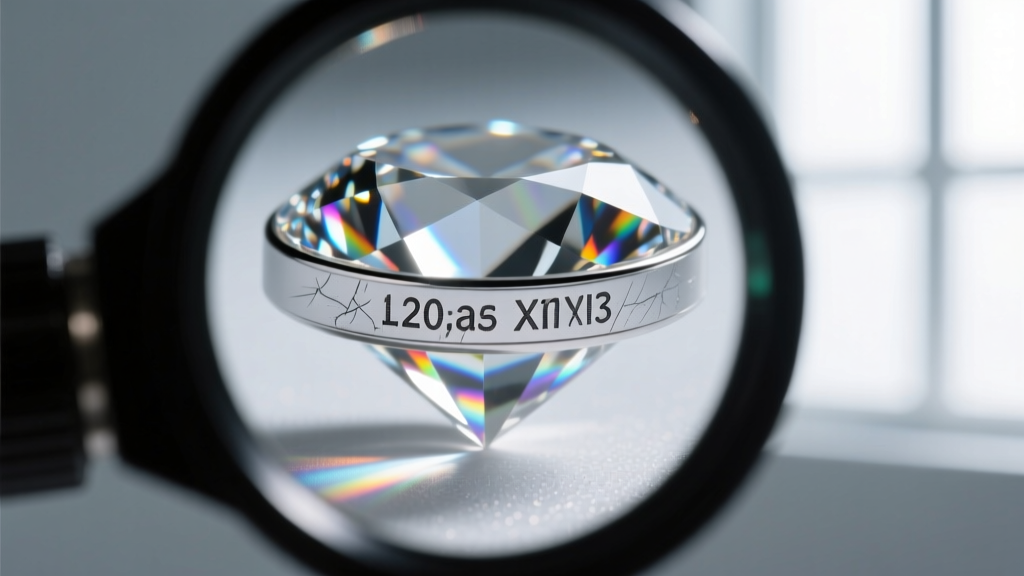
For natural diamonds, seek out CanadaMark stones, which are mined in Canada's Northwest Territories under strict environmental oversight and laser-inscribed with a trackable serial number. For those open to lab-grown alternatives, look beyond basic FTC disclosures. The Gemological Institute of America (GIA) now provides comprehensive origin reports for lab-grown diamonds, distinguishing between Chemical Vapor Deposition (CVD) and High Pressure High Temperature (HPHT) growth methods. CVD stones are often preferred for anniversary upgrades due to their superior post-growth color stability and Type IIa purity, meaning they lack the nitrogen impurities common in natural stones.
Actionable Budgeting Framework for Anniversary Upgrades
Determining how much to spend on an anniversary piece is highly subjective, but structuring the budget ensures maximum visual and emotional impact. Instead of allocating funds arbitrarily, use this tiered framework based on your total budget:
- The Sentimental Tier ($1,000 - $3,000): Focus on high-color lab-grown diamond accents (E/F color, VS1 clarity) set in 14k or 18k gold. Prioritize bespoke hand engraving and custom milgrain detailing to elevate the perceived value and uniqueness of the piece.
- The Milestone Tier ($3,000 - $8,000): Transition to Platinum 950 for the setting. Invest in a 5-stone or 7-stone anniversary band featuring natural or premium CVD lab diamonds (minimum G color, VS2 clarity). Allocate 10% of the budget toward a custom-fitted contoured band that perfectly nests with the original engagement ring.
- The Heirloom Tier ($8,000+): Commission a fully bespoke piece. This budget allows for rare, unheated colored gemstones (such as Burmese rubies or Ceylon sapphires) paired with intricate pavé settings. Hire an independent CAD designer to create a 3D model, ensuring the gallery (the underside of the ring) features custom cut-outs or hidden gemstones that hold private significance.
Final Thoughts on Curating Forever
Ultimately, what makes an anniversary jewelry gift special is not found in a price tag or a brand name. It is found in the deliberate choices made to ensure the piece survives the decades. By selecting structurally sound metals like Platinum 950, respecting the physical limitations of colored gemstones, and investing in artisanal hand engraving, you transform a simple purchase into a permanent, wearable archive of your shared history. Approach the selection process with the same care, research, and commitment that you bring to the marriage itself, and the resulting piece will serve as a brilliant, enduring testament to your journey.