What Is Birthstone Jewelry? A Gemologist's Technical Deep Dive
Discover what birthstone jewelry truly means beyond the calendar. A gemologist's technical guide to Mohs hardness, treatments, and settings.

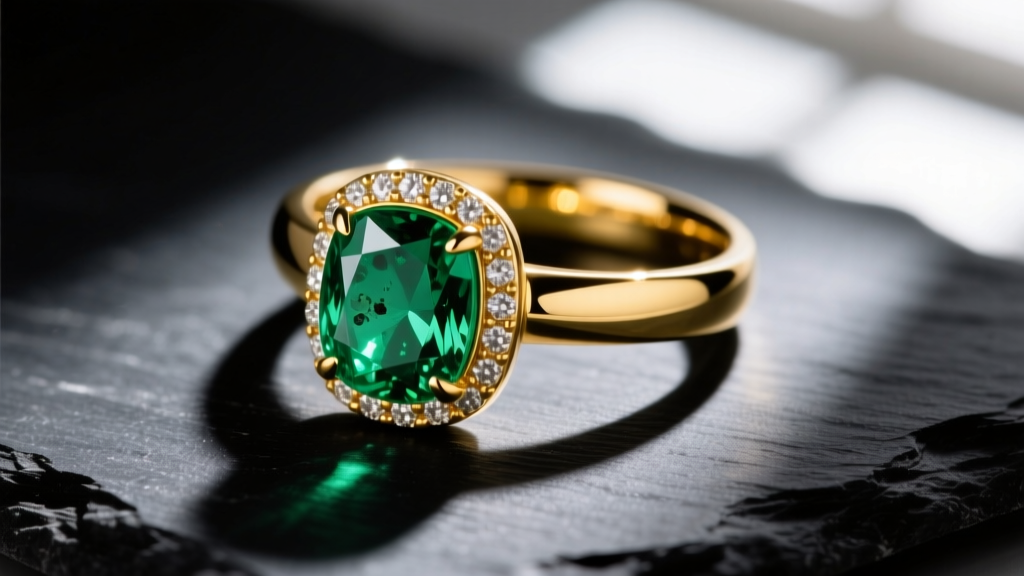
When consumers ask what is birthstone jewelry, they are typically met with a simplistic calendar chart linking months to specific colored gems. However, from a gemological and metallurgical perspective, birthstone jewelry represents a highly complex intersection of mineralogy, lapidary science, and structural engineering. Creating durable, heirloom-quality birthstone pieces requires a deep understanding of crystal lattices, cleavage planes, enhancement protocols, and alloy mechanics. This guide bypasses the marketing fluff to explore the technical realities of designing, setting, and maintaining birthstone jewelry.
The Gemological Reality: Hardness vs. Toughness
To understand birthstone jewelry, one must first distinguish between hardness and toughness—a nuance often lost in retail environments. Hardness, measured on the Mohs scale, dictates a gemstone's resistance to scratching. Toughness dictates its resistance to chipping, breaking, and cleavage.
The Mohs scale is logarithmic, not linear. While Corundum (Ruby/Sapphire) sits at a 9 and Diamond sits at a 10, a diamond is actually four times harder than corundum, and corundum is roughly four times harder than Topaz (8). This exponential jump is critical for daily-wear birthstone rings. Furthermore, a stone can be incredibly hard but possess poor toughness. Diamonds (Mohs 10) have perfect octahedral cleavage, meaning a precise impact can split the stone. Conversely, Jadeite (Mohs 6.5) has a highly interlocking microcrystalline structure, granting it exceptional toughness despite its lower scratch resistance.
Technical Setting Requirements by Stone Durability
The physical properties of a birthstone dictate the engineering of its setting. Prong settings maximize light return but leave the girdle exposed to impact. Bezel and halo settings sacrifice a marginal amount of brilliance to protect vulnerable edges. Below is a technical framework for setting common birthstones based on their structural vulnerabilities.
| Gemstone (Month) | Mohs Hardness | Cleavage / Toughness | Recommended Setting | Ultrasonic Safety |
|---|---|---|---|---|
| Garnet (January) | 7.0 - 7.5 | No cleavage / Good | Prong or Bezel | Generally Safe |
| Emerald (May) | 7.5 - 8.0 | Poor (Highly Included) | Bezel or Protective Halo | NEVER |
| Ruby (July) | 9.0 | No true cleavage / Excellent | Prong (V-prong for large stones) | Safe (if untreated) |
| Opal (October) | 5.5 - 6.5 | Fragile / Amorphous | Bezel (Cabochon only) | NEVER |
| Tanzanite (December) | 6.5 - 7.0 | Perfect Cleavage / Poor | Bezel or Deep Halo | NEVER |
Enhancement Protocols and Treatment Disclosures
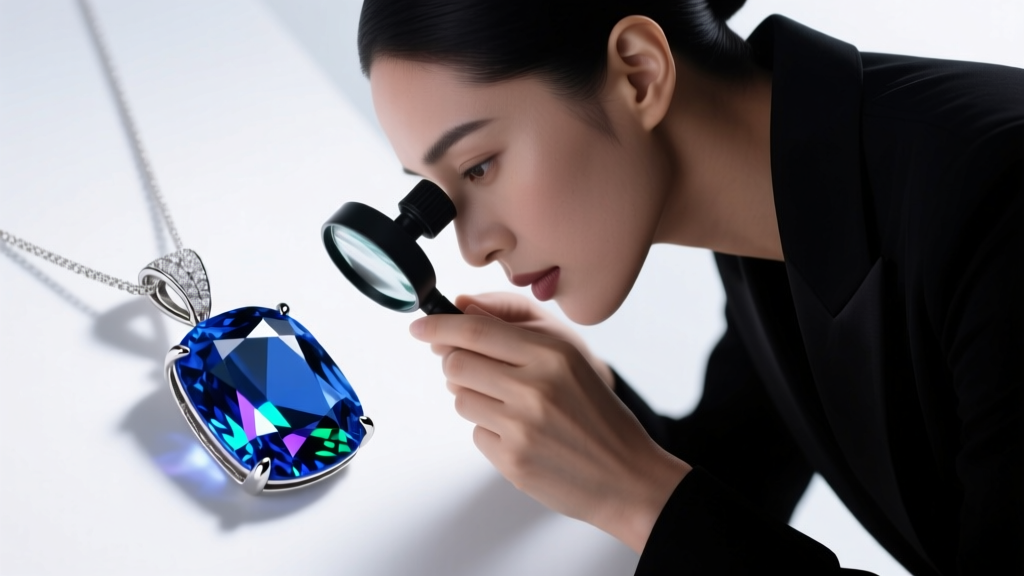
A critical aspect of understanding what is birthstone jewelry involves recognizing that the vast majority of colored gemstones on the market are enhanced. The Gemological Institute of America (GIA) categorizes these treatments, and the FTC mandates disclosure for any enhancement that significantly affects value or requires special care.
Common Lapidary Treatments in Birthstones
- Thermal Enhancement (Heat): Standard for Corundum (Rubies and Sapphires) and Tanzanite. Heating dissolves rutile silk inclusions, improving clarity and color saturation. Unheated, gem-quality Burmese rubies command a 200% to 400% premium over their heated counterparts.
- Fracture Filling (Oiling/Resin): Over 90% of Emeralds are fracture-filled to mask surface-reaching fissures. Traditional cedar oil requires periodic re-oiling. Modern polymers like Opticon are more stable but must be disclosed, as they drastically alter the stone's apparent clarity grade.
- Beryllium Diffusion: Used primarily on Sapphires to alter color by introducing beryllium into the crystal lattice during high-heat treatment. This is a permanent, bulk-treatment that must be disclosed, as it reduces the stone's value compared to standard heat treatment.
- Irradiation: Common for London Blue Topaz (November). The stones are bombarded with electrons or neutrons to achieve deep blue hues, followed by a mandatory cooling-off period to ensure they are safe for consumer wear.
Metallurgical Pairings: Matching Alloys to Gemstones
The structural integrity of birthstone jewelry relies heavily on the metallurgy of the mounting. The choice between 14k gold, 18k gold, and platinum is not merely aesthetic; it dictates the longevity of the prongs and the safety of the stone during routine maintenance.
Platinum (Pt950/Ru): Platinum is dense, malleable, and possesses a high melting point. When a platinum prong is bent, it displaces rather than snaps, making it the premier choice for securing fragile stones like Tanzanite or Opal. However, its softness means it develops a patina over time.
14k vs. 18k Gold: 18k yellow gold (75% pure gold) is highly malleable and hypoallergenic but prone to scratching. 14k gold (58.5% pure gold) offers superior tensile strength for intricate pavé settings. However, white gold alloys present a specific hazard: they require periodic rhodium plating. The chemical baths and mild ultrasonic cleaning used during the rhodium plating process can strip the cedar oil from emeralds or damage porous stones like turquoise and opals. Therefore, fragile birthstones should never be set in white gold unless the jeweler utilizes specialized, non-chemical polishing techniques.
Sourcing, Origin, and Traceability Metrics
In the modern era, defining what is birthstone jewelry also requires addressing ethical sourcing and geographical origin. Origin determination is a highly technical field relying on trace element chemistry and inclusion mapping. For example, a gemologist can distinguish a Colombian emerald from a Zambian emerald by analyzing its vanadium-to-chromium ratios and the presence of three-phase inclusions (liquid, gas, and solid halite crystals).
Traceability frameworks, such as the Kimberley Process for diamonds and emerging blockchain ledgers for colored gemstones, are becoming standard. Buyers seeking high-value birthstones (like unheated Kashmir sapphires or Burmese rubies) must demand origin reports from top-tier laboratories like GIA, Gübelin, or SSEF, as the geographic origin can dictate a 50% to 1000% variance in price per carat.
Final Gemologist Recommendations
Birthstone jewelry is far more than a sentimental trinket; it is a wearable piece of geological history encased in engineered metal. When commissioning or purchasing birthstone pieces, prioritize structural safety over maximum carat weight. Demand full disclosure of all lapidary treatments, match the metal alloy to the stone's fragility, and adhere strictly to the ultrasonic and chemical cleaning limitations dictated by the gemstone's specific crystal structure. By approaching birthstone jewelry with a technical mindset, you ensure the piece remains both beautiful and structurally sound for generations.
Always consult the FTC Jewelry Guides to understand your rights regarding the mandatory disclosure of gemstone treatments and synthetic origins in the retail market.