10k Gold Jewelry Explained: A Beginner's Buying Guide
Discover if 10k gold jewelry is right for you. Learn about its durability, gold content, pricing, and care in this beginner-friendly guide.

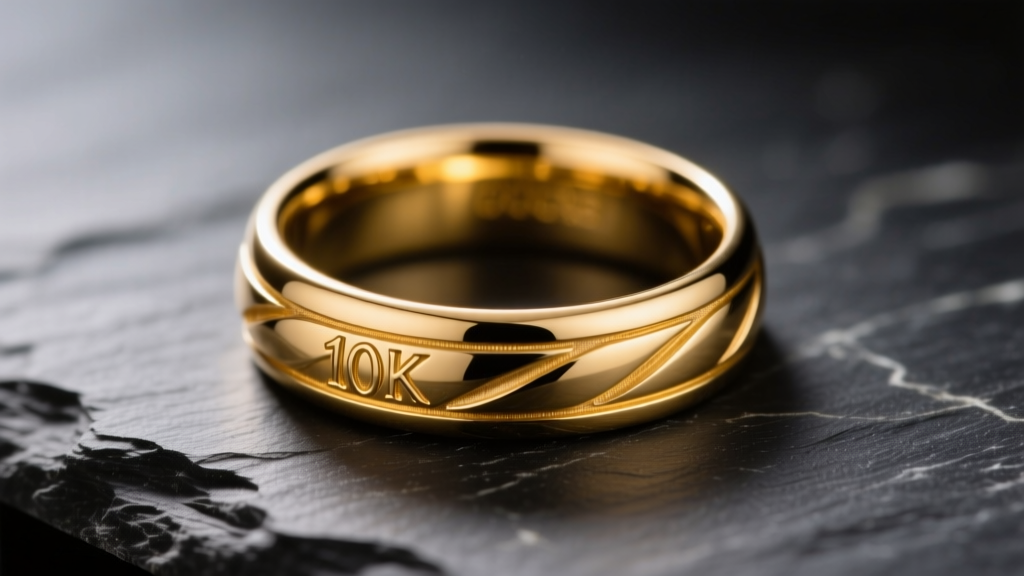
What Exactly is 10k Gold? The Math Behind the Alloy
When you begin shopping for gold, the karat system can feel like a foreign language. To understand 10k gold jewelry, you first need to understand the math. Pure gold is 24 karats, meaning it is 100% gold. However, pure gold is incredibly soft—so soft that you can dent it with your fingernail. To make it suitable for everyday wear, jewelers mix pure gold with other metals (alloys) like copper, zinc, silver, and nickel.
10k gold consists of 10 parts pure gold and 14 parts alloy metals. This translates to 41.7% pure gold and 58.3% alloy. In the jewelry industry, you will often see this stamped as '10k', '10kt', or the numeric hallmark '417'. According to the Federal Trade Commission (FTC) Jewelry Guides, 10k is the minimum karatage that can legally be sold as 'gold' in the United States. Anything lower must be labeled as gold-plated or gold-filled.
The Durability Advantage: Why 10k Shines in Daily Wear
The primary reason jewelers and consumers choose 10k gold is its exceptional durability. Because it contains a higher percentage of hard alloy metals, 10k gold has a higher Vickers Hardness (HV) rating compared to 14k or 18k gold. This means it is significantly more resistant to scratching, bending, and warping.
If you are buying a ring for someone who works with their hands, or a bracelet that will constantly bump against desks and doorframes, 10k gold is a pragmatic choice. It holds intricate detailing and prong settings much more securely than higher-karat golds, reducing the risk of losing a diamond or gemstone due to a bent prong.

10k vs. 14k vs. 18k: A Quick Comparison Chart
To see exactly where 10k gold jewelry fits into the broader market, review this comparative breakdown:
| Karat | Pure Gold % | Alloy % | Durability | Price Point | Best Used For |
|---|---|---|---|---|---|
| 10k | 41.7% | 58.3% | Excellent (Highly scratch-resistant) | Budget-Friendly | Everyday rings, active lifestyle jewelry, men's bands |
| 14k | 58.3% | 41.7% | Very Good | Moderate | Engagement rings, standard chains, balance of color and strength |
| 18k | 75.0% | 25.0% | Good (Prone to scratching) | Premium | High-end jewelry, hypoallergenic needs, rich yellow color |
Understanding Color Variations in 10k Gold
Because 10k gold is mostly alloy, the color is heavily dictated by the specific metals mixed into it:
- 10k Yellow Gold: Mixed with silver and copper. It has a slightly paler, less saturated yellow hue than 14k or 18k, but still offers a classic warm tone.
- 10k White Gold: Alloyed with nickel, palladium, or zinc, and plated with rhodium. The high alloy content makes it incredibly stiff and durable, perfect for securing diamonds.
- 10k Rose Gold: Contains a high percentage of copper. The copper gives it a beautiful pinkish-red tint, though 10k rose gold will look slightly darker and more coppery than 14k rose gold.
Potential Drawbacks: Allergies and Tarnish
While durability is a massive plus, the high alloy content introduces two specific challenges that beginners must know about.
The Nickel Allergy Factor
According to the American Academy of Dermatology, nickel allergy is one of the most common causes of allergic contact dermatitis. Because 10k white gold (and sometimes 10k yellow gold) frequently uses nickel as a whitening or strengthening agent, wearers with sensitive skin may experience redness, itching, or rashes. If you have sensitive skin, always ask the jeweler for a 'nickel-free' 10k alloy, which substitutes nickel with palladium or extra silver.
Susceptibility to Tarnish
Pure gold does not tarnish. However, the copper and silver alloys in 10k gold can react with sulfur in the air, chlorine in pools, and the natural acids in your sweat. Over time, this can cause a dark, dull film on the surface of the jewelry. Fortunately, this tarnish is strictly superficial and can be easily polished away.
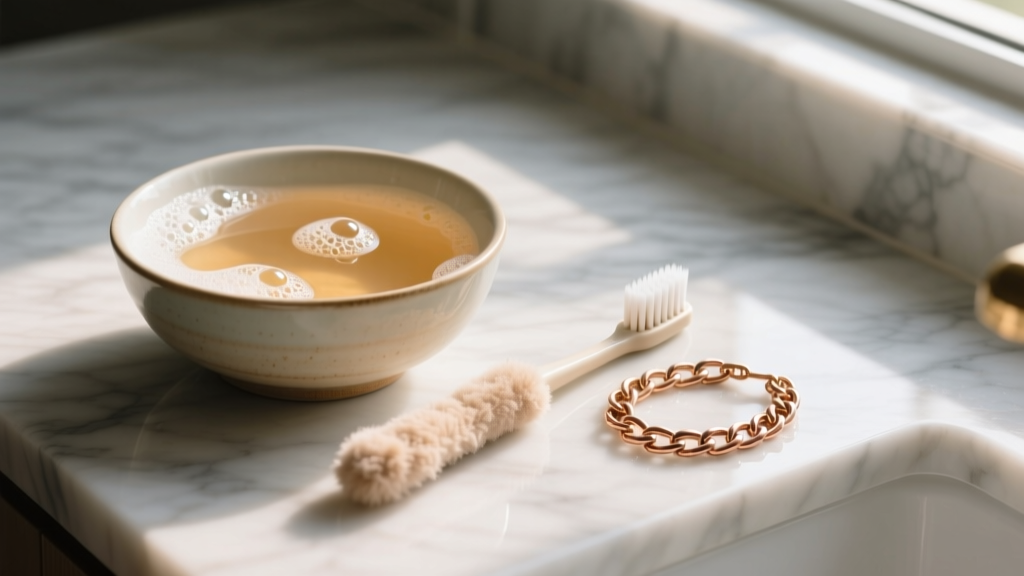
How to Care for and Clean 10k Gold Pieces
Maintaining the luster of 10k gold jewelry requires a simple, consistent routine. Avoid harsh chemicals like bleach, which can permanently weaken the alloy metals and cause the jewelry to become brittle.
- The Soak: Mix a few drops of mild, phosphate-free dish soap into a bowl of lukewarm water. Let your jewelry soak for 15 to 20 minutes to loosen oils and lotions.
- The Scrub: Use a brand-new, extra-soft baby toothbrush to gently scrub the piece, paying special attention to the backs of rings and the clasp areas of chains where grime accumulates.
- The Rinse: Rinse thoroughly under warm running water. Pro Tip: Always plug the drain or use a strainer bowl to prevent accidental loss.
- The Dry: Pat dry with a lint-free microfiber cloth. Avoid paper towels, as their wood pulp fibers can cause micro-scratches on polished gold surfaces.
Expert Warning: Be highly cautious with ultrasonic cleaners. While they are great for removing dirt from diamond settings, the high-frequency vibrations can loosen the glue in porous gemstones (like opals or turquoise) often set in 10k fashion jewelry. When in doubt, stick to manual cleaning.
Pricing Expectations and Intrinsic Value
One of the most compelling reasons to buy 10k gold jewelry is the price. Because it contains roughly 30% less pure gold than 14k, the intrinsic 'melt' value is significantly lower. However, retail pricing also factors in the labor, design, and brand markup.
As a general rule, a 10k gold chain or ring will cost about 25% to 35% less than the exact same piece crafted in 14k gold. This makes it an excellent entry point for beginners who want the prestige and longevity of solid gold without the premium price tag of higher karats. For a deeper understanding of how gold purity affects value and pricing, the Gemological Institute of America (GIA) offers comprehensive educational resources on precious metal valuation.
Final Verdict: Who Should Buy 10k Gold?
10k gold jewelry is not a 'compromise'—it is a highly specialized material chosen for specific lifestyles. It is the ultimate choice for:
- Active Individuals: Those who refuse to take off their jewelry at the gym, on hikes, or during manual labor.
- First-Time Buyers: Those looking to invest in their first solid gold chain or ring without exceeding a strict budget.
- Men's Wedding Bands: The stiff alloy structure holds up beautifully against the heavy wear and tear typical of men's rings.
By understanding its unique metallurgical profile, you can confidently choose 10k gold for pieces that will survive a lifetime of daily wear.


