How to Appraise & Sell: The Temecula Gold and Jewelry Guide
Learn how to appraise, prep, and sell your gold pieces with our step-by-step guide, featuring insider pricing tips from Temecula gold and jewelry buyers.

Selling gold jewelry can feel like navigating a maze of fluctuating spot prices, confusing karat stamps, and aggressive lowball offers. Whether you are liquidating an inherited estate collection or simply upgrading your personal vault, understanding the mechanics of the secondary gold market is essential. As we move through the 2026 precious metals landscape, gold continues to hold immense value, but the gap between 'melt value' and 'retail value' remains a common pitfall for unprepared sellers.
To help you maximize your return, we have developed this comprehensive, step-by-step appraisal and selling guide. We have modeled these strategies on the rigorous, transparent practices championed by top-tier Temecula gold and jewelry buyers, ensuring you approach the counter with the knowledge of an industry insider.
Step 1: Identify Your Gold Karat and Authenticity
Before you can price your jewelry, you must verify its purity. Gold purity is measured in karats (k), with 24k being 99.9% pure gold. Because pure gold is too soft for daily wear, it is alloyed with metals like copper, silver, and zinc.
Read the Hallmarks
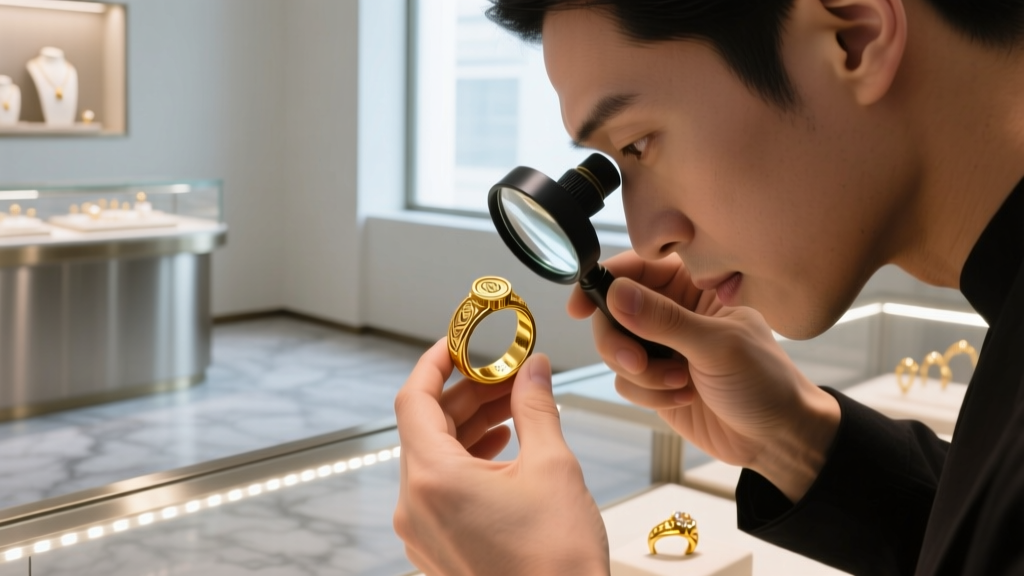
Use a 10x jeweler's loupe to inspect the inner bands of rings or the clasps of chains. Look for standard stamps:
- 10k (417): 41.7% gold. Highly durable, common in vintage American class rings.
- 14k (585): 58.5% gold. The US standard for fine jewelry, balancing durability and rich color.
- 18k (750): 75.0% gold. Premium standard for luxury European and high-end designer pieces.
- 22k (916): 91.6% gold. Prevalent in Indian, Middle Eastern, and Southeast Asian bullion jewelry.
Perform a Magnetic and Acid Test
Gold is diamagnetic, meaning it will not stick to a magnet. If your 'gold' chain snaps to a neodymium magnet, it is likely brass or copper-plated steel. For definitive proof, professionals use nitric acid testing. A drop of 14k acid on a 14k item will remain clear, while on a 10k item, it will turn brown or green as the acid dissolves the lesser alloy. According to the Federal Trade Commission's Jewelry Guides, accurate hallmarking and testing are legal requirements for dealers, protecting you from fraudulent misrepresentation.
Step 2: Calculate Melt Value vs. Retail Value
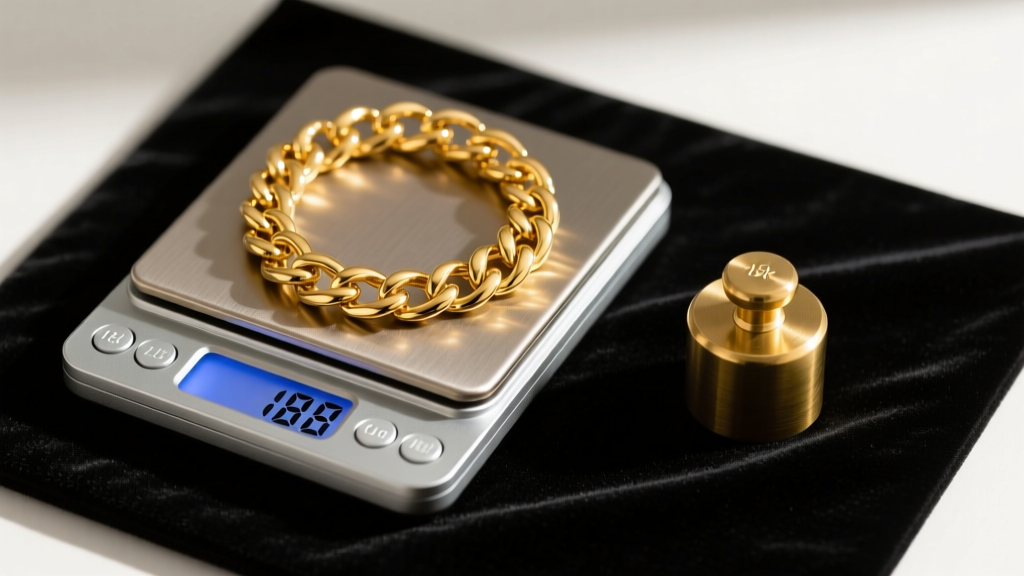
The most critical concept in selling gold is understanding 'melt value'—the raw intrinsic value of the gold content if the piece were melted down into a bar. Buyers base their offers on this number, minus their refining margin.
The Melt Value Formula
To calculate your baseline, you need three data points: the item's weight in grams, the karat purity multiplier, and the current daily spot price of gold (priced per troy ounce). There are exactly 31.103 grams in a troy ounce.
Formula: (Weight in Grams / 31.103) x Karat Purity x Spot Price = Melt Value
Real-World Example (2026 Market Context):
Imagine you have a 15-gram 14k gold chain. The spot price of gold is currently hovering around $2,350 per ounce.
- 15 grams / 31.103 = 0.482 troy ounces (total weight).
- 0.482 x 0.585 (14k purity) = 0.282 troy ounces of pure gold.
- 0.282 x $2,350 = $662.70 Melt Value.
A reputable buyer will offer between 75% and 90% of this melt value to account for refining costs and overhead. Any offer below 60% is considered predatory.
Step 3: Prepare Your Jewelry for the Appraisal
How you present your gold can subtly influence the appraisal experience, though it will not change the raw melt weight. However, if your piece has secondary value (e.g., a signed Tiffany & Co. piece or a rare Art Deco design), preparation is key.
- Gather Documentation: Bring original receipts, GIA or AGS diamond grading reports, and original brand boxes. Provenance can elevate a piece from 'scrap gold' to 'estate jewelry,' commanding a premium.
- Do Not Over-Clean: Avoid harsh chemical dips or abrasive polishing cloths. Removing the natural patina from a vintage 1920s piece can actually destroy its numismatic or antique value.
- Remove Non-Gold Components: If you are selling strictly for melt, be aware that heavy gemstones, enamel, or steel spring rings on clasps will be deducted from your total gram weight. Some buyers will weigh the item, estimate the deduction, while others will melt it first and weigh the pure gold button.
Step 4: Choose the Right Type of Buyer
Not all gold buyers operate with the same business model. When researching local options or looking for established Temecula gold and jewelry experts, it helps to understand who you are sitting across from. The Jewelers of America recommends always dealing with credentialed professionals who adhere to strict codes of ethics.
| Buyer Type | Expected Payout (% of Melt) | Pros | Cons |
|---|---|---|---|
| Specialized Gold Buyers / Refiners | 85% - 95% | Highest payouts, transparent testing, immediate cash/wire. | Will not pay premiums for designer brands or antique value. |
| Local Retail Jewelers | 70% - 85% | May offer store credit bonuses, will buy estate pieces for resale. | Cash offers are usually lower; focused on retail inventory needs. |
| Pawn Shops | 50% - 70% | Fast, no-questions-asked transactions, highly accessible. | Lowest payouts, high-pressure sales tactics, inconsistent testing. |
| Mail-In / Online Refiners | 80% - 90% | Convenient, insured shipping, good for bulk scrap. | Loss of physical control, delayed payment, risk of shipping loss. |

Step 5: Negotiate and Close the Sale Safely
Once you have selected a buyer and they have presented their offer, the final step is the transaction. Never feel pressured to accept the first number thrown at you.
Red Flags to Watch For
Walk away immediately if the buyer refuses to weigh the jewelry on a visible, calibrated digital scale in front of you. According to consumer protection laws, scales must be certified and visible. Furthermore, beware of the 'gram vs. pennyweight' confusion trick. One pennyweight (dwt) equals 1.555 grams. Unscrupulous buyers will weigh your item in pennyweights but quote you a price per gram, effectively shortchanging you by 35%.
Secure Your Payment
For transactions under $5,000, cash or a certified bank cashier's check is standard. For larger estate liquidations, request a direct wire transfer. Always demand a detailed receipt that breaks down the weight, karat purity, spot price used for the calculation, and the final purchase price. This documentation is vital for your personal records and any potential capital gains tax reporting.
Final Thoughts on the 2026 Gold Market
Selling gold jewelry is a highly lucrative endeavor when approached with data and preparation. By understanding the exact metallurgical breakdown of your pieces, calculating your own melt values, and partnering with transparent, community-trusted professionals like those found in the Temecula gold and jewelry market, you eliminate the guesswork. Take your time, test your buyers just as rigorously as they test your gold, and confidently convert your unused jewelry into maximum financial return.