How to Select, Style, and Care for Muted Gold Jewelry
Learn how to select, style, and maintain muted gold jewelry. Discover karat differences, matte finishing techniques, and daily care routines.

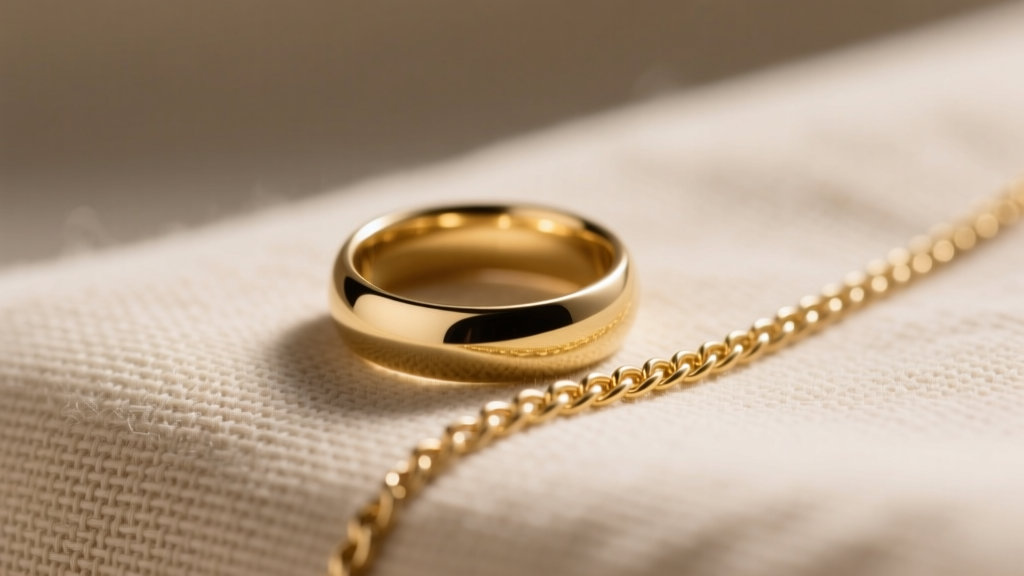
In the evolving landscape of fine jewelry, the loud, high-polish gleam of traditional yellow gold has increasingly taken a backseat to the sophisticated, understated appeal of muted gold jewelry. Muted gold offers a vintage-inspired, organic, and deeply versatile aesthetic that integrates seamlessly into modern capsule wardrobes. However, achieving and maintaining this subdued luster requires a nuanced understanding of metallurgy, surface finishing techniques, and specialized care protocols. This comprehensive guide will walk you through the exact steps to select, style, and preserve muted gold pieces like a seasoned gemologist.
The Metallurgy of Muted Gold: Understanding Alloys
To understand muted gold, we must first look at its chemical composition. Pure 24-karat gold is inherently a bright, saturated orange-yellow. According to the Gemological Institute of America (GIA), pure gold is too soft for everyday wear, meaning it must be alloyed with other metals to increase durability. It is precisely these alloying metals that dictate the visual temperature and saturation of the final piece.
When jewelers want to create a muted, paler gold tone, they manipulate the ratio of copper to silver or palladium. Copper adds a warm, reddish hue (creating rose gold), while silver and palladium dilute the yellow saturation, resulting in a paler, more muted, and sometimes slightly greenish-yellow tone. This pale alloy profile is highly sought after for antique reproduction pieces and modern minimalist designs alike.
Step 1: Selecting the Right Karat and Alloy Profile
The first step in curating a muted gold collection is choosing the correct karat. The lower the karat, the higher the percentage of alloying metals, which naturally dilutes the bright yellow color of pure gold. Here is a decision framework to help you choose the right karat for your desired level of subtlety.
| Karat | Gold Purity | Typical Alloy Mix | Visual Tone | Best Application |
|---|---|---|---|---|
| 22k | 91.6% | Mostly Copper/Silver | Bright, Rich Yellow | Avoid for muted looks |
| 18k | 75.0% | Copper, Silver, Zinc | Warm, Saturated Yellow | Subtle matte finishes only |
| 14k | 58.5% | High Silver/Copper mix | Pale, Muted Yellow | Ideal for everyday muted pieces |
| 10k | 41.7% | Majority Silver/Zinc | Very Pale, Desaturated | Maximum muted, vintage aesthetic |
For the perfect balance of durability, value, and a naturally muted hue, 14k gold with a high-silver alloy mix is the industry standard. When shopping, ask the jeweler about the alloy composition; European 14k gold often features higher silver content than American 14k gold, yielding a beautifully subdued, slightly cooler yellow tone.
Step 2: Specifying Matte, Brushed, and Sandblasted Finishes
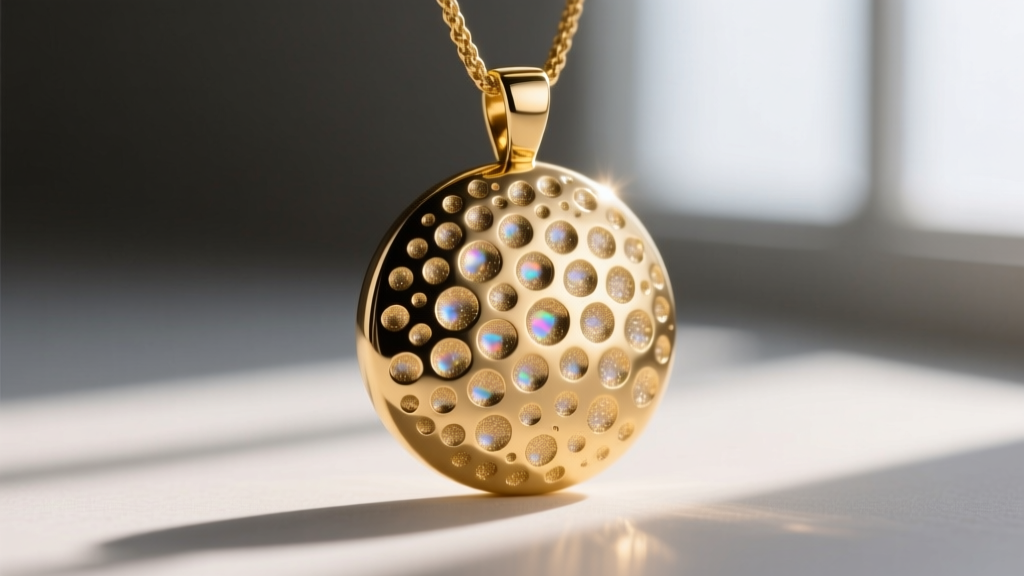
While alloy selection provides a muted base color, the surface finish is what truly eliminates the reflective shine. High-polish finishes reflect light directly back to the eye, creating a bright gleam. Muted gold relies on textured finishes to scatter light, reducing specular reflection.
The Three Primary Muted Finishes
- Sandblasted (Matte): The gold surface is bombarded with fine abrasive media (typically 120 to 220-grit glass beads or aluminum oxide) under high pressure. This creates thousands of microscopic craters that scatter light in all directions, resulting in a velvety, completely non-reflective surface.
- Brushed (Satin): A jeweler uses an abrasive pad or wire brush to create unidirectional, microscopic scratches across the metal. This leaves a soft, linear sheen that catches light only at specific angles.
- Hammered: The metal is physically struck with a ball-peen hammer, creating overlapping, organic divots. This diffuses light chaotically, giving the piece an artisanal, ancient feel while significantly reducing overall shine.
When commissioning or purchasing muted gold, explicitly request a 'heavy matte' or 'deep sandblast' finish if you want zero shine, or a 'fine brush' if you prefer a soft, satin glow.
Step 3: Styling Muted Gold in a Capsule Wardrobe
Muted gold is inherently versatile, but it requires a deliberate styling approach to maximize its impact. Because it lacks the flashy reflection of polished gold, it relies on texture, proportion, and contrast.
The Rule of Three for Layering
When layering muted gold chains or rings, stick to the Rule of Three to prevent the look from becoming cluttered. Combine three distinct textures rather than three identical chains. For example, pair a brushed herringbone chain (which offers a soft, liquid-like drape) with a matte cable chain (which provides structural contrast), and finish with a hammered pendant as a focal point.
Skin Tone and Fabric Pairing
Muted gold is exceptionally flattering on cool and neutral skin undertones, as the paler, less saturated yellow does not clash with pink or blueish skin hues. When it comes to wardrobe pairings, muted gold stands out brilliantly against rich, dark textiles like charcoal wool, navy cashmere, and deep emerald silk. It also harmonizes beautifully with earthy, organic fabrics like raw linen and heavy cotton.
Step 4: Proper Cleaning and Maintenance for Textured Gold
The most common mistake consumers make with muted gold jewelry is treating it like polished gold. The very textures that give matte and brushed gold their subdued beauty are highly susceptible to accidental polishing and dirt entrapment.
Never use a treated polishing cloth on a matte or brushed gold surface. The mild abrasives in the cloth will gradually burnish the micro-scratches, permanently altering the muted finish back to a high polish.
According to guidelines from Jewelers of America, textured gold requires gentle, non-abrasive cleaning methods. Follow this step-by-step maintenance routine:
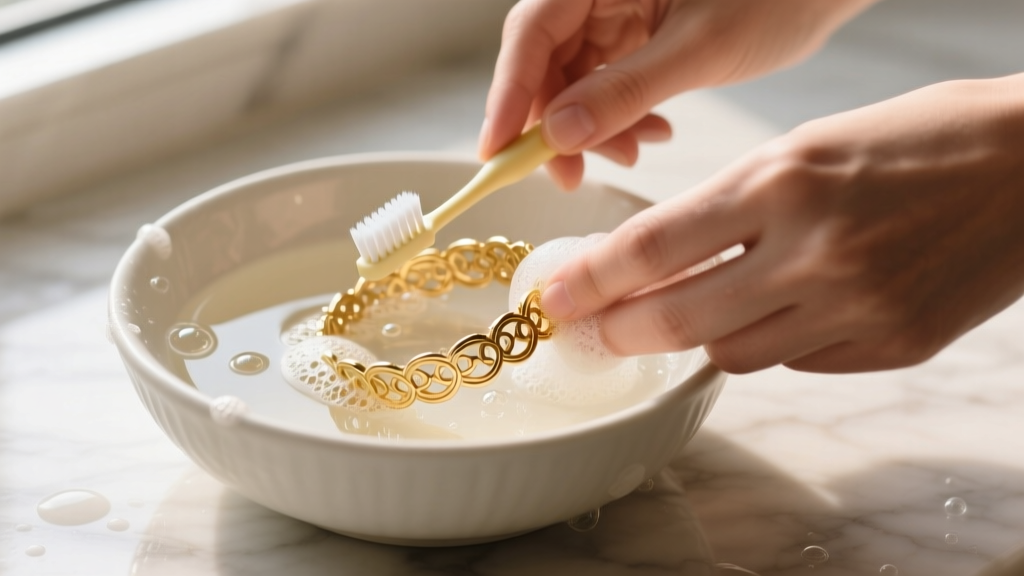
- The Soak: Mix a few drops of mild, phosphate-free dish soap (like Dawn) into a bowl of lukewarm distilled water. Avoid hard tap water, which can leave mineral deposits in the microscopic pores of a sandblasted finish.
- The Agitation: Submerge the jewelry for 5 to 10 minutes. Use an extra-soft baby toothbrush to gently sweep away sebum and dead skin cells that accumulate in brushed grooves. Never use stiff-bristled brushes, as they can create new, unintended scratch patterns.
- The Rinse and Dry: Rinse thoroughly under lukewarm water. Instead of rubbing the piece dry with a towel—which can act as a mild polish—pat it gently with a microfiber cloth or use a hair dryer on the 'cool' setting to blow water out of the textured crevices.
Troubleshooting: Restoring a Faded Matte Patina
Over years of daily wear, the high-contact areas of a matte gold ring (such as the outer edges and the palm side of the shank) will naturally burnish and become shiny from friction against clothing and skin. This is a natural patina that many collectors love. However, if you wish to restore the original uniform muted finish, you have two options:
- Professional Re-finishing: A bench jeweler can easily re-sandblast or re-brush the piece using specialized equipment. This is the safest method and usually costs between $30 and $60 depending on the complexity of the piece.
- At-Home Matte Eraser (For Brushed Finishes Only): For unidirectional brushed finishes, you can purchase a specialized fiberglass scratch pen or a fine-grit abrasive sponge (like a worn 3M Scotch-Brite pad). Gently stroke the metal in the exact same direction as the original brush lines. Do not use this method on sandblasted matte finishes, as it is impossible to replicate the randomized pitting by hand.
Conclusion
Curating a collection of muted gold jewelry is an exercise in subtlety and intentionality. By understanding the metallurgical impact of silver-heavy alloys, selecting the appropriate karat, and specifying light-diffusing surface finishes, you can acquire pieces that exude quiet luxury. More importantly, by adopting specialized, non-abrasive cleaning protocols, you ensure that your muted gold retains its sophisticated, velvety aesthetic for decades to come. Embrace the understated elegance of muted gold, and let the texture and craftsmanship speak louder than the shine.