Troubleshooting Faded Gold Vermeil Jewelry: Expert Fixes
Is your gold vermeil jewelry fading or tarnishing? Discover expert troubleshooting steps, restoration techniques, and daily care tips to revive your pieces.

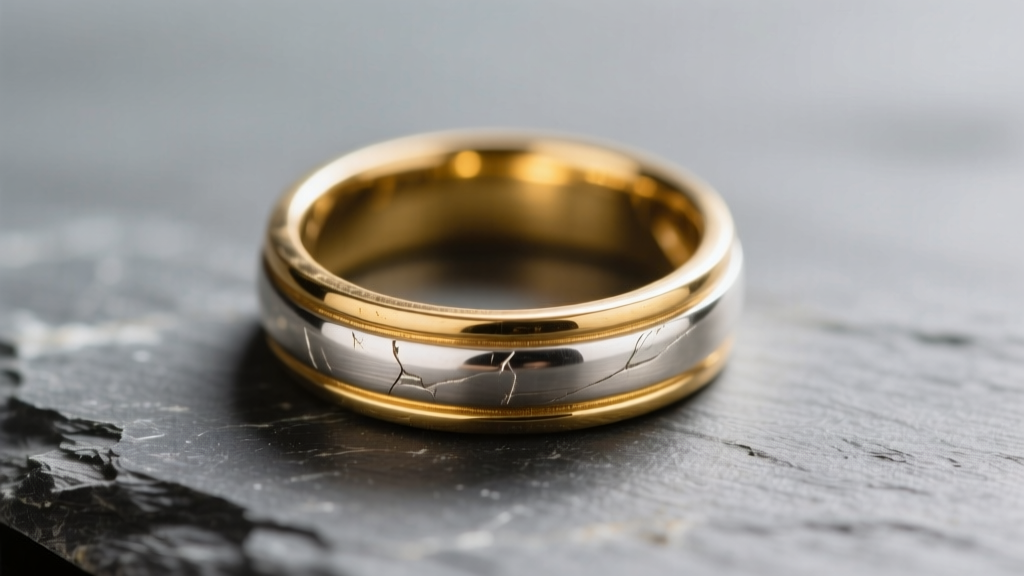
Gold vermeil jewelry offers the luxurious aesthetic of solid gold at a fraction of the cost, making it a staple in modern collections. However, unlike solid 14k or 18k gold, vermeil is a composite material that requires specific maintenance. When the gold layer wears thin or the sterling silver core reacts to environmental factors, owners are often left with patchy, tarnished, or skin-irritating pieces. As a domain expert in jewelry metallurgy and care, I have developed this comprehensive troubleshooting guide to help you diagnose, restore, and protect your gold vermeil jewelry.
The Anatomy of Gold Vermeil: Why It Fails
To effectively troubleshoot damaged jewelry, you must first understand its metallurgical composition. According to the Federal Trade Commission Jewelry Guides, authentic gold vermeil must meet three strict criteria:
- Base Metal: Must be sterling silver (92.5% pure silver, 7.5% alloy metals, usually copper).
- Gold Purity: The plating must be at least 10k gold, though 14k and 18k are industry standards.
- Plating Thickness: Must be a minimum of 2.5 microns thick.
While 2.5 microns provides a durable finish, it is still a microscopic layer. For context, a human hair is roughly 70 microns thick. Daily friction, exposure to acidic sweat, and harsh chemicals can degrade this 2.5-micron barrier at a rate of 0.5 to 1 micron per year, leading to the common issues outlined below.
Troubleshooting Common Gold Vermeil Problems
Problem 1: Green Skin and Allergic Reactions
The Diagnosis: If your gold vermeil ring or bracelet is leaving a green or black ring on your skin, the gold layer has worn through, exposing the sterling silver core. The green tint is not a sign of toxic metals; it is a chemical reaction between the 7.5% copper alloy in the sterling silver and the natural acids in your sweat (specifically when your skin's pH drops below 5.5). This creates copper chloride, which transfers to the skin.
The Fix: For an immediate, temporary barrier, apply a thin coat of clear, hypoallergenic nail polish to the inside of the band. For a permanent, professional solution, take the piece to a jeweler and request a rhodium flash plating on the interior. Rhodium is a hypoallergenic platinum-group metal that will permanently seal the copper alloy away from your skin without altering the exterior gold aesthetic.
Problem 2: Patchy Fading and Base Metal Exposure
The Diagnosis: Fading rarely happens evenly. You will notice the underlying silver showing through on high-friction 'contact zones'—the bottom of ring shanks, the edges of pendants, or the links of a bracelet that rub against a desk. This is mechanical wear, not chemical tarnish.
The Fix: Once the gold is physically rubbed away, no amount of polishing will bring it back. Polishing an exposed vermeil piece will only scratch the softer sterling silver and accelerate the degradation of the surrounding gold layer. The only viable solution is professional electroplating (detailed in the Restoration Framework below).
Problem 3: Stubborn Tarnish and Dullness
The Diagnosis: If the jewelry looks dark, dull, or brownish but the gold layer is still intact, you are dealing with silver sulfide tarnish forming underneath or through microscopic pores in the gold plating. Sterling silver naturally oxidizes when exposed to sulfur compounds in the air and cosmetics.
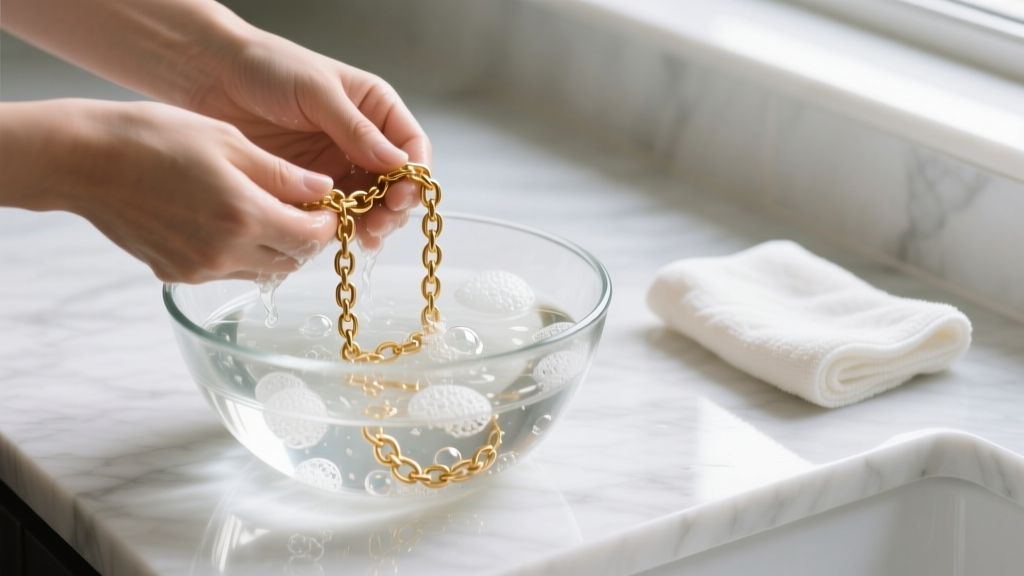
The Fix: Never use baking soda, toothpaste, or commercial silver dip cleaners. These are highly abrasive or chemically aggressive and will strip the 2.5-micron gold layer instantly. Instead, use the Gemological Institute of America (GIA) recommended method: wash the piece in lukewarm water with a few drops of pH-neutral dish soap (like Dawn). Gently agitate with a baby-hair brush, rinse, and pat dry with a lint-free microfiber cloth.
The Restoration Framework: Can You Replate at Home?
A frequent question in jewelry forums is whether DIY gold plating kits can restore faded vermeil. The short answer is no. Brush-plating kits sold online typically deposit a layer of gold measuring less than 0.5 microns. This is essentially 'flash plating' and will wear off within weeks of daily use.
Expert Insight: True vermeil restoration requires tank electroplating to achieve the legally required 2.5-micron thickness. This process involves stripping the remaining gold, polishing the silver core, applying a nickel or palladium barrier layer to prevent silver migration, and submerging the piece in an electrified gold cyanide bath.
Cost and Decision Matrix: According to industry data from Ganoksin Jewelry Making Resources, professional replating costs generally range from $45 to $75 for rings and small pendants, and $90 to $150 for chains or cuffs. Decision Rule: If the piece holds high sentimental value or was crafted by a premium designer (e.g., Mejuri, Monica Vinader), professional replating is a sound investment. If it was a fast-fashion purchase under $50, the replating cost exceeds the replacement value, and the piece should be retired.
Comparison Chart: Vermeil vs. Plated vs. Filled Lifespans
Understanding where your jewelry falls on the durability spectrum helps set realistic expectations for troubleshooting and maintenance.
| Metric | Gold Vermeil | Gold Plated (Brass Base) | Gold Filled |
|---|---|---|---|
| Base Metal | Sterling Silver (925) | Brass or Copper | Brass (Jeweler's Bronze) |
| Gold Thickness | Min. 2.5 Microns | 0.05 to 0.5 Microns | 5% to 10% of total weight |
| Average Lifespan | 2 to 5 Years (Daily Wear) | 6 Months to 1 Year | 10 to 30 Years |
| Replating Viability | Excellent (Silver holds plating well) | Poor (Brass bleeds through gold) | Not Recommended (Mechanically bonded) |
Preventative Maintenance: The Care Protocol
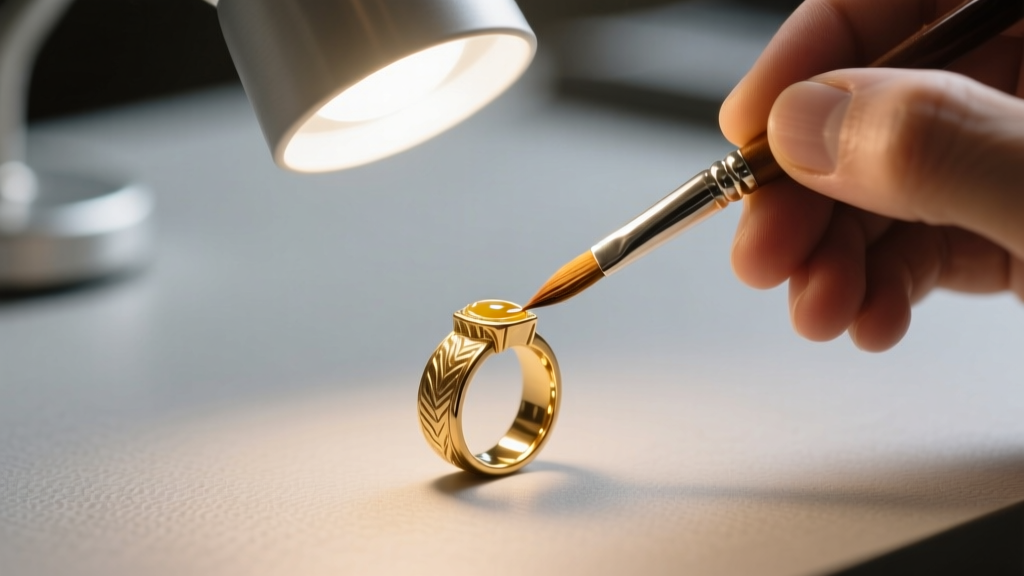
Once you have restored or cleaned your gold vermeil jewelry, implementing a strict preventative protocol will double its lifespan. Avoid these common care mistakes:
- Ban Ultrasonic Cleaners: The high-frequency acoustic cavitation bubbles in ultrasonic machines create microscopic shockwaves that literally blast the 2.5-micron gold layer off the silver core.
- The 'Last On, First Off' Rule: Always put your vermeil jewelry on after applying perfumes, lotions, and hairsprays. The alcohols and emulsifiers in cosmetics break down the gold's luster and accelerate the oxidation of the underlying silver.
- Climate-Controlled Storage: Store pieces in individual anti-tarnish flannel pouches. Do not store vermeil in humid environments like bathroom counters; moisture accelerates silver sulfide formation.
By understanding the precise metallurgical boundaries of gold vermeil jewelry, you can move beyond guesswork and apply targeted, scientific solutions to fading, tarnishing, and wear. Treat the 2.5-micron gold layer with respect, and your pieces will maintain their luxury finish for years to come.


