Is Gold Filled Jewelry Real Gold? The Honest Truth
Confused by jewelry labels? We answer if gold filled jewelry is real gold with FTC facts, durability tests, and a clear buying guide.

The Short Answer: Is Gold Filled Jewelry Real Gold?
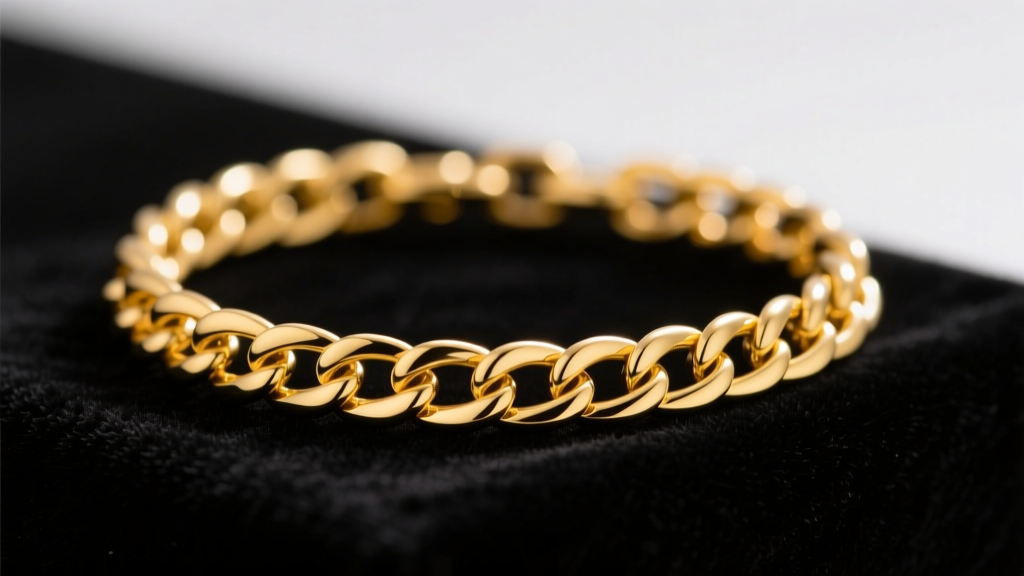
If you are navigating the booming demi-fine jewelry market in 2026, you have likely encountered the term "gold filled." The short answer is yes, gold filled jewelry contains real, genuine gold. However, it is not solid gold. The terminology is notoriously confusing for beginners. "Gold filled" does not mean the piece is hollow and filled with gold; rather, it refers to a thick, outer layer of solid gold that is mechanically bonded to a base metal core (usually jeweler's brass or copper).
Understanding the distinction between solid, plated, and filled gold is critical to ensuring you get what you pay for. While gold filled pieces offer a luxurious look at a fraction of the cost of solid 14k or 18k gold, they come with specific limitations, care requirements, and failure modes that every smart buyer must understand before checking out.
How Gold Filled Jewelry is Actually Made
To understand the value of gold filled jewelry, you have to look at the manufacturing process. Unlike gold plating, which uses an electrical current to deposit a microscopic layer of gold onto a base metal, gold filled jewelry is created through a process called mechanical bonding.
Manufacturers take sheets of solid karat gold (usually 12k or 14k) and sandwich a core of jeweler's brass (CDA 272 alloy) between them. This stack is then subjected to extreme heat and high pressure, rolling it out repeatedly until the gold and brass are permanently fused at a molecular level.
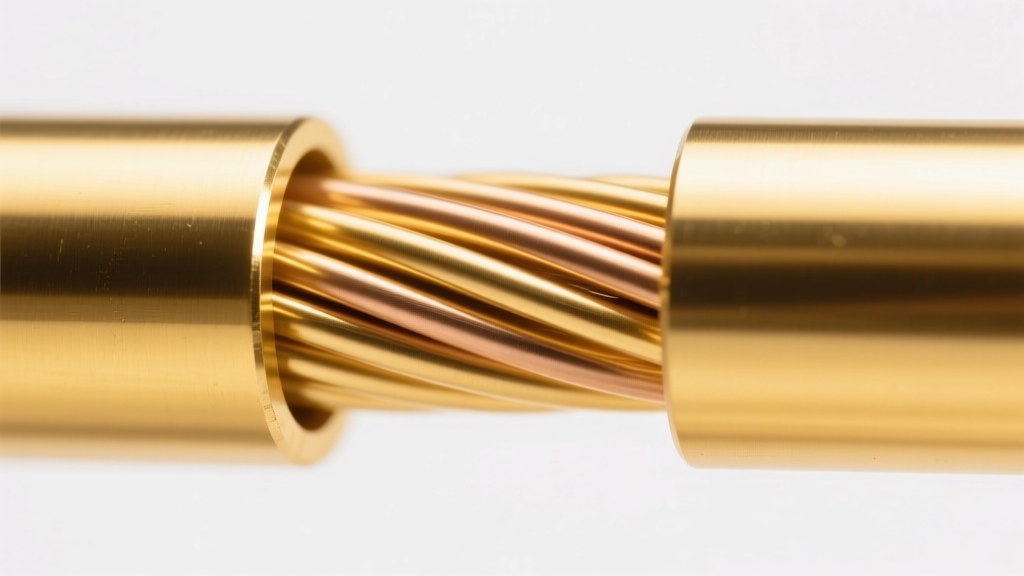
There are two main types of gold filled construction:
- Single Clad: The gold layer is applied to only one side of the brass core (common for flat pendants or large bangles).
- Double Clad: The gold layer is applied to both sides of the brass core (standard for chains, wires, and tubing, ensuring the gold is visible from all angles).
Because the gold is mechanically bonded rather than electroplated, it will not flake, peel, or rub off under normal wear conditions, making it vastly superior to standard fashion jewelry.
FTC Regulations: The Legal Definition of "Gold Filled"
The term "gold filled" is not just a marketing buzzword; it is a strictly regulated legal definition enforced by the Federal Trade Commission (FTC) in the United States. According to the FTC Jewelry Guides, a piece can only be stamped and sold as "gold filled" if it meets rigorous criteria:
"The gold layer must constitute at least 1/20th (5%) of the total weight of the metal in the article, and the gold used must be no less than 10 karat fineness."
When shopping, you will often see stamps like 14/20 GF or 1/20 14K GF. This stamp is your guarantee that the piece contains exactly 5% solid 14k gold by weight. If a piece contains less than 1/20th gold by weight but is still mechanically bonded, it must be legally labeled as "Rolled Gold" or "Rolled Gold Plate" (RGP), which is a lower grade of durability.
Gold Filled vs. Plated vs. Solid: The Data
Beginners often conflate gold filled with heavy gold plating or gold vermeil. The table below breaks down the exact material differences, lifespans, and 2026 market pricing for a standard 18-inch cable chain necklace.
| Material Type | Gold Layer Thickness | Base Metal Core | Average Lifespan | Price Range (18" Chain) |
|---|---|---|---|---|
| Gold Filled (14/20) | 5 to 25+ microns (5% total weight) | Jeweler's Brass | 10 to 30+ years | $45 - $90 |
| Gold Vermeil | 2.5 microns minimum | Sterling Silver (925) | 2 to 5 years | $60 - $150 |
| Heavy Gold Plated | 0.5 to 2.5 microns | Brass, Copper, or Steel | 6 months to 2 years | $20 - $50 |
| Solid 14k Gold | 100% Solid (No core) | N/A | Lifetime / Heirloom | $350 - $800+ |
As noted by the Gemological Institute of America (GIA), the karatage of the gold alloy dictates the color and hardness. Most gold filled jewelry uses 14k gold because it offers the perfect balance of rich yellow color and structural durability required to survive the mechanical bonding process without cracking.
Hidden Drawbacks and Common Failure Modes
While gold filled jewelry is an excellent budget-friendly alternative to solid gold, it is not without flaws. As a domain expert, I always advise buyers to understand the specific failure modes of demi-fine metals before investing.
The Resizing Problem
You cannot easily resize a gold filled ring. When a jeweler uses a high-heat torch to cut and solder a ring, the extreme temperature will burn the brass core. This causes the brass to expand, bubble, and permanently blacken the surrounding gold layer. If you buy a gold filled ring, you must get the sizing exactly right the first time.
Delamination and Tarnish
Gold itself does not tarnish, but the brass core inside gold filled jewelry absolutely does. If the outer gold layer is deeply scratched, dented, or worn down at high-friction points (like the clasp of a bracelet or the inside of a ring band), moisture and oxygen will reach the brass. This results in localized green or black tarnish spots that cannot be polished away without removing more of the gold layer.
How to Care for Gold Filled Pieces
To maximize the lifespan of your gold filled jewelry and prevent the brass core from being exposed, you must adopt a strict care routine. Avoid ultrasonic cleaners, as the high-frequency vibrations can cause micro-fractures in the gold layer, leading to delamination.
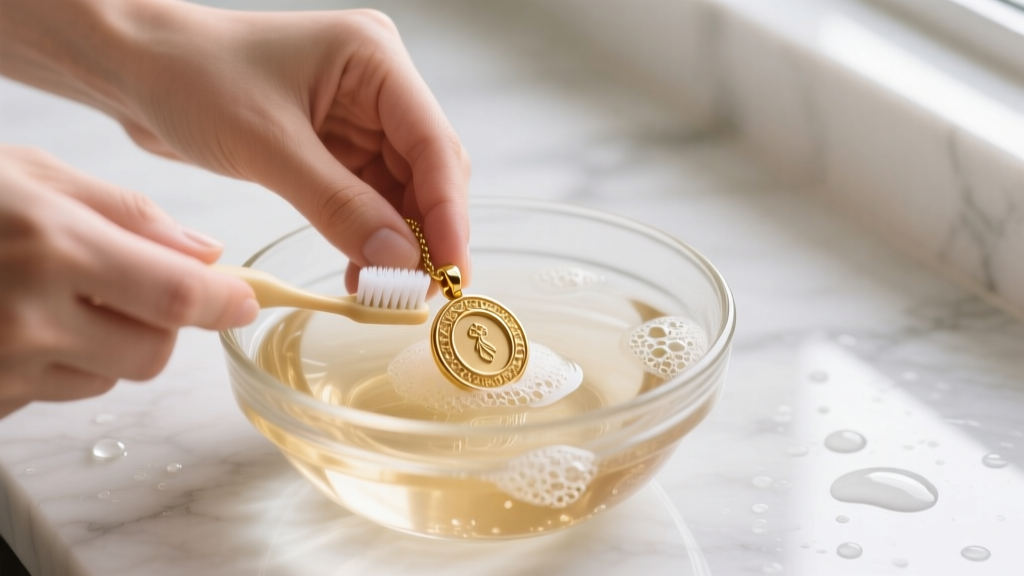
Follow this step-by-step cleaning protocol for safe maintenance:
- Prepare a Mild Solution: Mix a few drops of phosphate-free dish soap (like Dawn) into a bowl of lukewarm water. Never use hot water, as thermal shock can weaken the mechanical bond.
- Soak Briefly: Let the jewelry sit in the solution for no more than 3 to 5 minutes to loosen body oils and lotions.
- Agitate Gently: Use an extra-soft baby toothbrush to lightly brush the crevices of chains or textured pendants. Do not scrub aggressively.
- Rinse and Dry: Rinse thoroughly under cool distilled water (tap water minerals can leave spots). Pat completely dry with a microfiber cloth before storing.
- Chemical Avoidance: Never wear gold filled jewelry in chlorinated pools, hot tubs, or while using household bleach. Chlorine reacts violently with the copper and zinc in the brass core, causing rapid structural failure.
Final Verdict: Should You Buy It?
So, is gold filled jewelry real gold? Yes, the outer layer is genuine, high-quality karat gold, and it represents the absolute best value in the demi-fine jewelry sector. For everyday pieces like hoop earrings, simple chain necklaces, and bangles that do not require sizing, 14/20 gold filled is a brilliant, long-lasting investment that will easily survive a decade of daily wear. However, for high-impact items like engagement rings, wedding bands, or pieces you intend to pass down as heirlooms, you should bypass gold filled and save your budget for solid 14k or 18k gold.


