What Is Red Gold Jewelry? A Beginner’s Guide to Copper Alloys
Discover what red gold jewelry is, how it differs from rose gold, and learn expert tips on karats, copper alloys, and daily care in our beginner guide.
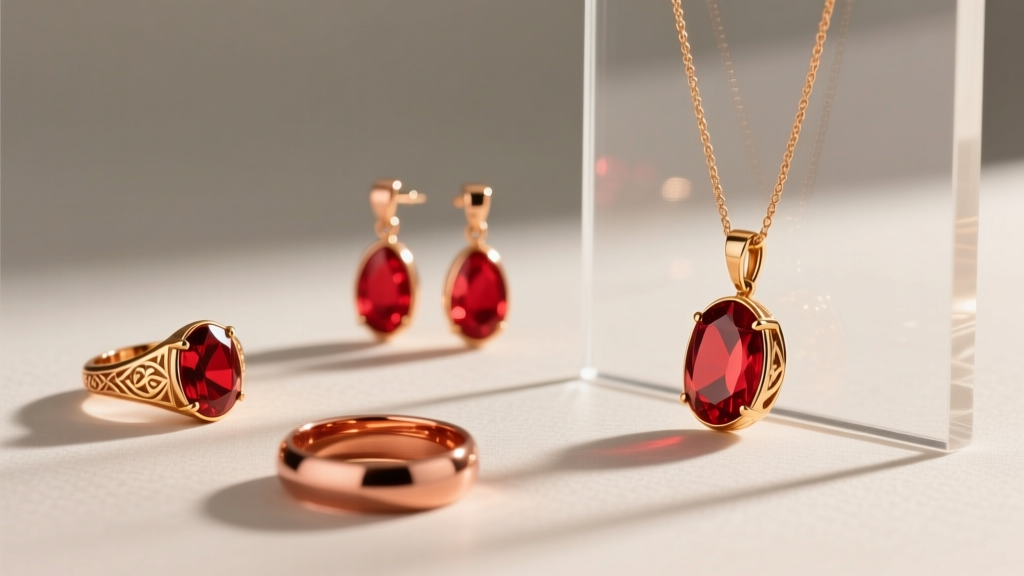
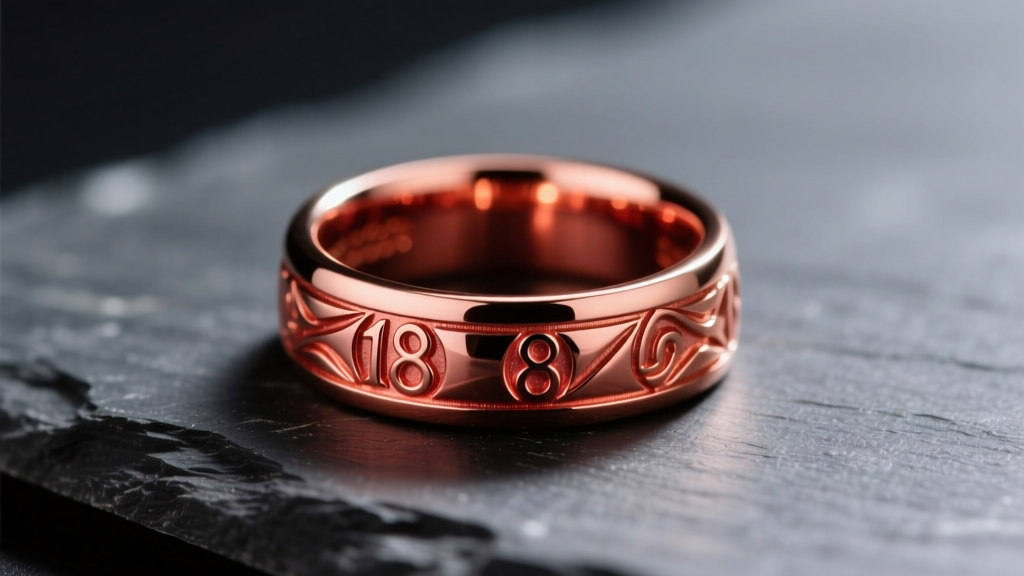
When browsing vintage estate sales or exploring bespoke modern jewelers, you may occasionally encounter the term red gold jewelry. To the untrained eye, it looks remarkably similar to the wildly popular rose gold. However, from a metallurgical standpoint, red gold is a distinctly different alloy with unique properties, historical significance, and specific care requirements.
For beginners stepping into the world of colored precious metals, understanding the exact composition of red gold is critical. It dictates everything from the metal's tensile strength to how it reacts with your skin's natural chemistry over time. This guide breaks down the science, market realities, and maintenance of true red gold.
The Metallurgy of Red Gold: Why It’s Actually Red
Pure 24-karat gold is naturally yellow and far too soft for everyday jewelry. To make it durable, metallurgists alloy it with other metals. The color of the resulting gold depends entirely on the ratio and type of these secondary metals.
True red gold is a binary alloy consisting of only gold and copper. There is no silver, zinc, or palladium added to soften the color or alter the workability. The copper acts as a powerful colorant, shifting the yellow hue into a deep, rich crimson. According to the metallurgical standards of colored gold, the higher the copper content, the more intense the red coloration becomes.
Karat Breakdown for Red Gold
- 18k Red Gold: 75% pure gold, 25% copper. This is the most common standard for high-end red gold, offering a rich color while retaining the prestige and hypoallergenic base of 18k gold.
- 14k Red Gold: 58.3% pure gold, 41.7% copper. The higher copper content makes this alloy noticeably darker, almost purplish-red, and significantly harder than its 18k counterpart.
- 9k Red Gold: 37.5% pure gold, 62.5% copper. Rarely used in fine jewelry due to the overwhelming copper content, which makes the metal highly susceptible to oxidation and tarnish.
Red Gold vs. Rose Gold vs. Pink Gold
The jewelry industry frequently uses the terms "red," "rose," and "pink" gold interchangeably, which is technically incorrect. While all three rely on copper for their warm tones, rose and pink gold include silver or zinc to dilute the redness and improve the metal's malleability during the casting process.
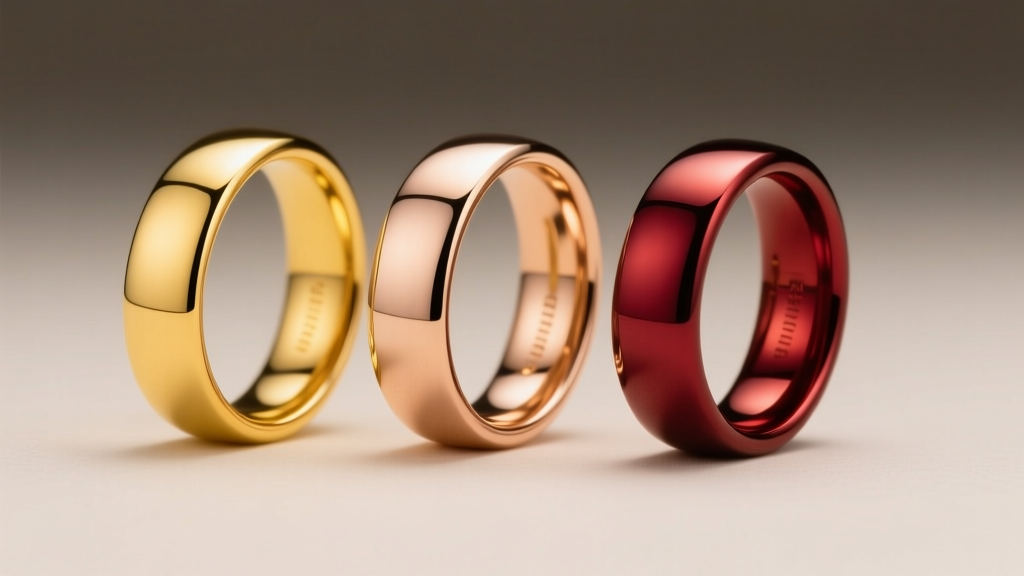
Below is a precise metallurgical comparison to help you identify what you are actually buying when shopping for red gold jewelry.
| Alloy Type (18k) | Gold % | Copper % | Silver/Zinc % | Color Profile |
|---|---|---|---|---|
| True Red Gold | 75.0% | 25.0% | 0.0% | Deep, intense coppery-red |
| Rose Gold | 75.0% | 22.25% | 2.75% (Silver) | Warm, soft pinkish-red |
| Pink Gold | 75.0% | 20.0% | 5.0% (Silver) | Pale, subtle blush pink |
As the Gemological Institute of America (GIA) notes, the addition of silver not only lightens the color but also changes the crystalline structure of the alloy, making rose and pink gold slightly easier for jewelers to cast and set stones into compared to the more rigid binary red gold.
Durability, Tarnish, and Skin Sensitivities
One of the most vital aspects of understanding red gold is recognizing how copper behaves. Copper is a highly reactive base metal. When alloyed with gold, it dramatically increases the Vickers Hardness (HV) of the jewelry. For context, standard 18k yellow gold has an HV of roughly 125, while 18k red gold pushes closer to 140 HV. This makes red gold exceptionally resistant to scratching and denting, making it an excellent choice for rings and bracelets that endure daily impact.
The Oxidation Factor
Because red gold contains zero silver or palladium to stabilize the alloy, the 25% copper content is exposed to oxygen and moisture. Over time, red gold will develop a patina—a darkening of the metal that gives it an antique, vintage look. While some collectors prize this oxidation, others prefer a high polish.
The "Green Finger" Phenomenon
Beginners often worry about copper alloys turning their skin green. This occurs when the copper in the red gold reacts with the acids, salts, and lotions on your skin, creating copper chloride. This is a harmless chemical reaction, not an allergy or a sign of "fake" gold. If you have highly acidic sweat or frequently use harsh skincare acids (like glycolic or salicylic acid), you may notice a temporary green tint on your skin beneath a red gold ring.
Expert Tip: To prevent this, remove your red gold jewelry before applying lotions, swimming in chlorinated pools, or working out. A jeweler can also apply a microscopic rhodium or clear ceramic coating to the inner band of a ring to create a barrier between the copper and your skin.
Historical Context: The "Russian Gold" Era
To truly appreciate red gold jewelry, one must look at its history. In the 19th century, red gold was heavily favored by Russian czars and aristocrats. The prominent jeweler Carl Fabergé frequently utilized high-copper red gold in his legendary Fabergé eggs and bespoke commissions. Because the highest quality red gold of that era originated from Russian mines and refineries, it became globally known as "Russian Gold."
Today, true 18k red gold is somewhat of a niche market. Most commercial jewelry brands mass-produce rose or pink gold because the addition of silver reduces casting defects and extends the lifespan of the silicone molds used in manufacturing. Therefore, finding authentic binary red gold often requires seeking out specialized artisan jewelers, estate auctions, or custom casting houses.
How to Clean and Maintain the Copper Patina
Caring for red gold requires a slightly different approach than caring for yellow or white gold. Because of the high copper content, you must avoid harsh chemicals that can strip the metal or accelerate uneven oxidation.
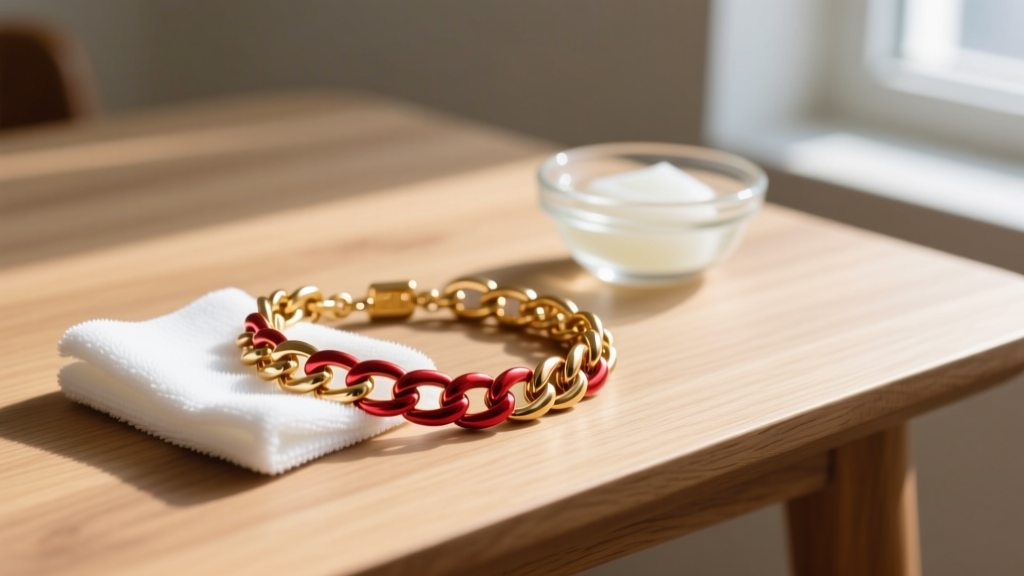
Step-by-Step Cleaning Routine
- The Soak: Mix a few drops of mild, phosphate-free dish soap (like Dawn) into a bowl of lukewarm water. Never use hot water, as extreme temperature shifts can stress the copper-gold crystalline matrix.
- The Agitation: Let the jewelry soak for 10 to 15 minutes. Use an extra-soft baby toothbrush to gently dislodge any sebum or lotion trapped in chain links or prong settings.
- The Rinse: Rinse thoroughly under a gentle stream of room-temperature distilled water. Tap water contains chlorine and fluoride, which can react with the copper and leave microscopic water spots.
- The Dry: Pat dry immediately with a lint-free microfiber cloth. Do not air dry, as water spots on high-copper alloys can etch into the patina over time.
Warning: Never put red gold jewelry into an ultrasonic cleaner using ammonia-based solutions. Ammonia will aggressively attack the copper, leaving the surface porous, brittle, and discolored. Furthermore, avoid commercial "gold dip" polishing liquids, as they are formulated for yellow gold and will strip the rich red patina, leaving the piece looking brassy and uneven.
Expert Verdict: Who Should Buy Red Gold?
Red gold jewelry is not for the faint of heart, nor is it for those who want their jewelry to look exactly like everyone else's. It is an alloy for purists, history enthusiasts, and those who appreciate the raw, unadulterated warmth of copper.
If you are looking for a delicate, pale pink aesthetic, you are actually looking for pink gold. But if you want a bold, deeply saturated crimson metal that offers superior scratch resistance and carries a rich historical lineage, true binary red gold is an exceptional, investment-worthy choice. When purchasing, always ask the jeweler for the exact alloy breakdown to ensure you are getting true red gold, rather than a mass-market rose gold substitute.


