How to Source, Restore, and Style Hippie 70s Jewelry
Learn how to source, clean, and style authentic hippie 70s jewelry. Step-by-step restoration tips for vintage turquoise, brass, and macrame pieces.

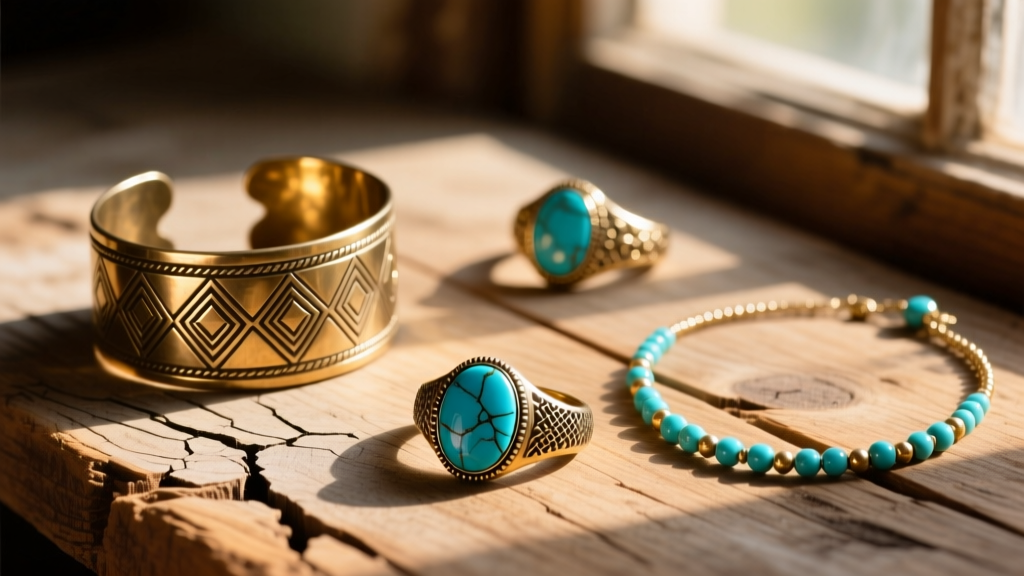
The 1970s bohemian movement was a radical rejection of mass production, favoring handcrafted, organic, and globally inspired adornments. Today, the resurgence of cottagecore and neo-bohemian aesthetics has made authentic hippie 70s jewelry highly coveted. However, navigating the vintage market requires a trained eye to distinguish between genuine mid-century counterculture artifacts and modern fast-fashion replicas. This comprehensive guide will walk you through sourcing, restoring, and styling authentic 70s bohemian pieces with precision and care.
Step 1: Sourcing Authentic Hippie 70s Jewelry
Finding genuine vintage pieces requires understanding the specific hallmarks, materials, and construction techniques of the era. The 1970s saw a massive influx of artisan-crafted jewelry from specific global hubs.
Identifying Era-Specific Hallmarks and Materials
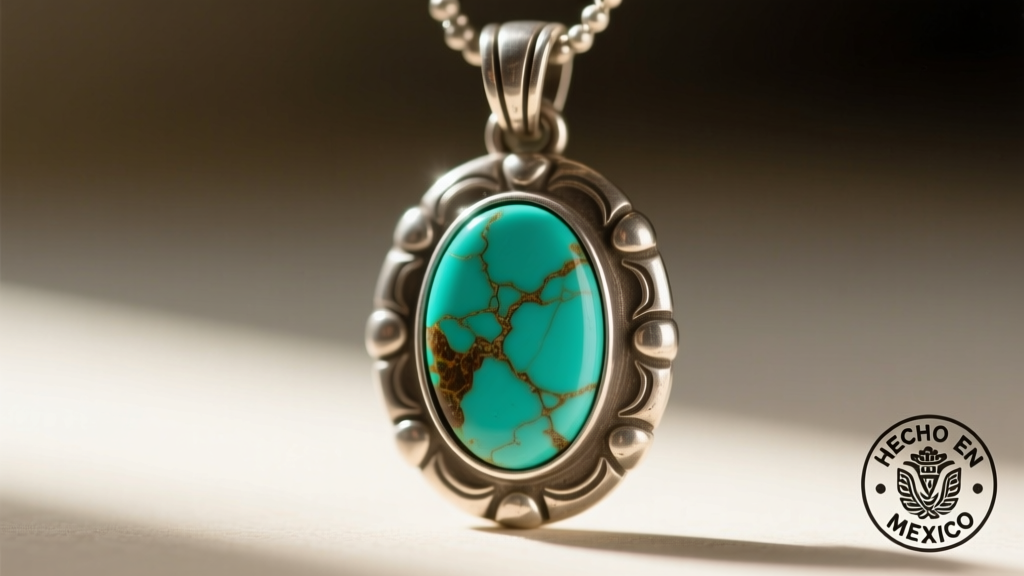
- Taxco Silver (Mexico): Look for the "HECHO EN MEXICO" stamp alongside an Eagle assay mark and a registration number (e.g., TS-123). 70s Taxco pieces often feature heavy, oxidized sterling silver paired with azurite or malachite.
- Native American Revival: The 70s turquoise boom led to prolific Zuni petit-point and Hopi silver overlay work. Authentic pieces will have hand-cut, irregular bezels and natural, untreated turquoise.
- Artisan Brass and Copper: True 70s hippie cuffs were often hand-hammered from thick, unlined brass or copper sheets, featuring rough, unpolished edges and heavy gauge wire wrapping (typically 14-gauge to 12-gauge).
When verifying vintage pieces, experts at Lang Antiques recommend using a 10x jeweler's loupe to inspect the wear patterns on clasps and jump rings. Genuine 50-year-old brass will show micro-abrasions and natural patina in the crevices that modern chemical tumbling cannot replicate.
Step 2: The Restoration Process (Material by Material)
Restoring vintage bohemian jewelry requires a delicate touch. Harsh chemicals can destroy the porous gemstones and organic materials favored by 70s artisans. Below is a decision matrix for safely cleaning your finds.
| Material | Mohs Hardness | Safe Cleaning Agent | Method | Risk Factor |
|---|---|---|---|---|
| Natural Turquoise | 5.0 - 6.0 | Damp microfiber cloth | Gentle surface wiping only | High (Absorbs oils/chemicals) |
| Hammered Brass | 3.0 - 4.0 | Lemon juice & baking soda | Apply paste, rub gently, rinse fast | Medium (Can strip antique patina) |
| Macrame / Nylon | N/A | Mild Woolite detergent | Soak 5 mins, air dry flat | Low (Avoid wringing to prevent fraying) |
| Sterling Silver (Oxidized) | 2.5 - 3.0 | Polishing cloth (no liquid) | Rub only high-relief areas | High (Liquid dips remove intentional 70s oxidation) |
The Turquoise Warning
According to the Gemological Institute of America (GIA), turquoise is a porous copper aluminum phosphate. Submerging vintage 70s turquoise in water or commercial silver dips will cause the stone to absorb chemicals, leading to irreversible darkening, structural crumbling, or the leaching of dyes used in lower-grade 70s stones.
Step 3: Modernizing the Layering Technique
Wearing head-to-toe vintage can easily cross the line into costume territory. The 2026 approach to styling hippie 70s jewelry relies on juxtaposition—mixing heavy, rustic vintage elements with ultra-modern, minimalist foundations.
The Rule of Three: Lengths and Weights
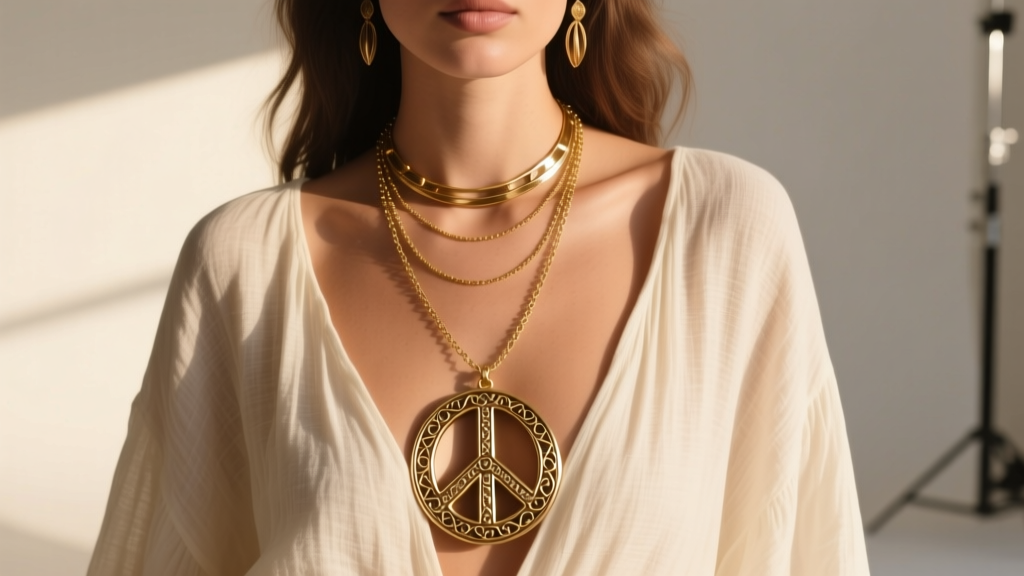
- The Anchor (14-16 inches): Start with a delicate, modern 18k gold or platinum choker (1mm-2mm width). This provides a clean, contemporary baseline near the collarbone.
- The Statement (20-24 inches): Introduce your authentic 70s piece here. A heavy hammered brass peace sign pendant, a large Zuni squash blossom naja, or a chunky amber resin bead necklace serves as the visual focal point.
- The Texture (28-32 inches): Finish with a lightweight, textural element like a vintage macrame lariat or a long, fine silver chain with a single raw crystal drop.
Step 4: Maintenance and Storage for Vintage Pieces
Proper storage is critical for preserving the structural integrity of 70s bohemian jewelry. Organic materials and soft metals degrade rapidly when exposed to modern environmental factors.
Expert Archival Tip: Never store vintage turquoise or amber in airtight plastic bags. These organic stones require minimal ambient moisture to prevent cracking. Store them in unbleached cotton muslin bags with a dedicated anti-tarnish strip (like 3M Pacific Silvercloth) to protect the metal settings without suffocating the gemstones.
Converting Vintage Clip-Ons to Modern Posts
Many authentic 70s hippie earrings were designed as clip-ons or screw-backs, as ear piercing was less ubiquitous in certain mainstream circles during the early part of the decade. To convert these for modern standard lobe piercings (typically 20-gauge or 18-gauge), you must carefully snip the clip mechanism using flush cutters and solder a sterling silver post. If you lack soldering equipment, a professional bench jeweler typically charges between $25 and $45 per pair for this conversion, ensuring the heat does not fracture any glued-in cabochons.
Troubleshooting Common Vintage Issues
- Loose Bezel Settings: 70s handmade jewelry often features hand-pushed bezels that loosen over time. Use a bezel pusher or the smooth back of a spoon to gently burnish the silver or brass lip back over the edge of the stone. Never use pliers, which will mar the soft metal.
- Verdigris on Copper/Brass: If you find green crust (verdigris) near the clasps, this is active corrosion. Remove it immediately using a wooden toothpick and a tiny drop of mineral oil. Do not scrape with metal tools, as you risk scratching the underlying base metal.
- Frayed Macrame Knots: If the nylon or hemp cord of a vintage macrame choker is fraying at the clasp, carefully apply a micro-drop of flexible jewelry adhesive (like E6000) to the knot, let it cure for 24 hours, and trim the excess with micro-scissors.
By understanding the material science and historical context of these pieces, you can curate a collection of hippie 70s jewelry that honors its counterculture roots while remaining a sophisticated, wearable staple in your modern wardrobe.
Related stories
Style
Best Ear for Storage: A Boho Bohemian Expert’s Practical Guide to Ear Cuff, Hoop, and Huggie Organization
Style
Clean FAQ Answered: A Boho Bohemian Expert’s No-Nonsense Guide to Ethical, Low-Tox Living
Style