Navigating Online Fashion Jewelry: 2026 Trends & Quality Tiers
Discover the top 2026 trends in online fashion jewelry. Learn to navigate quality tiers, from demi-fine to costume, with our expert buying guide.

The Evolution of Online Fashion Jewelry in 2026
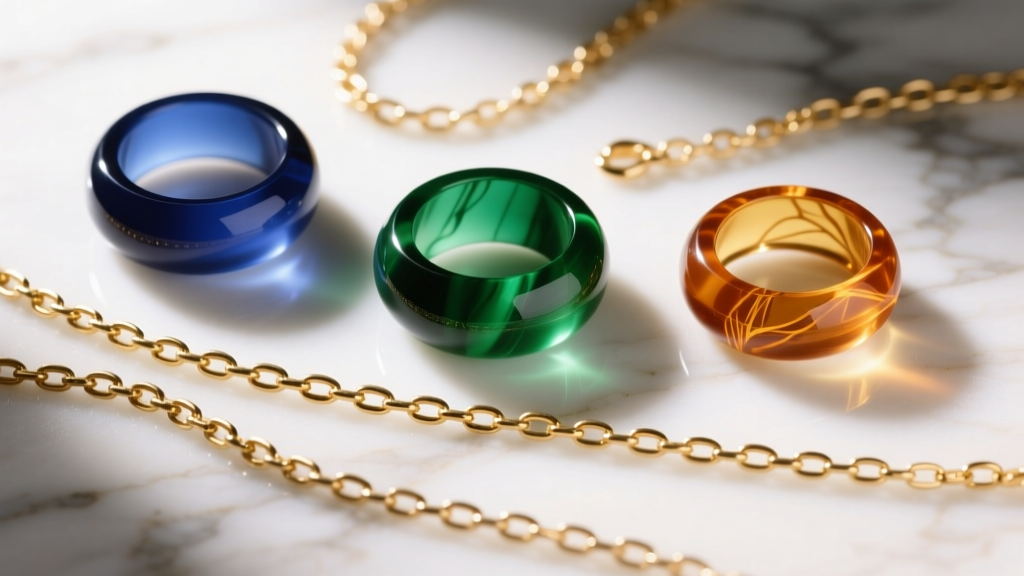
The landscape of digital adornment has shifted dramatically. In 2026, shopping for online fashion jewelry is no longer a race to the bottom for the cheapest fast-fashion accessories. Instead, the market has bifurcated into highly curated digital ateliers and mass-market dropshippers, leaving consumers to navigate a complex web of material claims and marketing jargon. The line between 'costume' and 'fine' has been entirely rewritten by the rise of demi-fine and advanced metallurgy. Understanding these nuances is critical for building a digital collection that offers genuine sartorial value rather than ending up in a landfill after three wears. This guide breaks down the exact material grades, macro-trends, and structural red flags you need to know before clicking 'add to cart'.
Decoding the Quality Tiers: What You Are Actually Buying
When browsing digital storefronts, brands frequently use ambiguous terms like 'gold-dipped' or 'hypoallergenic' to mask inferior base metals. To make informed decisions, you must look past the aesthetic and examine the metallurgical breakdown. According to the Federal Trade Commission (FTC) Jewelry Guides, there are strict legal definitions for metal plating and vermeil, yet many overseas manufacturers ignore these standards. Below is a definitive breakdown of the three primary tiers dominating the e-commerce space.
| Quality Tier | Base Metal | Plating / Finish | Price Range | Expected Lifespan |
|---|---|---|---|---|
| Costume | Zinc Alloy / Pewter | Flash Plating (<0.5 microns) | $15 - $45 | 3 - 6 Months |
| Demi-Fine | Brass / Bronze | Heavy Gold Plating (1-2 microns) | $50 - $120 | 1 - 2 Years |
| Vermeil | 925 Sterling Silver | Gold Plating (min. 2.5 microns) | $85 - $250 | 3 - 5+ Years |
The most common failure mode in the 'Demi-Fine' tier is galvanic corrosion and copper oxidation. Brass is an alloy of copper and zinc. When the 1-micron gold plating wears off at high-friction points (like ring shanks or necklace clasps), the exposed copper reacts with the natural acidity of human sweat (which typically has a pH between 4.5 and 6.0). This chemical reaction produces copper chloride, resulting in the notorious green stain on the skin. If you are investing in the $50+ range, always verify if the brand uses a palladium or rhodium undercoat to act as a barrier between the brass and the gold plating.
2026 Macro-Trends Dominating Digital Storefronts
Aesthetic trends in the digital jewelry space are moving away from the hyper-minimalist, delicate chains of the early 2020s. As highlighted by industry analysts at Vogue, contemporary fashion jewelry is embracing volume, modularity, and unconventional materials. Here are the three dominant trends shaping online inventories this year.
1. Bio-Acetate and Recycled Resins
Sustainability has moved from a buzzword to a baseline expectation. High-end fashion jewelry brands are increasingly utilizing bio-acetate—a plant-based alternative to petroleum-derived plastics—to create chunky, translucent statement rings and oversized hoop earrings. These pieces offer the visual weight and vibrant marbling of natural tortoiseshell or jade but at a fraction of the cost and environmental impact. When shopping for resin online, look for brands that specify 'BPA-free' and 'bio-based' to ensure you are getting premium, non-toxic materials rather than cheap, brittle acrylics.
2. Modular Hardware and Convertible Silhouettes
The 'cost-per-wear' metric is driving a surge in modular jewelry. Digital-native brands are engineering pieces with hidden clasps, interchangeable charms, and reversible pendants. A single 18-inch brass chain might feature a tension-set clasp that allows it to be broken down into two 9-inch chokers or wrapped into a multi-strand bracelet. This trend requires precise manufacturing; always check user reviews for mentions of 'clasp security' and 'spring-ring tension,' as poorly machined modular connectors are the primary point of structural failure.
3. Brutalist Mixed-Media and Raw Textures
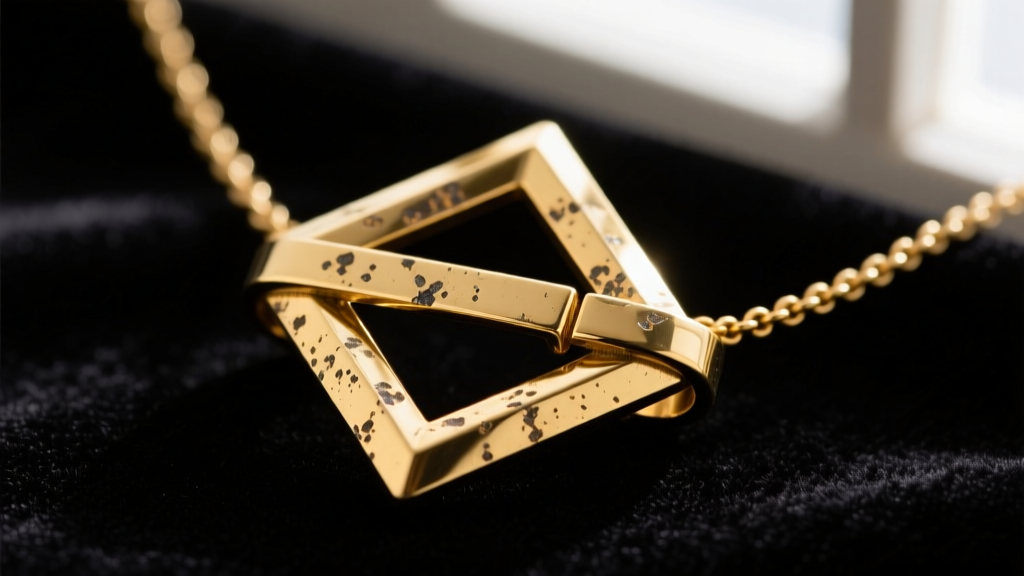
Rejecting the flawless polish of traditional fine jewelry, the 2026 brutalist trend celebrates raw, unrefined textures. Online fashion jewelry is heavily featuring hammered brass, oxidized silver finishes, and asymmetrical tension settings that hold cubic zirconia or lab-grown accent stones without traditional prongs. This aesthetic relies heavily on the casting quality. Sand-casting artifacts and intentional pitting are desirable, but structural porosity (which weakens the metal) is not.
The Buyer’s Framework: Spotting Red Flags in Product Descriptions
Because you cannot physically inspect the weight, clasp quality, or finishing of a piece when shopping online, you must become an expert at reading between the lines of product descriptions. Use this E-E-A-T framework to filter out low-quality dropshipped goods:
- The 'Hypoallergenic' Loophole: Many brands label zinc alloy jewelry as hypoallergenic simply because it lacks nickel. However, cheap zinc alloys often contain trace amounts of cadmium or lead as impurities. Always look for specific metal callouts like 'surgical stainless steel (316L)' or 'niobium' if you have contact dermatitis.
- Vague Plating Terminology: Terms like 'gold-washed,' 'gold-dipped,' or 'gold-toned' are unregulated marketing speak that usually indicates flash plating of less than 0.1 microns. If the listing does not explicitly state a micron count (e.g., '2.5μm gold vermeil'), assume the finish will degrade within weeks of daily wear.
- Stone Ambiguity: If a product features sparkling accents but simply lists the material as 'crystal' or 'gemstone' without specifying 'Swarovski,' 'cubic zirconia (CZ),' or 'lab-grown,' the brand is likely using low-grade glass or acrylic rhinestones that will scratch and cloud rapidly.
- Missing Weight Specifications: High-quality fashion jewelry brands are proud of their materials and will list the gram weight of a piece. A hollow, lightweight chain that looks thick in photos is a hallmark of cost-cutting electroforming techniques that will easily crush or snap.
Caring for Your Digital Haul: Maintenance by Material
The longevity of your online fashion jewelry depends entirely on material-specific maintenance protocols. Treat every tier according to its metallurgical reality:
Zinc Alloy (Costume): Never expose zinc alloy to water, lotions, or liquid jewelry cleaners. The porous nature of cheap castings will trap moisture, leading to internal corrosion and 'metal rot.' Wipe exclusively with a dry, untreated microfiber cloth after each wear.
Brass/Bronze (Demi-Fine): To remove early-stage oxidation or skin oils, use a mild dish soap and warm water solution. Avoid ammonia-based cleaners, which can strip the protective clear-coat or rhodium undercoating applied by premium demi-fine brands. Ensure the piece is 100% bone-dry before storing it in an anti-tarnish ziplock bag.
Vermeil: While the sterling silver base is durable, the 2.5-micron gold layer requires gentle care. Never use ultrasonic cleaners or silver polishing cloths on vermeil, as the mild abrasives in the cloth will strip the gold plating right off the silver core. Use only a soft-bristled baby toothbrush and mild soap to clean crevices.
Conclusion: Building a Future-Proof Digital Collection
The golden age of online fashion jewelry is defined by accessibility and innovation, but it demands a highly educated consumer. By understanding the exact micron counts of plating, the chemical realities of base metals, and the structural requirements of modular trends, you can curate a digital jewelry box that punches far above its weight class. Stop buying disposable accessories and start investing in engineered, trend-forward pieces that bridge the gap between fleeting fashion and enduring style.