Step-by-Step: Getting Cremation Ashes Turned Into Jewelry
Learn exactly how to prepare, measure, and safely ship cremains when getting ashes turned into jewelry. A step-by-step guide for secure memorial keepsakes.

Understanding the Material: What You Are Actually Handling
When families decide to have ashes turned into jewelry, the first step is understanding the physical nature of the material. Cremated remains (cremains) are not wood ash; they are primarily composed of calcium phosphate and trace minerals left after the organic matter has been vaporized at temperatures exceeding 1,600°F. Because of this mineral composition, cremains behave more like fine sand or crushed bone than soft ash. This distinction is critical because it dictates how the material must be sifted, measured, and ultimately fused into glass, resin, or synthesized into a diamond.
According to the Cremation Association of North America (CANA), the average adult yields between 3 to 9 pounds of cremains. However, memorial jewelry artists typically require only a fraction of an ounce. Knowing exactly how to prepare this small sample ensures the structural integrity and aesthetic beauty of your final keepsake.
Step 1: Measuring and Sifting the Cremains
Different jewelry mediums require different particle sizes. If you are sending your material to a professional studio, they will usually provide a specialized collection kit. If you are preparing the ashes yourself, follow these precise specifications:
For Resin Infusion Jewelry
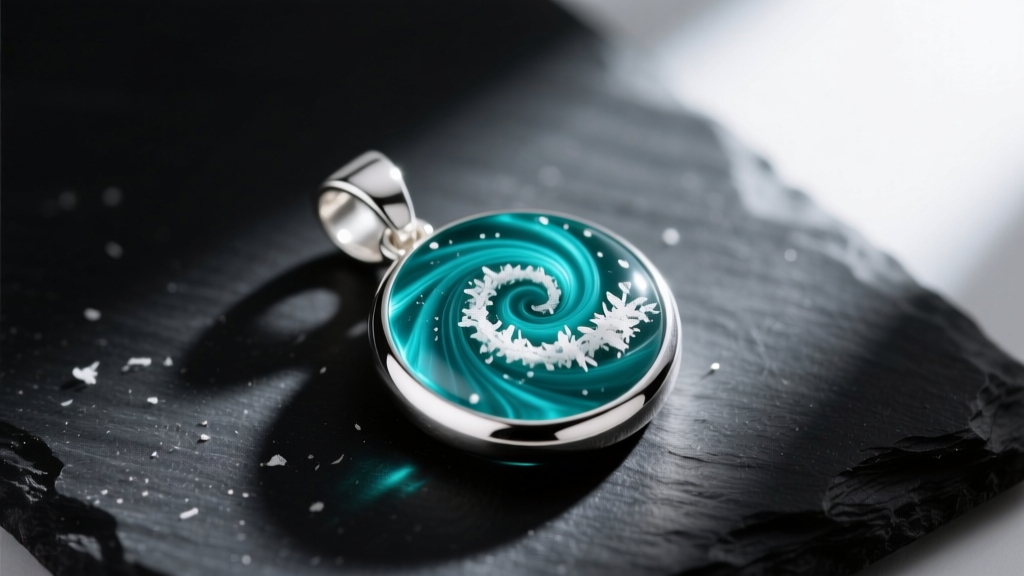
Resin requires an ultra-fine powder to prevent heavy particles from sinking to the bottom of the bezel before the epoxy cures. You will need to sift the cremains through a 100-mesh stainless steel sieve. This reduces the particles to less than 150 microns. For a standard 10mm round bezel pendant, you only need about 1/2 teaspoon (approximately 2 to 3 grams) of sifted ash.
For Lampwork Glass Jewelry
Glass artists working with borosilicate or soft soda-lime glass do not require fine sifting. In fact, slightly coarser particles (up to 1mm) create beautiful, organic textures and trapped luminescent bubbles when exposed to the 1,800°F torch flame. For glass beads or pendants, measure out exactly 1 level tablespoon (approximately 15 grams). Do not pack the ash down; keep it loose.
Step 2: Packaging for Secure and Legal Transit
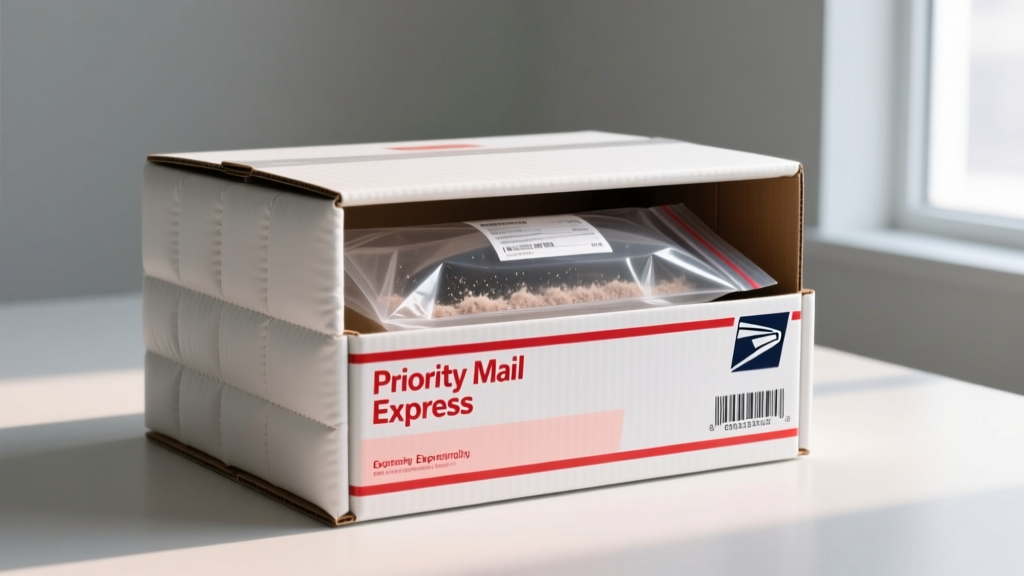
Shipping cremains requires strict adherence to federal postal regulations. Mishandling this step can result in the package being seized, destroyed, or lost. In the United States, the United States Postal Service (USPS) is the only legal carrier permitted to transport cremated remains. Private carriers like UPS and FedEx explicitly prohibit cremains in their terms of service.
USPS Publication 52 Mandate: Cremated remains must be packaged in a sift-proof container, sealed inside a secondary leak-proof barrier, and shipped exclusively via Priority Mail Express.
The 3-Layer Packaging Protocol
- Primary Sift-Proof Container: Place the measured ashes into the rigid vial provided by the jeweler. If using your own, select a threaded plastic or glass pill bottle. Wrap the threading with two layers of PTFE (plumber's) tape before screwing the cap on tightly to prevent micro-leaks.
- Secondary Leak-Proof Barrier: Place the sealed vial into a heavy-duty, 4-mil thick ziplock bag. Squeeze out excess air, seal it, and place it inside a second ziplock bag, sealing it in the opposite direction.
- Outer Shipping Box: Use a sturdy corrugated cardboard box. Line the bottom with 2 inches of bubble wrap, place the bagged vial in the center, and fill all remaining void space with packing peanuts or more bubble wrap. The vial must not shift when the box is shaken.
Step 3: Choosing the Right Infusion Method
Before you finalize your shipment, you must confirm the medium the jeweler is using. The physical properties of the ashes change drastically depending on the heat and chemical environment of the chosen method. Below is a technical comparison to help you set accurate expectations for your memorial piece.
| Medium | Process Temperature | Ash Color Shift | Durability (Mohs Scale) | Maintenance Requirements |
|---|---|---|---|---|
| Epoxy Resin | Room Temp (70°F - 80°F) | Retains original gray/white | 2.0 - 3.0 (Soft) | Keep out of direct UV light; polish micro-scratches annually. |
| Lampwork Glass | 1,800°F - 2,000°F | Turns bright, luminescent white | 5.5 - 6.5 (Moderate) | Clean with mild soap; avoid hard impacts against metal or stone. |
| Lab-Grown Diamond | 2,500°F+ (HPHT / CVD) | Ash is destroyed; carbon extracted | 10.0 (Hardest) | Standard diamond care; ultrasonic cleaners are safe. |
If you opt for a lab-grown memorial diamond, understand that the ashes themselves are not suspended in the stone. Instead, the carbon is chemically extracted from the cremains (which contain roughly 1-4% residual carbon) and used as the seed material for the diamond synthesis. This requires sending significantly more material—often a full cup of ashes—to ensure enough carbon yield.
Step 4: Navigating the USPS Shipping Process
Once your package is securely boxed, take it directly to a USPS retail counter. Do not leave it in a drop box. You must declare the contents to the postal clerk to ensure the correct Priority Mail Express labels are applied. While you are not required to write 'Cremated Remains' in large letters on the outside of the box, the internal documentation and the specific Express Mail tracking barcode will flag it appropriately within the USPS system. Always purchase the included insurance and retain your physical receipt with the tracking number until the jeweler confirms receipt via video or email.
Troubleshooting Common Artistic Mishaps
Even with perfect preparation, the chemical nature of human cremains can sometimes cause unexpected reactions during the jewelry creation process. Understanding these failure modes will help you communicate effectively with your artist if adjustments are needed.
- Blackening in Glass: If ashes turn black or dark gray inside a glass bead, it is due to unburned organic carbon reacting with the glass matrix. The artist must pre-fire the ashes in a kiln at 1,200°F or use a boron-based flux to oxidize the carbon before encasing it.
- Yellowing in Resin: If a resin pendant turns yellow within a few months, the jeweler likely used a standard hardware-store epoxy rather than a jewelry-grade, UV-stabilized polyurethane or art resin. Always ask your artist to confirm they use UV-inhibiting resins like ArtResin or specialized jeweler's epoxy.
- Bubble Clouding: In resin, trapped air bubbles can obscure the ashes. Artists must use a pressure pot (curing the resin under 40-50 PSI) to compress micro-bubbles to invisible sizes. If your piece looks cloudy, request that the artist cast the next piece using a vacuum chamber or pressure pot.
Final Thoughts on Care and Preservation
Getting cremation ashes turned into jewelry is a profound way to maintain a physical connection with a loved one. By taking a meticulous, scientific approach to measuring, sifting, and shipping the material, you guarantee the artist has the optimal medium to work with. Once your piece is returned to you, treat it with the specific care dictated by its material—keeping resins away from prolonged sunlight and protecting glass from sharp impacts—ensuring your memorial keepsake remains a beautiful, enduring tribute for decades to come.