Evaluating Expensive Jewelry for Women: A Value Guide
Discover how to evaluate expensive jewelry for women. Learn to assess brand markups, material grades, and intrinsic value before making luxury investments.

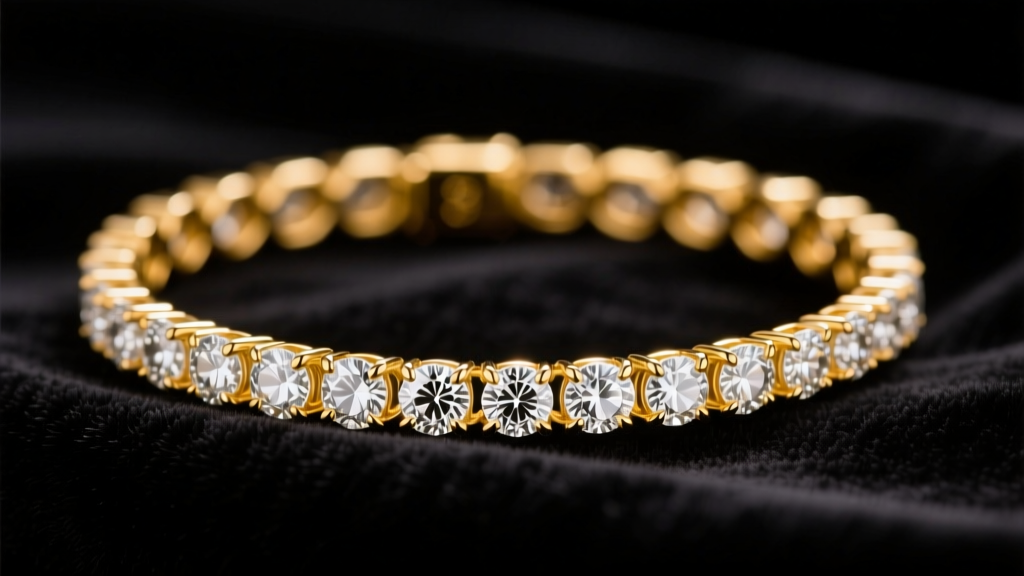
Navigating the luxury market in 2026 requires a highly analytical approach. As lab-grown diamonds saturate the sub-$5,000 market and heritage houses aggressively raise their retail prices, the phrase expensive jewelry for women no longer guarantees inherent financial value or superior craftsmanship. Today, a high price tag is often a reflection of marketing overhead and retail real estate rather than material rarity. For the discerning collector or the thoughtful gift-giver, understanding the anatomy of luxury pricing is essential. This guide breaks down the exact metrics, material grades, and market dynamics you must evaluate to determine if a piece of high-end jewelry is a genuine investment or merely an overpriced accessory.
The Anatomy of High-End Pricing: Intrinsic vs. Extrinsic Value
When assessing luxury jewelry, you must separate intrinsic value from extrinsic value. Intrinsic value is dictated by the raw commodities: the melt weight of the precious metals and the wholesale market price of the gemstones based on their specific grading. Extrinsic value encompasses the craftsmanship, the brand heritage, and the retail experience.
In the current market, heritage brands like Cartier, Van Cleef & Arpels, and Tiffany & Co. command extrinsic premiums ranging from 300% to over 800% above intrinsic material costs. While this brand tax is steep, it is not inherently a bad investment, provided the piece possesses strong secondary market liquidity. Iconic designs, such as the Alhambra collection or the Love bracelet, retain value because they function as globally recognized liquid assets. Conversely, a generic diamond solitaire pendant bearing a luxury logo will suffer massive depreciation the moment it leaves the boutique, as the secondary market will only pay for its intrinsic diamond and gold value.
Material Grades and Intrinsic Value Metrics
True luxury jewelry demands specific material thresholds. If a piece is marketed as high-end but utilizes inferior alloys or mass-production casting techniques, the value proposition collapses. According to the World Gold Council, the premium for 18-karat gold over 14-karat gold has widened in recent years, making it a critical baseline for luxury assessment.
| Component | Entry-Level / Mass Market | True High-End Standard | Impact on Value & Durability |
|---|---|---|---|
| Gold Purity | 10k or 14k (41.7% - 58.3%) | 18k (75%) or 22k (91.6%) | 18k offers superior color saturation, hypoallergenic properties, and better long-term value retention. |
| Platinum Grade | 900 Platinum (10% alloy) | 950 Platinum (5% alloy) | 950 grade is denser, heavier, and develops a desirable patina without losing structural integrity. |
| Diamond Origin | Lab-Grown (CVD / HPHT) | Natural, Type IIa, D-F Color | Lab-grown diamonds have near-zero resale value in 2026; rare natural stones act as wealth preservers. |
| Construction | CAD/CAM Cast, Soldered Joints | Hand-Forged, Micro-Set Pavé | Hand-forging compresses the metal grain, increasing tensile strength and preventing prong failure. |
The Platinum Standard: Why 950 Matters
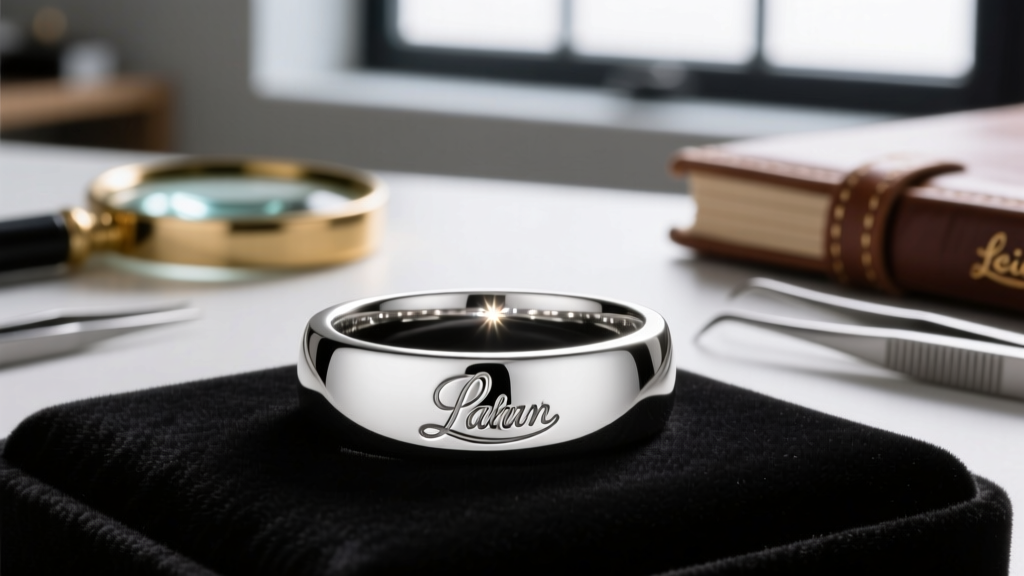
Platinum is the undisputed king of luxury gemstone settings, but not all platinum is created equal. You must look for the 950 hallmark. This indicates the piece is 95% pure platinum, usually alloyed with 5% ruthenium or iridium. Lower-grade 900 platinum is sometimes used by brands cutting corners, resulting in a slightly whiter, less dense metal that is more prone to casting porosity. Always use a 10x jeweler's loupe to verify the hallmark on the interior of the band or the back of the clasp.
Gemstone Valuation: Beyond the Basic 4 Cs
When expensive jewelry for women features colored gemstones, the standard diamond 4 Cs (Cut, Color, Clarity, Carat) are woefully inadequate for value assessment. The true drivers of colored gemstone valuation are origin and treatment. The Gemological Institute of America (GIA) emphasizes that geographic origin can multiply a stone's value by a factor of ten, even if two stones look identical to the naked eye.
- Origin Premiums: A pigeon blood ruby from the Mogok Valley in Myanmar will command a 300% to 500% premium over a visually identical ruby from Mozambique. Similarly, Kashmir and Burmese sapphires carry massive historical premiums.
- Treatment Disclosure: This is where most buyers lose money. Over 90% of sapphires and rubies on the market are heat-treated to improve color and clarity. An unheated, untreated sapphire with a reputable lab report (GIA, Gübelin, or SSEF) is exceptionally rare and will appreciate in value, whereas a heated stone is considered a consumer good and will depreciate.
- Beryllium Diffusion: Avoid any stones treated with beryllium diffusion, a process that artificially introduces color into the stone's crystal lattice. These are essentially worthless in the investment tier of jewelry.
A Practical Framework for Assessing Luxury Pieces
Before authorizing a five-figure wire transfer for a piece of fine jewelry, run it through this rigorous, four-step assessment framework to ensure the price aligns with the physical reality of the object.
1. Calculate the Melt and Wholesale Baseline
Weigh the piece (subtracting estimated gem weight if possible) and calculate the scrap gold or platinum value using the daily spot price. Next, estimate the wholesale replacement cost of the center stones using current Rapaport or Gemval pricing guides. This gives you the absolute floor of the item's intrinsic value.
2. Verify Independent Laboratory Reports
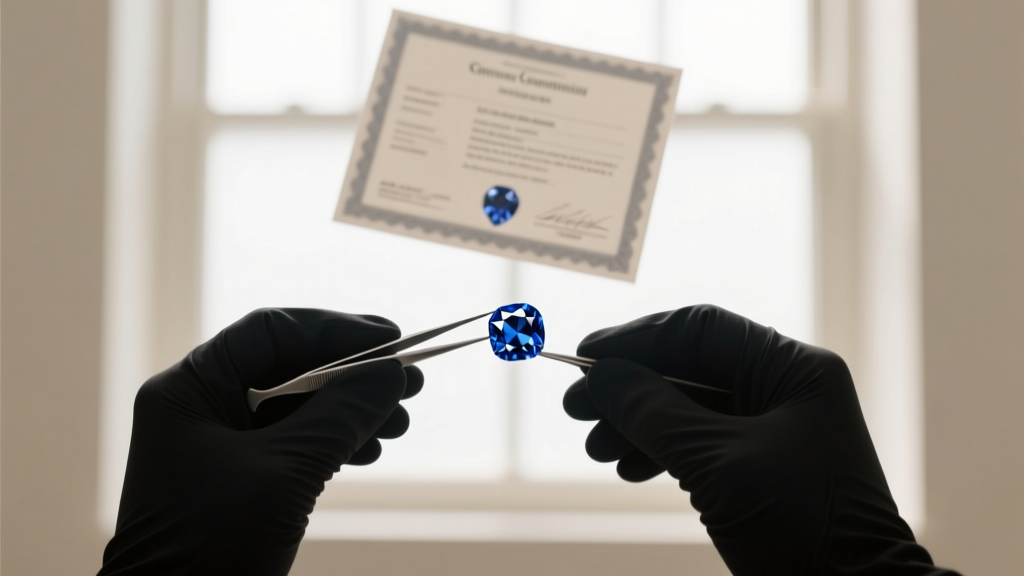
Never accept an in-house brand certificate for any center stone over 0.50 carats or any colored gemstone over 1.00 carats. Demand reports from tier-one laboratories: GIA, AGS, or AGI for diamonds; GIA, Gübelin, or SSEF for colored stones. If the brand refuses or claims their in-house gemologist is sufficient, walk away.
3. Inspect the Micro-Engineering
Examine the piece under 10x magnification. Look for laser welds, which indicate a cast piece that required structural repair. Check the gallery (the underside of the setting). High-end jewelry features hand-polished galleries and openwork that allows light to enter the stone, whereas mass-produced luxury items often have thick, cast metal baskets that block light and trap soap and lotion.
4. Assess the Brand's Secondary Market Liquidity
Search completed listings on verified luxury resale platforms like Chrono24 or 1stDibs for the exact SKU or model. If the piece is selling for less than 30% of its retail boutique price, you are paying a massive premium for the unboxing experience, not the asset itself.
Final Verdict: When the Premium is Justified
Is expensive jewelry for women worth the investment? The answer depends entirely on your objectives. If your goal is pure financial return, you are generally better off buying investment-grade loose stones and bullion. However, jewelry is an emotional asset. The premium paid to a heritage house is justified when you are purchasing a masterclass in micro-engineering, a historically significant design, and the assurance of lifetime servicing from a global maison.
By focusing on 18k or 950 platinum constructions, demanding unheated gemstones with tier-one lab reports, and understanding the exact mechanics of brand markups, you can confidently navigate the luxury market. You will transition from merely buying expensive items to curating a collection of genuine, enduring value.


