Troubleshooting Aeriel Fine Jewelry & Body Piercing Issues
Solve common issues with aeriel fine jewelry & body piercing. Learn to fix bent pins, alloy allergies, and gem loss in high-end body mods.

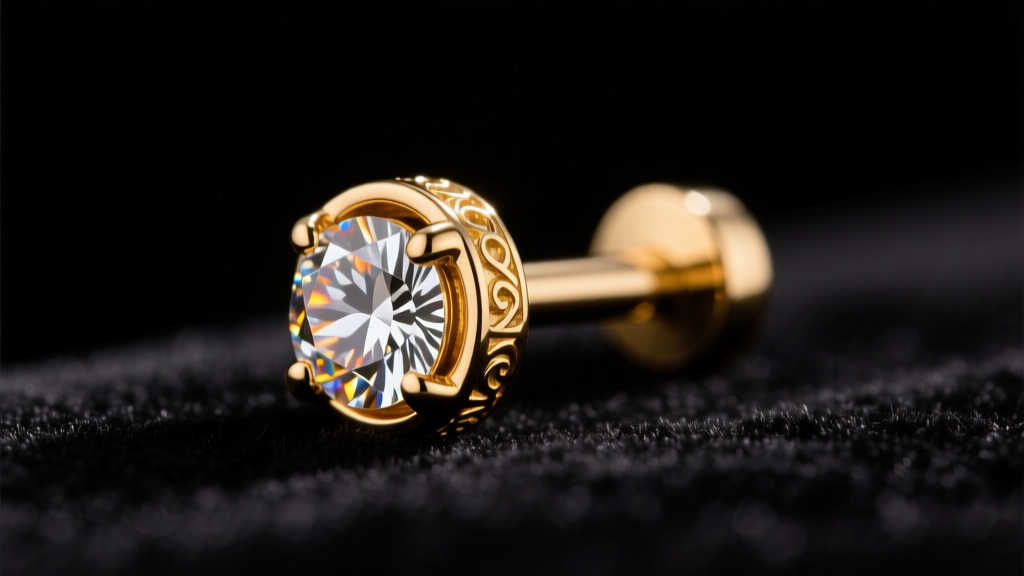
The niche of aeriel fine jewelry & body piercing represents a profound shift in the body modification community. Moving away from the heavy, industrial aesthetics of traditional surgical steel, the "aeriel" approach emphasizes ethereal, delicate, and highly refined pieces. We are talking about 18-karat solid gold, micro-pavé diamonds, celestial motifs, and ultra-fine gauges. However, as we navigate the 2026 landscape of high-end body modification, this transition to fine jewelry brings a unique set of mechanical and biological challenges. Delicate metals behave differently than implant-grade titanium, and troubleshooting these issues requires a deep understanding of metallurgy, anatomy, and jewelry engineering.
Whether you are dealing with a snapping threadless pin, an unexpected allergic reaction to a gold alloy, or a gemstone that keeps catching on your hair, this comprehensive troubleshooting guide will help you maintain the integrity of your fine body jewelry.
The Metallurgy of Fine Body Jewelry: Allergy Troubleshooting
One of the most common misconceptions in the aeriel fine jewelry & body piercing space is that all "solid gold" is inherently hypoallergenic. While pure gold is biocompatible, it is far too soft for body jewelry. Therefore, it must be alloyed with other metals to increase its tensile strength. The troubleshooting begins when a client experiences contact dermatitis or localized swelling after upgrading to a premium gold piece.
Decoding Karats and Alloys
According to the Gemological Institute of America (GIA), 18k gold is 75% pure gold, while 14k is 58.3%. The remaining percentage consists of alloy metals like copper, zinc, silver, and sometimes nickel. Nickel is the primary culprit behind gold-related contact allergies. While yellow and rose gold are typically alloyed with copper and silver (making them generally safe), white gold is frequently alloyed with nickel to achieve its silvery hue.
Expert Rule of Thumb: Never wear standard white gold in a piercing. If you desire a silver aesthetic in fine jewelry, insist on palladium-alloyed white gold or platinum, which are nickel-free and biocompatible.
Mechanical Failures in Delicate Body Jewelry
Fine jewelry prioritizes a minimalist profile, which often means thinner posts and smaller connection points. The most popular connection method for high-end body jewelry is the threadless (press-fit) system. While incredibly secure in 16-gauge or 14-gauge titanium, threadless pins become a major troubleshooting headache when scaled down to the 18-gauge or 20-gauge wires used in aeriel designs.
Troubleshooting Threadless Pin Fatigue
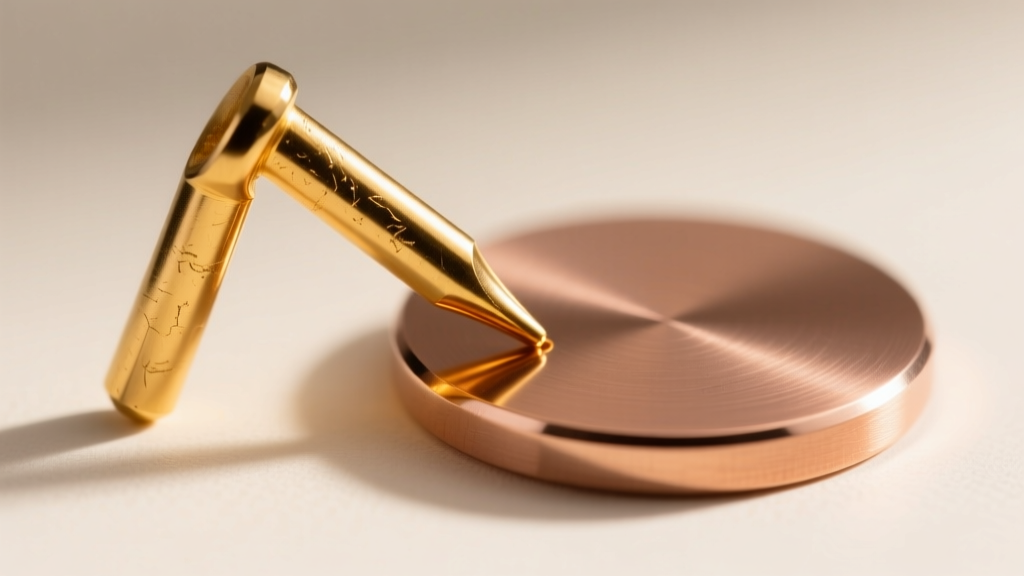
Gold is a malleable metal. An 18-gauge 14k or 18k gold threadless pin will experience "metal fatigue" much faster than an ASTM F-136 titanium pin. If you repeatedly bend the pin to adjust the tension, or if you bend it at the exact same stress point, the pin will eventually snap inside the shaft.
| Issue | Root Cause | Troubleshooting Solution |
|---|---|---|
| Pin won't stay in shaft | Insufficient bend angle or pin wear | Bend the pin slightly further (approx. 12-15 degrees) about one-third down the shaft. Do not bend at the base. |
| Pin snaps during insertion | Metal fatigue from repeated bending | Discard the fatigued pin. Request a replacement pin made of implant-grade titanium, even if the decorative end is solid gold. |
| Decorative end spins loosely | Stripped internal threading (if threaded) | Apply a microscopic drop of jewelry-safe threadlocker, or switch to a threadless system for better longevity in fine metals. |
The "Cheese Cutter" Effect: Gauge and Migration Issues
Aesthetics often clash with anatomy in the aeriel fine jewelry & body piercing category. To maintain a dainty, barely-there look, many fine jewelry designers default to 18-gauge (1.0mm) or even 20-gauge (0.8mm) wires for nostril screws and lobe labrets. While visually stunning, these thin gauges can trigger a biomechanical failure known as the "cheese cutter effect."
The Association of Professional Piercers (APP) strongly advises against using jewelry thinner than 16-gauge for most standard piercings. When a thin 18-gauge gold wire bears the weight of a heavy gemstone or catches on a towel, the localized pressure on the fistula (the piercing channel) increases dramatically. Over time, this pressure slices through the tissue, causing the piercing to migrate, reject, or tear completely.
How to Balance Aesthetics and Anatomy
- Nostrils: If you must wear a delicate 18g gold nostril screw, ensure the gemstone is under 2.5mm to minimize weight. For anything larger, upgrade to a 16g flat-back labret.
- Earlobes: Never use 18g or 20g posts for standard lobe piercings, even if healed. The natural movement of the earlobe will cause an 18g wire to migrate downward. Stick to 16g or 14g for lobes.
- Helix/Cartilage: Cartilage is more stable, making it the safest canvas for 18g aeriel fine jewelry, provided the initial piercing was done at a proper gauge and allowed to shrink-wrap around the finer post.
Gemstone Security: Bezel vs. Micro-Prong Settings
The crowning glory of aeriel fine jewelry is the gemstone work. However, the environment of a body piercing is harsh. It is subjected to friction, moisture, sebum, and accidental impacts. Troubleshooting gemstone loss requires understanding how the stone is secured.
The Snag-and-Pull Failure Mode
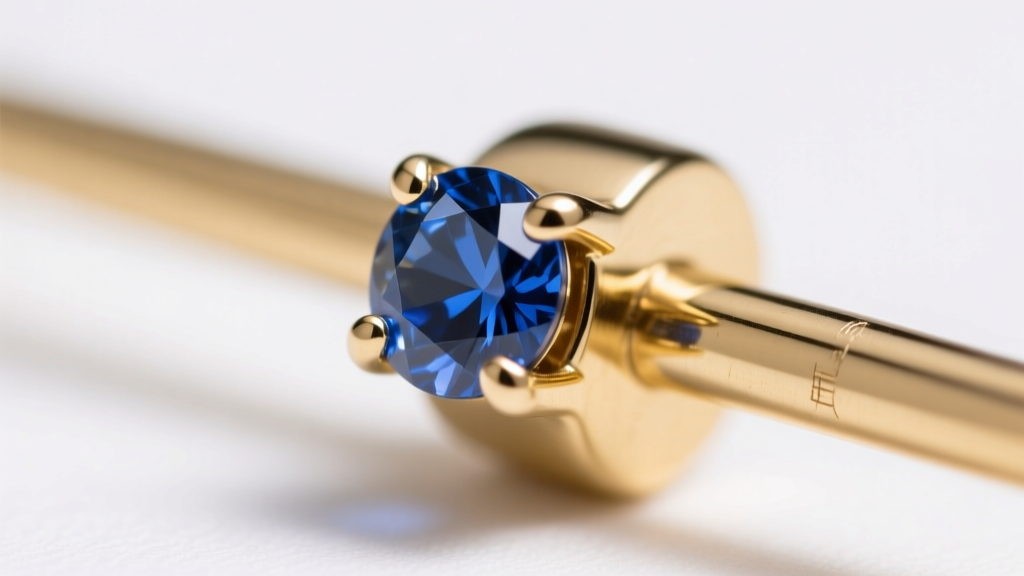
Micro-prong settings are favored in fine jewelry because they allow maximum light to enter the stone, creating unparalleled sparkle. Unfortunately, those tiny prongs act like microscopic hooks. They catch on hair, sweaters, and pillowcases. When a prong snags, it lifts slightly, releasing the tension on the gemstone. The next time the jewelry is bumped, the stone falls out.
Bezel Settings: The Pragmatic Alternative
A bezel setting wraps a continuous rim of metal entirely around the gemstone's girdle. While it slightly reduces the stone's light return, it is virtually snag-proof. If you are troubleshooting repeated gem loss in your fine body jewelry, the ultimate fix is to have a master jeweler convert your favorite pieces to bezel settings.
Cleaning Warnings for Fine Gems
When maintaining your jewelry, avoid ultrasonic cleaners. The high-frequency vibrations can easily shake a micro-pavé diamond loose from its delicate setting. Furthermore, porous stones like opals, emeralds, and turquoise—frequently used in high-end aeriel designs—will fracture or lose their luster if exposed to ultrasonic waves or harsh chemical dips. Stick to warm water, mild castile soap, and a baby-soft toothbrush.
Final Thoughts on Fine Jewelry Maintenance
Embracing the aeriel fine jewelry & body piercing lifestyle means accepting that you are wearing miniature, wearable art that requires respect and maintenance. By understanding the limitations of gold alloys, respecting the physics of gauge sizes, and choosing secure gemstone settings, you can ensure your delicate pieces remain as breathtaking as the day they were inserted. Always consult with an APP-certified piercer who has specific experience handling high-end, fine-gauge jewelry to ensure your anatomical safety matches your aesthetic vision.