2026 Apadravya Piercing Jewelry Trends & Style Guide
Explore 2026 apadravya piercing jewelry trends, from implant-grade titanium straight barbells to threadless ends, gauge standards, and healing tips.

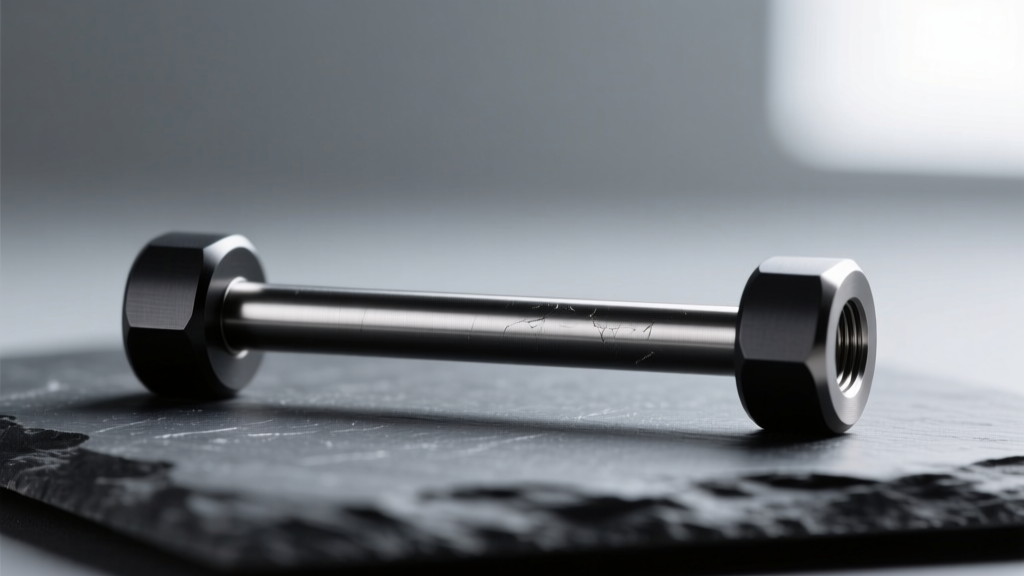
The Evolution of Apadravya Jewelry: What is Changing in 2026?
The apadravya—a vertical piercing that passes directly through the glans and urethra of the male anatomy—is one of the most complex and intimate modifications in body art. Because of its placement in a highly vascular, high-friction mucosal environment, the jewelry selected for this piercing cannot be an afterthought. As we move through 2026, the landscape of genital piercing jewelry has shifted dramatically away from generic, mass-produced surgical steel and toward hyper-customized, biomechanically optimized pieces. Today’s collectors and first-timers alike are demanding jewelry that offers seamless integration with the body's natural movement, zero-risk threading mechanisms, and high-end aesthetic finishes. This guide breaks down the material science, structural requirements, and emerging style trends defining apadravya piercing jewelry this year.
Material Science: Beyond Basic Titanium
When it comes to initial and long-term apadravya jewelry, the Association of Professional Piercers (APP) maintains strict guidelines regarding biocompatibility. The mucosal tissue of the glans is incredibly absorbent and sensitive to heavy metal leaching.
- Implant-Grade Titanium (ASTM F-136): This remains the undisputed king of 2026. Specifically, Ti-6Al-4V ELI (Extra Low Interstitial) is completely nickel-free and boasts a mirror polish that resists bacterial adhesion. Brands like Anatometal and Industrial Strength continue to set the benchmark here.
- Niobium: While highly biocompatible and excellent for those with extreme sensitivities, niobium is softer than titanium. It is rarely used for the straight barbell shafts required for an apadravya, but it is occasionally utilized for custom anodized ends.
- Solid Gold (14k and 18k): For fully healed piercings, palladium-based white gold and nickel-free yellow gold are surging in popularity. Gold offers a warmer, heavier feel that many clients prefer for the physical weight and sensory feedback it provides during intimacy.
Critical Warning: Avoid 'surgical stainless steel' (316L) entirely. The nickel content, even in trace amounts, can cause severe allergic contact dermatitis and localized tissue rejection when exposed to the constant moisture and friction of the urethral environment.
Biomechanics: Gauge, Length, and Threading Standards
The structural integrity of an apadravya barbell is a matter of physical safety. A poorly sized barbell can lead to the 'cheese-cutter' effect, where a thin gauge slowly migrates through the glans tissue, or urethral tearing caused by excessive post length.
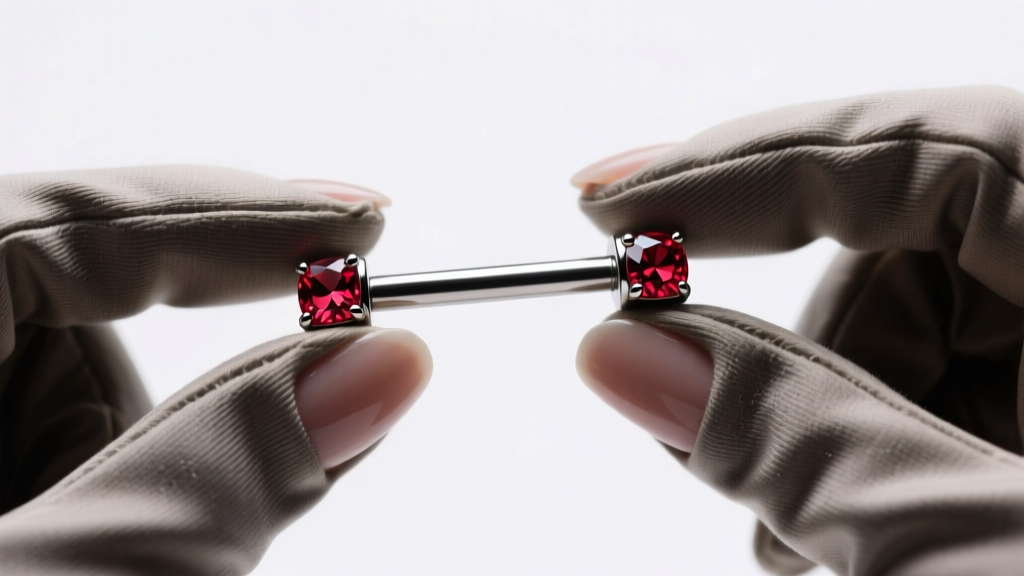
The Threading Revolution: Why Threadless Dominates
Externally threaded jewelry is universally condemned by professional piercers for genital work; the sharp threads act like a file, tearing the delicate fistula upon insertion or removal. While internally threaded jewelry is safe, threadless (press-fit) jewelry has completely taken over the 2026 market. Threadless systems utilize a bent pin that creates tension against the inside of the hollow shaft. This guarantees a completely smooth exterior shaft (preventing urethral irritation) and ensures the ends will never unscrew during vigorous physical activity or intercourse.
Standard Dimensions Chart
| Gauge Size | Millimeter (mm) | Initial Swelling Length | Healed Custom Length | Stability Rating |
|---|---|---|---|---|
| 12g | 2.0mm | N/A (Not Recommended) | N/A | Poor (High Migration Risk) |
| 10g | 2.4mm | 1' to 1.25' | 5/8' to 3/4' | Good (Industry Minimum) |
| 8g | 3.2mm | 1.25' to 1.5' | Custom Measured | Excellent (Ideal Standard) |
| 6g | 4.0mm | 1.5' to 1.75' | Custom Measured | Superior (For Stretched Lobes/Glans) |
Downsizing is the most critical step in the apadravya healing process. Once the initial swelling subsides (typically between weeks 3 and 5), the client must return to the piercer to be fitted with a custom-measured post. A post that is even 2mm too long will allow the jewelry to pivot, catching the urethral meatus and causing micro-tears.
2026 Aesthetic Trends: Ends, Textures, and Anodizing
With the structural mechanics perfected by top-tier manufacturers, the aesthetic frontier of apadravya jewelry has exploded. Because the shaft is hidden within the anatomy, the 'ends' of the barbell are the only visible components, making them a prime canvas for personal expression.
1. Voltage-Controlled Anodizing
Clients are moving away from standard silver titanium and opting for vibrant, permanent anodized colors. By running an electrical current through the titanium in an electrolyte bath, piercers can alter the oxide layer on the metal's surface. In 2026, deep ultraviolet, rose gold, and teal are the most requested hues. Unlike PVD coatings or paints, anodizing does not chip or flake, making it 100% safe for internal wear.
2. Low-Profile Cabochon Gems
While large spherical beads were the standard in the early 2000s, modern trends favor low-profile cabochon (flat-backed, domed) gemstones. Lab-created opals, sapphires, and emeralds set in threadless titanium ends provide a flash of color without the protrusion that causes snagging on underwear or during daily activities.
3. Knurled and Textured Grips
For those who prefer a minimalist, industrial look, knurled ends (featuring a diamond-patterned texture) are highly popular. Beyond aesthetics, the texture provides a tactile grip, making it significantly easier for the wearer to safely remove the threadless ends for cleaning or medical exams without needing specialized pliers.
Troubleshooting & Common Failure Modes
Even with premium jewelry, anatomical variations and poor aftercare can lead to complications. Understanding these failure modes is essential for long-term retention of the piercing.
- Migration and Rejection: If the piercing was placed at an improper angle, or if the jewelry gauge is too thin (e.g., 14g or 12g), the body will treat the jewelry as a splinter and slowly push it out. Upgrading to an 8g barbell often halts early-stage migration by distributing the physical load across a wider surface area of tissue.
- Urethral Irritation: Often mistaken for an infection, this is usually a mechanical issue. If the mirror polish on the barbell shaft is compromised (scratched by cheap insertion tapers or teeth), bacteria will harbor in the grooves. Furthermore, if the jewelry is too long, the constant pivoting will batter the urethra. Custom downsizing solves this immediately.
- End Loss: While rare with high-quality threadless systems, improper pin-bending technique during installation can cause ends to pop out. Always have a professional piercer tension the pin; if doing it at home, ensure the pin is bent at a precise 10-to-15-degree angle before insertion.
Sourcing and Pricing Expectations
High-end apadravya jewelry is an investment in both safety and comfort. Because custom lengths and specialized ends are often required, pricing reflects the precision manufacturing involved.
'Genital piercings demand the highest tolerance for jewelry manufacturing. A variance of a fraction of a millimeter in threading or shaft polish can mean the difference between a lifelong, comfortable piercing and chronic tissue damage.' — Association of Professional Piercers Guidelines
2026 Pricing Breakdown:
- Standard Titanium Threadless Barbell (Shaft + 2 Basic Ends): $65 - $95 USD.
- Anodized Titanium with Synthetic Gemstone Ends: $90 - $140 USD.
- Solid 14k/18k Gold Custom Setup: $250 - $450+ USD (Highly dependent on gold weight and custom length requirements).
When sourcing jewelry, always verify the manufacturer's mill certificates for ASTM F-136 compliance. Reputable studios will gladly provide this documentation. Avoid unverified marketplaces where 'implant-grade' is used as a marketing buzzword rather than a verifiable metallurgical fact. By prioritizing biomechanical stability, threadless mechanics, and premium materials, your apadravya piercing will remain a comfortable, striking, and safe modification for decades to come.


