Ultimate Cleaning Guide for Different Types of Body Jewelry
Learn how to safely clean and maintain all types of body jewelry. Expert tips on sterilizing titanium, gold, and organic materials without damage.

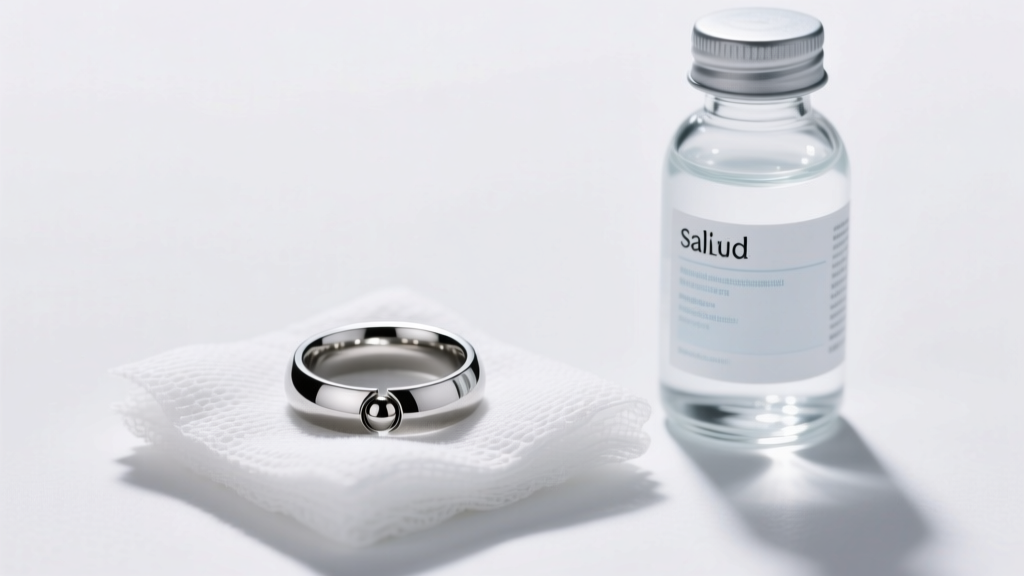
Proper maintenance of your piercings extends far beyond the initial healing phase. Once your piercing is fully healed, the ongoing care, maintenance, and cleaning of your jewelry become paramount to preventing irritation, material degradation, and localized infections. When dealing with the vast array of types of body jewelry available on the market today, a one-size-fits-all cleaning approach is a recipe for disaster. What safely sterilizes a titanium barbell might completely ruin a carved wood plug or strip the polish from a gold segment ring.
In this comprehensive guide, we break down the exact metallurgical and material science behind body jewelry maintenance, providing you with actionable, expert-level protocols to keep your collection pristine, safe, and hygienic.
The Science of Biofilms and Sebum Accumulation
Before diving into specific cleaning agents, it is crucial to understand what you are actually cleaning off your jewelry. The human body continuously sheds dead skin cells and produces sebum (natural oils). In the confined, dark, and often warm environment of a piercing channel, this organic matter accumulates on the jewelry surface, creating a biofilm.
According to the Association of Professional Piercers (APP), this biofilm can harbor bacteria and yeast, leading to the infamous "piercing bump" or contact dermatitis if left unchecked. Furthermore, environmental pollutants, cosmetic products, and chlorinated water can chemically react with certain metal alloys, causing micro-pitting and tarnishing that makes the jewelry surface rough, thereby trapping even more bacteria.
Material-Specific Cleaning Protocols
Different materials possess unique porosity levels, chemical resistances, and structural vulnerabilities. Here is how to care for the most common types of body jewelry.
Implant-Grade Titanium (ASTM F-136) and Niobium
Implant-grade titanium and niobium are the gold standards for body jewelry due to their exceptional biocompatibility and lack of nickel. These metals are highly resistant to corrosion and can withstand rigorous cleaning methods.
- Daily/Weekly Maintenance: Wash with a mild, fragrance-free liquid soap (like castile soap) and warm water. Use a soft-bristled toothbrush to gently scrub the threads and crevices.
- Deep Sterilization: Both titanium and niobium are autoclave safe. If you do not have access to an autoclave, you can safely boil these metals in distilled water for 10 to 15 minutes to achieve a high level of sterilization before insertion.
- Ultrasonic Cleaning: Highly recommended for titanium and niobium pieces with intricate designs or gem settings, as the cavitation bubbles will dislodge trapped sebum without scratching the metal.
Solid 14k and 18k Gold
Gold is a noble metal, but body jewelry is never pure 24k gold because it is too soft. It is alloyed with metals like copper, silver, or zinc to increase durability. These alloyed metals are susceptible to tarnishing and chemical reactions.
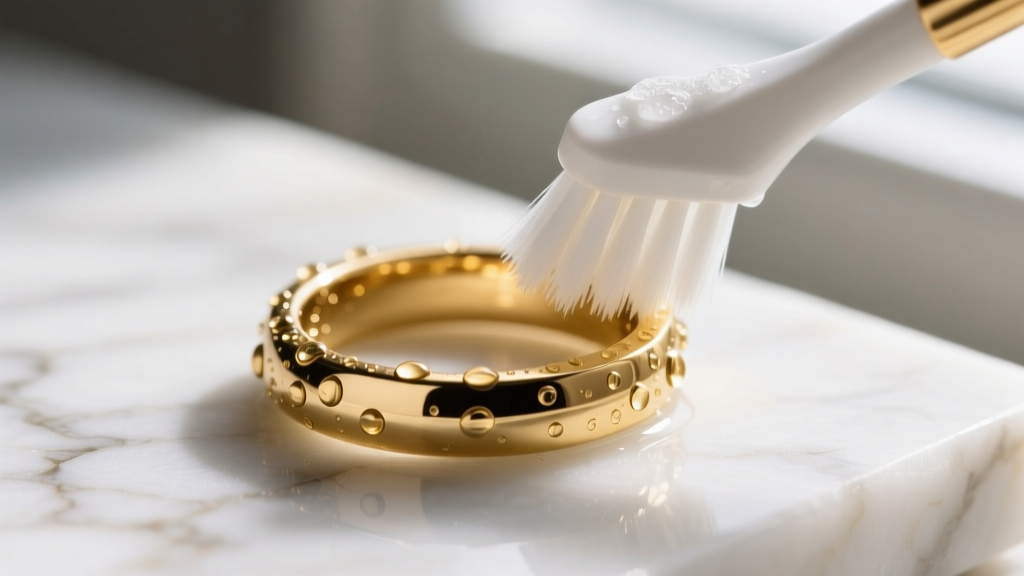
- Routine Cleaning: Use a specialized, ammonia-free jewelry cleaner or a simple mixture of warm water and mild dish soap. Gently brush with a baby toothbrush.
- What to Avoid: Never use bleach, chlorine, or harsh abrasive polishes. Chlorine will permanently damage the structural integrity of the gold alloy, leading to stress fractures.
- Gemstone Caution: If your gold jewelry features soft or porous stones (like opals, turquoise, or pearls), avoid ultrasonic cleaners and boiling water, as the vibrations and heat can shatter or cloud the gems.
Organic Materials (Wood, Bone, Horn, and Stone)
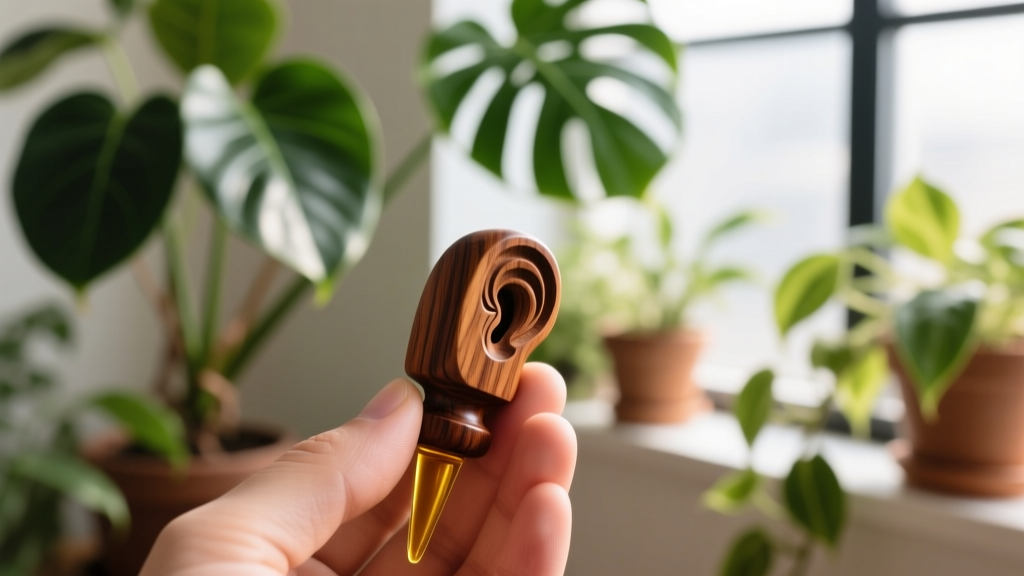
Organic materials are highly porous and react dynamically to moisture and temperature changes. They require the most delicate and specific care routines to prevent warping, cracking, and bacterial trapping.
- The Golden Rule: Never soak organic jewelry in water or any liquid solution. Submerging wood or bone causes it to swell, and subsequent drying leads to microscopic cracks that harbor bacteria.
- Cleaning Method: Wipe the surface gently with a slightly damp cloth to remove surface debris. Allow it to air dry completely.
- Conditioning: Once a month, massage a small amount of natural jojoba oil or specialized organic balm into the material. This seals the pores, prevents drying, and maintains a smooth, hygienic surface.
Glass and High-Quality Acrylics
Glass (like borosilicate or fused quartz) is completely non-porous and incredibly safe for the body. Acrylics, while popular for colorful designs, are slightly porous and sensitive to heat.
- Glass: Treat glass similarly to titanium. It is boil-safe, autoclave-safe, and can be cleaned with isopropyl alcohol (70% or higher) without any risk of degradation.
- Acrylics: Wash only with mild soap and warm water. Never boil acrylics, as they will warp and melt. Avoid alcohol on acrylics, as it can cause the material to become brittle and develop micro-fractures over time.
The Ultimate Cleaning Solutions Comparison
Choosing the right chemical agent is just as important as knowing your jewelry material. Below is a structured comparison of common cleaning solutions and their appropriate applications.
| Cleaning Agent | Best Used On | Strictly Avoid On | Frequency |
|---|---|---|---|
| 0.9% Sterile Saline | Fresh piercings, sensitive skin, daily flushing | Heavy sebum buildup (lacks degreasing power) | Daily |
| Mild Castile Soap | Titanium, Gold, Niobium, Glass, Acrylics | Unsealed porous organics (wood/bone) | Weekly |
| 70% Isopropyl Alcohol | Glass, bare Titanium, Niobium, Steel | Gold alloys, Acrylics, Organics, Soft Gems | Occasional deep clean |
| Jojoba Oil | Wood, Bone, Horn, Amber | Metal jewelry (causes slippery buildup) | Monthly conditioning |
| Ultrasonic Bath | Intricate metals, threadless ends, gem settings | Opals, Emeralds, Pearls, Acrylics, Organics | Bi-annually |
Step-by-Step Sterilization for Healed Piercings
When swapping out jewelry or performing a deep clean on a healed piercing, follow this strict protocol to ensure maximum hygiene. The Centers for Disease Control and Prevention (CDC) emphasizes that proper hand hygiene is the first line of defense against introducing pathogens to any bodily contact point.
- Prep and Wash: Wash your hands thoroughly with antibacterial soap for at least 20 seconds. Dry with a clean, lint-free paper towel.
- Remove and Inspect: Carefully remove the jewelry. Inspect the O-rings, threads, and gem settings for any signs of wear, stripping, or looseness.
- Degrease: Apply a drop of mild liquid soap to a soft toothbrush. Gently scrub all surfaces of the jewelry, paying special attention to the threading and the inside of the captive bead ring or barbell.
- Rinse Thoroughly: Rinse under warm running water until all soap residue is completely gone. Soap residue left on jewelry can cause severe contact dermatitis.
- Sanitize/Sterilize: Depending on the material, either boil the piece in distilled water for 10 minutes, wipe with 70% isopropyl alcohol, or run it through an ultrasonic cleaner.
- Dry and Store: Pat dry with a sterile gauze pad. If not reinserting immediately, store in a sealed, sterile ziplock bag or a dedicated jewelry box lined with anti-tarnish cloth.
Common Maintenance Mistakes to Avoid
Even well-intentioned piercing enthusiasts can fall victim to outdated or harmful cleaning myths. Avoid these critical errors to prolong the life of your jewelry and the health of your piercings:
- Using Toothpaste: Toothpaste contains micro-abrasives (like silica) designed to strip plaque from enamel. On body jewelry, these abrasives create microscopic scratches in the metal polish, creating a rough surface that traps bacteria and irritates the fistula.
- Over-Reliance on Tea Tree Oil: While tea tree oil has natural antimicrobial properties, it is highly astringent and can cause severe chemical burns or allergic contact dermatitis when applied undiluted to the skin or left to pool on jewelry surfaces.
- Ignoring Internal Threading: Many people clean the visible bar or ring but neglect the internal threads or the pin of a threadless end. Sebum builds up heavily in these crevices. Always use an interdental brush or a toothpick to gently clear out the threading.
- Wearing Organics in Water: Swimming in pools, hot tubs, or the ocean while wearing wood or bone jewelry will cause the material to absorb chemicals and salt, leading to rapid degradation, warping, and potential infection.
When to Retire Your Body Jewelry
No piece of jewelry lasts forever. Knowing when to retire a piece is a vital part of body jewelry maintenance. You should immediately discard or professionally repurpose jewelry if you notice:
- Stripped Threads: If the ball or end no longer screws in smoothly, the threads are compromised. Forcing it can damage the inside of your piercing channel.
- Deep Pitting or Rust: If you are wearing lower-grade surgical steel and notice rust or dark pitting, the protective chromium oxide layer has failed. This metal is no longer safe for internal wear.
- Cracked Acrylics or Glass: Even a hairline fracture in glass or acrylic creates a sharp edge that can slice the fistula and a porous pocket that cannot be sterilized.
By understanding the specific needs of the different types of body jewelry you own, you can ensure your collection remains safe, beautiful, and comfortable for years to come. Always consult with an APP-certified professional piercer if you are unsure about the material composition or specific care requirements of a unique piece.