M Ink House Tattoo Piercing Jewelry: 2026 Value Assessment
We assess the true value of M Ink House tattoo piercing jewelry in 2026, comparing studio-curated implant-grade metals to online budget alternatives.

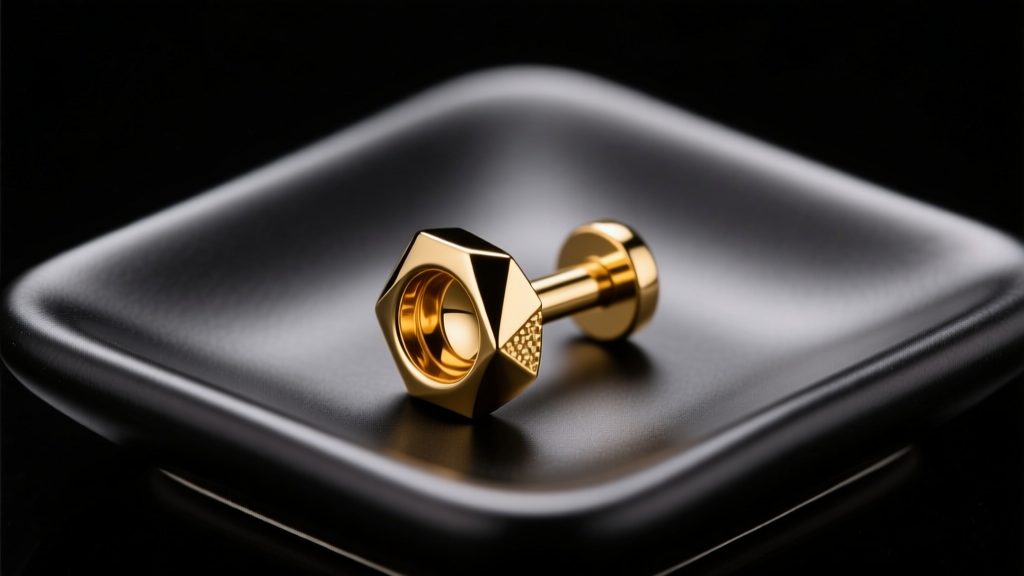
When navigating the body modification landscape in 2026, the divide between mass-produced online accessories and studio-curated pieces has never been more pronounced. For collectors and healing clients alike, evaluating the true cost of M Ink House tattoo piercing jewelry requires looking past the initial price tag and examining the metallurgy, engineering, and long-term biological compatibility of the pieces. As a premier destination for high-end body art, M Ink House has built a reputation for stocking uncompromising inventory. But in an era where direct-to-consumer jewelry brands are aggressively undercutting studio prices, is the studio premium still justified? This comprehensive value assessment breaks down the material science, pricing structures, and hidden costs associated with boutique piercing jewelry to help you make an informed financial and anatomical decision.
The Studio vs. Online Dilemma: Understanding the M Ink House Pricing Model
Walk into any reputable studio, and you will immediately notice a price discrepancy between their display cases and popular online megastores. A basic 16-gauge titanium labret stud from an online marketplace might cost $12, while a comparable piece curated by M Ink House could retail between $45 and $85, depending on the brand (such as NeoMetal, BVLA, or Anatometal) and the end decoration. This markup is not arbitrary; it is a reflection of stringent quality control, supply chain transparency, and professional curation.
Online budget brands frequently cut corners on the finishing process. High-end studio jewelry undergoes meticulous hand-polishing to achieve a mirror finish, which is critical for fresh piercings. A microscopically smooth surface prevents bacteria from harboring in tiny scratches and reduces friction against the delicate fistula (the tube of healing tissue). Furthermore, studios like M Ink House guarantee that every piece of body jewelry they sell meets the strict biocompatibility standards outlined by the Association of Professional Piercers (APP). When you purchase from a curated studio, you are paying for the assurance that the metal alloy has been verified, properly passivated, and safely stored in a sterile environment.
Material Breakdown: What You Are Actually Paying For
The foundation of any jewelry value assessment lies in its elemental composition. Budget brands often use misleading terminology like "surgical steel" or "hypoallergenic alloys" to mask inferior metallurgy. M Ink House strictly adheres to implant-grade standards, primarily utilizing ASTM F-136 titanium and solid 14k or 18k nickel-free gold.
ASTM F-136 Titanium vs. Commercial 316L Steel
Commercial "surgical" steel (316L) contains between 8% and 10% nickel. While the nickel is bound within the alloy, the saline environment of a healing piercing, combined with the body's natural lymph fluids, can cause microscopic corrosion. This leaches nickel ions directly into the tissue, triggering contact dermatitis, localized swelling, and in severe cases, piercing migration. According to dermatological data published by the National Center for Biotechnology Information, nickel allergy is one of the most common causes of allergic contact dermatitis worldwide. Implant-grade titanium (ASTM F-136), conversely, contains zero nickel. It is highly biocompatible, lightweight, and can be anodized to create vibrant, safe colors without the use of toxic dyes or platings that can chip and flake inside a wound.
The Engineering of Threading and Tension
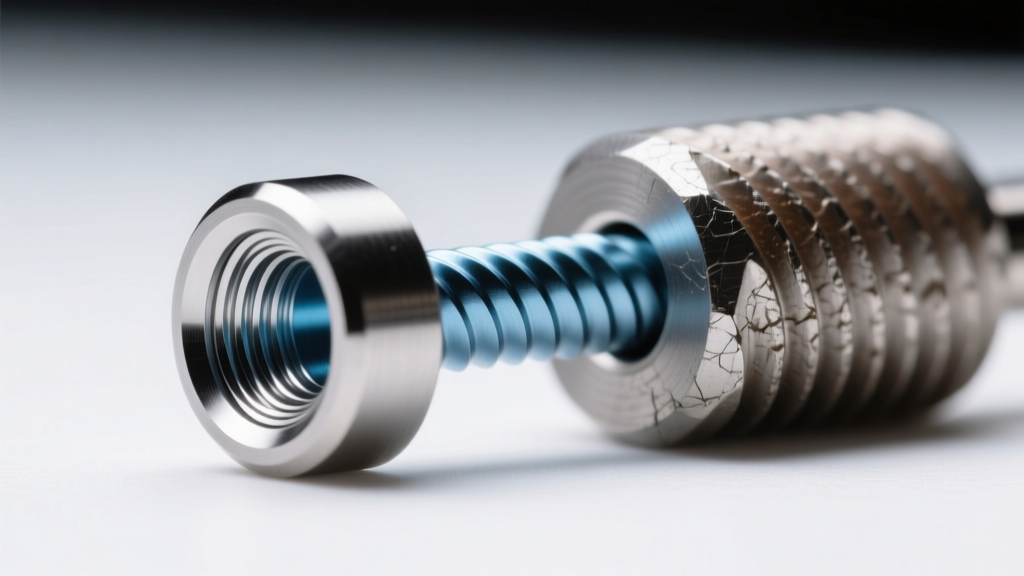
Beyond the metal itself, the mechanical engineering of the jewelry dictates its value. Budget jewelry almost universally features external threading, where the screw-like ridges are on the post that passes through the piercing. Pushing external threads through a fistula acts like a cheese grater, causing micro-tears and introducing bacteria. M Ink House exclusively stocks internally threaded jewelry (where the screw is inside the decorative end) and threadless (push-pin) designs. Threadless jewelry relies on a precise 3-degree bend in the pin to create tension against the hollow post, ensuring a secure fit that will not rattle loose during sleep or physical activity. The manufacturing tolerance required to produce reliable threadless tension or flawless internal tapping adds significant cost to the production line, a cost that is reflected in the final retail price but entirely justified by the preservation of your tissue.
2026 Cost Comparison: M Ink House Curated Pieces vs. Direct-to-Consumer
To visualize the value proposition, we must compare the upfront costs against the material guarantees and finishing standards. The table below illustrates the typical market differences between boutique studio inventory and budget online alternatives.
| Feature | M Ink House (Studio-Curated) | Budget Online Brands |
|---|---|---|
| Base Metal | ASTM F-136 Ti-6Al-4V-Eli (Implant Grade) | 316L Stainless Steel or Unverified "Titanium" |
| Nickel Content | 0% (Verified Mill Certificates) | 8-10% (in steel) or Unknown trace amounts |
| Surface Finish | Mirror Polish (Hand-finished, Passivated) | Matte or Tumbled (Micro-scratches present) |
| Threading Type | Internal or Threadless (Push-Pin) | External (Post is threaded) |
| Gemstone Setting | Prong or Bezel (No adhesives) | Glued-in (High failure rate in moisture) |
| Average Price (Labret) | $45.00 - $85.00+ | $8.00 - $15.00 |
While the initial investment for studio jewelry is undeniably higher, the "cost per wear" and the reduction in medical or corrective expenses drastically shift the value equation in favor of the studio.
The Hidden Costs of Budget Jewelry: A Piercer’s Perspective
The most expensive piece of jewelry you will ever buy is the cheap one that ruins your piercing. When clients attempt to save $40 by purchasing unverified jewelry from social media ads or mega-retailers, they frequently return to the studio months later with severe complications. The financial fallout of a failed piercing includes:
- Downsizing and Correction Fees: Swelling and irritation bumps caused by rough finishes or nickel leaching often require professional intervention, costing $30 to $50 per consultation.
- Topical Treatments: Clients often waste money on unnecessary aftercare sprays, tea tree oils, and aspirin pastes trying to cure an irritation bump that is actually an allergic reaction to the metal.
- Repiercing Costs: If a piercing migrates or rejects due to chronic inflammation from poor jewelry, the original investment is lost. Repiercing the same area, once the scar tissue has healed sufficiently, requires paying the full piercing fee again, plus the cost of new, safe jewelry.
- Lost Jewelry: Budget brands frequently use glued-in gemstones. When the adhesive breaks down from exposure to water and body heat, the gemstone falls out, rendering the entire piece useless.
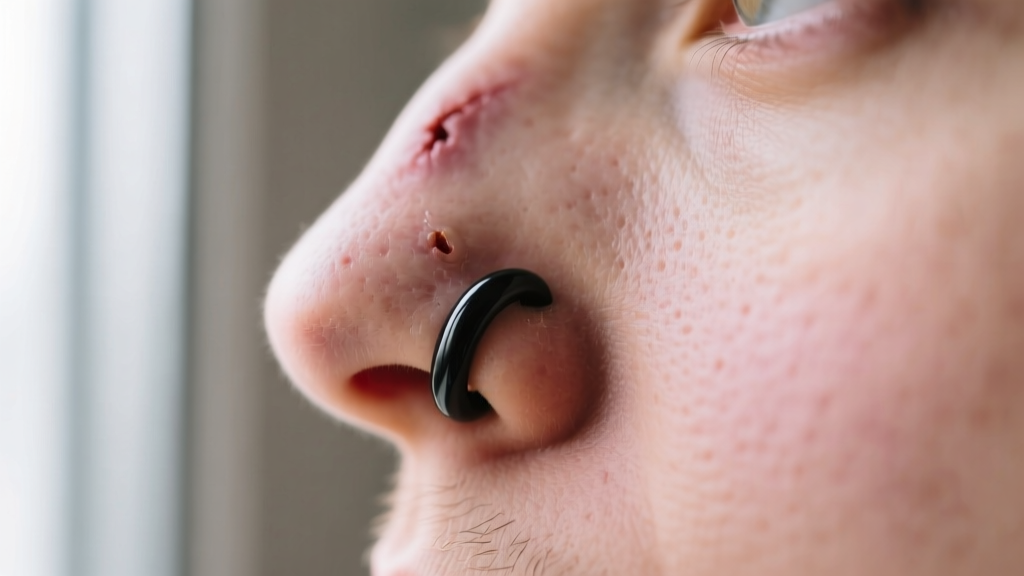
By investing in verified pieces from M Ink House, you are essentially purchasing an insurance policy for your anatomy. The ASTM International standards for implantable metals exist precisely because the human body is a harsh, corrosive environment. Respecting those standards is non-negotiable for long-term wear.
Final Verdict: When to Invest in Studio-Curated Jewelry
Is M Ink House tattoo piercing jewelry worth the investment? The answer depends entirely on the lifecycle stage of your piercing and its anatomical location. For fresh, healing piercings, the value of studio-curated, internally threaded, implant-grade titanium is absolute. The risk of infection, migration, and scarring is too high to gamble with unverified metals. Similarly, for high-traffic areas like the nostril, lip, or earlobe, where jewelry is subject to constant movement and environmental exposure, the superior mirror finish and secure threadless tension of boutique brands are essential.
However, if you have a fully mature, well-healed piercing in a low-risk area (such as a secondary earlobe hole or a healed navel), and you are simply looking to experiment with a temporary aesthetic change, the strict adherence to studio pricing may feel less critical. Yet, even for healed piercings, the durability of solid gold settings and the precision of prong-set gems offered by M Ink House ensure that your jewelry will last a lifetime rather than a season. Ultimately, true value in body modification is not found in the lowest possible price, but in the harmony between exceptional craftsmanship, material safety, and the enduring beauty of the art you wear.


