The 2026 Body Jewelry Gauge Chart & Sizing Trend Analysis
Master your piercings with our 2026 body jewelry gauge chart. Explore sizing trends, exact mm conversions, and expert fitting tips for flawless heals.

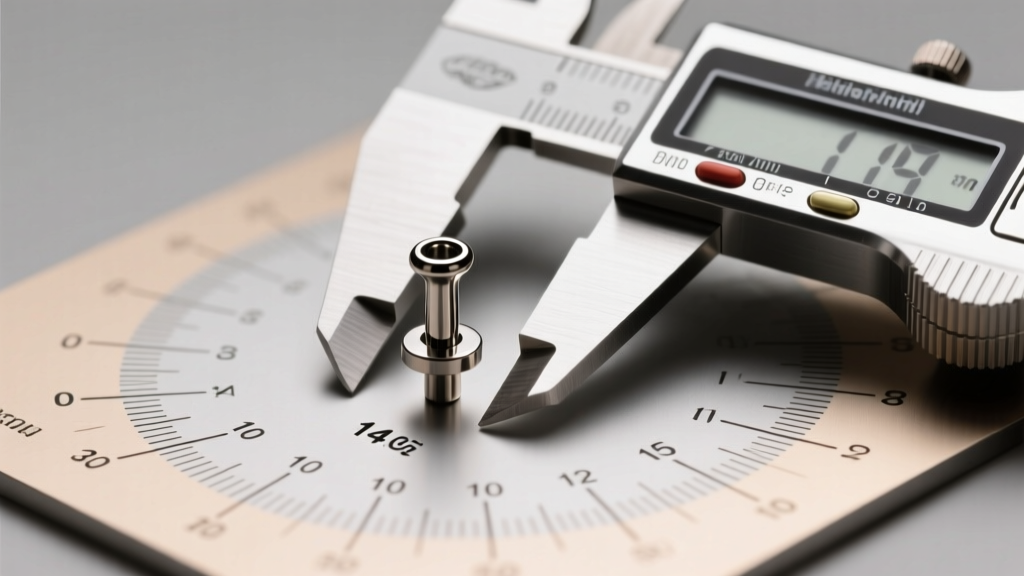
The Evolution of Piercing Gauges: Why 2026 is Shifting Standards
For decades, the body modification industry relied on a rigid, albeit flawed, adherence to the American Wire Gauge (AWG) system. However, as we navigate the piercing landscape of 2026, a massive paradigm shift has occurred. High-end studios and premium manufacturers are moving away from legacy AWG approximations toward exact metric standardization. Understanding a modern body jewelry gauge chart is no longer just about knowing the difference between a 14g and a 16g; it is about understanding tissue displacement, biomechanical load, and the micro-tolerances of ASTM F-136 titanium.
Today's collectors and piercing enthusiasts demand jewelry that not only fits perfectly but promotes optimal fistula health. The rise of curated ear projects, micro-dermal clusters, and intricate gemstone settings has forced the industry to rethink standard sizing. In this comprehensive style and trend analysis, we will break down the definitive gauge chart, explore the dominant sizing trends of 2026, and provide actionable troubleshooting frameworks for common gauge-related complications.
The Definitive Body Jewelry Gauge Chart (AWG to MM)
Before diving into trend analysis, it is crucial to have a reliable reference point. The table below bridges the gap between traditional AWG measurements, exact millimeter conversions, and their primary applications in modern piercing studios. Note that premium brands like BVLA and Neometal now machine their jewelry to the exact metric dimensions listed below, rather than the slightly varied historical AWG fractions.
| Gauge (AWG) | Metric (mm) | Decimal Inch | Primary 2026 Applications |
|---|---|---|---|
| 20g | 0.8mm | 0.032" | Nostril screws, legacy earlobe piercings |
| 18g | 1.0mm | 0.040" | Standard nostrils, delicate helix rings |
| 16g | 1.2mm | 0.047" | Cartilage (conch, flat, helix), daith, smiley |
| 14g | 1.6mm | 0.063" | Industrial, navel, tongue, earlobes, nipples |
| 12g | 2.0mm | 0.079" | Stretched lobes, septum, surface anchors |
| 10g | 2.5mm | 0.098" | Medium gauge stretching, heavy septum clickers |
| 8g | 3.2mm | 0.126" | Standard starting point for large format tunnels |
| 6g | 4.0mm | 0.157" | Large lobe stretching, transverse lobe projects |
| 4g | 5.0mm | 0.197" | Advanced stretching, heavy silicone eyelets |
| 2g | 6.5mm | 0.256" | Large format stretching, custom carved bone/wood |
| 0g | 8.0mm | 0.315" | Heavy gauge wear, specialized hanging weights |
| 00g | 9.5mm | 0.374" | Maximum standard sizing before scalpeling |
According to the Association of Professional Piercers (APP), utilizing the correct initial gauge is paramount for minimizing tissue trauma and preventing the dreaded "cheese-cutter" effect, a concept we will explore in depth later in this guide.
Trend Analysis: The "Downsizing" Movement & 16g Dominance
If there is one defining aesthetic and functional trend in 2026, it is the widespread adoption of 16-gauge (1.2mm) jewelry for cartilage piercings that were historically pierced at 14-gauge (1.6mm). This shift is largely driven by the popularity of intricate, gem-heavy cluster ends and the desire for delicate, minimalist aesthetics.
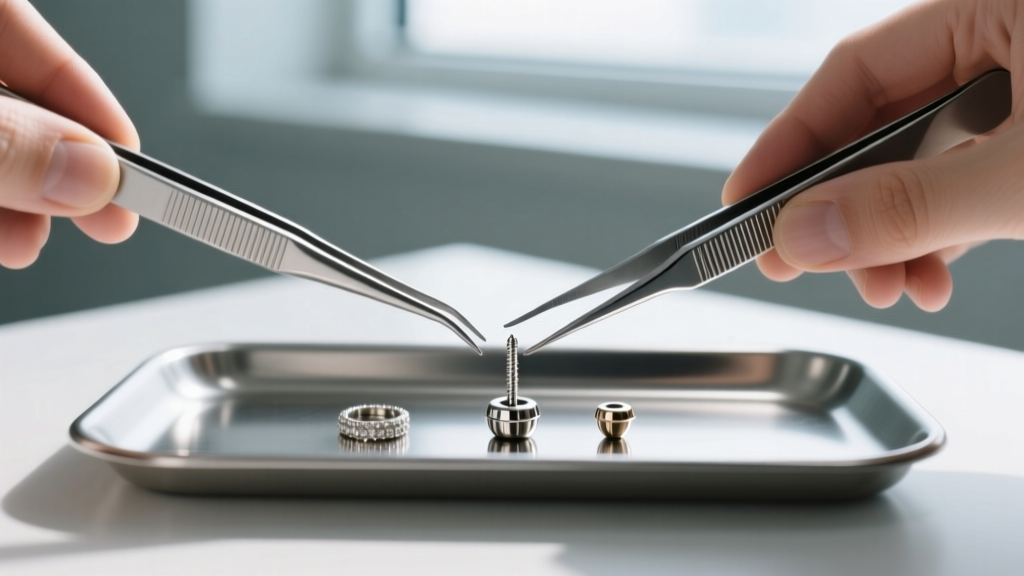
Why Shorter, Thinner Posts are Dominating High-End Studios
A 1.6mm titanium post displaces significantly more tissue than a 1.2mm post. In high-mobility areas like the flat or the anti-helix, the thicker post can create undue pressure during the swelling phase. By piercing at 16g, studios are achieving faster healing times and less irritation. Furthermore, the threadless and internally threaded ends designed for 16g posts allow for much more intricate stone settings without the jewelry becoming top-heavy and migrating.
- Weight Reduction: A 16g post paired with a BVLA cluster end reduces the overall gravitational pull on a fresh conch piercing by up to 30% compared to a 14g setup.
- Aesthetic Delicacy: Thinner posts allow the gemstone to sit flush against the skin, creating the illusion that the jewelry is floating without visible metal hardware.
- Versatility: Clients who heal at 16g have access to a vastly larger market of high-end seamless rings and clickers, which are predominantly manufactured in 1.2mm for cartilage applications.
Material Grades & Gauge Tolerances: What the Chart Doesn't Tell You
A body jewelry gauge chart is only as reliable as the manufacturing standards behind it. In 2026, the divide between mass-produced mall kiosk jewelry and studio-grade titanium has never been wider. When you purchase a "16-gauge" labret from an unverified online retailer, you are often receiving a post that measures 1.15mm or even 1.10mm. This seemingly minor discrepancy of 0.05mm can cause the jewelry to slide through the fistula, creating friction, micro-tears, and hypertrophic scarring.
Premium manufacturers like Industrial Strength Body Jewelry adhere to strict ISO and ASTM F-136 standards, holding their machining tolerances to within +/- 0.02mm. This ensures that a 1.2mm post will fit seamlessly into a standard 16g piercing channel without excessive play or dangerous compression. When analyzing gauge sizes, always pair the millimeter dimension with the material grade. Implant-grade titanium (ASTM F-136) and niobium remain the undisputed gold standards for fresh piercings and long-term wear, as their surface finish prevents bacterial adhesion that cheaper, porous alloys harbor.
Troubleshooting Gauge Mismatches & The "Cheese-Cutter" Effect
One of the most frequent issues piercing professionals encounter is the migration of jewelry due to gauge mismatches and the biomechanical phenomenon known as the "cheese-cutter" effect. This occurs when jewelry is too thin for the amount of tissue it is suspended in, or when it bears excessive weight.
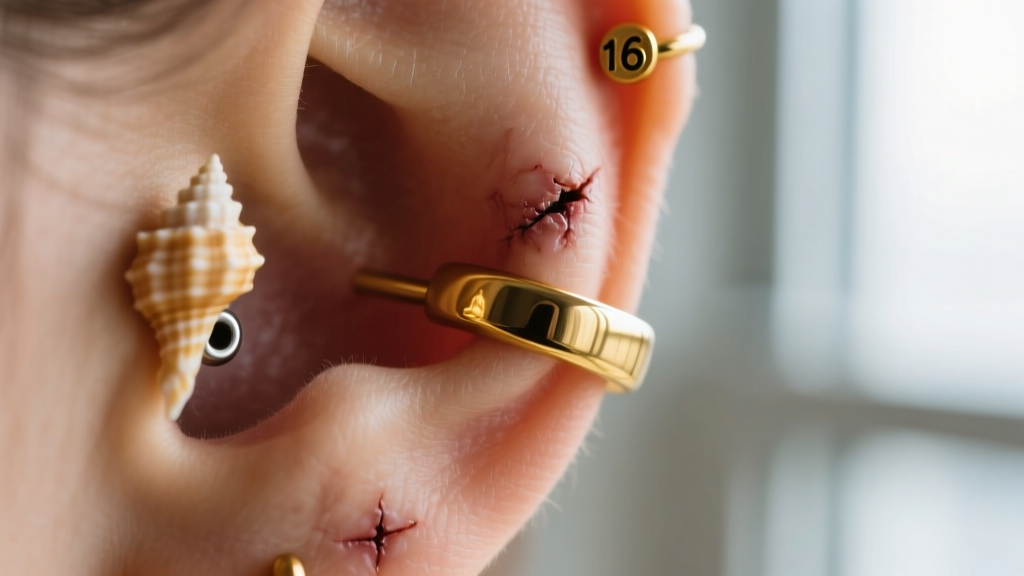
"The cheese-cutter effect isn't just a theory; it's a biomechanical certainty. When a 20-gauge wire bears the weight of a heavy industrial barbell or a large gemstone cluster, the pressure per square millimeter on the fistula exceeds tissue tolerance, guaranteeing migration and rejection over time."
— Senior APP-Certified Piercer
How to Identify and Prevent Gauge-Related Migration
If you are experiencing persistent redness, thinning of the tissue between the entry and exit holes, or jewelry that easily shifts at extreme angles, your gauge may be too small. Here is a practical decision framework for troubleshooting:
- Assess the Load: If you are wearing a heavy 14k gold clicker in a daith or rook piercing, a 16g (1.2mm) wire may be too thin. Upgrading to a 14g (1.6mm) or even 12g (2.0mm) ring will distribute the weight across a wider surface area, instantly relieving pressure on the fistula.
- Check the Diameter: Gauge is only half the equation. A 16g ring with an inner diameter that is too small will create localized pressure points, mimicking the symptoms of a gauge mismatch. Always ensure your ring diameter allows for natural tissue swelling and movement.
- Measure with Calipers: Never rely on the packaging of cheap jewelry. Invest in a digital millimeter caliper to verify the exact thickness of your posts and wires before inserting them into a healed or healing piercing.
Final Thoughts on Sizing Your Collection
The 2026 piercing landscape rewards precision, high-quality materials, and a deep understanding of individual anatomy. A body jewelry gauge chart is your foundational tool, but true expertise lies in knowing when to deviate from the standard based on tissue behavior and jewelry weight. Whether you are downsizing to a delicate 16g titanium flat-back for a curated ear project, or stepping up to a 10g septum clicker for a bolder look, always prioritize implant-grade materials and exact metric tolerances. By aligning your jewelry choices with modern biomechanical standards, you ensure that your piercings remain healthy, vibrant, and perfectly styled for decades to come. For more detailed aftercare protocols and material safety data, always consult the resources provided by the Association of Professional Piercers.


